
Onion in Zone 7B — Pacific Northwest
Allium cepa · Your Complete 2026 Planting Guide
Missed Seed Starting? No Problem!
Wait for starts to become available.
What to Do
Starts will be available at nurseries in 28 days (around April 1).
How to Plant Onion in Zone 7B — Pacific Northwest
Here are all your options for getting onion in the ground, from the easiest method to more advanced approaches.
Direct Sow Seeds
RecommendedMid March through early July
around March 18
Consider succession planting every 2-3 weeks for continuous harvest.
Can direct sow seeds or plant sets (small bulbs) in early spring.
Start Seeds Indoors
RecommendedMid January through early February
around January 21
Then transplant: Early to late April
Start seeds 10-12 weeks before transplanting outdoors.
Start seeds indoors 10-12 weeks early for largest bulbs.
Buy Starts
Works WellEarly to late April
around April 1
Plant purchased starts after last frost (April 15).
Onion sets (small bulbs) are the easiest method for beginners.
Transplant Outdoors
Timing InfoEarly to late April
around April 1
Can tolerate light frost, but wait for soil to be workable.
Plan to transplant within a few weeks of your target date.
Overview
Onions are one of the most rewarding crops for Pacific Northwest gardeners, thriving in our mild summers and long growing season. Our cool nights actually improve their flavor development, while the dry summer months mean less disease pressure than many other regions face. You'll get storage onions that last through winter and sweet varieties perfect for fresh eating all season long.
While our cool, wet springs can slow early growth and make timing tricky, onions are incredibly forgiving once established. With our generous 193-day growing season, you have plenty of time to grow full-sized bulbs whether you start from seeds, sets, or transplants. The key is working with our climate patterns rather than against them.
Starting Seeds Indoors
Starting onion seeds indoors makes sense if you want the largest possible bulbs or specific varieties not available as sets. You'll want to sow seeds mid-January through early February, about 10 weeks before you plan to transplant outside. This timing works well with our slow spring pattern since you're not rushing to get tender seedlings out too early.
Set up your seed trays in a warm spot (65-70°F) with good light once they germinate. Bottom watering works particularly well for onion seedlings since it prevents fungal issues that can develop in our humid indoor winter conditions. The seedlings grow slowly at first, which actually suits our Pacific Northwest spring timeline perfectly.
Your seedlings will be ready to transplant when they're pencil-thick, usually by early to late April. This indoor method gives you the biggest bulbs by harvest time, but onion sets are honestly much easier for most home gardeners.
Transplanting Outdoors
Plan to transplant your onion seedlings early to late April, timing it with our typical last frost period. The seedlings can handle light frosts, so you don't need to wait for perfectly settled weather. This early planting is crucial for bulb development since onions need long days to form good-sized bulbs.
Harden off your seedlings for about a week before transplanting, gradually exposing them to outdoor conditions. Our overcast spring days actually make this process gentler than in sunnier climates. Space transplants 4-6 inches apart in rows, setting them at the same depth they were growing in their containers.
Watch for those late April temperature swings that can stress young plants. A row cover can help if unexpected cold threatens, but onions are quite hardy once they're established in the garden.
Direct Sowing
Direct sowing works well in the Pacific Northwest, especially with onion sets (small bulbs) which are much easier than seeds for most gardeners. You can plant sets mid-March through early July, though earlier planting gives you larger bulbs. Seeds can go in the ground around the same time but require more attention to soil preparation.
Your soil needs to be workable rather than perfectly warm - onions actually prefer cool soil conditions that match our spring climate. Prepare beds with good drainage since our wet springs can cause bulbs to rot in waterlogged soil. Plant sets pointed end up, just deep enough so the tip barely shows, spacing them 4-6 inches apart.
Direct seeding requires finer soil preparation and consistent moisture, which can be challenging during our variable spring weather. Sets are more forgiving and give you a head start on the growing season.
Watering Onion in Zone 7B (Pacific Northwest)
Onions need consistent moisture throughout the growing season, but their watering schedule aligns well with our Pacific Northwest rainfall patterns. During our wet spring months, you'll rarely need to water established plants. Focus on ensuring good drainage instead, since soggy soil leads to rot in our cool, damp conditions.
Once our dry summer months arrive, typically late June through September, you'll need to provide about an inch of water weekly. The finger test works well - stick your finger 2 inches into the soil near the plants. If it's dry at that depth, it's time to water. Our mild summer temperatures mean onions don't stress as quickly as they would in hotter climates.
Water at soil level rather than overhead to prevent foliar diseases, especially during our humid spring weather. A soaker hose or drip irrigation works perfectly. Stop watering entirely once the tops begin to fall over and yellow - this signals the start of the curing process and too much moisture at this stage can lead to storage problems.
Light mulching helps retain moisture during our dry summer months while keeping weeds down. Straw or shredded leaves work well and break down nicely in our mild, wet winters.
🧪Fertilizing Onion
Feeding Schedule
Organic Fertilizer Options
Harvest Time
Your first onions will be ready for harvest late June through early November, depending on variety and planting time. Storage varieties planted early will be ready by late summer, while succession plantings give you fresh onions well into fall. Look for the tops to naturally fall over and begin yellowing - this is your signal that the bulbs are mature.
Harvest on a dry day if possible, gently lifting bulbs with a garden fork rather than pulling. Brush off excess soil but don't wash them - wet onions don't cure properly. The timing often works out perfectly with our dry August and September weather, ideal conditions for the curing process.
Cure harvested onions in a warm, dry, well-ventilated area for 2-3 weeks until the outer skins are papery and the necks are completely dry. Your garage or covered porch works well during our mild fall weather. Properly cured onions will store through winter in a cool, dry place.
As our first frost approaches in late October, harvest any remaining onions even if they're not fully mature. Smaller bulbs won't store as long but are perfect for immediate use in fall cooking.
Common Problems in Zone 7B (Pacific Northwest)
Onion Thrips These tiny, slender insects cause silvery streaks and stippling on onion leaves, eventually leading to stunted growth and reduced bulb size. You'll see the damage as fine silver lines on the foliage, and plants may look generally unhealthy. Our dry summer conditions can actually favor thrips populations since they prefer low humidity environments.
Encourage beneficial insects with diverse plantings and avoid broad-spectrum pesticides. Row covers during the early growing season can prevent initial infestations. If thrips become severe, insecticidal soap applications in early morning work better in our mild temperatures than they would in hotter climates.
Pink Root This fungal disease causes onion roots to turn pink, then purple, and eventually black as they rot away. Plants become stunted and may topple over as the root system fails. Our cool, wet spring conditions can promote this soil-borne disease, especially in heavy clay soils with poor drainage.
Improve soil drainage by adding compost and avoiding overwatering during wet spring months. Rotate onion family crops (onions, garlic, leeks) to different areas each year. Choose resistant varieties when available, and avoid planting in areas where pink root has been a problem before.
Bolting Onions send up flower stalks prematurely when stressed by temperature fluctuations or drought, shifting energy from bulb formation to seed production. The leaves become bitter and the bulbs stop growing properly. Our variable spring weather with warm spells followed by cool periods can trigger bolting in susceptible plants.
Plant at the right time for your variety - short-day varieties bolt easily in our long-day conditions, while long-day varieties are better suited to the Pacific Northwest. Maintain consistent soil moisture and choose bolt-resistant varieties for succession planting through summer.
Pacific Northwest Specific Challenges Our cool, wet springs create perfect conditions for fungal diseases while our dry summers can stress plants if you don't stay on top of watering. The good news is that our mild summer temperatures and cool nights create less pest pressure overall than many regions experience, making onions a relatively trouble-free crop once you understand the timing.
Best Companions for Onion
Plant these nearby for healthier Onion and better harvests.

Keep Away From

Companion Planting Details
Onions make excellent companions for carrots, beets, and lettuce in Pacific Northwest gardens. Their strong scent helps deter carrot flies and other pests, while their upright growth doesn't shade lower-growing crops. Carrots and onions planted together make efficient use of space since carrots grow deep while onion roots stay shallow. The timing works well too - you can harvest young onions for fresh eating while your carrots continue growing through our long fall season.
Avoid planting onions near beans and peas, as onions can inhibit the growth of legumes. This is particularly important in our region where cool-season crops like peas perform so well - you don't want to interfere with their nitrogen-fixing abilities that benefit your entire garden rotation.
🌸Best Flowers to Plant with Onion
These flowers protect your Onion from pests and attract pollinators for better harvests.
For Pest Control
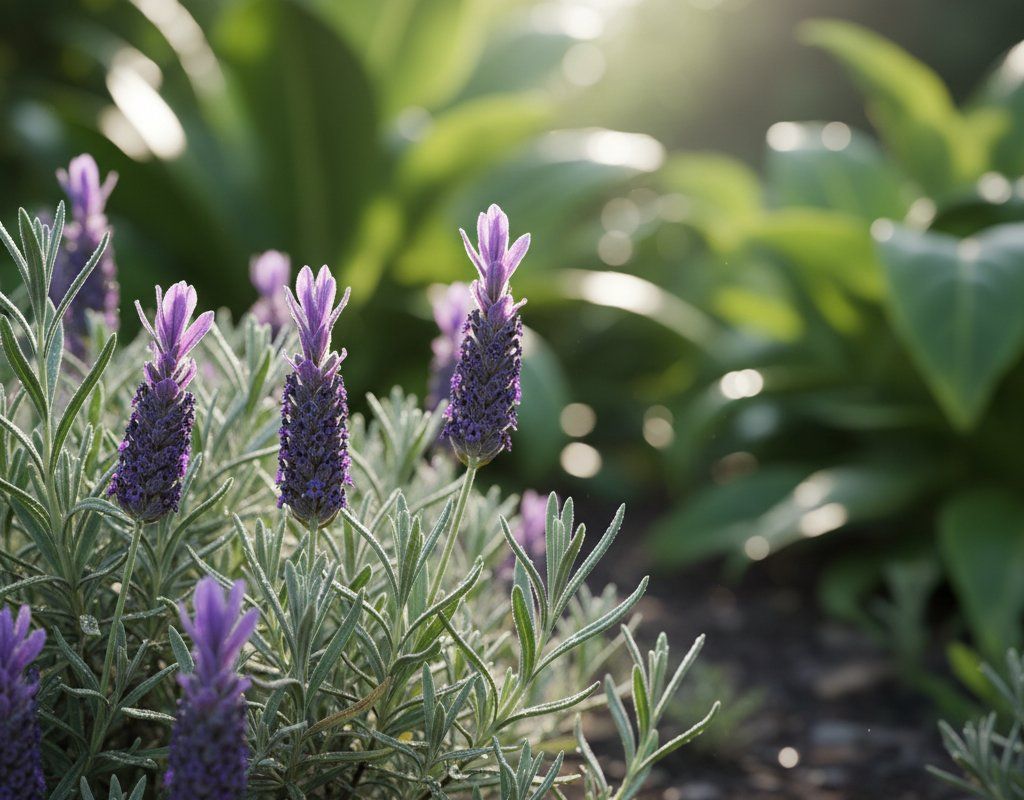

For Pollinators

Get a Reminder When It's Time to Plant
We'll email you when key planting windows open for your zone.