
Onion in Zone 8B — Northern California
Allium cepa · Your Complete 2026 Planting Guide
Time to Buy Starts!
Seed starting window passed, but starts are available now.
Buy Starts Now
Head to your local nursery, Home Depot, or farmers market for transplants.
- Look for stocky plants with dark green leaves
- Avoid leggy seedlings or plants already flowering
- Check that roots aren't circling the pot (rootbound)
How to Plant Onion in Zone 8B — Northern California
Here are all your options for getting onion in the ground, from the easiest method to more advanced approaches.
Direct Sow Seeds
RecommendedEarly February through early August
around February 1
Consider succession planting every 2-3 weeks for continuous harvest.
Can direct sow seeds or plant sets (small bulbs) in early spring.
Start Seeds Indoors
RecommendedLate November through late December
around December 7
Then transplant: Mid February through early March
Start seeds 10-12 weeks before transplanting outdoors.
Start seeds indoors 10-12 weeks early for largest bulbs.
Buy Starts
Works WellMid February through early March
around February 15
Plant purchased starts after last frost (March 1).
Onion sets (small bulbs) are the easiest method for beginners.
Transplant Outdoors
Timing InfoMid February through early March
around February 15
Can tolerate light frost, but wait for soil to be workable.
Plan to transplant within a few weeks of your target date.
Overview
Growing your own onions in Northern California's Zone 8B gives you access to varieties and flavors you'll never find at the grocery store — from sweet storage onions to specialty varieties perfectly suited to our Mediterranean climate. Our long, 269-day growing season means you can grow substantial bulbs that cure beautifully in our dry summers, and the mild winters allow for year-round onion production if you time your plantings right.
While our hot, dry summers and occasional water restrictions present challenges, onions are actually well-suited to Northern California's climate patterns. The key is understanding our early spring character and planning your watering schedule around our distinct wet and dry seasons.
Starting Seeds Indoors
Starting onion seeds indoors makes sense if you want the largest possible bulbs or specific varieties not available as sets. In Northern California, start seeds indoors from late November through late December — about 10 weeks before you plan to transplant in mid-February.
Set up seed trays in a warm spot (65-70°F works well) with good light once seedlings emerge. Use bottom watering to keep the soil consistently moist without disturbing the delicate seedlings. The fine, grass-like shoots grow slowly at first.
Since our spring arrives early compared to colder zones, indoor-started onions get a significant head start on bulb development. This extra time translates to noticeably larger onions by harvest time, especially with long-day varieties that need our extended summer daylight hours.
Transplanting Outdoors
Transplant your indoor-started onion seedlings from mid-February through early March, once the soil is workable and nighttime temperatures stay consistently above 32°F. In Northern California, this timing works perfectly with our typical last frost window.
Harden off seedlings gradually over a week, starting with just a few hours of outdoor exposure. Space transplants 4-6 inches apart in rows — closer spacing produces smaller bulbs, wider spacing allows for larger ones. Plant them at the same depth they were growing in their containers.
Our mild February weather usually cooperates for transplanting, but watch for those occasional temperature swings that can stress young plants. A light row cover helps if unexpected cold snaps threaten newly transplanted seedlings.
Direct Sowing
Direct sowing onion seeds works well in Northern California from early February through early August, though spring plantings generally produce the best bulbs. Plant seeds ¼ inch deep in well-draining soil when temperatures reach 50°F consistently.
For spring plantings, prepare your bed as soon as the soil isn't muddy from winter rains. Seeds germinate slowly in cool soil, so patience is key. Space seeds about an inch apart and thin to 4-6 inches once they're established — you can eat the thinnings as scallions.
Many Northern California gardeners prefer planting onion sets (small bulbs) over direct seeding for simplicity. Sets establish quickly in our spring conditions and give you a head start on bulb development, though your variety choices are more limited.
Watering Onion in Zone 8B (Northern California)
Onions need consistent moisture during their bulb-forming stage, which makes water management crucial in our dry-summer climate. From planting through mid-summer, provide about 1 inch of water per week — either from rainfall during our wet months or irrigation during the dry season.
Use the finger test to check soil moisture 2 inches deep. The soil should feel consistently moist but not waterlogged. In our low-humidity climate, water at the base of plants rather than overhead to minimize water loss and prevent foliar diseases. Morning watering works best so plants dry before evening.
As summer progresses and bulbs mature, gradually reduce watering. When the green tops begin to fall over and yellow (usually late summer), stop watering entirely — this signals the beginning of the natural curing process. Too much water at this stage can cause bulbs to rot or sprout.
Apply a thin layer of mulch around plants to conserve soil moisture during our hot, dry summers. This is especially important if you're dealing with water restrictions or trying to garden more sustainably in our drought-prone region.
🧪Fertilizing Onion
Feeding Schedule
Organic Fertilizer Options
Harvest Time
Your first onions will be ready from mid-May through early December, depending on when you planted and which varieties you chose. Spring-planted onions typically mature in mid-to-late summer, while summer plantings harvest in fall and early winter.
Watch for the telltale signs of maturity: the green tops begin to fall over and turn yellow or brown. This happens naturally as the bulb finishes developing and nutrients move from the leaves into the storage bulb. Don't wait too long after the tops fall — harvest within a week or two.
Carefully lift bulbs from the soil using a garden fork, brushing off excess dirt but leaving the roots and tops attached. Cure them in a warm, dry, well-ventilated spot for 2-3 weeks. Our dry summer air is perfect for this curing process — many Northern California gardeners simply lay them on screens in a garage or covered porch.
As our first frost approaches in late November, make sure any remaining onions are harvested and properly cured. Well-cured storage onions can last through winter in a cool, dry place, giving you homegrown onions until the next harvest season.
Common Problems in Zone 8B (Northern California)
Onion Thrips These tiny, slender insects create silvery streaks and stippling on onion leaves, eventually causing tips to turn brown and die back. You might notice tiny black specks of excrement on the foliage. Thrips thrive in our hot, dry summer conditions and can severely impact bulb development if left unchecked. Control them with beneficial insects like predatory mites, or use insecticidal soap early in the season. Good air circulation helps reduce their populations.
Pink Root This soil-borne fungal disease causes roots to turn pink, then purple, and eventually black and brittle. Plants become stunted and may die in severe cases. Pink root is more common in our warmer microclimates and can persist in soil for years. Prevent it by rotating crops (don't plant onions in the same spot for 3-4 years), improving drainage, and choosing resistant varieties when possible. There's no cure once plants are infected.
Bolting Onion plants that bolt send up a central flower stalk, making the bulbs small and the inner layers tough or bitter. This premature flowering is triggered by temperature stress, drought, or planting at the wrong time. In Northern California, bolting often happens when unseasonably warm weather hits young plants, or when summer plantings experience our intense late-summer heat. Plant at appropriate times for your microclimate, maintain consistent moisture, and choose varieties suited to our long-day conditions.
Northern California Specific Challenges: Our diverse microclimates mean timing varies significantly across the region — coastal areas stay cooler longer while inland valleys heat up faster. The combination of moderate-to-hot summers and low humidity creates ideal conditions for thrips, while our alternating wet and dry seasons can stress plants if watering isn't managed properly throughout the growing cycle.
Best Companions for Onion
Plant these nearby for healthier Onion and better harvests.

Keep Away From
Companion Planting Details
Plant onions alongside carrots, beets, and lettuce for mutual benefits in your Northern California garden. Carrots and onions are classic companions because their root systems occupy different soil layers, and onions help repel carrot rust flies. Beets appreciate the pest-deterrent qualities onions provide, while lettuce benefits from the partial shade that mature onion tops create during our hot summer afternoons.
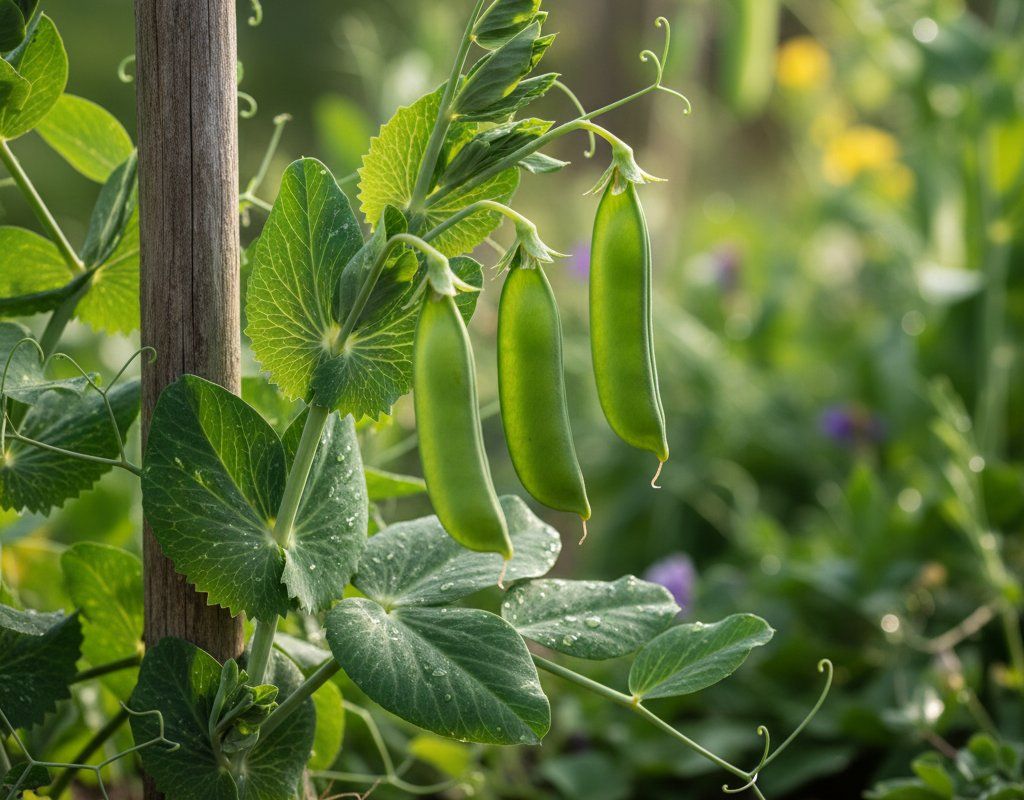
Onions also pair well with tomatoes, helping deter aphids and other soft-bodied insects that plague tomato plants in our warm, dry climate. Avoid planting onions near beans and peas, as onions can inhibit the nitrogen-fixing bacteria these legumes depend on, reducing their productivity in our already nitrogen-challenged California soils.
🌸Best Flowers to Plant with Onion
These flowers protect your Onion from pests and attract pollinators for better harvests.
For Pest Control


For Pollinators

Get a Reminder When It's Time to Plant
We'll email you when key planting windows open for your zone.