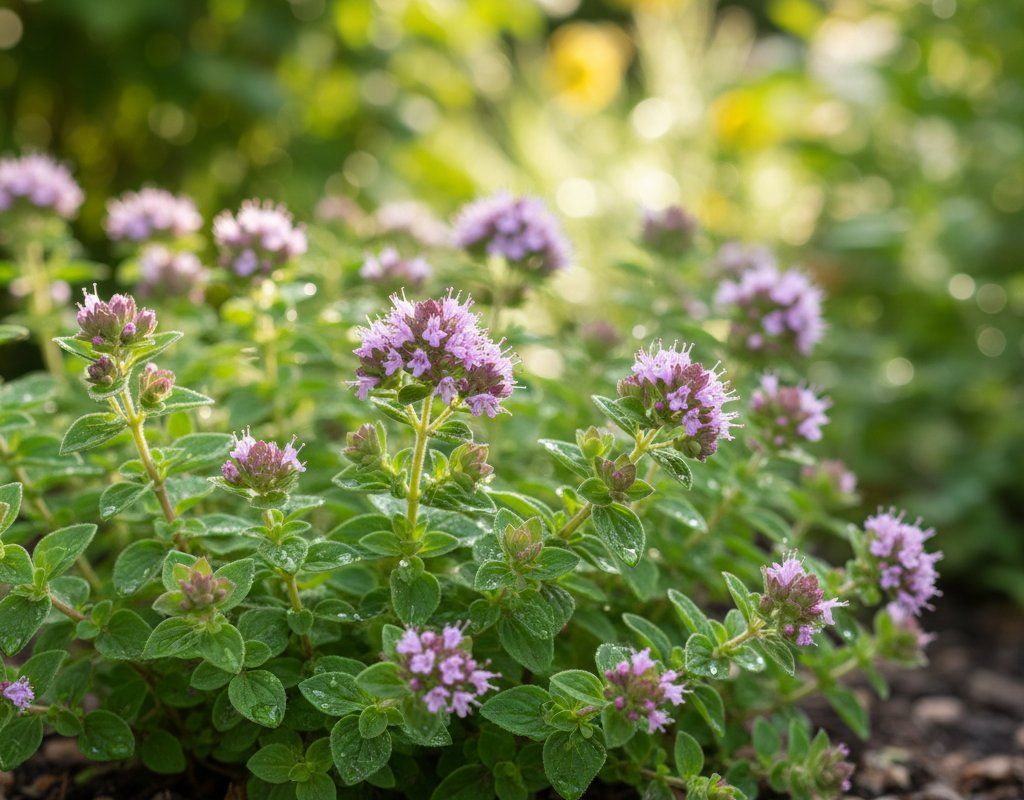
Oregano in Zone 5A — Midwest
Origanum vulgare · Your Complete 2026 Planting Guide
Ideal Time: Start Seeds Indoors!
This is the perfect time for the biggest, best harvest.
Start Seeds Now
- Start seeds in trays or pots with seed-starting mix
- Keep soil moist and warm (70-80°F)
- Transplant outdoors Early May through mid June
Not Starting from Seed?
Buy starts around May 1 — that works great too!
How to Plant Oregano in Zone 5A — Midwest
Here are all your options for getting oregano in the ground, from the easiest method to more advanced approaches.
Buy Starts
RecommendedEarly May through mid June
around May 1
Plant purchased starts after last frost (May 1).
Easy from seed but slow. Starts give faster results.
Start Seeds Indoors
Works WellLate February through mid March
around March 6
Then transplant: Early May through mid June
Start seeds 8-10 weeks before transplanting outdoors.
Direct Sow Seeds
Works WellEarly May through early August
around May 1
Consider succession planting every 2-3 weeks for continuous harvest.
Transplant Outdoors
Timing InfoEarly May through mid June
around May 1
Can tolerate light frost, but wait for soil to be workable.
You have a nice window — no need to rush.
Overview
Oregano is one of the best investments you can make in your Midwest herb garden. This hardy perennial thrives in our Zone 5A conditions, delivering intense flavor that puts store-bought oregano to shame. You'll have fresh oregano for pizza, pasta, and Mediterranean dishes from mid-June through October, and it comes back reliably year after year despite our harsh winters.
While our variable spring weather and occasional summer heat spells can challenge some herbs, oregano actually benefits from the Midwest climate. Our 157-day growing season gives you plenty of time to establish strong plants, and oregano's drought tolerance makes it perfect for those July heat waves when you don't want to fuss with daily watering.
Starting Seeds Indoors
Starting oregano seeds indoors isn't the most common approach since the plants establish slowly, but it can work well if you want to start from seed. Begin sowing from late February through mid-March, about 8 weeks before you plan to transplant outdoors. This timing works with our moderate-to-late spring character, giving seedlings time to develop before the last frost.
Use standard seed-starting trays with a quality seed-starting mix, and keep the soil warm (70-75°F works best). Oregano seeds need light to germinate, so barely cover them with soil. Bottom watering keeps the surface from getting waterlogged while maintaining consistent moisture.
Expect slow germination and growth initially. Most Midwest gardeners find that buying starts gives much faster results, but if you enjoy the seed-starting process or want specific varieties, indoor starting works fine with patience.
Transplanting Outdoors
Transplant your oregano starts outdoors from early May through mid-June, after our last frost risk passes. In the Midwest, "wait until Memorial Day" is solid advice for oregano transplants, though you can push it a week or two earlier if the forecast looks stable.
Harden off your seedlings gradually over one week, starting with a few hours of morning sun and working up to full outdoor exposure. Our spring weather can swing dramatically, so watch for unexpected late cold snaps during this process.
Space plants 12-18 inches apart in full sun with well-draining soil. Oregano doesn't mind our clay soil as long as it drains reasonably well. The spreading growth habit means wider spacing (18 inches) works better for long-term plantings, while closer spacing (12 inches) is fine if you plan to harvest heavily.
Direct Sowing
Direct sowing oregano works well in the Midwest from early May through early August. The extended sowing window gives you flexibility to fill gaps in your garden or start succession plantings. Wait until soil temperatures reach at least 60°F consistently, which usually happens by mid-May here.
Prepare your soil by working in some compost if you have heavy clay, though oregano tolerates our typical Midwest soil conditions well. Sow seeds thinly and barely cover them since they need light to germinate. Keep the soil consistently moist until germination, which takes 7-14 days in warm weather.
Thin seedlings to 12-18 inches apart once they're established. Direct-sown plants will be smaller initially compared to transplants, but they often develop stronger root systems and catch up quickly in our summer heat.
Watering Oregano in Zone 5A (Midwest)
Oregano's drought tolerance makes it one of the easiest herbs to manage in our Midwest climate. Once established, mature plants need very little supplemental watering thanks to our typical 30-40 inches of annual rainfall. In fact, our moderate-to-humid summers often provide more moisture than oregano prefers.
Water deeply but infrequently, allowing soil to dry between waterings. Use the finger test: stick your finger 2 inches into the soil, and only water if it's dry at that depth. During our typical summer weather (highs around 86°F with moderate humidity), established oregano might need just 1/2 inch of water per week beyond rainfall.
Always water at the base rather than overhead, especially given our moderate-to-humid conditions that can encourage fungal issues. Overwatering is actually more common than underwatering here, and it dilutes the essential oils that give oregano its intense flavor. Yellow leaves or mushy stems indicate too much moisture.
A thin layer of organic mulch helps regulate moisture during summer heat spells, but keep it away from the plant base to prevent crown rot. In our wet summers, good drainage matters more than consistent moisture.
Pruning & Maintaining Oregano
Oregano needs minimal pruning, but a few strategic cuts keep your plants productive and compact. Cut back the entire plant by about one-third in midsummer (typically July) to prevent it from getting leggy and to encourage fresh, tender growth for fall harvests.
Regular harvesting throughout the growing season serves as natural pruning, keeping plants bushy and preventing them from flowering too early. Pinch off flower buds as they appear if you want to maximize leaf production, though the flowers are edible too.
In late fall, after our first frost (usually early October), cut plants back to about 2 inches above ground level. This helps prevent disease over winter and makes spring cleanup easier. Don't worry about protecting oregano through our Midwest winters – it's reliably hardy and will emerge vigorously in spring.
🧪Fertilizing Oregano
Feeding Schedule
Organic Fertilizer Options
Harvest Time
You can start harvesting oregano sprigs once plants reach 4-6 inches tall, typically by mid-June in our growing season. The flavor is most intense just before the plants flower, usually in midsummer, but you can harvest continuously through mid-October until our first frost hits.
Cut stems just above a pair of leaves, taking no more than one-third of the plant at any time. This encourages bushy regrowth and keeps your plants productive. Morning harvest, after dew dries but before the heat builds, gives you the most concentrated flavor.
For the best drying oregano, harvest during our dry spells rather than after summer storms. The essential oils are more concentrated when plants haven't been stressed by excess moisture. You can harvest right up until hard frost threatens in early October.
The beauty of oregano is its continuous production throughout our 157-day growing season. Regular harvesting actually improves the plant, so don't be shy about cutting what you need for fresh cooking or preservation.
Common Problems in Zone 5A (Midwest)
Root Rot Yellowing leaves that start from the bottom up, mushy black stems at soil level, and plants that suddenly wilt despite moist soil indicate root rot. Our heavy clay soil and humid summers create perfect conditions for this fungal disease when drainage is poor. Improve drainage by working compost into clay soil, avoid overwatering, and ensure good air circulation between plants. Once root rot starts, it's usually fatal, so prevention is key.
Aphids Look for clusters of tiny soft-bodied insects (green, black, or white) on new growth and leaf undersides, plus sticky honeydew residue and curled leaves. Our warm, humid summers can trigger aphid population explosions, especially when plants are stressed. Spray them off with a strong stream of water daily for a week, encourage beneficial insects like ladybugs, or use insecticidal soap for heavy infestations. Avoid over-fertilizing, which makes plants more attractive to aphids.
Spider Mites Fine stippling on leaves (tiny white dots), webbing on leaf undersides, and bronze-colored foliage signal spider mite damage. These pests thrive during our summer heat spells when humidity drops and plants get drought-stressed. Increase humidity around plants with mulching, spray foliage with water regularly during hot periods, and use neem oil if populations get out of hand. Good airflow helps prevent infestations.
Midwest Specific Challenges Our moderate-to-humid summers and wet-summer rainfall pattern mean moisture-related problems are more common than drought stress with oregano. Focus on drainage and air circulation rather than irrigation, and avoid overhead watering during humid periods to prevent fungal issues.
Best Companions for Oregano
Plant these nearby for healthier Oregano and better harvests.

Keep Away From
Companion Planting Details
Oregano makes an excellent companion for heat-loving vegetables that share its preference for full sun and well-drained soil. Plant it near peppers and tomatoes, where it reportedly helps repel aphids and other pests while thriving in the same growing conditions. The aromatic oils may also enhance the flavor of nearby vegetables.
Oregano also works well with squash and beans, providing ground-level coverage that helps suppress weeds while the larger plants provide some afternoon shade during our summer heat spells. Avoid planting oregano in consistently moist areas where you're growing plants that need frequent watering, as the different moisture requirements don't match well with oregano's drought-tolerant nature.
🌸Best Flowers to Plant with Oregano
These flowers protect your Oregano from pests and attract pollinators for better harvests.
For Pest Control




Get a Reminder When It's Time to Plant
We'll email you when key planting windows open for your zone.