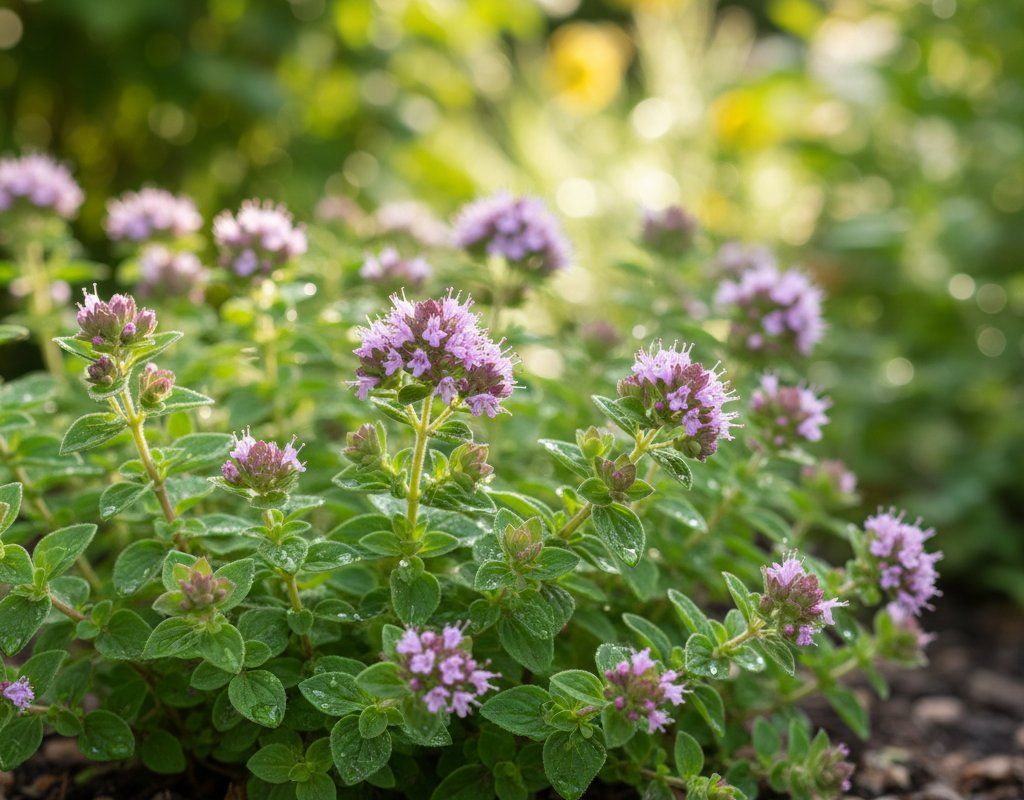
Oregano in Zone 5B — Midwest
Origanum vulgare · Your Complete 2026 Planting Guide
Last Call for Seed Starting!
Indoor seed starting window closes in 10 days.
Start Seeds This Week
Start seeds now for transplanting later.
Or Wait for Starts
If you don’t want to start seeds, starts will be available around April 25.
How to Plant Oregano in Zone 5B — Midwest
Here are all your options for getting oregano in the ground, from the easiest method to more advanced approaches.
Buy Starts
RecommendedLate April through early June
around April 25
Plant purchased starts after last frost (April 25).
Easy from seed but slow. Starts give faster results.
Start Seeds Indoors
Works WellLate February through mid March
around February 28
Then transplant: Late April through early June
Start seeds 8-10 weeks before transplanting outdoors.
Direct Sow Seeds
Works WellLate April through mid August
around April 25
Consider succession planting every 2-3 weeks for continuous harvest.
Transplant Outdoors
Timing InfoLate April through early June
around April 25
Can tolerate light frost, but wait for soil to be workable.
You have a nice window — no need to rush.
Overview
Oregano transforms into something completely different when you grow your own in our Midwest soil. Store-bought oregano tastes flat compared to the intense, piney flavor you get from fresh leaves picked right outside your back door. In our Zone 5B climate with its fertile soil and reliable summer heat, oregano thrives and produces continuously from early summer through our first frost in early October.
Our cold winters and variable spring weather might seem challenging for this Mediterranean herb, but oregano is surprisingly hardy once established. With our 168-day growing season and those summer heat spells that push temperatures into the 80s and 90s, you'll get plenty of time to harvest fresh oregano for pizza sauce, marinades, and drying for winter use. The key is working with our Midwest timing instead of fighting it.
Starting Seeds Indoors
Starting oregano from seed indoors works well if you want the satisfaction of growing from scratch, though it requires patience. Start your seeds in late February through mid-March, about 8 weeks before you plan to transplant outdoors. Oregano seeds are tiny and slow to germinate, often taking 10-14 days even with consistent warmth.
Set up your seed trays in a warm spot (70-75°F works best) and use bottom watering to keep the soil moist without disturbing those small seeds. You'll need grow lights or a sunny south window once they sprout. With our moderate-to-late spring start here in the Midwest, this timing gives your seedlings plenty of time to develop strong roots before heading outdoors.
The main downside is oregano's slow early growth - even healthy seedlings look small for weeks. If you want oregano this season without the wait, buying transplants from the garden center gives you a head start on our relatively short growing season.
Transplanting Outdoors
Move your oregano transplants outdoors from late April through early June, after our last frost risk passes. Even though oregano is fairly hardy, those unexpected late April cold snaps we sometimes get can set back young plants significantly. Wait until nighttime temperatures stay consistently above 45°F.
Harden off your transplants gradually over a week - start with just 2-3 hours outside, then increase daily. Space them 12-18 inches apart since oregano spreads as it grows. Our fertile Midwest soil gives oregano everything it needs, but make sure the planting spot drains well, especially if you're dealing with clay soil.
Store-bought transplants are honestly your best bet for oregano success here. They're already past that slow seedling stage and will start producing harvestable sprigs within a few weeks of transplanting.
Direct Sowing
Direct sowing oregano works in our climate, though it's not the fastest route to harvest. You can sow seeds from late April through mid-August, giving you flexibility if you want to plant successive crops or fill gaps in your herb garden later in the season.
Wait until soil temperatures reach at least 65°F consistently - usually late April or early May here. Prepare a fine seedbed since oregano seeds are small, and barely cover them with soil. Keep the area consistently moist until germination, which takes patience in our variable spring weather.
Space your direct-sown oregano 12-18 inches apart, thinning seedlings if they come up too thick. The main advantage of direct sowing is avoiding transplant shock, but expect to wait longer for your first harvest compared to using transplants.
Watering Oregano in Zone 5B (Midwest)
Oregano needs surprisingly little water once established, which works perfectly with our moderate-to-humid Midwest summers. After the first month, you can often rely on natural rainfall during our wet summer season. With our typical 30-40 inches of annual precipitation, oregano rarely needs supplemental watering except during those occasional drought spells.
Check soil moisture using the finger test - stick your finger 2 inches down, and only water if it feels dry. During our summer heat spells when temperatures climb into the upper 80s and 90s, you might need to water once a week, giving plants about an inch of water at soil level. Avoid overhead watering in our humid conditions since wet leaves can encourage fungal problems.
Overwatering actually hurts oregano's flavor by diluting the essential oils that give it that distinctive taste. Yellow leaves or mushy stems signal too much moisture, while gray-green, slightly droopy leaves usually mean the plant needs a drink. A thin layer of mulch helps retain moisture during hot spells while preventing our frequent summer rains from splashing soil onto the leaves.
In our clay-heavy soils, drainage becomes extra important. If water pools around your oregano after summer thunderstorms, consider mounding the soil or adding compost to improve drainage.
Pruning & Maintaining Oregano
Oregano requires minimal pruning but benefits from a mid-summer trim to keep plants productive. When your plants reach 6-8 inches tall, usually by mid-July, cut them back by about one-third. This prevents flowering and encourages fresh, tender growth that has the best flavor for cooking.
Pinch off any flower buds as they appear - oregano flowers are pretty but letting them develop reduces leaf quality. Regular harvesting naturally keeps plants compact, but if you notice your oregano getting woody or sparse in the center, a more aggressive trim helps rejuvenate it.
Before our first frost in early October, cut plants back to about 2 inches above ground level. This helps them channel energy into their roots for winter survival and makes spring cleanup easier when new growth emerges.
🧪Fertilizing Oregano
Feeding Schedule
Organic Fertilizer Options
Harvest Time
Your first oregano harvest typically arrives in early June, about 45 days after transplanting or 60-70 days from seed. Start harvesting when plants reach 4-6 inches tall - cut individual sprigs just above a pair of leaves to encourage branching.
The most flavorful oregano comes from plants harvested just before they flower, usually in mid to late summer when our heat really kicks in. Morning harvest gives you the most intense flavor since the essential oils haven't been diminished by afternoon heat. Cut stems 4-6 inches long, taking no more than one-third of the plant at once.
Oregano produces continuously through our growing season, so you can harvest weekly from established plants. The flavor actually intensifies during our summer heat spells - those 90°F days that stress other herbs make oregano more aromatic. Keep cutting regularly to prevent flowering and maintain tender new growth.
As early October approaches and first frost threatens, harvest heavily to preserve oregano for winter use. Cut entire stems for drying, or strip leaves to freeze. Well-established plants often survive our Zone 5B winters and return stronger the following spring.
Common Problems in Zone 5B (Midwest)
Root Rot Oregano stems turn black at the base, leaves yellow from the bottom up, and plants collapse despite adequate moisture. Our heavy clay soils and wet summers create perfect conditions for this fungal problem, especially in poorly draining spots. Prevention works better than treatment - plant oregano in raised beds or mounded soil, and avoid watering late in the day when our humid nights keep soil soggy. If root rot strikes, remove affected plants immediately and improve drainage before replanting.
Aphids Look for clusters of tiny green, black, or white insects on stems and leaf undersides, plus sticky honeydew residue and curled new growth. Our warm, humid summers create ideal conditions for aphid population explosions, and they're often farmed by ants. Blast them off with a strong water spray early morning or evening. Encourage ladybugs and lacewings in your garden - they're natural predators that help control populations. For severe infestations, insecticidal soap works well, but avoid using it during our hottest summer days.
Spider Mites Fine white stippling on leaves and thin webbing on undersides signals spider mite damage. These tiny pests thrive during our summer heat spells, especially if plants become drought-stressed. Daily water sprays for a week usually control them better than pesticides. Increase humidity around plants during hot, dry periods. Our moderate-to-humid summers generally keep populations in check, but watch for problems during extended dry spells in July and August.
Midwest Specific Challenges: Our combination of moderate-to-hot summers with moderate-to-humid conditions and wet-summer rainfall means oregano faces more fungal pressure than in drier climates, but fewer drought stress issues. Focus on good air circulation and drainage rather than intensive watering schedules.
Best Companions for Oregano
Plant these nearby for healthier Oregano and better harvests.

Keep Away From
Companion Planting Details
Oregano makes an excellent companion for peppers, tomatoes, and squash in Midwest gardens. Plant it near pepper plants - oregano's strong scent helps deter aphids and flea beetles that commonly attack peppers during our humid summers. The aromatic oils also seem to improve the flavor of nearby tomatoes, plus oregano's low water needs complement tomatoes perfectly during our variable rainfall patterns.
Beans and oregano work well together since beans fix nitrogen that oregano uses moderately, and oregano's spreading habit provides living mulch that keeps bean roots cool during summer heat spells. Avoid planting oregano too close to moisture-loving herbs like basil - their different watering needs don't match well in our wet-summer climate, and oregano's vigorous spreading habit can crowd out less aggressive plants.
🌸Best Flowers to Plant with Oregano
These flowers protect your Oregano from pests and attract pollinators for better harvests.
For Pest Control



Get a Reminder When It's Time to Plant
We'll email you when key planting windows open for your zone.