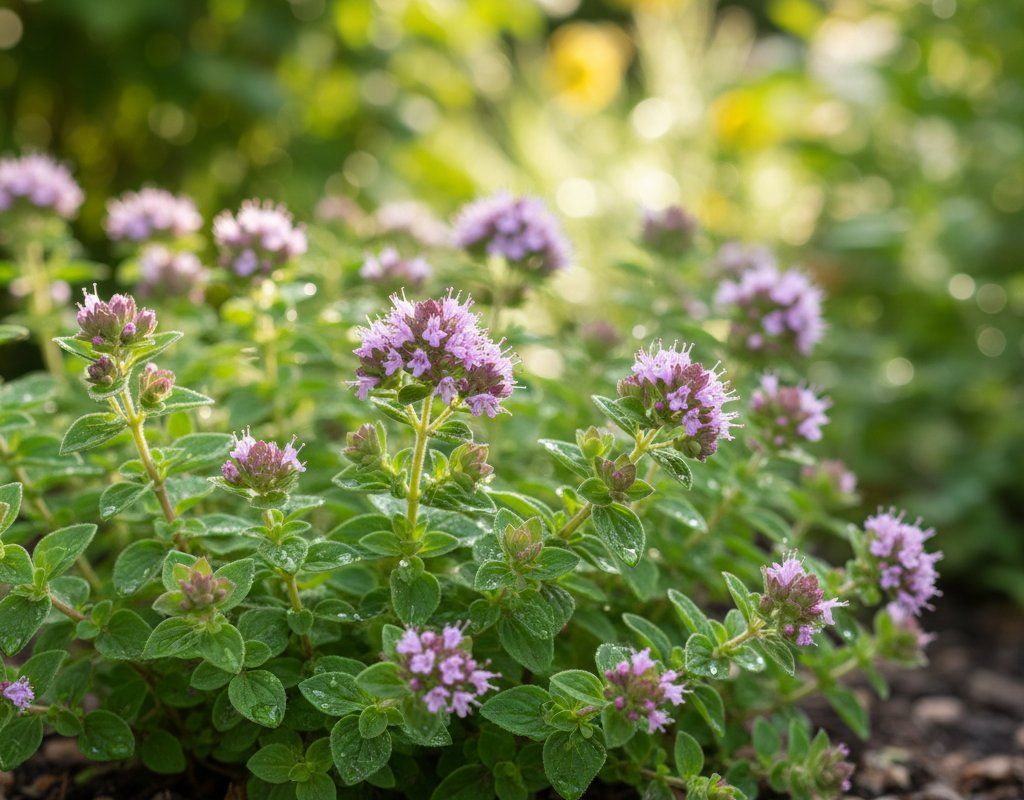
Oregano in Zone 6A — Mountain West
Origanum vulgare · Your Complete 2026 Planting Guide
Ideal Time: Start Seeds Indoors!
This is the perfect time for the biggest, best harvest.
Start Seeds Now
- Start seeds in trays or pots with seed-starting mix
- Keep soil moist and warm (70-80°F)
- Transplant outdoors Early May through mid June
Not Starting from Seed?
Buy starts around May 1 — that works great too!
How to Plant Oregano in Zone 6A — Mountain West
Here are all your options for getting oregano in the ground, from the easiest method to more advanced approaches.
Buy Starts
RecommendedEarly May through mid June
around May 1
Plant purchased starts after last frost (May 1).
Easy from seed but slow. Starts give faster results.
Start Seeds Indoors
Works WellLate February through mid March
around March 6
Then transplant: Early May through mid June
Start seeds 8-10 weeks before transplanting outdoors.
Direct Sow Seeds
Works WellEarly May through early August
around May 1
Consider succession planting every 2-3 weeks for continuous harvest.
Transplant Outdoors
Timing InfoEarly May through mid June
around May 1
Can tolerate light frost, but wait for soil to be workable.
You have a nice window — no need to rush.
Overview
Oregano transforms from that dried-up jar spice into a powerhouse of Mediterranean flavor when you grow it fresh in our Mountain West gardens. Here at high altitude, oregano thrives in our intense sun and low humidity, developing concentrated essential oils that make store-bought herbs taste like dust in comparison. The plant's natural drought tolerance matches perfectly with our dry climate, and those cool Mountain nights actually intensify the flavor compounds.
Our short 153-day growing season and late springs might seem challenging for herbs, but oregano is surprisingly forgiving. This hardy perennial handles our temperature swings better than most tender herbs, and once established, it practically takes care of itself through our dry summers. The key is getting your timing right and working with our unique Mountain conditions rather than fighting them.
Starting Seeds Indoors
Starting oregano from seed indoors makes sense if you want multiple plants or specific varieties not available as starts. Begin seeds in late February through mid-March, about 8 weeks before our last frost window. You'll need consistent warmth (70-75°F) for good germination, which can be tricky in our still-cold Mountain homes.
Set up seed trays with quality seed-starting mix and bottom water to avoid disturbing the tiny seeds. Oregano seeds need light to germinate, so barely press them into the soil surface. A heat mat helps significantly in our chilly late winter months. Once seedlings emerge, they need bright light - either a sunny south window or grow lights for 12-14 hours daily.
Keep in mind that oregano grows slowly from seed compared to other herbs. If you want oregano this season and it's already mid-March, buying starts will get you harvesting much sooner in our abbreviated growing season.
Transplanting Outdoors
Transplant oregano starts outdoors from early May through mid-June, after our soil has warmed and the threat of hard frost has passed. These plants handle light frost just fine, but a week of hardening off helps them adjust to our intense UV and dramatic day-night temperature swings that can shock tender indoor-grown plants.
Space plants 12-18 inches apart - oregano spreads as it matures, and good air circulation prevents issues in our low-humidity climate. Choose your sunniest spot since oregano needs 6-8 hours of direct sun daily to develop those flavorful oils. Our intense Mountain sun actually benefits oregano more than it stresses it, unlike more delicate herbs.
Plant when soil temperatures consistently reach 50°F or higher, usually by mid-May in most Mountain areas. If you're planting later in the season (into June), oregano establishes quickly enough to give you a full harvest before our early October frosts arrive.
Direct Sowing
Direct sowing oregano works well in our Mountain climate, especially for succession plantings through the season. Sow seeds from early May through early August, giving you continuous harvests until frost. The main advantage is avoiding transplant shock, though germination can be spotty outdoors.
Prepare your soil well since oregano seeds are tiny and need good seed-to-soil contact. Work compost into the top few inches and rake smooth. Scatter seeds lightly and barely cover - they need some light to germinate. Keep the soil consistently moist (not soggy) until germination, which takes 7-14 days in our cool spring soils.
Space plantings 12-18 inches apart, thinning seedlings as needed. Late spring sowings (May-June) establish faster in warmer soil, while mid-summer sowings take advantage of our warm nights for steady growth. Just remember that August-sown plants will be smaller going into winter, though they'll overwinter fine in most Mountain areas.
Watering Oregano in Zone 6A (Mountain West)
Oregano's drought tolerance makes it nearly perfect for our dry Mountain climate, but establishment watering is still crucial. Water newly planted or seeded oregano regularly for the first 3-4 weeks until roots spread into surrounding soil. After that, you can back off significantly - oregano actually prefers slightly dry conditions.
Once established, oregano needs only about 1/2 inch of water per week, including rainfall. In our typical 10-20 inch annual precipitation, you'll need to supplement during our dry summers, but less than most vegetables. Check soil moisture with the finger test - if it's dry 2 inches down, it's time to water. In our low humidity and intense sun, surface soil looks dry long before plants actually need water.
Water at the base rather than overhead to prevent issues with our low humidity quickly drying leaves. This concentrated watering encourages deep root growth, making plants even more drought-tolerant. Overwatering actually dilutes oregano's essential oils, giving you bland flavor - another reason our naturally dry climate works perfectly.
A thin layer of organic mulch helps retain soil moisture and keeps roots cool during our warm summer days, but don't pile it thick since oregano prefers well-drained conditions. Signs of overwatering include yellowing leaves and weak growth, while underwatered plants simply grow more slowly but maintain intense flavor.
Pruning & Maintaining Oregano
Oregano needs minimal pruning, but a midsummer trim keeps plants compact and productive. Cut back by about one-third in mid to late July, removing any flower buds that form. This encourages fresh, tender growth for late summer harvests and prevents the plant from getting woody or sprawling too much.
Regular harvesting is actually the best "pruning" for oregano. Cut stems just above a pair of leaves to encourage branching. The more you harvest, the bushier and more productive your plant becomes. Avoid cutting more than one-third of the plant at any single time during the growing season.
In late fall, after our first frost (usually early October), cut oregano back to about 2 inches above ground level. This helps prevent snow damage and encourages strong spring growth. Don't worry about being too aggressive - oregano is extremely hardy and will bounce back vigorously next season.
🧪Fertilizing Oregano
Feeding Schedule
Organic Fertilizer Options
Harvest Time
Expect your first oregano harvest by mid-June if you transplanted in early May, or about 45 days after direct seeding. Start harvesting when plants reach 4+ inches tall by cutting individual stems just above a leaf pair. This encourages branching and keeps new growth coming all season long.
The most intense flavor develops just before the plant flowers, typically in mid to late summer. You'll notice flower buds forming at stem tips - harvest heavily at this stage for the best culinary oregano. However, you can harvest sprigs anytime the plant has adequate growth, and regular cutting actually improves flavor by keeping growth young and tender.
Cut stems in the morning after dew dries but before the day gets too hot and intense in our Mountain sun. Take stems that are 4-6 inches long, cutting just above where two leaves emerge from the main stem. This technique ensures continued production right up until our first frost in early October.
Fresh oregano can be used immediately, dried for winter storage, or frozen in ice cubes with olive oil. Since oregano is perennial in our zone, established plants will provide harvests for years, getting more productive as they mature and spread.
Common Problems in Zone 6A (Mountain West)
Root Rot What it looks like: Yellowing leaves starting from the bottom up, wilting despite moist soil, and stems that feel soft or mushy at the base. Plants may suddenly collapse or die back in sections. What causes it: Overwatering or poor drainage, especially common in our clay soils that don't drain well during spring snowmelt or summer thunderstorms. Cool, wet spring conditions can trigger fungal problems. How to fix it: Improve drainage immediately by adding compost or coarse sand to heavy soils. Water less frequently but more deeply. If caught early, cut away affected parts and improve soil drainage. Prevention is key - oregano much prefers slightly dry conditions than wet feet.
Aphids What it looks like: Clusters of tiny green, black, or white insects on stems and undersides of leaves. You'll see sticky honeydew residue and curled or distorted new growth, especially on tender shoot tips. What causes it: These sap-sucking insects multiply rapidly in warm weather and are often tended by ant colonies. Our intense Mountain sun can stress plants, making them more susceptible to aphid attacks. How to fix it: Blast them off with a strong stream of water daily for a week. Encourage beneficial insects like ladybugs by avoiding broad-spectrum pesticides. For heavy infestations, use insecticidal soap or neem oil. Avoid high-nitrogen fertilizers that create lush growth aphids love.
Spider Mites What it looks like: Fine stippling on leaves that looks like tiny white dots, fine webbing on leaf undersides and between stems, and leaves that turn bronze or yellow despite adequate watering. What causes it: These microscopic arachnids thrive in our hot, dry Mountain conditions. Low humidity and drought stress make plants particularly vulnerable to spider mite explosions. How to fix it: Increase humidity around plants with mulch and regular (not excessive) watering. Daily strong water sprays for a week disrupts their life cycle. Neem oil or insecticidal soap helps, but avoid broad-spectrum pesticides that kill beneficial predatory mites.
Mountain West Specific Challenges: Our low humidity and intense UV can stress oregano enough to make it susceptible to pests, while our alkaline soils sometimes cause nutrient uptake issues that weaken plants. However, oregano generally thrives in our conditions - most problems come from overwatering rather than our naturally dry climate.
Best Companions for Oregano
Plant these nearby for healthier Oregano and better harvests.

Keep Away From
Companion Planting Details
Oregano makes an excellent companion for warm-season vegetables that share its love of sun and well-drained soil. Plant it near peppers, tomatoes, and squash where its aromatic compounds may help deter pests while you harvest fresh herbs for cooking those same vegetables. The spreading growth habit fills in nicely around taller plants, and oregano's drought tolerance means it won't compete heavily for water with your thirsty summer crops.
Beans also pair well with oregano since both prefer similar soil conditions and moderate watering. Oregano's perennial nature means it stays put year after year while you rotate annual crops around it. Avoid planting it directly next to moisture-loving herbs like basil or cilantro, since their different watering needs can create management challenges in our dry Mountain climate.
🌸Best Flowers to Plant with Oregano
These flowers protect your Oregano from pests and attract pollinators for better harvests.
For Pest Control



Get a Reminder When It's Time to Plant
We'll email you when key planting windows open for your zone.