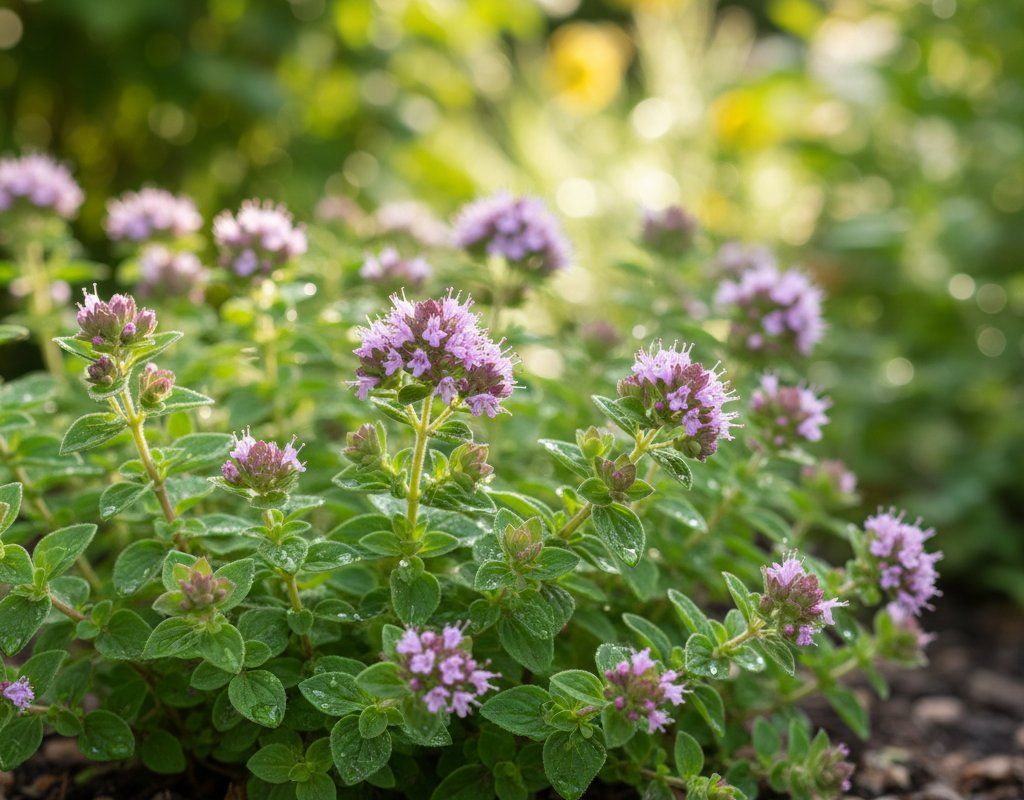
Oregano in Zone 6B — Southeast
Origanum vulgare · Your Complete 2026 Planting Guide
Missed Seed Starting? No Problem!
Wait for starts to become available.
What to Do
Starts will be available at nurseries in 32 days (around April 5).
How to Plant Oregano in Zone 6B — Southeast
Here are all your options for getting oregano in the ground, from the easiest method to more advanced approaches.
Buy Starts
RecommendedEarly April through mid May
around April 5
Plant purchased starts after last frost (April 5).
Easy from seed but slow. Starts give faster results.
Start Seeds Indoors
Works WellEarly to late February
around February 8
Then transplant: Early April through mid May
Start seeds 8-10 weeks before transplanting outdoors.
Direct Sow Seeds
Works WellEarly April through early September
around April 5
Consider succession planting every 2-3 weeks for continuous harvest.
Transplant Outdoors
Timing InfoEarly April through mid May
around April 5
Can tolerate light frost, but wait for soil to be workable.
You have a nice window — no need to rush.
Overview
Oregano deserves a spot in every Southeast garden — it's one of the easiest herbs to grow in our hot, humid summers and delivers that bold Mediterranean flavor you simply can't buy in stores. Fresh oregano transforms pizza, pasta, and grilled vegetables with an intensity that dried versions can't match. In Zone 6B, you'll appreciate how this hardy perennial shrugs off our temperature swings and keeps producing through our long growing season.
While our humid summers and clay soil can challenge some herbs, oregano actually thrives in our Southeast conditions once you get the timing right. Your 208-day growing season means you can harvest fresh oregano from late spring well into fall, and this drought-tolerant herb won't demand constant attention during those scorching July afternoons when you'd rather stay indoors.
Starting Seeds Indoors
Starting oregano from seed indoors isn't the most common approach, but it makes sense if you want specific varieties or enjoy the full seed-to-harvest experience. Start your seeds in early to late February, about 8 weeks before your last frost, giving them time to develop strong root systems before transplanting.
Set up seed trays with good drainage and keep them at 65-70°F for best germination. Our moderate spring weather means you won't need to rush the hardening process like gardeners in harsher climates. Use bottom watering to prevent fungal issues — oregano seedlings can be sensitive to too much moisture on their leaves in our humid conditions.
Be patient with oregano seeds — they germinate slowly and the seedlings grow at a leisurely pace. Many Southeast gardeners find that buying transplants saves weeks of waiting, especially since oregano plants are widely available at local nurseries by early April.
Transplanting Outdoors
Transplant oregano outdoors from early April through mid-May, after your last frost risk passes. In Zone 6B Southeast, early to mid-April usually provides the sweet spot — warm enough for good root establishment but cool enough to avoid transplant shock.
Harden off your plants gradually over a week, starting with a few hours of morning sun and building up to full outdoor exposure. Space transplants 12-18 inches apart — oregano spreads as it matures, and good air circulation helps prevent fungal problems in our humid climate. Choose a spot with excellent drainage since oregano hates wet feet, especially important if you're dealing with our typical clay soil.
The advantage of transplants becomes obvious during those unpredictable April weather swings we're known for. Established plants handle cool nights and warm days better than tender seedlings, and you'll be harvesting fresh oregano by mid-May instead of waiting for direct-sown seeds to catch up.
Direct Sowing
Direct sowing oregano works well in the Southeast, though it requires patience since the seeds take their time germinating and establishing. Sow from early April through early September, taking advantage of our long growing season and reliable summer moisture from afternoon thunderstorms.
Prepare your soil by working in compost to improve drainage — oregano won't tolerate soggy clay soil, common in our region. Wait until soil temperatures reach 65-70°F consistently, usually by mid-April. Scatter seeds lightly on the surface and barely cover them, as oregano seeds need light to germinate properly.
Space your plantings 12-18 inches apart, thinking ahead to the mature plant size. Spring sowings will give you the longest harvest period, but you can succession plant through summer for continuous fresh growth. Just remember that summer-sown seeds will need extra attention during hot spells until they're established.
Watering Oregano in Zone 6B (Southeast)
Oregano's drought tolerance makes it perfect for our Southeast summers once established, but getting the watering right is crucial for both flavor and plant health. In our wet-summer climate with 45-55 inches of annual rainfall, overwatering is more common than underwatering — those afternoon thunderstorms can keep soil too moist for oregano's liking.
Water deeply but infrequently, allowing soil to dry between waterings. Use the finger test: stick your finger 2 inches into the soil, and only water if it feels dry at that depth. During typical summer weeks with regular rain, you might not need to water at all. In drought periods, about 1 inch per week is plenty — less than most vegetables need.
Always water at the base of the plant rather than overhead, especially important in our humid conditions where wet foliage invites fungal problems. Signs of overwatering include yellowing lower leaves and weak, leggy growth, while severely underwatered plants will have brittle, gray-green foliage. A thin layer of mulch helps moderate soil moisture and keeps roots cool during those 92°F summer days, but don't pile it against the stems.
The key is remembering that stressed oregano actually produces more flavorful oils — plants that struggle slightly in well-drained soil will have more intense flavor than pampered, overwatered specimens growing in rich, moist conditions.
Pruning & Maintaining Oregano
Oregano needs minimal pruning to stay productive and healthy through our long Southeast growing season. The main job is cutting plants back by about one-third in midsummer, typically mid-July, to prevent them from getting woody and to encourage fresh, tender growth for late-season harvests.
Regular harvesting serves as natural pruning — clip stems just above a pair of leaves to encourage branching. Remove any flower buds as they appear unless you want to save seeds, since flowering reduces leaf quality and flavor. The plants will try to bloom throughout our extended warm season, so stay vigilant about pinching those buds.
In late fall, around mid to late October before your first hard frost, cut the entire plant back to about 2 inches above ground level. This helps prevent fungal problems over winter and ensures vigorous new growth the following spring. Don't worry about being gentle — oregano is tough and will bounce back stronger after a good haircut.
🧪Fertilizing Oregano
Feeding Schedule
Organic Fertilizer Options
Harvest Time
Your first oregano harvest will be ready from mid-May through early November in Zone 6B, with the 45-day maturity timeline starting from transplant date. Begin harvesting when plants reach 4 inches tall, cutting stems just above a leaf pair to encourage continued growth and bushier plants.
The best flavor comes just before the plant flowers, when essential oils are most concentrated in the leaves. Look for sturdy stems with bright green, aromatic foliage — if you brush the leaves and get a strong oregano scent, you're ready to harvest. Cut stems in the morning after dew dries but before the heat of the day reduces oil content.
Harvest continuously throughout our long growing season by taking what you need and leaving the rest to keep growing. You can cut up to one-third of the plant at a time without stressing it. Regular harvesting actually improves the plant by preventing it from going to seed and becoming woody.
As your first frost approaches in late October, plan a final major harvest. Cut stems down to about 2 inches above the crown — the plant will die back naturally, but you'll have captured the last of the season's flavor. Fresh oregano freezes well in ice cube trays with olive oil, preserving that garden-fresh taste through winter.
Common Problems in Zone 6B (Southeast)
Root Rot Yellowing leaves starting from the bottom, soft or black roots, and plants that wilt despite moist soil signal root rot. In the Southeast, this usually happens when oregano sits in our clay soil that doesn't drain well, especially during periods of heavy summer rainfall and high humidity. Improve drainage by working compost into clay soil before planting, choose slightly elevated spots, and resist the urge to water during our naturally wet periods. If caught early, you can sometimes save plants by improving drainage and cutting back on watering.
Aphids Look for clusters of tiny green, black, or white insects on stem tips and leaf undersides, plus sticky honeydew residue and curled new growth. These sap-suckers multiply rapidly in our warm, humid conditions and often appear when plants are stressed by too much nitrogen or inconsistent watering. Blast them off with a strong water spray from your hose, encourage beneficial insects like ladybugs, and use insecticidal soap for heavy infestations. Avoid high-nitrogen fertilizers that make plants more attractive to aphids.
Spider Mites Fine white stippling on leaves, bronze or yellowing foliage, and tiny webs on leaf undersides indicate spider mites. These microscopic pests explode in hot, dry conditions — even in our humid climate, they can be problematic during drought periods or if plants are stressed. Increase humidity around plants with regular water sprays, ensuring good air circulation to prevent fungal issues. Daily strong water sprays for a week often control minor infestations better than chemical treatments.
Southeast Specific Challenges: Our hot, humid summers with heavy clay soil create perfect conditions for fungal problems if oregano doesn't have excellent drainage. The combination of afternoon thunderstorms and 92°F days means you'll need to focus more on preventing overwatering and ensuring air circulation than drought stress, unlike gardeners in drier climates.
Best Companions for Oregano
Plant these nearby for healthier Oregano and better harvests.

Keep Away From
Companion Planting Details
Oregano makes an excellent companion for warm-season vegetables that thrive in our Southeast heat. Plant it near tomatoes, peppers, and squash — the oregano's strong scent helps repel common pests like aphids and spider mites that plague these crops during our humid summers. The herb's low water needs complement these vegetables well once established, and its spreading habit provides living mulch that keeps soil cool during scorching afternoons.
Oregano also pairs beautifully with beans, where its pest-deterrent properties shine and the beans' nitrogen-fixing ability benefits the herb without encouraging excessive leafy growth that dilutes flavor. Avoid planting oregano with moisture-loving herbs like basil or parsley, as their different watering needs will create management headaches in our variable rainfall climate. The oregano's drought tolerance and the others' need for consistent moisture don't mesh well in our feast-or-famine summer weather patterns.
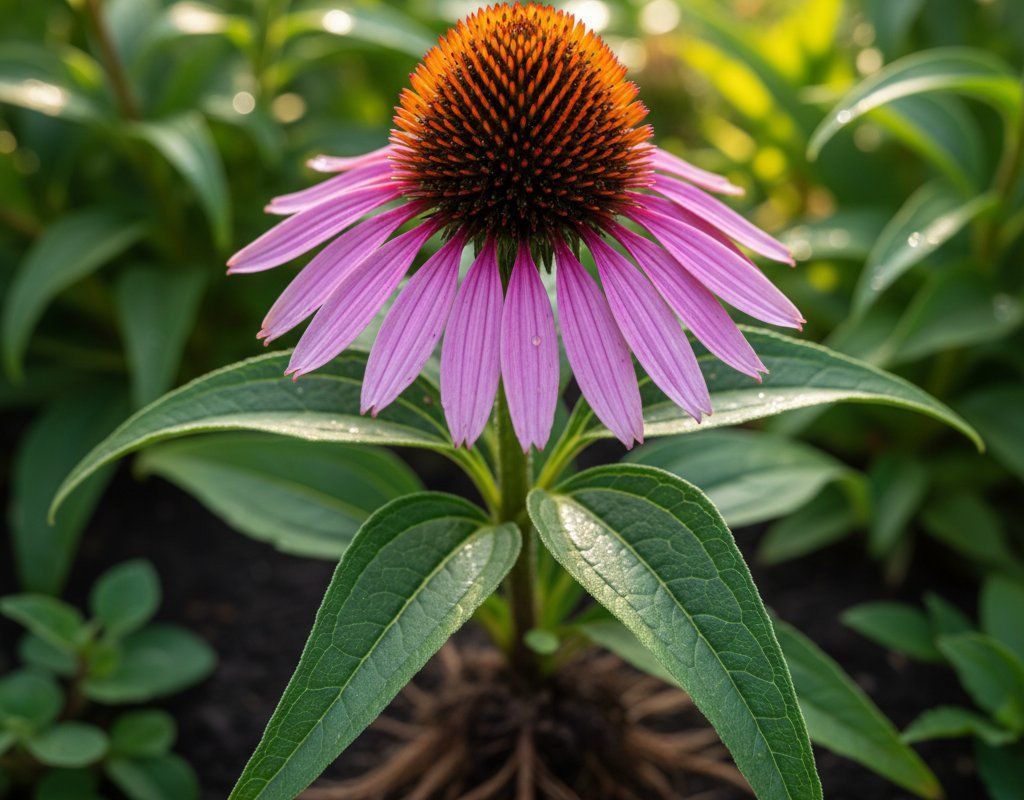
🌸Best Flowers to Plant with Oregano
These flowers protect your Oregano from pests and attract pollinators for better harvests.
For Pest Control



Get a Reminder When It's Time to Plant
We'll email you when key planting windows open for your zone.