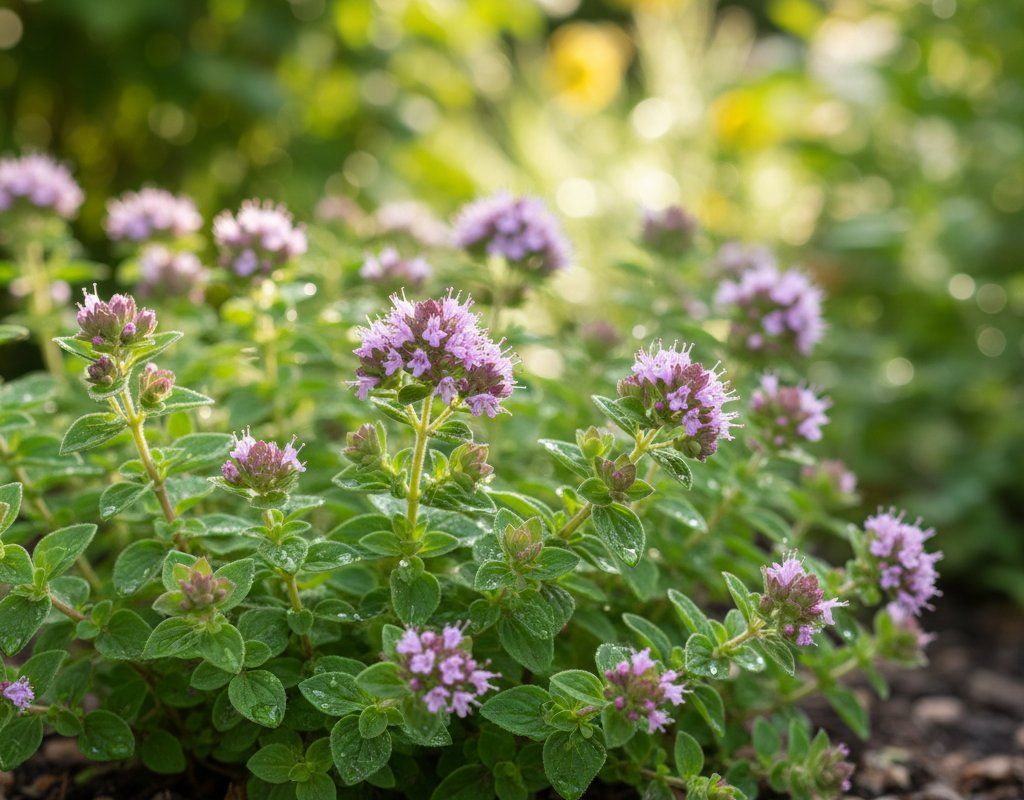
Oregano in Zone 7A — Desert Southwest
Origanum vulgare · Your Complete 2026 Planting Guide
Missed Seed Starting? No Problem!
Wait for starts to become available.
What to Do
Starts will be available at nurseries in 21 days (around March 25).
How to Plant Oregano in Zone 7A — Desert Southwest
Here are all your options for getting oregano in the ground, from the easiest method to more advanced approaches.
Buy Starts
RecommendedLate March through early May
around March 25
Plant purchased starts after last frost (March 25).
Easy from seed but slow. Starts give faster results.
Start Seeds Indoors
Works WellLate January through mid February
around January 28
Then transplant: Late March through early May
Start seeds 8-10 weeks before transplanting outdoors.
Direct Sow Seeds
Works WellLate March through mid September
around March 25
Consider succession planting every 2-3 weeks for continuous harvest.
Transplant Outdoors
Timing InfoLate March through early May
around March 25
Can tolerate light frost, but wait for soil to be workable.
You have a nice window — no need to rush.
Overview
Oregano is one of the most rewarding herbs you can grow in the Desert Southwest, delivering that authentic Mediterranean flavor that store-bought versions simply can't match. This hardy perennial thrives in our hot, dry climate once established, and its drought tolerance makes it perfect for water-wise desert gardening. You'll have fresh oregano for pizza sauce, Greek dishes, and herb blends from early spring through late fall.
Our extreme heat and low humidity can stress many herbs, but oregano actually prefers these conditions once it gets going. With our 230-day growing season and two distinct planting windows, you can establish oregano in spring and enjoy harvests well into November. The key is getting your timing right and managing water carefully during establishment.
Starting Seeds Indoors
Starting oregano from seed indoors gives you more variety choices than transplants, though it's not the fastest route to harvest. You'll want to start seeds in late January through mid-February, about 8 weeks before your last frost window. Our very early spring character means you can transplant earlier than many regions, so don't start too early or your seedlings will outgrow their containers.
Set up seed trays in a warm spot (65-70°F) with good light once they germinate. Bottom watering works best for oregano seedlings since it prevents damping off in our low humidity. The seeds are tiny and can take 2-3 weeks to germinate, so be patient. Once they have their first true leaves, thin to the strongest seedlings.
Transplanting Outdoors
Transplant your oregano starts outdoors from late March through early May, after our typical last frost period passes. Even though oregano is fairly hardy, those late-season temperature swings we get in spring can stress young plants. A week of hardening off helps them adjust to our intense sun and dry air.
Space transplants 12-18 inches apart to allow for their spreading growth habit. In the Desert Southwest, give them morning sun with some afternoon protection if possible, especially during their first season. Our spring weather can jump from mild to hot quickly, so keep newly transplanted oregano well-watered until you see strong new growth.
Direct Sowing
Direct seeding oregano works well in our climate, though germination can be slower than starting indoors. You can sow from late March through mid-September, taking advantage of both our spring and fall growing windows. The seeds need soil temperatures around 65-70°F to germinate reliably.
Prepare your soil by working in some compost to improve drainage - oregano hates wet feet, especially in our heavy clay or caliche soils. Scatter the tiny seeds thinly and barely cover them with a light dusting of soil. Keep the seeded area consistently moist (not wet) until germination, which can take 2-3 weeks. Thin seedlings to 12-18 inches apart once they're established.
Watering Oregano in Zone 7A (Desert Southwest)
Oregano is one of those Mediterranean herbs that actually prefers our dry conditions once established, but getting there requires some careful water management. During the first month after planting, keep the soil consistently moist but not soggy - use the finger test and water when the top 2 inches feel dry. Our low humidity means water evaporates quickly, so you'll likely water every 2-3 days initially.
Once established (usually by 4-6 weeks), oregano becomes remarkably drought tolerant. In spring and fall, you might only water once a week with about half an inch of water. During our extreme summer heat, even drought-tolerant plants need help - water twice weekly but reduce to just enough to keep the soil from completely drying out. Always water at the base rather than overhead to avoid foliar diseases in our humid monsoon season.
Watch for signs of overwatering, which are more common than drought stress: yellowing leaves, mushy stems, or a generally unhealthy look. Oregano grown too wet produces weak, flavorless leaves. During monsoon season, make sure your oregano has excellent drainage - consider raised beds or containers if your soil holds water.
A light mulch helps conserve moisture during our hot months, but keep it pulled back from the stem base to prevent rot issues during monsoons. In winter, oregano needs very little supplemental water unless we're having an unusually dry year.
Pruning & Maintaining Oregano
Oregano needs minimal pruning, but a few strategic cuts keep your plants productive and compact. In midsummer, when the heat gets extreme, cut back about one-third of the growth to encourage fresh, tender shoots. This also prevents the plant from getting woody and helps it channel energy into flavorful new growth rather than surviving the heat stress.
Regular harvesting throughout the season acts as pruning - cut stems just above a leaf pair to encourage branching. Remove any flower buds as they appear if you want the strongest leaf flavor, though oregano flowers are edible and attract beneficial insects to your garden.
In late fall, around early November when first frost threatens, cut your oregano back to about 2 inches above ground level. This helps the plant focus energy into the root system for winter survival and ensures vigorous spring growth.
🧪Fertilizing Oregano
Feeding Schedule
Organic Fertilizer Options
Harvest Time
Your first oregano harvest will be ready from early May through mid-November, with the strongest flavor developing after about 45 days from transplant. You can start snipping small amounts once plants reach 4 inches tall, but the best flavor comes just before the plant flowers - that's when the essential oils are most concentrated.
Harvest in the morning after the dew dries but before the day gets hot. Cut stems just above a leaf pair, which encourages the plant to branch and produce more harvestable growth. Take no more than one-third of the plant at any one cutting to keep it healthy and productive.
The beauty of oregano is continuous harvest - the more you cut, the more it produces. During our mild fall weather, oregano often has a second surge of growth with excellent flavor. Keep harvesting right up until first frost in early November, then dry or freeze your final harvest.
Fresh oregano is much more potent than dried, so start with less than recipes call for. The flavor is most intense in younger leaves and shoots - older, woodier stems become bitter and tough.
Common Problems in Zone 7A (Desert Southwest)
Root Rot Your oregano leaves turn yellow from the bottom up, stems become mushy or black at soil level, and the whole plant looks wilted despite moist soil. This fungal disease thrives in our heavy clay soils or during monsoon season when drainage is poor. Our alkaline soil and caliche hardpan make drainage problems worse. Improve soil drainage with compost or plant in raised beds. Water only when the top 2 inches of soil are dry, and always water at the base. Remove affected plants immediately to prevent spread.
Aphids You'll see clusters of tiny green, black, or white insects on stem tips and leaf undersides, often with sticky honeydew residue and curled new growth. These sap-sucking pests explode in population during our warm spring weather, and ant colonies often farm them. A strong water spray knocks them off effectively - repeat daily for a week. Encourage ladybugs and lacewings by avoiding broad-spectrum pesticides. For heavy infestations, use insecticidal soap or neem oil. Avoid high-nitrogen fertilizers that make plants more attractive to aphids.
Spider Mites Fine white stippling appears on leaves, followed by bronze or yellow discoloration and fine webbing on leaf undersides. These microscopic pests thrive in our hot, dry conditions and multiply rapidly during drought stress. Daily strong water sprays work better than pesticides for control. Increase humidity around plants during extreme heat. Neem oil or insecticidal soap can help, but avoid broad-spectrum pesticides that kill beneficial predatory mites.
Desert Southwest Specific Challenges Our extreme summer heat and low humidity stress oregano even though it's drought tolerant, making it more susceptible to spider mites. The intense UV radiation can cause sunscald on tender new growth. Our alkaline soils can lock up nutrients, and caliche layers prevent proper drainage. During monsoon season, the combination of heat and sudden humidity spikes can trigger fungal issues if drainage isn't perfect.
Best Companions for Oregano
Plant these nearby for healthier Oregano and better harvests.

Keep Away From
Companion Planting Details
Oregano makes an excellent companion for heat-loving vegetables in the Desert Southwest. Plant it near peppers and tomatoes - the oregano's strong scent helps deter aphids and whiteflies that plague these crops, while its low water needs complement their established watering schedules. Squash and bean plants benefit from oregano's pest-deterrent properties, and the herb's sprawling growth habit helps shade soil around these larger plants during extreme heat.
There aren't any significant plants to avoid pairing with oregano, but keep it away from moisture-loving herbs like basil during summer months since their watering needs conflict. The oregano's spreading nature means it can crowd out smaller, less vigorous herbs if planted too closely, so give it space to ramble without overwhelming companions.
🌸Best Flowers to Plant with Oregano
These flowers protect your Oregano from pests and attract pollinators for better harvests.
For Pest Control




Get a Reminder When It's Time to Plant
We'll email you when key planting windows open for your zone.