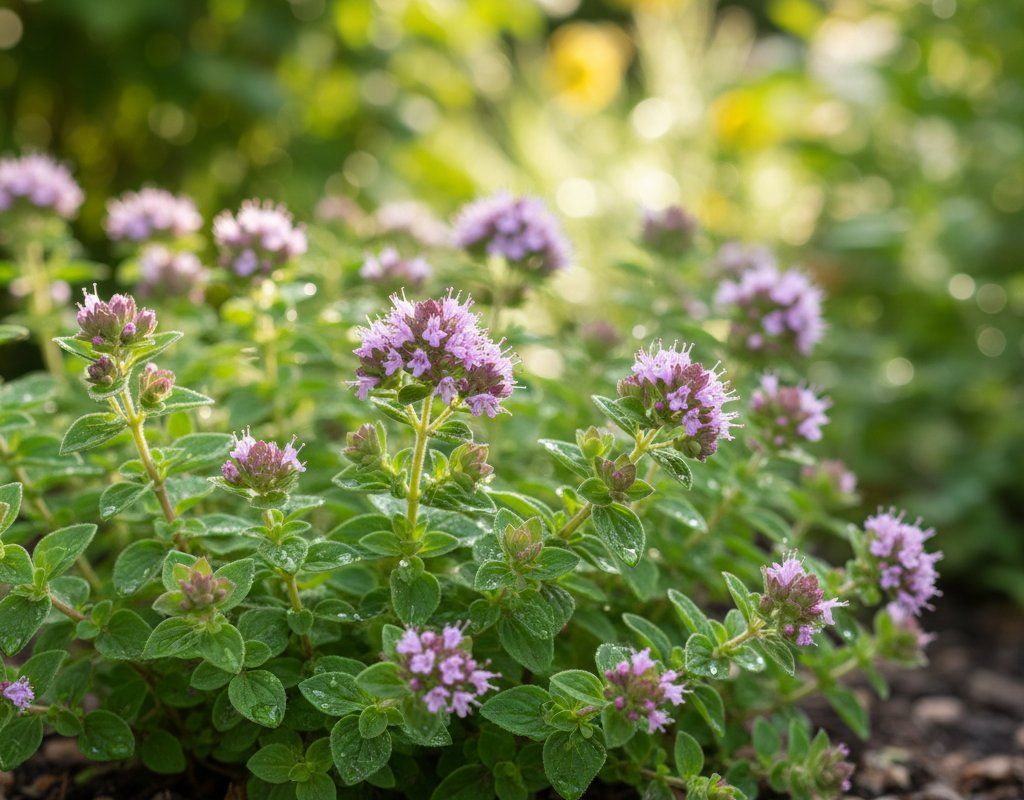
Oregano in Zone 7B — Texas
Origanum vulgare · Your Complete 2026 Planting Guide
Missed Seed Starting? No Problem!
Wait for starts to become available.
What to Do
Starts will be available at nurseries in 6 days (around March 10).
How to Plant Oregano in Zone 7B — Texas
Here are all your options for getting oregano in the ground, from the easiest method to more advanced approaches.
Buy Starts
RecommendedEarly March through late April
around March 10
Plant purchased starts after last frost (March 10).
Easy from seed but slow. Starts give faster results.
Start Seeds Indoors
Works WellEarly to late January
around January 13
Then transplant: Early March through late April
Start seeds 8-10 weeks before transplanting outdoors.
Direct Sow Seeds
Works WellEarly March through late September
around March 10
Consider succession planting every 2-3 weeks for continuous harvest.
Transplant Outdoors
Timing InfoEarly March through late April
around March 10
Can tolerate light frost, but wait for soil to be workable.
You have a nice window — no need to rush.
Overview
Oregano is one of those herbs that transforms from bland grocery store dust into an aromatic powerhouse when you grow it yourself here in Texas. The intense essential oils that develop under our blazing summer sun create flavors you simply can't buy – earthy, pungent, and complex enough to elevate everything from pizza sauce to grilled vegetables. With our long 255-day growing season, you can harvest fresh oregano from late spring clear through fall, giving you months of superior flavor for your kitchen.
Our unpredictable Texas weather – from surprise late freezes to brutal summer heat – might seem challenging for herbs, but oregano actually thrives in these conditions once established. This Mediterranean native loves our hot, dry summers and handles our temperature swings better than most herbs. The key is timing your planting right and understanding that oregano prefers our "feast or famine" rainfall patterns over consistent moisture.
Starting Seeds Indoors
Starting oregano from seed indoors makes sense if you want multiple plants or specific varieties not available as transplants. Begin sowing seeds in early to late January, giving yourself about 8 weeks before transplanting outdoors in early spring. Oregano seeds are tiny and slow to germinate, often taking 10-14 days even with consistent warmth.
Use seed trays filled with quality potting mix, barely covering the seeds since they need light to germinate. Keep soil temperature around 70°F and provide bright light once seedlings emerge. Bottom watering works best to avoid disturbing the delicate seedlings – set your seed trays in a shallow pan of water and let them absorb moisture from below.
With our early Texas springs, indoor-started plants give you a head start on the growing season. However, oregano transplants are widely available and much faster, so most gardeners find buying starts more practical than the slow seed-to-transplant process.
Transplanting Outdoors
Transplant oregano outdoors from early March through late April, timing it after our last frost risk but while spring weather remains mild. These Mediterranean herbs handle light frost once established, but young transplants need protection from our occasional temperature swings during early spring.
Harden off your plants gradually over a week, starting with a few hours of morning sun and building up to full outdoor exposure. Space transplants 12-18 inches apart to allow for their spreading growth habit – oregano will fill in nicely by midsummer. Choose a well-draining spot since our heavy clay soils and flash floods can cause root rot problems.
Plant transplants at the same depth they were growing in their containers, water them in well, then back off on watering once they're established. The mild temperatures of early spring give transplants time to develop strong root systems before facing the brutal Texas heat of summer.
Direct Sowing
Direct sowing oregano works well from early March through late September, though spring and fall sowings perform better than midsummer plantings. The seeds germinate slowly and unevenly, so don't expect the quick results you get with basil or other warm-season herbs.
Prepare your soil by working in compost and ensuring good drainage – oregano seeds will rot in heavy, wet clay. Scatter seeds thinly over the prepared area and barely cover them, keeping the soil consistently moist until germination begins in 10-21 days. Thin seedlings to 12-18 inches apart once they're large enough to handle.
Fall direct sowing (late August through September) often produces stronger plants than spring sowings since young oregano plants establish better in cooler weather. The plants will overwinter successfully in most Texas areas and explode with growth the following spring.
Watering Oregano in Zone 7B (Texas)
Oregano thrives on neglect once established, preferring our natural boom-bust rainfall patterns over consistent irrigation. During the first month after planting, water deeply when the top 2 inches of soil feel dry to help roots establish. After that, you can largely let nature handle the watering except during extreme drought.
In our unpredictable Texas climate with 15-50 inches of annual rainfall, oregano typically needs supplemental water only during extended dry spells exceeding 3-4 weeks. When you do water, give plants about an inch per week through deep, infrequent soaking rather than daily sprinkling. Water at the base of plants rather than overhead – our variable humidity and sudden temperature swings can promote fungal issues when leaves stay wet.
Watch for signs of stress: wilted leaves that don't perk up in evening coolness indicate genuine drought stress, while yellowing lower leaves often signal overwatering or poor drainage. Oregano leaves should feel slightly thick and sturdy – thin, pale growth indicates too much water or fertilizer.
A light mulch layer helps moderate soil moisture during our extreme heat, but keep mulch away from plant stems to prevent rot during humid spells or flash flood events. Remember that slightly stressed oregano plants actually produce more flavorful essential oils than pampered ones.
Pruning & Maintaining Oregano
Oregano requires minimal pruning but benefits from strategic cutting to maintain plant health and productivity. Pinch or cut growing tips regularly once plants reach 4-6 inches tall to encourage bushy growth rather than letting them get leggy and woody.
Cut plants back by about one-third in midsummer when they start looking tired from the Texas heat – this rejuvenates growth and provides a fresh harvest for fall cooking. Remove any flower buds that appear to keep leaves tender and flavorful, though you can let a few plants bloom late in the season to attract beneficial insects.
In late fall before our first frost (typically mid-November), cut plants back to about 2 inches from the ground. This helps them overwinter cleanly and prevents dead growth from harboring pests or diseases. Most oregano varieties return vigorously the following spring, often spreading beyond their original location.
🧪Fertilizing Oregano
Feeding Schedule
Organic Fertilizer Options
Harvest Time
Your first oregano harvest comes surprisingly quickly – you can start snipping sprigs once plants reach 4+ inches tall, usually by late April from transplants or early summer from direct-sown seeds. The best flavor develops just before the plants flower, when essential oil concentration peaks in the leaves.
Harvest by cutting stems just above a leaf pair, which encourages branching and continued growth. Take up to one-third of the plant at any harvest, focusing on the newest growth at stem tips. Morning harvest after dew dries but before the heat intensifies captures the strongest flavors.
With our long growing season, oregano provides continuous harvests from late spring through late November. The flavor becomes more concentrated and intense as summer heat stresses the plants slightly – this is actually beneficial for herb quality. Plants often have a growth spurt during fall's cooler weather, giving you a final abundant harvest before first frost.
Fresh oregano leaves can be used immediately, dried for storage, or frozen in ice cubes with olive oil. As first frost approaches in mid-November, harvest heavily since plants will die back, though the roots typically survive our mild winters and return the following spring.
Common Problems in Zone 7B (Texas)
Root Rot Root rot appears as wilting plants despite moist soil, yellowing lower leaves, and eventually plant collapse. Affected plants often smell sour when you dig them up, with black, mushy roots instead of healthy white ones. Our heavy clay soils combined with flash floods or overwatering create perfect conditions for this fungal disease. Improve drainage by adding compost or planting in raised beds, and avoid watering unless the top 2 inches of soil feel dry. Once root rot sets in, remove affected plants entirely to prevent spread.
Aphids These tiny green, black, or white insects cluster on new growth and stem undersides, leaving sticky honeydew residue and causing leaves to curl or distort. Our warm Texas weather allows aphid populations to explode quickly, especially on plants receiving too much nitrogen fertilizer. Fire ants often farm aphids for their sweet secretions, making the problem worse. Knock aphids off with strong water sprays, encourage beneficial insects like ladybugs, or use insecticidal soap for severe infestations. Avoid over-fertilizing, which creates tender growth that attracts aphids.
Spider Mites Fine stippling on leaves (tiny white or yellow dots), bronze or yellow discoloration, and fine webbing on leaf undersides indicate spider mite damage. These microscopic arachnids thrive in our hot, dry conditions and explode during drought stress. Daily strong water sprays for a week often control light infestations, while severe cases may require neem oil or insecticidal soap. Increasing humidity around plants helps, but avoid broad-spectrum pesticides that kill beneficial predatory mites.
Texas Specific Challenges Our extreme summer heat actually benefits oregano's flavor development, but the variable humidity and unpredictable rainfall create conditions for fungal problems when plants stay wet too long. The combination of intense heat followed by sudden storms can stress plants and make them vulnerable to pests, while our clay soils require extra attention to drainage to prevent root rot.
Best Companions for Oregano
Plant these nearby for healthier Oregano and better harvests.

Keep Away From
Companion Planting Details
Oregano makes an excellent companion for heat-loving vegetables like peppers, tomatoes, and squash in Texas gardens. Its strong scent helps repel aphids and other soft-bodied pests that commonly attack these crops during our long, hot growing season. Plant oregano around the edges of tomato beds or between pepper plants – the herbs will spread to fill gaps while providing natural pest control.
Beans also benefit from oregano's presence since the herb's flowers attract beneficial insects that help with pollination and pest management. The low water needs of established oregano complement drought-tolerant vegetables well, reducing overall irrigation needs during our unpredictable rainfall patterns. Avoid planting oregano near moisture-loving crops like lettuce or cilantro, since their different watering requirements don't match well in our Texas climate.
🌸Best Flowers to Plant with Oregano
These flowers protect your Oregano from pests and attract pollinators for better harvests.
For Pest Control



Get a Reminder When It's Time to Plant
We'll email you when key planting windows open for your zone.