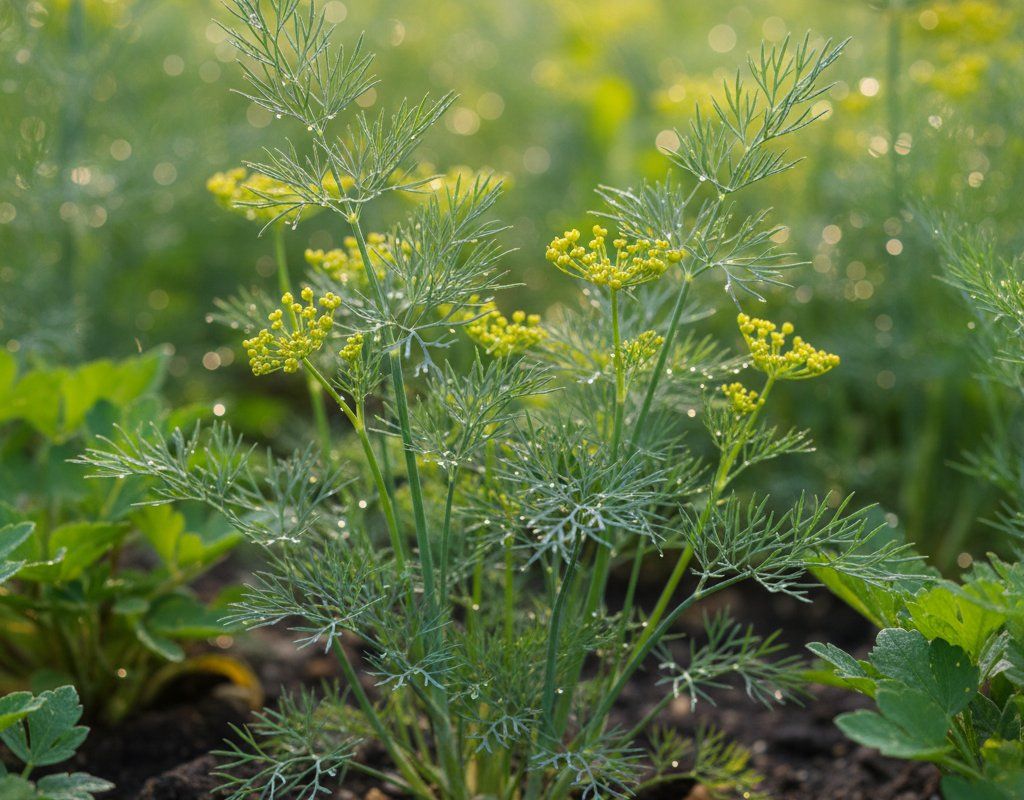
Dill in Zone 7B — Texas
Anethum graveolens · Your Complete 2026 Planting Guide
Missed Seed Starting? No Problem!
Wait for starts to become available.
What to Do
Starts will be available at nurseries in 13 days (around March 17).
How to Plant Dill in Zone 7B — Texas
Here are all your options for getting dill in the ground, from the easiest method to more advanced approaches.
Direct Sow Seeds
RecommendedEarly March through late September
around March 10
Consider succession planting every 2-3 weeks for continuous harvest.
Dill has a taproot and prefers direct sowing, but transplants work if handled carefully.
Start Seeds Indoors
RecommendedEarly February through early March
around February 17
Then transplant: Mid March through late April
Start seeds 4-6 weeks before transplanting outdoors.
Buy Starts
Works WellMid March through late April
around March 17
Plant purchased starts after last frost (March 10).
Transplant Outdoors
Timing InfoMid March through late April
around March 17
Can tolerate light frost, but wait for soil to be workable.
You have a nice window — no need to rush.
Fall Planting
Late September through late October
October 9 ideal · Direct sow for fall harvest
Plant a second crop in mid-summer for fall harvest. Dill actually prefers the cooling temperatures of fall.
Overview
Dill deserves a spot in every Texas garden for its feathery, aromatic leaves that bring fresh flavor to pickles, fish, and summer salads. With our long growing season, you can enjoy multiple plantings from early spring through late fall, making the most of dill's quick 40-day maturity. The herb's upright habit fits well in small spaces, and nothing beats the satisfaction of snipping fresh dill from your own garden rather than paying premium prices for those tiny plastic containers at the store.
Our unpredictable Texas weather and brutal summer heat can challenge dill, but smart timing makes all the difference. With our 255-day growing season, you have plenty of opportunities to plant dill when conditions favor this cool-season herb. The key is working around our extreme summer temperatures and taking advantage of our mild spring and extended fall periods.
Starting Seeds Indoors
Starting dill seeds indoors isn't the most common method, but it makes sense if you want to get a jump on the season or have better control over germination. Start your seeds in early February through early March, about four weeks before you plan to transplant outside. Dill has a long taproot that doesn't love being disturbed, so use deeper seed trays or individual pots to give those roots room.
Keep your seed trays warm (around 65-70°F) and provide good light once seedlings emerge. Bottom watering works best to avoid disturbing the delicate seedlings. Since our spring weather can be unpredictable with those temperature swings, starting indoors gives you insurance against late cold snaps that might damage direct-sown seeds.
Handle transplants gently when the time comes, as dill doesn't appreciate root disturbance. This method works, but many Texas gardeners find direct sowing easier and more reliable for dill's particular needs.
Transplanting Outdoors
If you've started dill indoors, plan to transplant outside from mid-March through late April, after our last frost risk passes in early March. Spend a full week hardening off your seedlings by gradually exposing them to outdoor conditions. Start with just a few hours of morning sun, then gradually increase their outdoor time each day.
Space your dill transplants 12 inches apart to give them room to develop their full, feathery growth. Plant them at the same depth they were growing in their containers, and be extra gentle with the roots since dill doesn't recover well from transplant shock.
Watch the weather closely during transplant time - our spring can throw curveballs with unexpected late cold snaps or sudden heat waves. Have row covers ready if temperatures threaten to drop below 40°F, and provide some afternoon shade if we get an early taste of that Texas heat.
Direct Sowing
Direct sowing works beautifully for dill and is actually the preferred method since it avoids disturbing that taproot. You can sow seeds from early March through late September, which gives you tremendous flexibility with our long growing season. Early spring and fall plantings perform best, avoiding the worst of our summer heat.
Prepare your soil by working it to a fine texture - dill seeds are small and need good soil contact to germinate well. Wait until soil temperatures reach at least 60°F, which usually happens by early March in most of Texas. Sow seeds about ¼ inch deep and space them 12 inches apart, or plant more densely and thin later.
The beauty of direct sowing is that you can succession plant every 2-3 weeks through the growing season for continuous harvest. Your fall plantings from late September through late October often produce the best dill, as cooler temperatures keep the plants from bolting quickly.
Watering Dill in Zone 7B (Texas)
Dill needs moderate but consistent moisture - not too wet, not too dry. In our variable Texas climate, this means adjusting your watering schedule based on our unpredictable rainfall patterns. During spring and fall, you might need to water only once or twice per week, but summer plantings require more frequent attention as temperatures soar.
Use the finger test to check soil moisture about 2 inches deep. Water when the top inch feels dry but moisture remains deeper down. Aim for about 1 inch of water per week, including rainfall. Water at the base of plants rather than overhead to reduce disease issues, especially during our humid periods.
Summer heat is dill's biggest enemy - it causes the plant to bolt quickly and turn bitter. During extreme heat spells (which are common here), provide afternoon shade and increase watering frequency. Deep, less frequent watering helps develop strong roots that can handle stress better.
A 2-3 inch layer of organic mulch helps retain soil moisture and keeps roots cooler during our hot summers. Watch for signs of stress: wilting during hot afternoons (normal) versus wilting in morning or evening (needs water), and yellowing lower leaves (often indicates overwatering in our clay soils).
🧪Fertilizing Dill
Feeding Schedule
Organic Fertilizer Options
Harvest Time
Your first dill harvest begins around mid-April if you planted early spring seeds, with harvests continuing through late November in our extended growing season. With dill's 40-day maturity, you'll have fresh leaves to cut within about six weeks of planting. The key is harvesting before the plant bolts, which happens quickly once our temperatures stay consistently above 80°F.
Harvest the feathery leaves by cutting stems just above where side branches emerge - this encourages bushier growth and more leaves. Cut in the morning after dew dries but before the day gets hot, when oils are most concentrated. Young leaves taste best; older ones can become tough and bitter, especially during heat stress.
For continuous production, cut outer stems first and let the center keep growing. If you want dill seeds for pickling, let some plants flower and go to seed - the flower heads turn brown and dry when ready. Shake the seeds into a paper bag for easy collection.
As our first frost approaches in mid-November, harvest remaining plants completely. You can hang whole stems to dry, or chop fresh leaves and freeze them in ice cube trays with a little water for winter use.
Common Problems in Zone 7B (Texas)
Bolting shows up as a tall flower stalk shooting up from the center of your dill plant, often seemingly overnight. The leaves become bitter and tough once this happens, and the plant shifts all energy to seed production. In Texas, this commonly occurs when we hit those first stretch of days above 85°F, which can happen as early as late April some years. Plant dill during cooler months, provide afternoon shade during heat waves, and keep soil consistently moist. Succession plant every few weeks so you always have young, tender plants ready.
Aphids appear as clusters of tiny, soft-bodied insects on stems and undersides of dill's feathery leaves. You'll notice sticky honeydew residue and distorted new growth. These sap-suckers multiply rapidly in our warm weather, and fire ants often farm them for their sweet secretions. Blast them off with a strong water spray early morning or evening. Encourage beneficial insects like ladybugs and lacewings by planting diverse flowers nearby. For heavy infestations, use insecticidal soap or neem oil, but avoid these during the heat of the day.
Caterpillars, particularly parsley worms (black swallowtail butterfly larvae), love dill's aromatic foliage. You'll see green, white, and black striped caterpillars munching holes in leaves, sometimes stripping plants completely. These are actually beneficial butterfly caterpillars, so hand-picking and relocating them works well if you can tolerate sharing. For severe damage, Bt (bacillus thuringiensis) provides organic control without harming beneficial insects.
Texas-specific challenges include our extreme heat causing rapid bolting, unpredictable rainfall creating feast-or-famine watering conditions, and our variable humidity encouraging both pest problems and fungal issues. Plant during our milder months and be ready to provide extra care during weather extremes.
Best Companions for Dill
Plant these nearby for healthier Dill and better harvests.


Keep Away From
Companion Planting Details
Dill pairs beautifully with cabbage family crops, helping repel cabbage worms while the brassicas provide some afternoon shade during our intense Texas heat. Plant dill near cucumbers - it attracts beneficial insects that help with cucumber beetle control, and both crops prefer similar moderate watering schedules. Onions make excellent neighbors, as their strong scent confuses pests looking for dill, and both plants have similar spacing requirements at 12 inches apart.
Avoid planting dill near carrots, as they're in the same family and compete for similar nutrients. Despite being fellow herbs, keep dill away from tomatoes - dill can inhibit tomato growth, and tomatoes prefer much more heat than dill can handle in our Texas summers. This spacing issue becomes especially important in our intense growing conditions where plants need all the advantages they can get.
🌸Best Flowers to Plant with Dill
These flowers protect your Dill from pests and attract pollinators for better harvests.
For Pest Control




Get a Reminder When It's Time to Plant
We'll email you when key planting windows open for your zone.