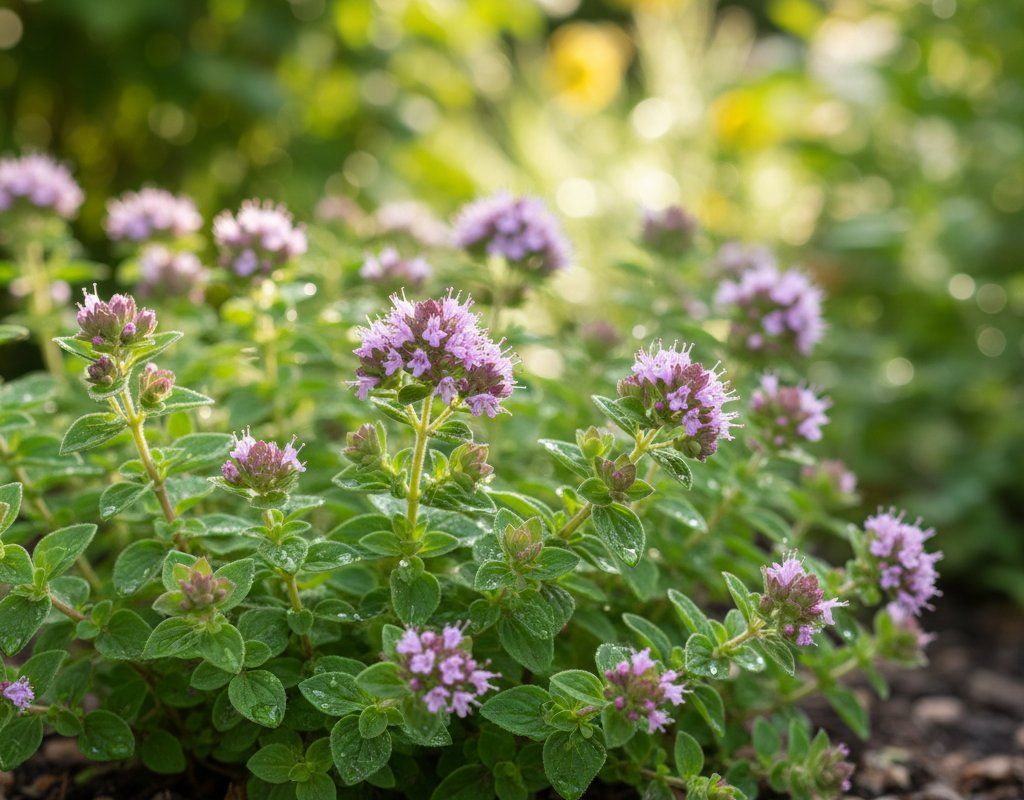
Oregano in Zone 9A — Florida
Origanum vulgare · Your Complete 2026 Planting Guide
Time to Buy Starts!
Seed starting window passed, but starts are available now.
Buy Starts Now
Head to your local nursery, Home Depot, or farmers market for transplants.
- Look for stocky plants with dark green leaves
- Avoid leggy seedlings or plants already flowering
- Check that roots aren't circling the pot (rootbound)
How to Plant Oregano in Zone 9A — Florida
Here are all your options for getting oregano in the ground, from the easiest method to more advanced approaches.
Buy Starts
RecommendedEarly February through mid March
around February 1
Plant purchased starts after last frost (February 1).
Easy from seed but slow. Starts give faster results.
Start Seeds Indoors
Works WellLate November through late December
around December 7
Then transplant: Early February through mid March
Start seeds 8-10 weeks before transplanting outdoors.
Direct Sow Seeds
Works WellEarly February through late October
around February 1
Consider succession planting every 2-3 weeks for continuous harvest.
Transplant Outdoors
Timing InfoEarly February through mid March
around February 1
Can tolerate light frost, but wait for soil to be workable.
You have a nice window — no need to rush.
Overview
Oregano is one of the most rewarding herbs you can grow in Florida's Zone 9A, offering intense, aromatic flavor that puts store-bought varieties to shame. Our subtropical climate actually favors this Mediterranean herb once you understand its preferences – oregano loves our warm winters and can handle our intense sun, giving you fresh herbs year-round from a single planting. The satisfaction of snipping fresh oregano for your pizza sauce or Greek dishes, knowing it's packed with essential oils that commercial herbs lose during shipping, makes this drought-tolerant perennial a must-have in your Florida herb garden.
While our extreme humidity and wet summers can challenge some herbs, oregano's timing works beautifully with Florida's reversed growing calendar. You'll plant in fall or early spring, letting the herb establish during our mild winter months before facing the summer heat. With our 327-day growing season, you can harvest fresh oregano almost continuously, and once established, this hardy herb will return each year with minimal care.
Starting Seeds Indoors
Starting oregano seeds indoors makes sense if you want precise timing for spring planting or prefer the control of protected germination. Start your seeds in late November through late December, about 8 weeks before you plan to transplant outdoors in early spring. This timing works well with Florida's reversed seasons – you'll have sturdy transplants ready when our "spring" planting window opens in February.
Set up seed trays with good drainage and keep the soil consistently moist using bottom watering to prevent fungal issues in our humid climate. Oregano seeds need warmth to germinate (around 70°F), which is easy to maintain indoors during our mild winter months. Provide bright light once seedlings emerge – a sunny south-facing window works, though grow lights give more consistent results.
Keep in mind that oregano from seed grows slowly compared to other herbs. If you're eager for quick results, purchasing transplants might be more practical, but starting from seed gives you access to specialty varieties not commonly found at local nurseries.
Transplanting Outdoors
Transplant your oregano seedlings outdoors from early February through mid-March, when our last frost danger passes and daytime temperatures consistently stay above 50°F. This timing takes advantage of Florida's mild winter-to-spring transition, giving plants time to establish before our brutal summer heat arrives. Space transplants 12-18 inches apart – oregano's spreading habit means it needs room to grow, and good air circulation helps prevent fungal issues in our humid climate.
Harden off your seedlings gradually over a week, starting with just a few hours of morning sun and building up to full outdoor conditions. Florida's intense UV can shock indoor-grown plants, so this step is crucial for success. Choose a location with excellent drainage – our wet summers and clay soils can quickly lead to root rot if water sits around the roots.
Plant on a calm day when possible, as our spring weather can bring sudden temperature swings and strong winds. Water thoroughly after transplanting, then back off to let the soil dry slightly between waterings. Oregano prefers to be somewhat dry rather than constantly moist, which works well with our wet-dry seasonal pattern.
Direct Sowing
Direct sowing oregano works well in Florida, especially for fall plantings that will mature during our prime winter growing season. Sow seeds from early February through late October, though spring and fall sowings generally perform better than summer plantings. The extended sowing window gives you flexibility to plant when conditions are right, rather than being locked into specific dates.
Prepare your soil by working in compost or aged manure to improve drainage in our naturally sandy or clay soils. Oregano seeds are tiny, so scatter them lightly over prepared soil and barely cover with fine compost or vermiculite. Keep the seeded area consistently moist until germination, which typically takes 1-2 weeks in our warm climate. Our natural rainfall often provides enough moisture, but be prepared to supplement during dry spells.
Space your sowings 12-18 inches apart, either by thinning seedlings or sowing in clusters and selecting the strongest plants. Fall sowings often outperform spring ones because plants establish during our comfortable winter months and are ready to handle summer stress when it arrives. Direct-sown oregano takes longer to reach harvestable size than transplants, but the plants often develop stronger root systems adapted to your specific garden conditions.
Watering Oregano in Zone 9A (Florida)
Oregano's drought tolerance makes it perfectly suited to Florida's boom-and-bust rainfall patterns, but getting the watering right requires understanding our unique climate cycles. During establishment (the first 4-6 weeks), keep soil consistently moist but never soggy – use the finger test, checking 2 inches deep before watering. Once established, oregano prefers to dry out between waterings, which actually concentrates the essential oils that give it that intense flavor we're after.
Our wet summers present a special challenge since oregano despises constantly wet feet. From June through September, when we typically receive 50-65 inches of rainfall, your main job is ensuring good drainage rather than adding water. If you're growing in containers, move them under a covered patio during heavy rain periods. In-ground plants benefit from raised beds or mounded soil to shed excess water. When you do need to water during dry spells, aim for about 1 inch per week, watering deeply at the base of plants rather than overhead – our extreme humidity means wet foliage invites fungal problems.
During our dry winter months (October through May), you'll need to supplement rainfall more regularly, especially for container-grown oregano. Water thoroughly when the top 2 inches of soil feel dry, typically every 5-7 days depending on temperature and wind. Signs of underwatering include wilted, gray-green leaves, while overwatering shows up as yellowing lower leaves and musty-smelling soil. A thin layer of mulch helps retain moisture during dry spells while keeping roots cooler, but avoid thick mulch that holds moisture against the stems in our humid climate.
Watch for rapid changes in water needs as we transition between wet and dry seasons – oregano that needed weekly watering in April might not need any supplemental water once June rains begin.
Pruning & Maintaining Oregano
Oregano needs minimal pruning, but strategic cutting keeps plants productive and prevents them from getting woody and sparse. Cut back stems by about one-third in midsummer (typically July) to encourage fresh, tender growth and prevent flowering, which can make leaves bitter. This timing works well with Florida's growing patterns – you're refreshing the plant before our hottest weather hits, giving it energy to push new growth for fall harvests.
Regular harvesting serves as ongoing pruning, so snip stems frequently once plants are established. Cut stems just above a leaf pair to encourage branching and bushier growth. Remove any flower buds as soon as you spot them – oregano flowers are pretty but drain energy from leaf production and change the plant's flavor profile.
As our first frost approaches in late December, cut plants back to about 2 inches above ground level. This seems drastic, but oregano is genuinely hardy in Zone 9A and will regrow vigorously from the roots in spring. This annual cutback prevents woody stems and keeps plants young and productive. If we have an unusually cold winter, the cut-back stems are less likely to suffer freeze damage than tall, soft growth.
🧪Fertilizing Oregano
Feeding Schedule
Organic Fertilizer Options
Harvest Time
Your first oregano harvest will be ready from mid-March through early January – essentially year-round once plants establish, thanks to our extended 327-day growing season. Start harvesting when plants reach 4-6 inches tall, typically 45 days from transplanting or about 60 days from direct seeding. The beauty of oregano is that regular harvesting encourages more growth, so you're actually helping the plant by cutting it frequently.
For the best flavor, harvest in the morning after dew dries but before the heat of the day – this is when essential oil content peaks. Cut stems just above a leaf pair, taking up to one-third of the plant at any one time. You'll notice the most intense flavor just before the plant tries to flower, so pinch off flower buds regularly to keep leaves tender and flavorful. In Florida's heat, oregano can become quite potent, so taste as you harvest to gauge strength.
Continue harvesting through our mild winters – oregano stays productive even when nighttime temperatures dip into the 40s. During our hottest summer months (July-August), growth may slow and leaves can become quite strong, so harvest smaller amounts and consider this your time to dry herbs for storage. As first frost approaches in late December, make a final heavy harvest to preserve for winter cooking, though in Zone 9A, plants often survive light frosts and continue producing.
Fresh oregano keeps best with stems in water like cut flowers, stored in the refrigerator for up to a week. For longer storage, hang bundles in a dry, well-ventilated area or use a dehydrator – our humid climate makes air-drying challenging without proper airflow.
Common Problems in Zone 9A (Florida)
Root Rot Root rot shows up as yellowing, wilting plants despite moist soil, often with a musty smell from the root zone and blackened, mushy roots when you dig up the plant. In Florida's wet summers and humid conditions, this is oregano's biggest enemy – our clay soils and 50-65 inches of annual rainfall create perfect conditions for fungal pathogens. Poor drainage combined with our warm soil temperatures lets root rot fungi multiply rapidly. Prevent this by planting in raised beds or containers with excellent drainage, avoiding overwatering during rainy periods, and never letting plants sit in standing water. Once root rot starts, it's usually fatal – remove affected plants immediately and improve drainage before replanting.
Aphids Clusters of tiny, soft-bodied insects (green, black, or white) appear on stems and leaf undersides, leaving behind sticky honeydew residue and causing new growth to curl and distort. Our warm Florida climate lets aphid populations explode quickly, especially during spring and fall when temperatures are moderate. You might notice ants farming the aphids for their honeydew secretions. Knock them off with a strong water spray from your hose – this is often all you need for light infestations. Encourage natural predators like ladybugs and lacewings by avoiding broad-spectrum pesticides. For heavy infestations, use insecticidal soap or neem oil, but avoid excess nitrogen fertilizer which makes plants more attractive to aphids.
Spider Mites Fine stippling appears on leaves (tiny white or yellow dots), followed by fine webbing on leaf undersides and between stems, eventually causing leaves to turn bronze or yellow. These microscopic arachnids thrive in our hot, dry conditions, especially during drought stress or when humidity drops. Ironically, spider mites can be worse during Florida's brief dry spells when plants are stressed. Daily strong water sprays for a week often control them effectively – the key is consistency. Increase humidity around plants by mulching and grouping containers together. Neem oil or insecticidal soap help with persistent infestations, and you can purchase predatory mites (Phytoseiulus persimilis) for biological control.
Florida Specific Challenges Our extreme humidity and wet summers create the perfect storm for fungal diseases in oregano, making drainage absolutely critical for success. The combination of hot temperatures (93°F typical highs) and very high humidity means that any plant stress – whether from overwatering, poor air circulation, or damage – quickly becomes a fungal problem. Sandy soils drain well but need organic matter to retain some moisture, while clay soils need serious amendments to prevent waterlogging during our intense summer rains.
Best Companions for Oregano
Plant these nearby for healthier Oregano and better harvests.

Keep Away From
Companion Planting Details
Oregano makes an excellent companion for heat-loving vegetables that share its preference for well-drained soil and full sun. Plant it near peppers, tomatoes, and eggplants – oregano's strong scent helps deter aphids, spider mites, and other soft-bodied insects that plague these crops during Florida's growing season. The herb's spreading habit creates a living mulch that helps suppress weeds around larger plants while its drought tolerance means it won't compete for water during dry spells. Oregano also pairs beautifully with beans and squash, where its low profile won't shade these climbing or sprawling crops.
Avoid planting oregano near moisture-loving herbs like parsley or cilantro, which need more consistent watering than oregano prefers. The different watering needs make it difficult to keep both happy, especially during our intense wet-dry seasonal swings. There are no truly bad companions for oregano since it's non-allelopathic and doesn't release chemicals that inhibit other plants, but grouping it with plants that share its preference for lean, well-drained soil and minimal water will make your garden management much easier in Florida's challenging climate.
🌸Best Flowers to Plant with Oregano
These flowers protect your Oregano from pests and attract pollinators for better harvests.
For Pest Control




Get a Reminder When It's Time to Plant
We'll email you when key planting windows open for your zone.