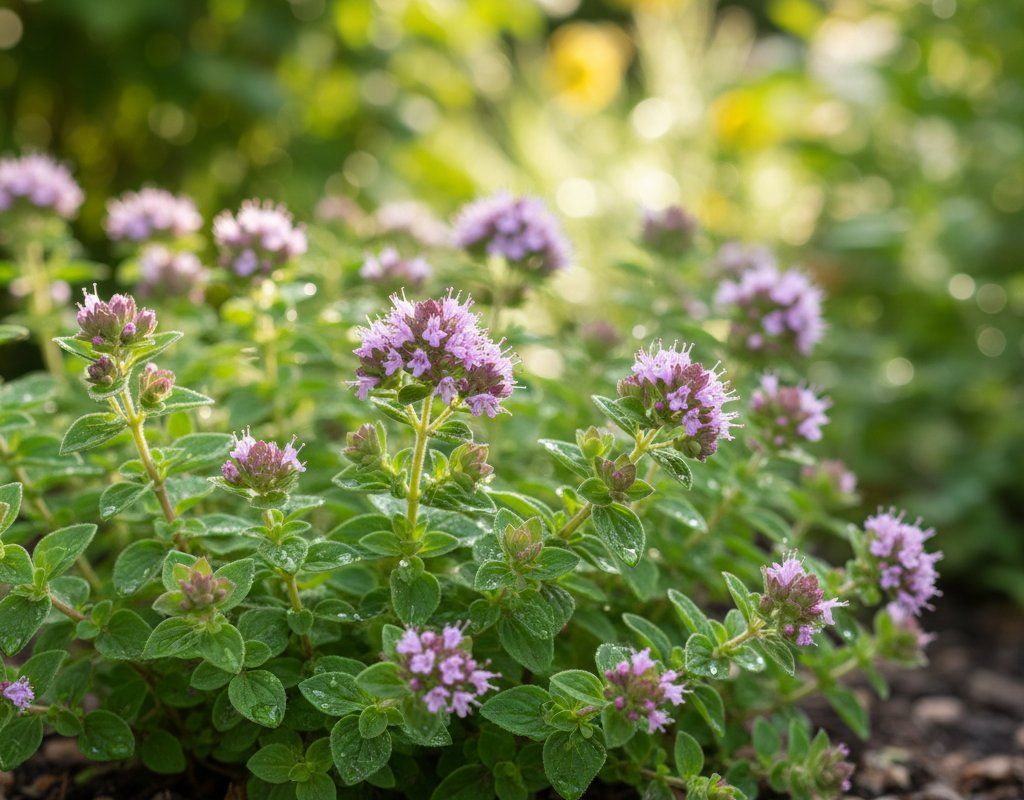
Oregano in Zone 9A — Gulf Coast
Origanum vulgare · Your Complete 2026 Planting Guide
Time to Buy Starts!
Seed starting window passed, but starts are available now.
Buy Starts Now
Head to your local nursery, Home Depot, or farmers market for transplants.
- Look for stocky plants with dark green leaves
- Avoid leggy seedlings or plants already flowering
- Check that roots aren't circling the pot (rootbound)
How to Plant Oregano in Zone 9A — Gulf Coast
Here are all your options for getting oregano in the ground, from the easiest method to more advanced approaches.
Buy Starts
RecommendedEarly February through late March
around February 10
Plant purchased starts after last frost (February 10).
Easy from seed but slow. Starts give faster results.
Start Seeds Indoors
Works WellEarly to late December
around December 16
Then transplant: Early February through late March
Start seeds 8-10 weeks before transplanting outdoors.
Direct Sow Seeds
Works WellEarly February through mid October
around February 10
Consider succession planting every 2-3 weeks for continuous harvest.
Transplant Outdoors
Timing InfoEarly February through late March
around February 10
Can tolerate light frost, but wait for soil to be workable.
You have a nice window — no need to rush.
Overview
Oregano thrives in our Gulf Coast heat and humidity, giving you a steady supply of aromatic leaves that put store-bought herbs to shame. This Mediterranean native actually loves our long, warm growing season and handles our intense summer heat better than many herbs. You'll get months of fresh oregano for pizza, pasta, and marinades—plus the satisfaction of snipping your own herbs right outside your kitchen door.
While our extreme humidity and disease pressure can challenge some herbs, oregano's timing works perfectly with our 303-day growing season. Plant it during our mild winter and spring months, and it'll establish strong roots before summer's intensity hits. The key is getting it settled early so it can handle whatever our Gulf Coast weather throws at it.
Starting Seeds Indoors
Starting oregano seeds indoors makes sense if you want multiple plants or specific varieties not available as transplants. In our Gulf Coast region, start seeds in early to late December—about 8 weeks before you plan to transplant outside in early February.
Use seed trays with good drainage and keep them warm (around 70°F works well). Oregano seeds are tiny and slow to germinate, often taking 10-14 days. Bottom watering works best to avoid disturbing the small seeds—just set your seed trays in a shallow pan of water and let them soak up moisture from below.
Since our spring starts early compared to northern regions, you'll have transplant-ready seedlings right when outdoor conditions become ideal. The main downside is oregano grows slowly from seed, so you'll wait longer for your first harvest compared to buying starts.
Transplanting Outdoors
Transplant oregano outdoors from early February through late March, when nighttime temperatures stay consistently above 35°F. Our Gulf Coast springs can be unpredictable with sudden warm spells followed by cooler snaps, so watch the extended forecast before planting out.
Harden off seedlings gradually over a week, starting with just a few hours of morning sun and increasing daily exposure. Space plants 12-18 inches apart—oregano spreads as it grows, and good air circulation helps prevent fungal issues in our humid climate.
Plant transplants slightly deeper than they were growing in pots, and water them in well. Early spring plantings establish better root systems before summer heat arrives, giving you stronger plants that handle our intense July and August weather.
Direct Sowing
Direct sowing oregano works well in our Gulf Coast climate, with a long window from early February through mid-October. The key advantage is avoiding transplant shock, though you'll wait longer for harvestable plants since oregano starts slowly from seed.
Prepare your soil by working in compost and ensuring good drainage—oregano hates soggy conditions, which can be challenging with our 50-65 inches of annual rainfall. Sow seeds thinly and barely cover them, as they need light to germinate. Keep soil consistently moist but not waterlogged during the 10-14 day germination period.
Thin seedlings to 12-18 inches apart once they're 2-3 inches tall. Fall sowings (September through October) often work better than summer plantings, as cooler weather and less intense humidity create ideal growing conditions for young oregano plants.
Watering Oregano in Zone 9A (Gulf Coast)
Oregano's drought tolerance becomes a major advantage in our Gulf Coast heat, but getting the watering right requires understanding our unique climate. While we get 50-65 inches of rain annually, our extreme humidity and hot summers (typically hitting 93°F) create different watering needs than drier regions.
Water deeply but infrequently—about 1 inch per week including rainfall. Use the finger test: stick your finger 2 inches into the soil, and only water if it's dry at that depth. Our heavy clay soils in many Gulf Coast areas hold moisture longer than expected, so oregano often needs less supplemental water than you'd think.
Always water at the base of plants rather than overhead. Our very high humidity already stresses plants with fungal diseases, and wet leaves make the problem worse. Morning watering allows plants to dry before evening, reducing disease pressure that's already challenging in our climate.
During our wettest months, focus on drainage rather than watering. Mulch lightly with pine straw or bark chips to help regulate soil moisture, but avoid thick mulch that can trap humidity around the plant base and encourage root rot.
Pruning & Maintaining Oregano
Oregano needs minimal pruning, but strategic cuts keep plants productive and compact in our long growing season. Once plants reach 4-6 inches tall, start pinching off flower buds as they appear—this keeps the leaves flavorful and encourages bushy growth rather than tall, leggy stems.
Cut back plants by about one-third in midsummer (typically July) to refresh growth during our hottest months. This seems counterintuitive, but oregano responds with vigorous new shoots that produce tender leaves through fall. Make cuts just above a leaf pair to encourage branching.
In late fall, around mid to late November before our first frost in early December, cut plants back to about 2 inches above ground level. This prepares them for winter and promotes strong spring regrowth when temperatures warm up again in February.
🧪Fertilizing Oregano
Feeding Schedule
Organic Fertilizer Options
Harvest Time
Your first oregano harvest comes surprisingly early in our Gulf Coast region—expect to start cutting sprigs in late March if you planted transplants in February. Once plants reach 4 inches tall, you can begin light harvesting, taking just a few stems at a time.
Harvest oregano by cutting stems just above a leaf pair, which encourages the plant to branch and produce more growth. The best flavor comes just before the plant flowers, when essential oils are most concentrated. Cut stems in the morning after dew dries but before the day gets hot.
With our 303-day growing season, you'll have continuous harvests from late March through mid-December. Take advantage of this long season by harvesting regularly—oregano actually produces better when cut frequently. You can harvest up to one-third of the plant at once without stressing it.
As our first frost approaches in early December, do a final major harvest to preserve leaves for winter use. Cut stems back to 2 inches above ground, and the plants will regrow when warm weather returns in February.
Common Problems in Zone 9A (Gulf Coast)
Root Rot Root rot shows up as yellowing, wilting leaves even when soil feels moist, plus black, mushy roots when you dig up the plant. This happens because oregano needs well-draining soil, but our Gulf Coast clay and 50-65 inches of annual rainfall create perfect conditions for waterlogged roots. Prevent root rot by planting in raised beds or adding lots of compost to improve drainage. If you spot it early, stop watering and improve soil drainage around the plant.
Aphids Look for clusters of tiny green, black, or white insects on stems and leaf undersides, plus sticky honeydew residue and curled new growth. These sap-sucking pests multiply rapidly in our warm, humid weather and can quickly overwhelm plants. Blast them off with a strong water spray from your hose, and encourage natural predators like ladybugs. For heavy infestations, spray insecticidal soap in the evening when temperatures cool down.
Spider Mites Fine white stippling on leaves and thin webbing between stems signal spider mites—tiny arachnids that thrive when plants get stressed by heat and drought. Ironically, these pests can still show up during our humid summers if plants are in too much direct sun or not getting enough water. Daily water sprays for a week usually control them, and increasing humidity around plants helps prevent future outbreaks.
Gulf Coast Specific Challenges: Our extreme humidity creates perfect conditions for fungal diseases, while heavy rains can waterlog oregano's preferred well-draining soil. Plant oregano in your sunniest, best-draining spots, and consider raised beds if your soil tends to stay soggy after our frequent afternoon storms.
Best Companions for Oregano
Plant these nearby for healthier Oregano and better harvests.

Keep Away From
Companion Planting Details
Oregano makes an excellent companion for peppers, tomatoes, and squash in Gulf Coast gardens. It naturally repels many pests that attack these warm-season crops, and its low water needs complement plants that prefer consistent but not excessive moisture. The herb's spreading growth habit also works as a living mulch, helping to suppress weeds around taller plants.
Plant oregano near beans for mutual benefit—the herb's strong scent may help deter bean beetles, while beans fix nitrogen that oregano can use without encouraging excessive leaf growth that reduces flavor. Avoid planting oregano with moisture-loving herbs like basil unless you can provide different watering zones, since oregano's drought tolerance and basil's need for consistent moisture don't match well in our variable Gulf Coast rainfall patterns.
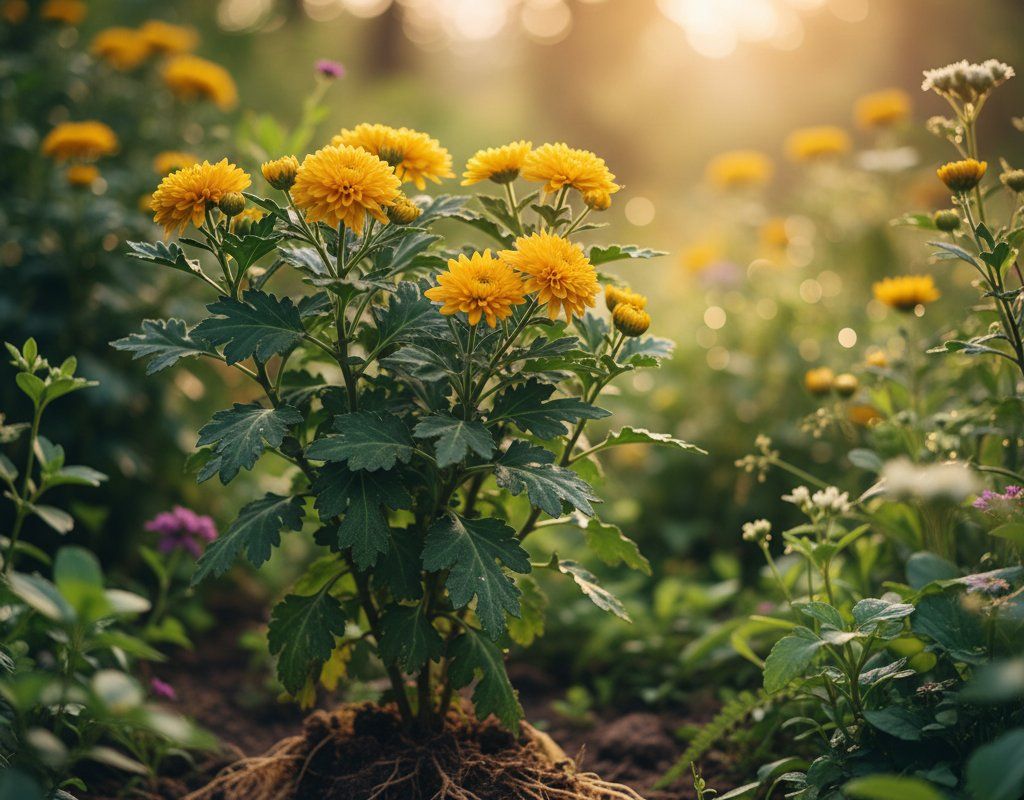
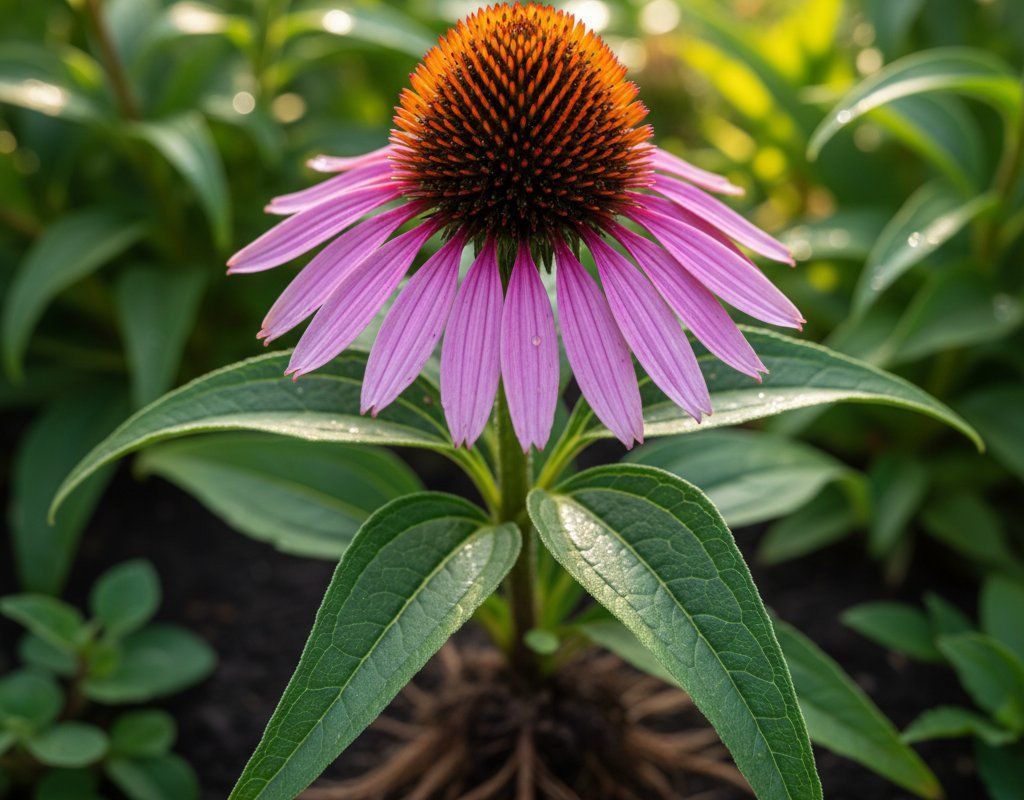
🌸Best Flowers to Plant with Oregano
These flowers protect your Oregano from pests and attract pollinators for better harvests.
For Pest Control


Get a Reminder When It's Time to Plant
We'll email you when key planting windows open for your zone.