
Parsley in Zone 9A — Gulf Coast
Petroselinum crispum · Your Complete 2026 Planting Guide
You Can Still Sow!
Direct sowing window is open for Parsley.
Direct Sow Now
Parsley is slow to germinate (2-4 weeks). Soaking seeds helps.
How to Plant Parsley in Zone 9A — Gulf Coast
Here are all your options for getting parsley in the ground, from the easiest method to more advanced approaches.
Direct Sow Seeds
RecommendedLate January through mid September
around January 27
Consider succession planting every 2-3 weeks for continuous harvest.
Parsley is slow to germinate (2-4 weeks). Soaking seeds helps.
Start Seeds Indoors
RecommendedLate November through mid December
around December 2
Then transplant: Late January through late February
Start seeds 8-10 weeks before transplanting outdoors.
Start indoors 8-10 weeks early due to slow germination.
Buy Starts
Works WellLate January through late February
around January 27
Plant purchased starts after last frost (February 10).
Transplant Outdoors
Timing InfoLate January through late February
around January 27
Can tolerate light frost, but wait for soil to be workable.
You have a nice window — no need to rush.
Fall Planting
Late September through late October
October 8 ideal · Direct sow for fall harvest
Plant a second crop in mid-summer for fall harvest. Parsley actually prefers the cooling temperatures of fall.
Overview
Parsley thrives in our Gulf Coast climate, giving you a steady supply of fresh herbs for nearly ten months of the year. This hardy biennial loves our mild winters and tolerates our hot, humid summers better than many herbs, making it perfect for year-round growing in Zone 9A. Whether you're growing flat-leaf Italian parsley for cooking or curly parsley for garnishing, you'll appreciate having fresh herbs just steps from your kitchen during our long growing season.
Our high humidity and disease pressure can challenge some herbs, but parsley handles Gulf Coast conditions remarkably well with proper timing. Your 303-day growing season means you can enjoy fresh parsley from early spring through late fall, with strategic plantings keeping you supplied even through our mild winters. The key is working with our climate patterns rather than fighting them.
Starting Seeds Indoors
Starting parsley indoors makes sense if you want an early spring harvest or need precise timing for succession plantings. Start seeds in late November through mid-December, giving yourself about 8 weeks before transplanting outdoors in late winter. Parsley seeds are notoriously slow to germinate, often taking 3-4 weeks even under ideal conditions.
Set up your seed trays in a warm spot (70-75°F works well) with good light once sprouts appear. Bottom watering works best for parsley seedlings since it prevents the fine seeds from washing around. The slow germination means you'll need patience, but indoor starts give you more control over timing than direct sowing.
With our early spring weather patterns, indoor-started plants can go outside earlier than many gardeners expect. Just remember that parsley seedlings are small and delicate for their first few weeks, so indoor starting gives them a protected head start before facing Gulf Coast conditions.
Transplanting Outdoors
Transplant your parsley seedlings outdoors from late January through late February, timing it with our typically mild winter weather. These hardy plants can handle light frosts, making them perfect for early season planting in the Gulf Coast. Space seedlings 6-10 inches apart to allow good air circulation, which helps prevent fungal issues in our humid climate.
Harden off seedlings gradually over a week before transplanting, starting with a few hours of morning sun and working up to full outdoor exposure. Our February weather can swing between warm and cool, so watch for temperature drops that might stress young plants. A week of gradual adjustment helps them adapt to outdoor humidity and wind conditions.
Choose a spot with morning sun and some afternoon shade if possible, especially for spring plantings that will face our intense summer heat later. Well-draining soil is crucial since parsley roots rot easily in waterlogged conditions, something we see frequently during our wet spring months.
Direct Sowing
Direct sowing parsley works well in the Gulf Coast from late January through mid-September, giving you multiple planting windows throughout our long growing season. The main challenge is parsley's slow germination – expect 2-4 weeks from sowing to sprouting, sometimes longer in cooler soil. Soaking seeds overnight before planting can speed things up significantly.
Prepare your soil well since parsley seeds are small and need good seed-to-soil contact. Work compost into the planting area and create a smooth, fine seedbed. Sow seeds about ¼ inch deep and 6-10 inches apart, or plant more densely and thin later. Keep the soil consistently moist during the long germination period – this is crucial in our climate where afternoon storms can alternate with dry spells.
Fall direct sowing (late September through late October) often works better than spring sowing since cooler weather reduces water stress on germinating seeds. Summer sowings are possible but require more attention to watering and some afternoon shade protection during our hottest months.
Watering Parsley in Zone 9A (Gulf Coast)
Parsley needs consistent moisture but not waterlogged soil, which can be tricky to manage in our wet Gulf Coast climate. During our rainy season, you might need to water very little, while our occasional dry spells require regular attention. Check soil moisture by sticking your finger 2 inches deep – if it's dry at that level, it's time to water.
Aim for about 1 inch of water per week, including rainfall. Our annual 50-65 inches of rain means you'll often get this naturally, but distribution varies widely throughout the year. During our typical summer afternoon storm patterns, check drainage around parsley plants since they're more sensitive to root rot than many herbs.
Water at the base of plants rather than overhead when possible. Our very high humidity creates perfect conditions for fungal diseases, and wet leaves just make things worse. Early morning watering gives plants time to dry before our humid nights set in. If you must water overhead, do it early enough for foliage to dry completely.
A 2-3 inch layer of mulch helps maintain consistent soil moisture and reduces the need for frequent watering. In our climate, organic mulches like shredded leaves or grass clippings work well but watch for signs of fungal problems if mulch stays too wet for extended periods.
🧪Fertilizing Parsley
Feeding Schedule
Organic Fertilizer Options
Harvest Time
Your first parsley harvest typically comes 70 days from seeding, which means early April for winter-started plants and late spring through early summer for spring sowings. Harvest outer stems when they have developed at least three segments, cutting them at the base rather than pinching tips. This method encourages new growth from the center of the plant.
Parsley produces continuously once established, giving you fresh harvests every few weeks throughout our long growing season. Cut what you need regularly – frequent harvesting actually keeps plants more productive and prevents them from getting tough or bitter. Take no more than one-third of the plant at any one time to keep it healthy and growing.
As a biennial, parsley focuses on leaf production during its first year, which is what you want for kitchen use. During the second year, plants will flower and go to seed, making leaves bitter and tough. In the Gulf Coast, most gardeners treat parsley as an annual, replanting each year for the best leaf quality.
Your harvest season extends from early April through mid-December in most years, only ending when our first frost arrives in early December. Even then, plants often survive light frosts and continue producing into winter, giving you one of the longest harvest windows of any herb in Zone 9A.
Common Problems in Zone 9A (Gulf Coast)
Slow Germination Parsley seeds can take 3-4 weeks to germinate, leaving you wondering if they're viable. You'll see no activity for weeks, then suddenly tiny green shoots appear. This extended germination period is normal but frustrating, especially when other seeds in your garden sprout within days.
Our variable spring weather can make germination even more unpredictable. Soaking seeds for 12-24 hours before planting speeds things up considerably. Keep soil consistently moist during the waiting period – dry soil will kill germinating seeds even if you can't see them yet.
Carrot Rust Fly Small dark flies hovering around your parsley plants signal potential trouble. You'll notice rusty brown tunnels in roots and wilting foliage despite adequate water. The larvae of these flies tunnel into parsley roots just like they do with carrots, causing plants to decline and eventually die.
Row covers provide the best protection, especially during spring when adult flies are most active. Our humid climate can make row covers challenging, so ensure good air circulation underneath. Interplanting with onions helps confuse the flies with scent masking, and avoiding thinning during peak fly season prevents the bruised plant odors that attract them.
Crown Rot Plants suddenly collapse at soil level, with stems turning black and mushy right at the base. This fungal disease thrives in our high humidity and frequent rainfall, especially when soil drainage is poor or plants are crowded together.
Improve air circulation by proper spacing (6-10 inches apart) and avoid overhead watering when possible. Well-draining soil is essential – consider raised beds if your garden tends to stay wet after our frequent storms. Remove affected plants immediately and avoid planting parsley in the same spot for at least a year.
Gulf Coast Specific Challenges: Our extreme humidity and wet year-round climate create perfect conditions for fungal diseases that rarely trouble parsley in drier regions. The combination of hot temperatures and very high humidity means you need to be extra vigilant about air circulation and drainage to keep parsley healthy through our challenging summer months.
Best Companions for Parsley
Plant these nearby for healthier Parsley and better harvests.
View Full Companion Planting Chart →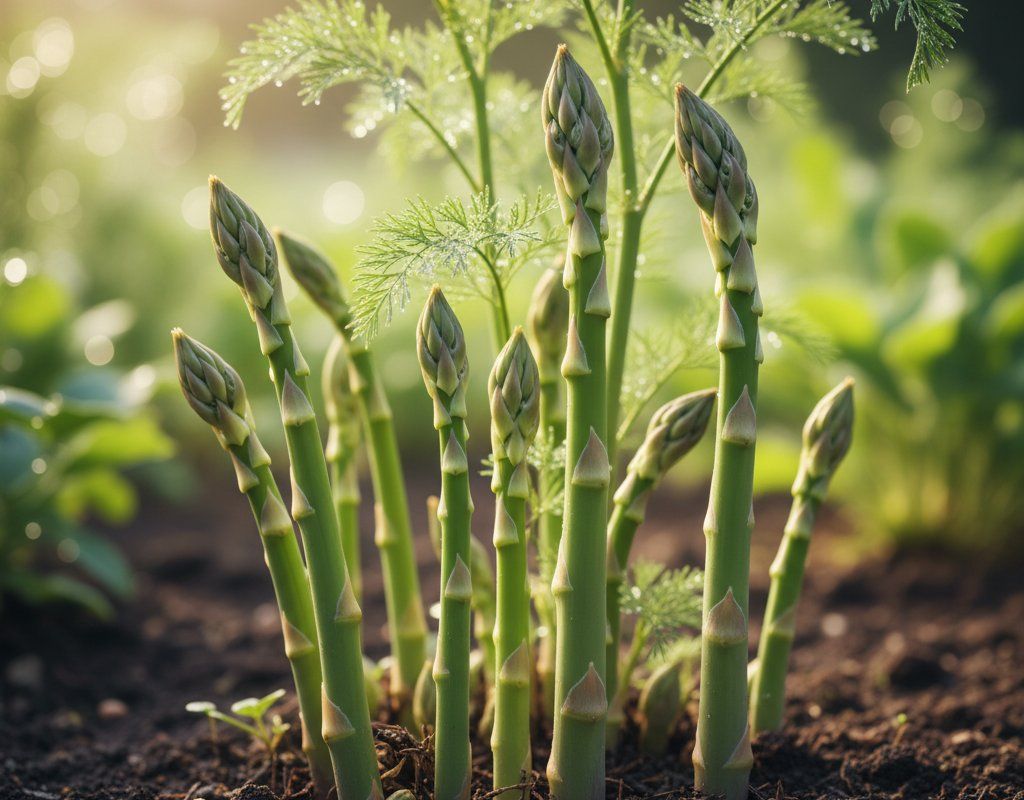



Companion Planting Details
Parsley makes an excellent companion for tomatoes, helping to repel some pests while attracting beneficial insects that prey on tomato hornworms and other garden problems. Plant parsley around the base of tomato cages or between tomato plants, where it appreciates the slight afternoon shade larger plants provide during our intense Gulf Coast summers. Asparagus and parsley also pair well, with parsley helping to deter asparagus beetles while benefiting from the light shade cast by mature asparagus fronds.
Avoid planting parsley near lettuce, as both plants attract similar pests and compete for the same soil nutrients in our intensive growing conditions. Mint should also be kept away from parsley – mint's aggressive spreading nature will overwhelm parsley plants, and both herbs prefer slightly different moisture levels that can be difficult to balance in our high-rainfall climate.
🌸Best Flowers to Plant with Parsley
These flowers protect your Parsley from pests and attract pollinators for better harvests.
For Pest Control




Get a Reminder When It's Time to Plant
We'll email you when key planting windows open for your zone.