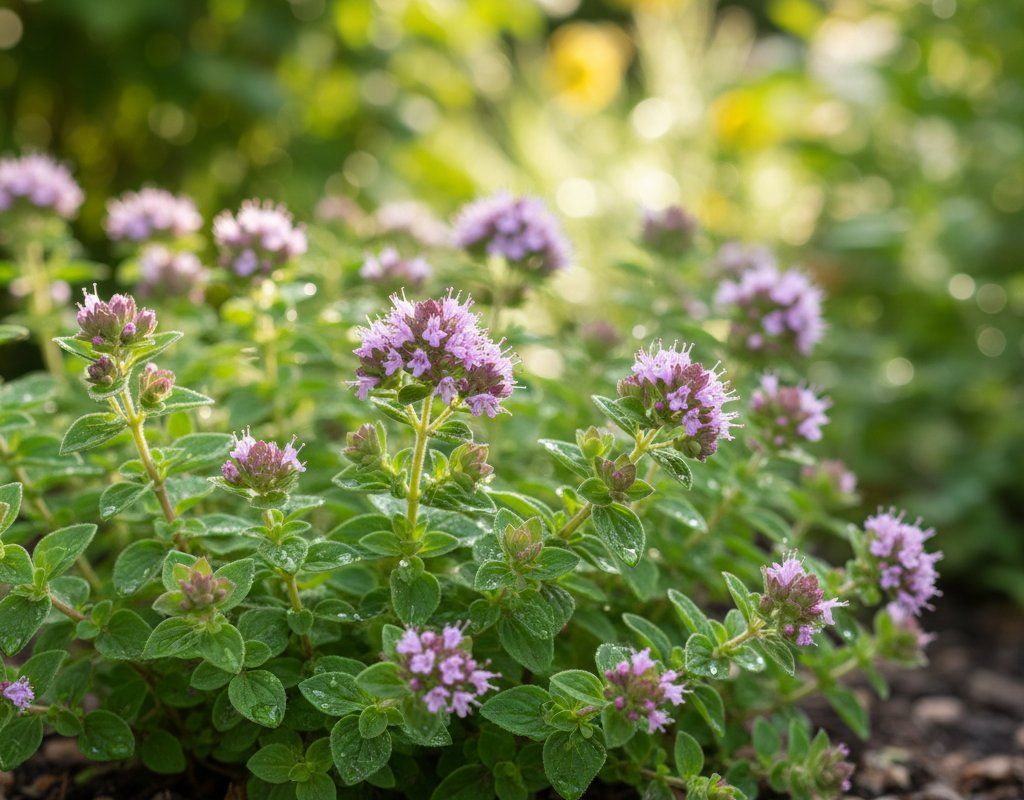
Oregano in Zone 9B — Gulf Coast
Origanum vulgare · Your Complete 2026 Planting Guide
Time to Buy Starts!
Seed starting window passed, but starts are available now.
Buy Starts Now
Head to your local nursery, Home Depot, or farmers market for transplants.
- Look for stocky plants with dark green leaves
- Avoid leggy seedlings or plants already flowering
- Check that roots aren't circling the pot (rootbound)
How to Plant Oregano in Zone 9B — Gulf Coast
Here are all your options for getting oregano in the ground, from the easiest method to more advanced approaches.
Buy Starts
RecommendedLate January through mid March
around January 30
Plant purchased starts after last frost (January 30).
Easy from seed but slow. Starts give faster results.
Start Seeds Indoors
Works WellLate November through mid December
around December 5
Then transplant: Late January through mid March
Start seeds 8-10 weeks before transplanting outdoors.
Direct Sow Seeds
Works WellLate January through mid October
around January 30
Consider succession planting every 2-3 weeks for continuous harvest.
Transplant Outdoors
Timing InfoLate January through mid March
around January 30
Can tolerate light frost, but wait for soil to be workable.
You have a nice window — no need to rush.
Overview
Oregano brings that essential Mediterranean flavor to your Gulf Coast garden, transforming everything from pizza sauce to grilled vegetables with its aromatic punch. In our long growing season, you can harvest fresh oregano for nearly ten months of the year, making it one of the most practical herbs for your kitchen garden. The intense heat actually concentrates the essential oils, giving Gulf Coast-grown oregano a particularly robust flavor that often surpasses store-bought versions.
While our high humidity can challenge some herbs with fungal issues, oregano's drought tolerance and preference for well-drained soil make it surprisingly adaptable to our climate. With proper timing and spacing for good air circulation, you'll have success with this hardy perennial throughout our 319-day growing season.
Starting Seeds Indoors
Starting oregano seeds indoors isn't the most common approach, but it makes sense if you want precise timing or multiple varieties. Begin your seeds in late November through mid December, about 8 weeks before your intended transplant date. Since oregano germinates slowly, this indoor head start can save you valuable time in the spring.
Set up your seed trays in a warm spot (65-70°F) with good light, and use bottom watering to keep soil consistently moist without creating the soggy conditions that invite fungal problems. The seeds are tiny, so barely cover them with soil. In our Gulf Coast climate where spring arrives early, indoor starting lets you have sturdy transplants ready when outdoor conditions are perfect.
Most gardeners here find that buying transplants is more practical since oregano is slow from seed, but starting your own gives you access to specialty varieties you won't find at local nurseries.
Transplanting Outdoors
Transplant your oregano seedlings outdoors from late January through mid March, when nighttime temperatures consistently stay above freezing. Even though oregano is frost-hardy, young transplants benefit from being established before our intense summer heat arrives. Space plants 12-18 inches apart to ensure good air circulation in our humid climate.
Harden off your seedlings gradually over a week, starting with just a few hours of filtered morning sun and working up to full exposure. This prevents transplant shock and helps them adjust to our outdoor humidity levels. Choose a sunny, well-drained spot since oregano despises wet feet, especially important during our heavy spring rainfall periods.
Plant on a calm, overcast day if possible, and water thoroughly at planting. Your transplants should establish quickly in our mild late winter weather, giving them time to develop strong root systems before summer's challenges arrive.
Direct Sowing
Direct sowing oregano works well in the Gulf Coast from late January through mid October, though spring sowings (February through April) tend to be most successful. Prepare your planting area by working in some compost to improve drainage, since oregano struggles in heavy clay that stays waterlogged during our frequent afternoon storms.
Scatter the tiny seeds thinly and barely cover with soil, keeping the area consistently moist until germination occurs in 7-14 days. Thin seedlings to 12-18 inches apart once they're large enough to handle. Direct-sown oregano takes longer to reach harvest size than transplants, but it often develops stronger root systems that better handle our summer stress.
Fall sowings work particularly well here since the plants can establish through our mild winter and be ready for heavy production by the following spring. Just remember that oregano is slow from seed, so patience is key with this method.
Watering Oregano in Zone 9B (Gulf Coast)
Despite our 50-65 inches of annual rainfall, oregano actually needs careful water management in the Gulf Coast. This Mediterranean herb prefers to dry out between waterings, which can be challenging during our wet summers. Focus on providing excellent drainage rather than frequent irrigation – overwatering dilutes the essential oils that give oregano its signature flavor.
During establishment, water deeply once or twice per week if we're not getting regular rainfall. Use the finger test: stick your finger 2 inches into the soil, and only water if it feels dry at that depth. Once established after 4-6 weeks, oregano becomes quite drought tolerant and may need supplemental water only during extended dry spells.
Water at the base of plants rather than overhead to reduce disease pressure in our high humidity. A soaker hose or drip irrigation works perfectly for oregano beds. Signs of overwatering include yellowing lower leaves and poor flavor, while underwatered plants will have drooping, grayish leaves.
Apply a light mulch around plants to retain soil moisture and prevent weeds, but keep mulch pulled back from plant stems to maintain air circulation. During our wettest periods, you may need to improve drainage around your oregano plants or they'll struggle with root rot issues.
Pruning & Maintaining Oregano
Oregano requires minimal pruning, but strategic cuts keep your plants productive and compact. Pinch off flower buds as they appear to maintain the best leaf flavor – once oregano flowers, the leaves become more bitter. Regular harvesting serves as natural pruning and encourages bushy growth.
Cut plants back by about one-third in midsummer (July or August) to prevent them from getting leggy in our heat and to encourage fresh, flavorful growth for fall harvesting. This rejuvenation pruning is especially important in the Gulf Coast where our long growing season can leave herbs looking tired by late summer.
In late fall, around late November or early December before our first frost potential, cut oregano back to about 2 inches above ground level. This prepares the plants for winter and encourages vigorous spring regrowth. Since oregano is perennial here, this annual cutback helps maintain plant health for years of production.
🧪Fertilizing Oregano
Feeding Schedule
Organic Fertilizer Options
Harvest Time
Your first oregano harvest typically begins in mid March and continues through late December, giving you nearly ten months of fresh herb production. Since oregano reaches maturity in about 45 days from transplant, you can start harvesting individual sprigs once plants reach 4+ inches tall.
For the best flavor, harvest oregano in the morning after dew has dried but before the heat of the day sets in. Cut stems just above a leaf pair, which encourages branching and more harvest opportunities. The most intense flavor comes just before flowering, but you can harvest anytime during the growing season.
Take no more than one-third of the plant at any single harvest to maintain plant health and continued production. Regular harvesting actually improves the plant – the more you cut, the more it produces. In our Gulf Coast climate, oregano often stays productive well into December, especially if you provide some protection during unexpected cold snaps.
For the freshest flavor, use oregano immediately after harvesting. The leaves also dry beautifully for winter storage – hang cut stems in a dry, well-ventilated area away from direct sunlight.
Common Problems in Zone 9B (Gulf Coast)
Root Rot Root rot appears as yellowing plants, stunted growth, and eventual plant collapse, often with blackened, mushy roots. In the Gulf Coast, this fungal disease thrives in our combination of high humidity, warm temperatures, and heavy rainfall that can waterlog soil. Poor drainage around oregano plants creates perfect conditions for root rot fungi to multiply.
Prevent root rot by ensuring excellent drainage – amend heavy clay soils with compost and plant oregano in raised beds or mounds. Space plants properly for air circulation and avoid overhead watering during humid periods. If root rot occurs, remove affected plants immediately and improve drainage before replanting.
Aphids Clusters of tiny, soft-bodied insects (green, black, or white) appear on stems and leaf undersides, leaving behind sticky honeydew residue and causing curled or distorted new growth. Our warm Gulf Coast temperatures allow aphid populations to explode rapidly, and they're particularly troublesome during mild winter periods when beneficial insects are less active.
Combat aphids with a strong water spray to knock them off plants, and encourage natural predators like ladybugs and lacewings by planting diverse flowering plants nearby. For heavy infestations, apply insecticidal soap or neem oil. Avoid excess nitrogen fertilizer, which makes plants more attractive to aphids.
Spider Mites Fine stippling on leaves (tiny white dots), delicate webbing on leaf undersides, and bronze or yellow foliage indicate spider mites. These tiny arachnids thrive in hot, dry conditions and can explode in population during drought periods, even in our typically wet climate.
Treat spider mites with daily strong water sprays for a week, focusing on leaf undersides where they hide. Increase humidity around plants and apply neem oil or insecticidal soap. Avoid broad-spectrum pesticides that kill beneficial predatory mites and other natural enemies.
Gulf Coast Specific Challenges Our extreme humidity creates constant disease pressure for oregano, making good air circulation and drainage absolutely essential. Position plants where they'll receive morning sun to dry dew quickly, and consider using fans in greenhouse settings to improve air movement during our most humid summer months.
Best Companions for Oregano
Plant these nearby for healthier Oregano and better harvests.

Keep Away From
Companion Planting Details
Oregano makes an excellent companion for heat-loving vegetables in the Gulf Coast garden. Plant it near peppers and tomatoes, where its aromatic oils help repel common pests like aphids and spider mites that plague these crops in our humid climate. Oregano also grows well alongside beans and squash, creating a Mediterranean-meets-Southern garden combination that thrives in our long, hot growing season.
The spreading growth habit of oregano provides living mulch around taller companion plants, helping retain soil moisture during dry spells while its drought tolerance means it won't compete heavily for water. There aren't any significant plants to avoid with oregano, making it one of the most versatile herbs for mixed plantings in your Gulf Coast garden.
🌸Best Flowers to Plant with Oregano
These flowers protect your Oregano from pests and attract pollinators for better harvests.
For Pest Control




Get a Reminder When It's Time to Plant
We'll email you when key planting windows open for your zone.