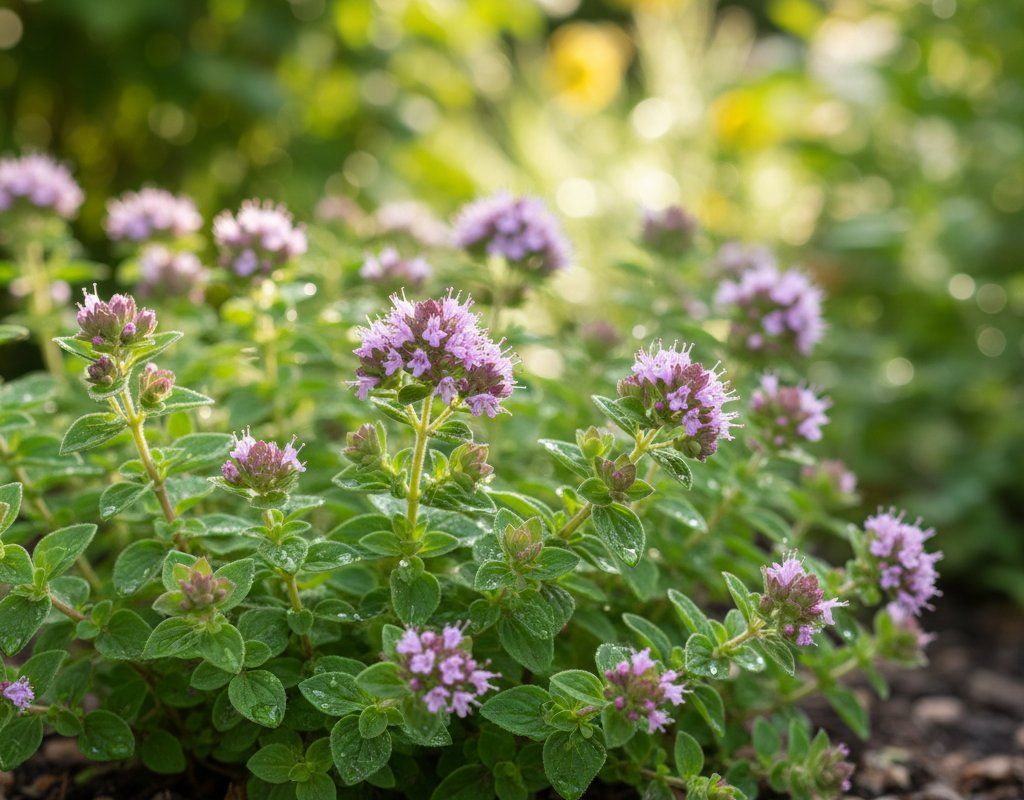
Oregano in Zone 9B — Southern California
Origanum vulgare · Your Complete 2026 Planting Guide
Time to Buy Starts!
Seed starting window passed, but starts are available now.
Buy Starts Now
Head to your local nursery, Home Depot, or farmers market for transplants.
- Look for stocky plants with dark green leaves
- Avoid leggy seedlings or plants already flowering
- Check that roots aren't circling the pot (rootbound)
How to Plant Oregano in Zone 9B — Southern California
Here are all your options for getting oregano in the ground, from the easiest method to more advanced approaches.
Buy Starts
RecommendedLate January through early March
around January 25
Plant purchased starts after last frost (January 25).
Easy from seed but slow. Starts give faster results.
Start Seeds Indoors
Works WellLate November through mid December
around November 30
Then transplant: Late January through early March
Start seeds 8-10 weeks before transplanting outdoors.
Direct Sow Seeds
Works WellLate January through late October
around January 25
Consider succession planting every 2-3 weeks for continuous harvest.
Transplant Outdoors
Timing InfoLate January through early March
around January 25
Can tolerate light frost, but wait for soil to be workable.
You have a nice window — no need to rush.
Overview
Oregano is a Mediterranean herb that absolutely thrives in Southern California's climate, offering intense flavor that puts store-bought versions to shame. With our mild winters and long growing season, you can harvest fresh oregano nearly year-round, making it perfect for everything from pizza sauce to grilled vegetables. The hot, dry summers that stress many herbs actually concentrate oregano's essential oils, giving you that robust flavor Mediterranean cooks prize.
Our 334-day growing season means oregano can establish strong roots during our mild winter months, then power through the summer heat with minimal water once established. While the inland heat and occasional Santa Ana winds can be challenging, proper timing and water-wise practices make oregano one of the most reliable herbs in the SoCal garden.
Starting Seeds Indoors
Starting oregano from seed indoors makes sense if you want specific varieties or are starting your herb garden during our cooler months. Start seeds from late November through mid-December, about 8 weeks before you plan to transplant outdoors in late January. This timing works well since our very early spring allows transplants to establish before summer heat arrives.
Use seed starting trays with a quality seed mix, keeping soil consistently moist but not soggy. Bottom watering prevents damping-off disease and keeps seedlings healthier. Oregano seeds need warmth to germinate (around 70°F), so a heat mat helps during our cooler winter nights.
Keep in mind that oregano is slow from seed, often taking 2-3 weeks just to germinate. If you're eager to start cooking with fresh oregano, buying transplants gives you a significant head start over seed starting.
Transplanting Outdoors
Transplant oregano outdoors from late January through early March, after our last frost risk passes. This timing puts young plants in the ground during our mild, often rainy winter weather, giving them time to establish before summer heat hits. The occasional warm spells we get in February are perfect for getting transplants settled.
Harden off seedlings gradually over a week, starting with a few hours of morning sun and building up to full outdoor exposure. Space plants 12-18 inches apart since oregano spreads as it matures. Our mild winters mean you don't need to worry about cold shock, but do protect young transplants from strong Santa Ana winds that can dry them out quickly.
Choose a spot with excellent drainage since oregano hates wet feet, especially during our winter rainy season. If your soil holds water, plant in raised beds or mounds to ensure proper drainage.
Direct Sowing
Direct sowing oregano works in Southern California's climate, though it requires patience since germination can be slow and uneven. You can sow seeds from late January through late October, with the best window being late winter through early spring when soil moisture is naturally higher from winter rains.
Prepare your soil by working in some sand or perlite if drainage is poor - oregano seeds won't germinate in soggy soil. Scatter seeds lightly and barely cover them, as they need some light to germinate. Keep the soil consistently moist during the 2-3 week germination period, which can be challenging during our dry summer months.
Space plantings 12-18 inches apart, thinning seedlings once they're established. Direct sowing works best in coastal areas where temperatures are more moderate. Inland gardeners often have better luck with transplants due to the intense summer heat.
Watering Oregano in Zone 9B (Southern California)
Oregano is beautifully drought-tolerant once established, making it perfect for our water-conscious Southern California gardens. During the first 4-6 weeks after transplanting, water regularly to help roots establish - about 1 inch per week including rainfall. After establishment, oregano needs very little supplemental water except during the hottest inland summer days.
In our typical winter-wet, summer-dry pattern, established oregano often needs no irrigation from December through March when winter rains provide moisture. From April through November, water deeply but infrequently - about ½ inch per week is plenty. Check soil moisture with the finger test: stick your finger 2 inches down, and only water if it's dry at that depth.
Water at the base of plants rather than overhead to prevent fungal issues in our occasional humid conditions, especially near the coast. Signs of overwatering include yellow leaves and soft, mushy stems - oregano prefers to be on the dry side. Underwatered plants will have grayish, wilted leaves, but they bounce back quickly with a deep drink.
A light layer of gravel or decomposed granite mulch helps regulate soil moisture while reflecting heat away from roots during our intense summer months. Avoid thick organic mulches that can hold too much moisture against the stems.
Pruning & Maintaining Oregano
Oregano needs minimal pruning, but a mid-summer trim keeps plants compact and encourages fresh, flavorful growth. Cut back about one-third of the plant in July or August when the inland heat starts stressing the foliage. This removes any leggy growth and promotes bushier plants with better flavor concentration.
Pinch off flower buds as they appear to keep leaves tender and flavorful - once oregano flowers, the leaves become more bitter. If you let a few plants flower for the bees, harvest leaves from non-flowering stems for cooking.
In late fall, around November, cut plants back to about 2 inches from the ground. This winter pruning prepares oregano for our mild winter growing season and prevents the centers from becoming woody. Since our first frost doesn't usually arrive until late December, plants will often put out fresh growth after this late-season pruning.
🧪Fertilizing Oregano
Feeding Schedule
Organic Fertilizer Options
Harvest Time
Your first oregano harvest typically begins from mid-March through early May, about 45 days after transplanting or once direct-sown plants reach 4+ inches tall. The beauty of oregano in Southern California is that you can harvest fresh sprigs almost year-round, with only a brief pause during the coolest winter weeks.
Harvest oregano sprigs by cutting stems just above a pair of leaves - this encourages branching and more growth. The most intense flavor comes from leaves harvested just before the plant flowers, typically in late spring and early summer. Morning harvest, after dew dries but before the heat of the day, gives you the highest essential oil content.
Cut what you need regularly throughout our long growing season, taking up to one-third of the plant at a time. Oregano responds to frequent harvesting with more vigorous growth, so don't be shy about cutting stems. The plant continues producing new growth through fall until our first frost in late December.
During peak summer heat, leaves may become slightly more concentrated in flavor but also tougher in texture. The tender new growth that appears after your mid-summer pruning often provides the best-quality leaves for fresh use through fall.
Common Problems in Zone 9B (Southern California)
Root Rot Yellowing leaves starting from the bottom, soft black roots, and a general wilted appearance despite moist soil indicate root rot. In Southern California, this typically happens when oregano sits in poorly-drained soil during our winter rainy season or when gardeners overwater during summer heat. Our clay soils in many areas can compound this problem. Improve drainage immediately by adding sand or perlite to the soil, reduce watering frequency, and consider transplanting to raised beds or containers with better drainage.
Aphids Look for clusters of tiny green, black, or white soft-bodied insects on stems and leaf undersides, along with sticky honeydew residue and curled new growth. Our warm weather allows aphid populations to explode rapidly, and they're often farmed by ants in SoCal gardens. A strong water spray knocks them off effectively - do this daily for a week. Encourage natural predators like ladybugs and lacewings, and use insecticidal soap for heavy infestations. Avoid excess nitrogen fertilizer, which makes plants more attractive to aphids.
Spider Mites Fine stippling on leaves (tiny white dots), webbing on leaf undersides, and bronze or yellowing foliage signal spider mites. These tiny arachnids thrive in our hot, dry inland conditions and explode during drought stress or when plants are weakened by Santa Ana winds. Strong daily water sprays for a week are your best defense, along with increasing humidity around plants. Neem oil works well, and predatory mites can provide long-term control. Avoid broad-spectrum pesticides that kill beneficial predators.
Southern California Specific Challenges Our hot, dry summers with low to moderate humidity create ideal conditions for spider mites while our occasional wet winters can promote root rot if drainage isn't adequate. The combination of intense inland heat and water restrictions means finding the balance between adequate moisture and drought tolerance. Santa Ana winds can stress plants and create conditions favorable to pest outbreaks.
Best Companions for Oregano
Plant these nearby for healthier Oregano and better harvests.

Keep Away From
Companion Planting Details
Oregano makes an excellent companion for heat-loving vegetables in Southern California gardens. Plant it near tomatoes, peppers, and squash - the oregano's strong scent helps deter aphids and other soft-bodied insects while its low water needs complement these summer crops. Beans also pair well since oregano's spreading habit provides living mulch that helps retain soil moisture around bean roots during our hot summers.
Oregano has no significant bad companions, making it one of the most garden-friendly herbs you can grow. Its drought tolerance and Mediterranean preferences mean it fits naturally into water-wise plantings with other herbs like rosemary, thyme, and sage. The key is matching water needs - avoid planting oregano next to moisture-loving plants that require frequent irrigation.
🌸Best Flowers to Plant with Oregano
These flowers protect your Oregano from pests and attract pollinators for better harvests.
For Pest Control




Get a Reminder When It's Time to Plant
We'll email you when key planting windows open for your zone.