
Parsley in Zone 10A — Desert Southwest
Petroselinum crispum · Your Complete 2026 Planting Guide
You Can Still Sow!
Direct sowing window is open for Parsley.
Direct Sow Now
Parsley is slow to germinate (2-4 weeks). Soaking seeds helps.
How to Plant Parsley in Zone 10A — Desert Southwest
Here are all your options for getting parsley in the ground, from the easiest method to more advanced approaches.
Direct Sow Seeds
RecommendedEarly January through early October
around January 6
Consider succession planting every 2-3 weeks for continuous harvest.
Parsley is slow to germinate (2-4 weeks). Soaking seeds helps.
Start Seeds Indoors
RecommendedEarly to late November
around November 11
Then transplant: Early January through early February
Start seeds 8-10 weeks before transplanting outdoors.
Start indoors 8-10 weeks early due to slow germination.
Buy Starts
Works WellEarly January through early February
around January 6
Plant purchased starts after last frost (January 20).
Transplant Outdoors
Timing InfoEarly January through early February
around January 6
Can tolerate light frost, but wait for soil to be workable.
You have a nice window — no need to rush.
Fall Planting
Early October through early November
October 23 ideal · Direct sow for fall harvest
Plant a second crop in mid-summer for fall harvest. Parsley actually prefers the cooling temperatures of fall.
Overview
Parsley is one of the most rewarding herbs you can grow in our Desert Southwest climate. This Mediterranean native actually thrives in our alkaline soil and low humidity, producing flavorful leaves that far surpass anything you'll find in the grocery store. Fresh parsley transforms everything from morning eggs to evening tacos, and having a continuous supply just steps from your kitchen makes daily cooking more enjoyable.
Our extreme heat and arid conditions can stress many herbs, but parsley's natural resilience shines here. With our 339-day growing season, you can harvest fresh parsley nearly year-round by timing your plantings right. The key is working with our two distinct growing seasons rather than fighting our summer heat.
Starting Seeds Indoors
Starting parsley seeds indoors makes sense during our hottest months when direct sowing becomes challenging. Begin seeds in early to late November, about 8 weeks before you plan to transplant in early winter. This timing lets you establish strong seedlings while avoiding the stress of summer germination.
Set up seed trays in a warm spot around 70°F, using bottom watering to keep soil consistently moist without creating fungal problems. Parsley seeds are notoriously slow to germinate—expect 2-4 weeks even under ideal conditions. Soaking seeds overnight before planting can cut this time in half.
Once seedlings develop their second set of true leaves, they'll need bright light or grow lights. Our very early spring character means you can move these seedlings outdoors much sooner than gardeners in cooler climates, making the indoor start period relatively short.
Transplanting Outdoors
Transplant your parsley seedlings outdoors from early January through early February, when nighttime temperatures stay consistently above freezing. This timing takes advantage of our mild winter weather and gives plants time to establish before our intense spring heat arrives.
Harden off seedlings gradually over one week, starting with morning sun only and building up to full outdoor exposure. Space plants 6-10 inches apart in prepared beds—parsley's rosette growth habit needs room to spread without crowding.
Watch for those unexpected late January cold snaps that can surprise new transplants. Have row cover ready, though parsley handles light frost better than most herbs. The bigger concern is transplant shock during warm, windy days that can quickly dry out young roots.
Direct Sowing
Direct sowing parsley works well in our desert climate, especially during our cooler months from early January through early October. The main challenge is parsley's famously slow germination—seeds can take 2-4 weeks to sprout, requiring consistent moisture during our dry conditions.
Prepare your planting area by working compost into the soil to improve water retention. Soak seeds overnight before planting to speed germination, then sow them ¼ inch deep with 6-10 inches spacing. Keep the soil surface consistently moist but not waterlogged during the germination period.
Fall planting from early October through early November often gives better results than spring direct sowing. Cooler temperatures reduce stress on emerging seedlings, and you'll avoid the rapid soil temperature swings that can happen during our early spring warm spells.
Watering Parsley in Zone 10A (Desert Southwest)
Parsley needs moderate, consistent water throughout our growing season—about 1 to 1.5 inches per week including rainfall. During our arid months outside monsoon season, you'll provide most of this through irrigation. The key is maintaining steady soil moisture without creating waterlogged conditions that lead to crown rot.
Use the finger test regularly: stick your finger 2 inches into the soil near the plant base. If it's dry at that depth, it's time to water. During extreme heat periods when temperatures hit 105°F or higher, you may need to water every other day to prevent wilting. Always water at the base rather than overhead—our low humidity means foliar watering evaporates quickly without benefiting the plant.
Apply 2-3 inches of organic mulch around plants to conserve moisture and moderate soil temperature swings. Wood chips or shredded bark work well here, helping soil retain the consistent moisture parsley prefers. During monsoon season, back off supplemental watering and watch for signs of overwatering like yellowing lower leaves.
Signs of underwatering include wilting during cool parts of the day and leaf edges turning brown. Overwatered parsley shows yellowing leaves starting from the bottom and soft, mushy stems near soil level. Adjust your watering schedule based on these visual cues rather than sticking rigidly to a calendar.
🧪Fertilizing Parsley
Feeding Schedule
Organic Fertilizer Options
Harvest Time
Your first parsley harvest typically begins from mid-March through early January, about 70 days after planting. Look for stems with at least three segments of mature leaves—these outer stems are ready when they're 4-6 inches tall and deep green in color.
Always cut stems at the base near soil level rather than picking individual leaves from the tips. This harvesting method encourages new growth from the center of the plant and keeps your parsley producing continuously. Use clean scissors or garden shears to make clean cuts that won't invite disease.
Harvest regularly every 2-3 weeks during active growing periods to keep plants productive. In our desert climate, parsley often performs as an annual rather than its typical biennial habit, so focus on leaf production during the first year. If plants do survive to their second year, they'll bolt and flower, which makes leaves bitter.
As our first frost approaches in late December, harvest heavily and preserve what you can't use fresh. Parsley freezes well when chopped and stored in ice cube trays with water, giving you homegrown flavor through the brief period when outdoor plants may struggle.
Common Problems in Zone 10A (Desert Southwest)
Slow Germination Parsley seeds sitting in soil for 3-4 weeks without sprouting, sometimes longer during cool weather. Seeds may rot in soil before germinating, especially during inconsistent watering. Our desert temperature swings between day and night can slow germination even further than normal. Dry surface soil during germination period kills emerging seedlings before they establish. Soak seeds overnight before planting and maintain consistent soil moisture. Consider starting seeds indoors where you can control conditions better. Cover seeded areas with shade cloth during hot spells to prevent soil from drying out completely.
Crown Rot Soft, mushy stems at soil level, often with dark discoloration. Lower leaves turn yellow and drop. Plant may collapse suddenly despite adequate watering. Overwatering combined with our alkaline, clay-heavy soils creates perfect conditions for fungal diseases. Poor drainage from caliche layers compounds the problem. Improve soil drainage by adding compost and planting in raised beds or mounds. Water at soil level only, never on foliage. Space plants properly for air circulation and avoid overhead watering during humid monsoon periods.
Carrot Rust Fly Small dark flies hovering around plants, followed by wilting foliage despite adequate water. Rusty brown tunnels visible in taproot if you dig up affected plants. These flies are attracted to the carrot family, including parsley. Adults lay eggs near plant stems, and larvae tunnel into roots. Use row covers during peak fly seasons in spring and fall. Interplant with onions or garlic—their strong scent confuses the flies. Avoid thinning or transplanting when flies are active, as damaged foliage releases attractive scents.
Desert Southwest Specific Challenges: Our extreme summer heat often forces parsley into early dormancy, while monsoon humidity can trigger fungal problems. The combination of alkaline soil and intense UV exposure can cause leaf scorch even in partial shade. Plan for shade cloth protection during peak summer months and focus your main growing efforts during our milder fall through spring period.
Best Companions for Parsley
Plant these nearby for healthier Parsley and better harvests.
View Full Companion Planting Chart →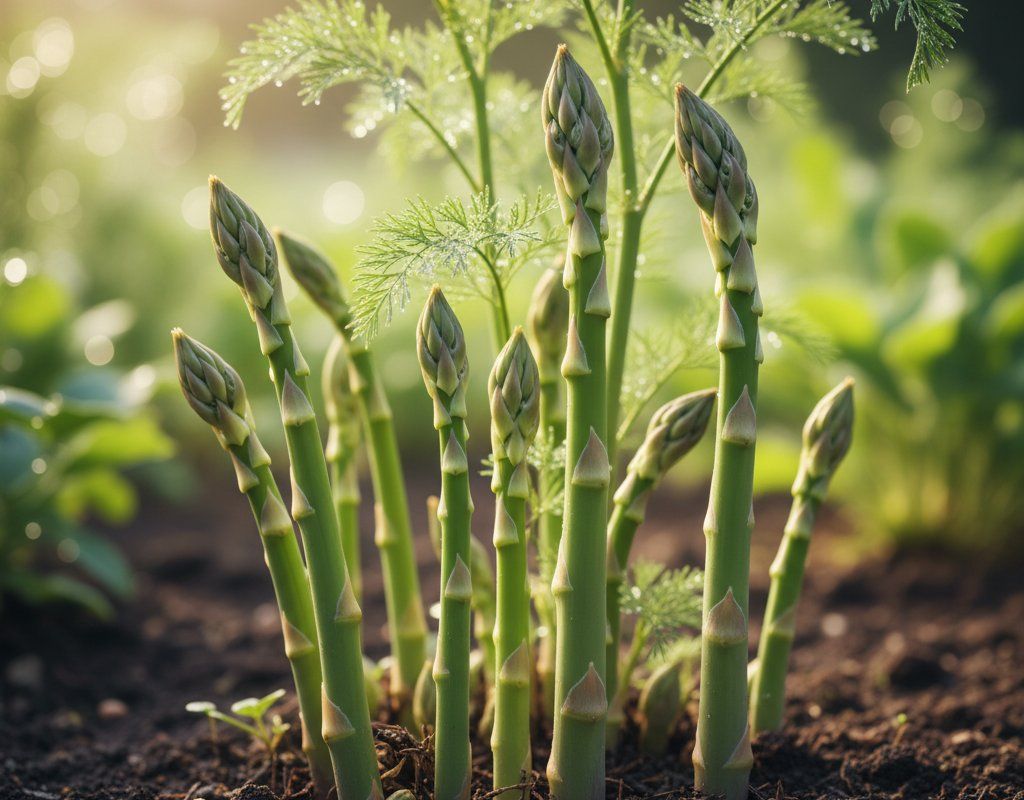



Companion Planting Details
Parsley makes an excellent companion for tomatoes, asparagus, and corn in Desert Southwest gardens. Plant parsley near tomatoes to help repel aphids and whiteflies—common pests in our warm climate. The herb's deep taproot also helps break up caliche layers, improving drainage for shallow-rooted companions. Asparagus and parsley work well together because both prefer consistent moisture and can share drip irrigation lines effectively.
Avoid planting parsley near lettuce or mint in our desert conditions. Lettuce requires much more frequent watering than parsley can tolerate, leading to root rot issues. Mint's aggressive spreading habit competes for water resources that are already limited in our arid climate. Keep these plants in separate irrigation zones to meet their different water needs successfully.
🌸Best Flowers to Plant with Parsley
These flowers protect your Parsley from pests and attract pollinators for better harvests.
For Pest Control




Get a Reminder When It's Time to Plant
We'll email you when key planting windows open for your zone.