
Parsley in Zone 10A — Southern California
Petroselinum crispum · Your Complete 2026 Planting Guide
You Can Still Sow!
Direct sowing window is open for Parsley.
Direct Sow Now
Parsley is slow to germinate (2-4 weeks). Soaking seeds helps.
How to Plant Parsley in Zone 10A — Southern California
Here are all your options for getting parsley in the ground, from the easiest method to more advanced approaches.
Direct Sow Seeds
RecommendedEarly January through early October
around January 1
Consider succession planting every 2-3 weeks for continuous harvest.
Parsley is slow to germinate (2-4 weeks). Soaking seeds helps.
Start Seeds Indoors
RecommendedLate October through mid November
around November 6
Then transplant: Early to late January
Start seeds 8-10 weeks before transplanting outdoors.
Start indoors 8-10 weeks early due to slow germination.
Buy Starts
Works WellEarly to late January
around January 1
Plant purchased starts after last frost (January 15).
Transplant Outdoors
Timing InfoEarly to late January
around January 1
Can tolerate light frost, but wait for soil to be workable.
You have a nice window — no need to rush.
Fall Planting
Mid October through mid November
October 28 ideal · Direct sow for fall harvest
Plant a second crop in mid-summer for fall harvest. Parsley actually prefers the cooling temperatures of fall.
Overview
Parsley thrives in Southern California's year-round growing climate, giving you fresh herbs whenever you need them. Unlike gardeners in colder regions who struggle with short seasons, you can harvest parsley practically all year long thanks to our mild winters and extended growing periods. The flavor of homegrown parsley is dramatically more vibrant than store-bought, and having it steps from your kitchen means you'll actually use it in everything from chimichurri to garnishes.
Our hot, dry summers and occasional water restrictions can challenge herb growing, but parsley's timing works perfectly with Southern California's patterns. With 349 days of growing season, you can plant multiple crops and keep a steady supply going. The key is understanding when to plant to avoid the harshest summer heat and take advantage of our excellent fall growing conditions.
Starting Seeds Indoors
Starting parsley seeds indoors makes sense in Southern California if you want precise timing or maximum germination rates. Sow seeds late October through mid-November, about 8 weeks before your planned transplant date in early January. Parsley seeds are notoriously slow to germinate—often taking 3-4 weeks—so indoor starting gives you better control over the process.
Set up your seed trays in a warm spot (65-70°F) with good light once seedlings emerge. Bottom watering works best for parsley since the seeds and young seedlings prefer consistent moisture without getting waterlogged. The controlled environment helps you maintain that steady moisture during our sometimes unpredictable winter weather patterns.
Since Southern California has such a long growing season, indoor starting isn't essential like it would be in colder climates. You're mainly doing it for timing convenience rather than necessity, which gives you flexibility to skip this step if you prefer direct sowing.
Transplanting Outdoors
Transplant your indoor-started parsley seedlings from early to late January, when our mild winter weather provides ideal conditions. You'll want to harden them off gradually over a week, giving them increasing outdoor exposure during the day before leaving them out permanently. Start with a few hours of morning sun and work up to full-day exposure.
Space your transplants 6-10 inches apart to give them room to develop their characteristic rosette growth pattern. Parsley appreciates some afternoon shade during our hotter months, so consider placement carefully if you're planting in January for summer growing. The cooler January temperatures make transplant shock minimal compared to other regions.
Our very early spring character means these January transplants will start growing actively much sooner than you might expect. By mid-March, you should be harvesting outer stems regularly, taking advantage of the cool, moist conditions before summer heat arrives.
Direct Sowing
Direct sowing parsley works well in Southern California from early January through early October, though timing affects your success rate. The extended planting window gives you flexibility other regions don't have, but choose your timing based on when you want to harvest and what weather you want to avoid.
Parsley seeds need consistent soil moisture to germinate, which can take 2-4 weeks even under good conditions. Soaking seeds overnight before planting helps speed things up. Prepare your soil well and keep it consistently moist during the long germination period—this is easier during our wet winter months than during dry summer periods.
Space seeds 6-10 inches apart in rows or scatter in prepared beds. The slow germination means you won't see results quickly, but direct-sown plants often establish stronger root systems than transplants. Just be patient and don't let the soil dry out during those crucial first few weeks.
Watering Parsley in Zone 10A (Southern California)
Parsley needs moderate, consistent watering throughout the growing season, and it's not drought-tolerant like many herbs you can grow successfully here. In Southern California's climate, this means adjusting your watering schedule dramatically between our wet winters and dry summers. During winter months, natural rainfall often provides most of what parsley needs, but summer growing requires regular irrigation.
Aim for about 1 inch of water per week during active growing periods, checking soil moisture with the finger test—stick your finger 2 inches down, and water when it feels dry at that depth. Water at the base of plants rather than overhead to minimize disease issues and conserve water during our frequent drought conditions. The low-to-moderate humidity here means less disease pressure than humid climates, but consistent soil moisture remains crucial.
During germination, keeping soil consistently moist for 2-4 weeks is your biggest challenge, especially if you're starting seeds during our dry season. This is one reason why many SoCal gardeners time their parsley plantings for late fall or winter when natural moisture helps. Summer plantings need daily attention to moisture levels.
Apply 2-3 inches of mulch around established plants to help retain soil moisture and reduce watering needs. This is particularly important during our hot summer months and when water restrictions limit your irrigation options. Signs of underwatering include yellowing older leaves and stunted growth, while overwatering shows up as yellowing from the center out and potential crown rot issues.
🧪Fertilizing Parsley
Feeding Schedule
Organic Fertilizer Options
Harvest Time
Your first parsley harvest typically comes mid-March through early January, depending on when you planted. With our 70-day maturity period and year-round growing season, you have incredible flexibility in timing multiple plantings for continuous harvests. Look for outer stems that have developed 3 distinct leaf segments—these are ready to cut.
Always harvest by cutting stems at the base near the soil line rather than pinching tips. This encourages the plant to produce new growth from the center and maintains the productive rosette shape. Take the outer stems first, working your way inward, and never harvest more than one-third of the plant at once to keep it productive.
Parsley is biennial, meaning it focuses on leaf production the first year and flowers the second year. In Southern California's mild climate, plants often overwinter successfully and bolt to seed the following spring. You can extend the leaf-producing period by pinching off flower stalks as they appear, but the leaves become more bitter once flowering starts.
With our late December first frost, you can often harvest well into winter. Even if the tops get touched by frost, the roots usually survive and regrow. This makes fall plantings particularly valuable since you get harvests through winter and into the following spring before the plants bolt.
Common Problems in Zone 10A (Southern California)
Slow Germination Parsley seeds can take 3-4 weeks to germinate even under ideal conditions, and they often fail completely if conditions aren't right. You'll see uneven or spotty emergence, or nothing at all after a month of waiting. This happens because parsley seeds have natural germination inhibitors that evolved to prevent sprouting during brief wet periods in Mediterranean climates.
Pre-soaking seeds in warm water for 12-24 hours before planting helps break down these inhibitors. Some gardeners pour boiling water over the seeds and let them cool overnight. Consistent soil moisture and temperatures around 65-70°F during the germination period are crucial. Don't give up too early—some seeds may still emerge after a month.
Carrot Rust Fly Small dark flies hovering around your parsley plants signal carrot rust fly problems. You'll notice rusty brown tunnels in any nearby carrot roots, and parsley foliage may wilt despite adequate watering. These flies lay eggs near the base of parsley stems, and the larvae tunnel into roots and stems of parsley and related plants.
Row covers provide the most effective prevention during fly active periods in spring and fall. Interplanting with onions helps confuse the flies with competing scents. Avoid thinning or handling plants during peak fly activity since bruised leaves release attractive chemicals. In Southern California, timing plantings to avoid peak fly periods gives you better success.
Crown Rot The center of your parsley plant turns black and mushy, often spreading outward to kill the entire plant. This typically happens during periods of high moisture combined with warm temperatures, which can occur during our occasionally wet winter periods. Overwatering during summer months also creates ideal conditions for crown rot fungi.
Ensure good drainage in your planting area and avoid overhead watering that keeps the crown wet. Water at the base of plants and provide adequate spacing for air circulation. If you notice early signs, reduce watering and improve drainage around affected plants. Once crown rot is established, the plant usually can't be saved.
Southern California Specific Challenges Our combination of hot, dry summers and mild, wet winters creates unique timing challenges for parsley. The low-to-moderate humidity reduces some disease pressure but makes consistent soil moisture harder to maintain during dry periods. Santa Ana winds can quickly desiccate plants, while water restrictions may limit your ability to provide the consistent moisture parsley needs for germination and growth.
Best Companions for Parsley
Plant these nearby for healthier Parsley and better harvests.
View Full Companion Planting Chart →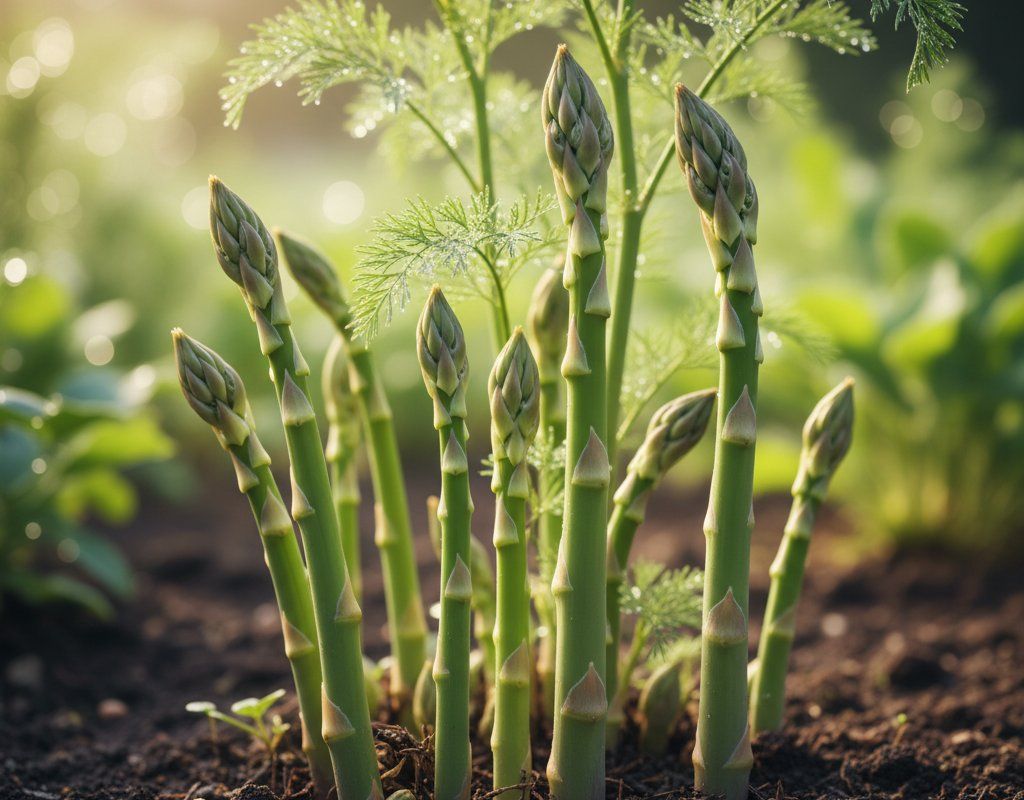



Companion Planting Details
Parsley makes an excellent companion for tomatoes, asparagus, corn, and roses in Southern California gardens. Tomatoes benefit from parsley's ability to attract beneficial insects that prey on tomato pests, while the parsley appreciates some afternoon shade from larger tomato plants during our intense summer heat. Asparagus and parsley work well together because they have similar water needs and parsley's harvest season complements asparagus perfectly.
Corn provides natural shade for parsley during hot summer months, and parsley's strong scent may help deter some corn pests. Roses and parsley share similar moderate watering needs, and parsley attracts beneficial insects that help with rose pest control. However, avoid planting parsley near lettuce since both compete for similar nutrients and space, and parsley's stronger root system often wins. Keep parsley away from mint as well—mint's aggressive spreading habit will overwhelm parsley plants, and mint's water needs don't match parsley's more moderate requirements.
🌸Best Flowers to Plant with Parsley
These flowers protect your Parsley from pests and attract pollinators for better harvests.
For Pest Control




Get a Reminder When It's Time to Plant
We'll email you when key planting windows open for your zone.