
Yarrow in Zone 10A — Southern California
Achillea millefolium · Your Complete 2026 Planting Guide
You Can Still Sow!
Direct sowing window is open for Yarrow.
Direct Sow Now
Plant seeds directly in prepared garden soil.
How to Plant Yarrow in Zone 10A — Southern California
Here are all your options for getting yarrow in the ground, from the easiest method to more advanced approaches.
Buy Starts
RecommendedEarly to late January
around January 1
Plant purchased starts after last frost (January 15).
Perennial. Buy starts for flowers the first year.
Start Seeds Indoors
Works WellLate October through mid November
around November 6
Then transplant: Early to late January
Start seeds 8-10 weeks before transplanting outdoors.
Direct Sow Seeds
Works WellMid January through mid October
around January 15
Consider succession planting every 2-3 weeks for continuous harvest.
Transplant Outdoors
Timing InfoEarly to late January
around January 1
Can tolerate light frost, but wait for soil to be workable.
You have a nice window — no need to rush.
Overview
Yarrow is a fantastic addition to any Southern California garden. Its feathery foliage and clusters of blooms add beauty, and the flowers are great for drying and using in arrangements. Plus, it attracts beneficial insects to your garden, making it a valuable companion plant for your veggies!
While we deal with drought and occasional heat waves here in SoCal, Yarrow is surprisingly resilient. Our long growing season—almost year-round—gives you plenty of opportunities to get it established and enjoy its benefits. With a little planning, you can easily incorporate this drought-tolerant beauty into your landscape.
Starting Seeds Indoors
Starting Yarrow indoors isn't strictly necessary in our mild climate, but it can give you a head start, especially if you want blooms sooner. Begin your seeds indoors from late October through mid November, about eight weeks before you plan to transplant. This timing takes advantage of our very-early spring.
Use seed trays with a good seed-starting mix and keep them in a warm, bright location—a sunny windowsill or under grow lights works well. Bottom watering helps prevent damping-off; just set the tray in a shallow dish of water and let the soil absorb it.
Transplanting Outdoors
Transplant your Yarrow seedlings outdoors from early to late January. Before planting, harden them off by gradually exposing them to outdoor conditions for about a week. This prevents transplant shock.
Choose a sunny spot with well-drained soil, spacing plants 12-18 inches apart. Even though our winters are mild, keep an eye on the forecast and protect young plants from any unexpected cold snaps. Buying starts from a local nursery is a great way to get a jump start and enjoy flowers the first year.
Direct Sowing
Direct sowing Yarrow is an easy option in our climate, thanks to our long growing season. You can sow seeds directly into the garden from mid January through mid October. This gives the seeds plenty of time to germinate and establish before the first frost.
Prepare the soil by loosening it and removing any weeds. Scatter the seeds lightly over the surface, then gently press them into the soil. Keep the soil consistently moist until the seedlings emerge. Thin the seedlings to 12-18 inches apart once they are a few inches tall.
Watering Yarrow in Zone 10A (Southern California)
Yarrow is incredibly drought-tolerant once it's established, making it a perfect fit for water-wise Southern California gardens. During our winter-wet season, natural rainfall might be enough, but during the dry months, you'll need to supplement. The key is to avoid overwatering, which can lead to floppy growth.
During the warmer months, especially when the summer heat inland kicks in, water deeply about once a week. Use the "finger test"—stick your finger into the soil about two inches deep. If it feels dry, it's time to water. Aim for about 1 inch of water per week, but adjust based on rainfall and soil conditions.
Water at the base of the plant to avoid wetting the foliage, as our low-to-moderate humidity can still encourage fungal diseases if the leaves stay wet for too long. A layer of mulch around the base of the plant helps retain moisture and suppress weeds, which is especially helpful during our fire season. Yellowing leaves can signal overwatering, while wilting indicates underwatering.
Pruning & Maintaining Yarrow
Pruning Yarrow is simple and helps keep the plant looking its best. Deadhead spent flowers regularly throughout the growing season to encourage more blooms. This is especially important if you want a second flush of flowers.
Towards the end of the season, as our first frost approaches around late December, cut the plant back to its basal foliage. This helps tidy up the plant for winter and encourages new growth in the spring. Because Yarrow can be aggressive, divide the clumps every 2-3 years to prevent overcrowding.
🧪Fertilizing Yarrow
Feeding Schedule
Organic Fertilizer Options
Harvest Time
You can expect your first harvest of Yarrow blooms from late March through early January, roughly 65 days after planting. Harvest the flowers when they are fully open, as this is when they are at their peak for drying and using in arrangements. Yarrow is an excellent dried flower, retaining its color and shape beautifully.
To harvest, simply cut the stems just above a leaf node. This encourages the plant to produce more flowers. Continue harvesting throughout the growing season to enjoy a continuous supply of blooms. Even as the first frost approaches in late December, you can still harvest any remaining flowers for drying.
Common Problems in Zone 10A (Southern California)
Here are a few common problems you might encounter with Yarrow in Southern California:
Aggressive Spreading
- What it looks like: Yarrow rapidly colonizes an area, spreading via underground rhizomes and potentially crowding out other plants.
- What causes it: Our long growing season and mild winters allow Yarrow to spread almost year-round.
- How to fix/prevent it: Plant Yarrow in a contained area or use barriers to prevent rhizome spread. Divide the plant regularly to keep it in check. Remove unwanted growth promptly.
Powdery Mildew
- What it looks like: White or grayish powdery coating on leaves, stems, and sometimes flower heads. Leaves may curl, yellow, and eventually die.
- What causes it: Various fungi thrive in warm days, cool nights, and moderate humidity. Dry leaf surfaces actually favor it.
- How to fix/prevent it: Improve air circulation by spacing plants adequately and pruning dense growth. Remove and dispose of affected leaves. Apply neem oil or potassium bicarbonate sprays. A milk spray (1 part milk to 9 parts water) can also be effective.
Aphids
- What it looks like: Clusters of tiny soft-bodied insects (green, black, or white) on stems and leaf undersides. Sticky honeydew residue. Curled or distorted new growth.
- What causes it: Rapid-reproducing sap-sucking insects. Populations explode in warm weather. Ant colonies may farm them for honeydew.
- How to fix/prevent it: Knock aphids off plants with a strong water spray. Encourage natural predators like ladybugs and lacewings. Apply insecticidal soap for heavy infestations or neem oil for systemic control. Avoid over-fertilizing with nitrogen, as it attracts aphids.
Southern California Specific Challenges: Our hot, dry summers and winter-wet rainfall patterns can present unique challenges for Yarrow. While drought-tolerant, prolonged periods of extreme heat and drought, especially inland, can stress the plant. Ensure adequate watering during these times, but avoid overwatering, especially during our humid winter months. Watch out for powdery mildew if humidity spikes.
Best Companions for Yarrow
Plant these nearby for healthier Yarrow and better harvests.
View Full Companion Planting Chart →

Companion Planting Details
Yarrow makes a great companion plant in the Southern California garden. It attracts beneficial insects like ladybugs and lacewings, which prey on pests that can harm your vegetable crops.
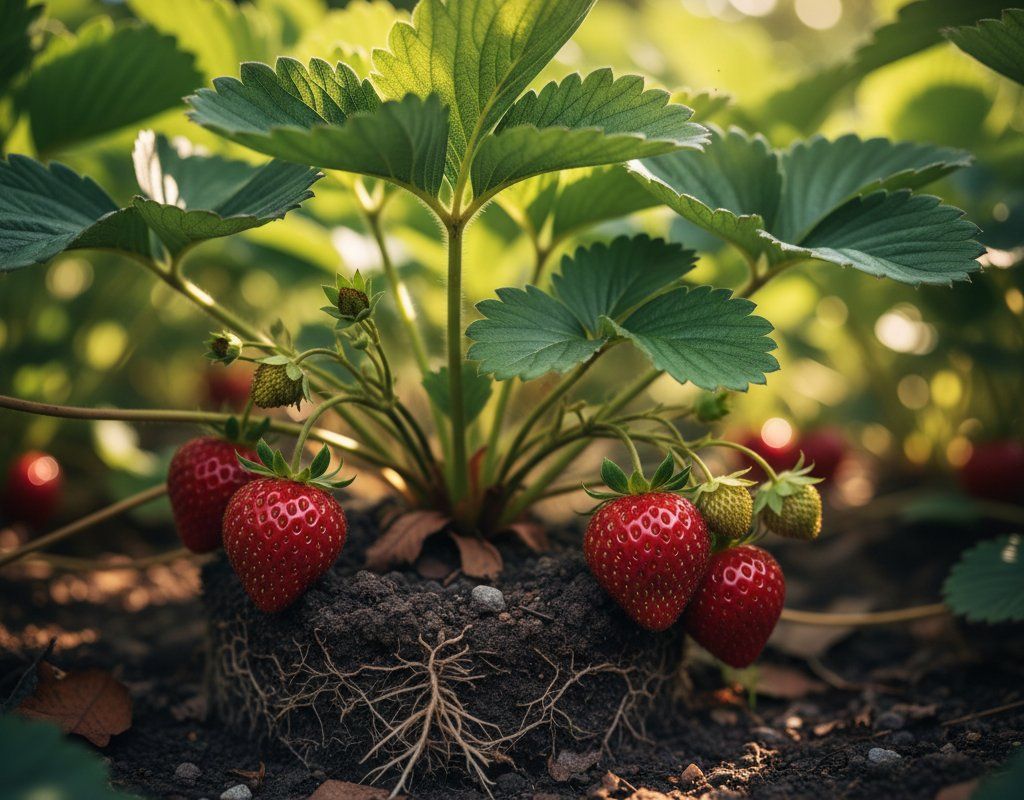
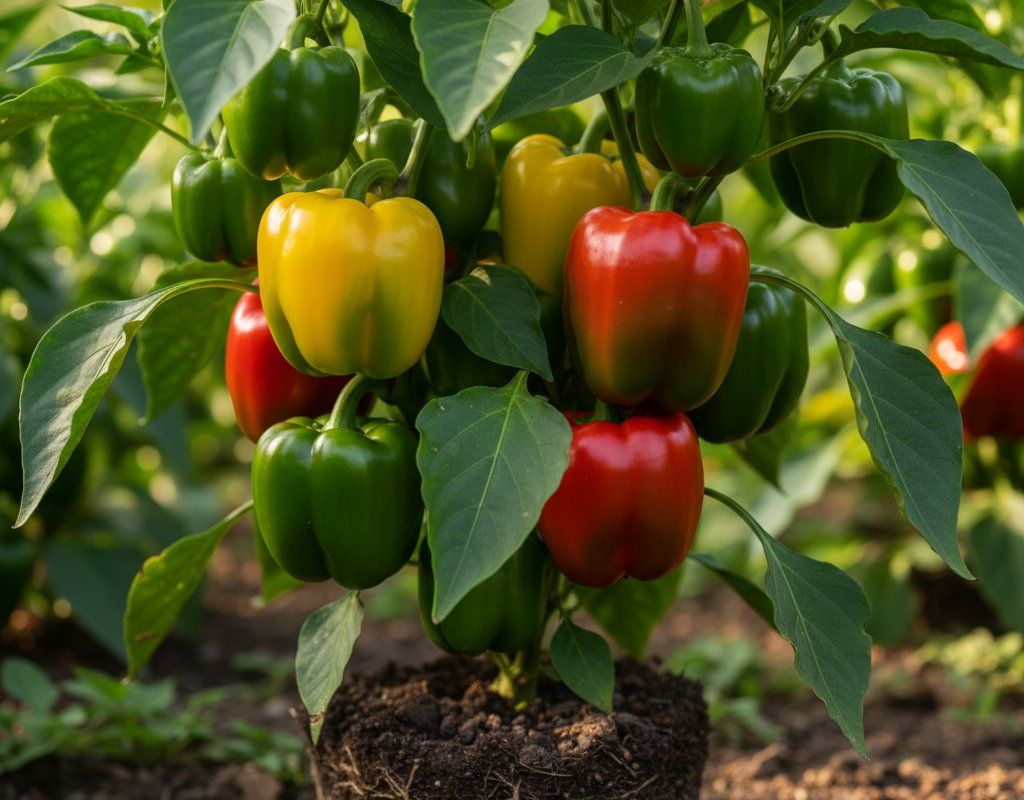
Good companions include tomatoes and peppers: Yarrow attracts hoverflies, whose larvae feed on aphids that often plague these veggies. Herbs like rosemary and thyme also benefit from Yarrow's pest-attracting abilities. Strawberries benefit from the increased pollination that Yarrow brings to the garden.
Avoid planting Yarrow near plants in the Brassica family (cabbage, broccoli, kale) as it can sometimes attract cabbage white butterflies, whose caterpillars can damage these crops.
🥬Best Vegetables to Pair With Yarrow
Yarrow benefits these vegetables through pest control, pollinator attraction, or improved garden health.





Get a Reminder When It's Time to Plant
We'll email you when key planting windows open for your zone.