
Parsley in Zone 5B — Mountain West
Petroselinum crispum · Your Complete 2026 Planting Guide
Last Call for Seed Starting!
Indoor seed starting window closes in 6 days.
Start Seeds This Week
Start seeds now for transplanting later.
Or Wait for Starts
If you don’t want to start seeds, starts will be available around April 21.
How to Plant Parsley in Zone 5B — Mountain West
Here are all your options for getting parsley in the ground, from the easiest method to more advanced approaches.
Direct Sow Seeds
RecommendedLate April through early July
around April 21
Consider succession planting every 2-3 weeks for continuous harvest.
Parsley is slow to germinate (2-4 weeks). Soaking seeds helps.
Start Seeds Indoors
RecommendedMid February through early March
around February 24
Then transplant: Late April through mid May
Start seeds 8-10 weeks before transplanting outdoors.
Start indoors 8-10 weeks early due to slow germination.
Buy Starts
Works WellLate April through mid May
around April 21
Plant purchased starts after last frost (May 5).
Transplant Outdoors
Timing InfoLate April through mid May
around April 21
Can tolerate light frost, but wait for soil to be workable.
You have a nice window — no need to rush.
Fall Planting
Mid July through mid August
July 30 ideal · Direct sow for fall harvest
Plant a second crop in mid-summer for fall harvest. Parsley actually prefers the cooling temperatures of fall.
Overview
Parsley thrives in our Mountain West climate, delivering intense flavor that rivals anything from the store. The cool nights that define our high-altitude summers actually improve parsley's taste, concentrating the essential oils while our intense sunlight promotes steady growth. Fresh parsley transforms everything from roasted potatoes to summer salads, and having it steps from your kitchen means you'll actually use it instead of watching store-bought bunches wilt in the refrigerator.
Our 149-day growing season and late spring start might seem challenging for parsley, but this hardy herb actually appreciates our cool nights and handles our temperature swings better than most crops. The key is working with our Mountain timing - starting early enough indoors or direct sowing once soil warms, then enjoying steady harvests through our brief but productive summer into early fall.
Starting Seeds Indoors
Starting parsley seeds indoors makes sense if you want the earliest possible harvest, but it's not essential given parsley's hardy nature. Start seeds from mid-February through early March, about 8 weeks before your late April transplant date. Parsley seeds are notoriously slow to germinate - expect 2-4 weeks even under good conditions.
Set up your seeds in standard seed trays with a quality seed-starting mix, keeping soil consistently moist through bottom watering. Parsley benefits from warm soil (65-70°F) during germination, so a heat mat helps significantly in our still-cold Mountain springs. Once sprouted, parsley seedlings prefer cooler conditions and bright light, making them relatively easy to manage indoors.
The main advantage of indoor starting here is getting a jump on our late spring. Since our last frost lingers around early May, indoor-started plants give you a 6-8 week head start over direct sowing, which can mean the difference between a full harvest season and a rushed one.
Transplanting Outdoors
Transplant your parsley seedlings outdoors from late April through mid-May, once nighttime temperatures consistently stay above 25°F. Even though parsley tolerates frost, young transplants need a week or two to establish before facing our unpredictable spring weather. Plan for at least one week of hardening off, gradually exposing seedlings to outdoor conditions including our intense UV and temperature swings.
Space transplants 6-10 inches apart in your garden beds, choosing a location with morning sun and afternoon shade if possible. Our intense high-altitude sun can stress young plants, so some protection during the hottest part of the day helps establishment. Plant at the same depth they were growing in their containers.
Watch the weather closely during transplant season - late April can still bring surprise cold snaps or even late snow. Have row cover or milk jugs ready to protect newly transplanted seedlings if temperatures drop unexpectedly below freezing.
Direct Sowing
Direct sowing parsley works well in our Mountain climate from late April through early July, giving you flexibility to succession plant for continuous harvests. Wait until soil temperatures reach at least 50°F consistently - usually by late April in most Mountain valleys. Soak seeds overnight before planting to speed up the naturally slow germination process.
Sow seeds ¼ inch deep and 6-10 inches apart in well-prepared soil. Parsley prefers loose, well-draining soil with plenty of organic matter worked in. Keep the soil consistently moist during the 2-4 week germination period - this is critical in our low-humidity climate where soil dries quickly.
The main challenge with direct sowing here is our short season combined with parsley's slow start. Seeds sown in late April might not give you harvestable leaves until mid-July, cutting into your productive season. However, direct-sown plants often develop stronger root systems and handle our temperature extremes better than transplants.
Watering Parsley in Zone 5B (Mountain West)
Parsley needs consistent, moderate moisture throughout the growing season but won't tolerate waterlogged soil - a balance that works well with our well-draining Mountain soils. Plan on providing about 1 inch of water weekly through deep, less frequent watering sessions rather than light daily sprinklings. This encourages deep root development that helps plants handle our temperature swings.
Use the finger test regularly: stick your finger 2 inches into the soil near your plants. If it's dry at that depth, it's time to water. In our low-humidity climate, surface soil can look dry while deeper levels still have adequate moisture, so this test prevents both over and under-watering.
Water at soil level rather than overhead to reduce evaporation and prevent leaf diseases. Our low humidity means foliar diseases aren't as problematic as in more humid regions, but efficient water use is always important here. Morning watering works best, allowing plants to take up moisture before the intense midday sun.
Apply a thin layer of organic mulch around plants to retain soil moisture and moderate soil temperature. In our climate, mulch also helps protect against our occasional summer hailstorms while reducing the need for frequent watering. Signs of underwatering include wilted, yellowing leaves, while overwatering shows up as yellowed leaves with soft, mushy stems.
🧪Fertilizing Parsley
Feeding Schedule
Organic Fertilizer Options
Harvest Time
Expect your first parsley harvest from late June through early July for transplanted plants, or mid to late July for direct-sown crops. Look for stems with at least three fully developed leaf segments - this indicates the plant has enough energy stored to keep producing after cutting. Always harvest by cutting outer stems at the base rather than pinching tips, which weakens the plant.
Cut individual stems cleanly with scissors or garden shears, taking the entire stem down to soil level. This method encourages new growth from the center of the plant and maintains the attractive rosette shape. You can harvest continuously throughout our growing season, taking a few stems at a time rather than cutting the entire plant at once.
Parsley is biennial, producing leaves the first year and flowers the second, so focus on leaf harvest during your growing season. Regular harvesting actually encourages more leaf production and delays flowering. Remove any flower stalks that appear to keep plants focused on leaf production.
As early October approaches and first frost threatens, consider harvesting larger quantities for drying, freezing, or making herb butter. Parsley can handle light frosts, but a hard freeze will end the season. The flavor intensifies as nights cool, making fall-harvested parsley particularly flavorful for preserving.
Common Problems in Zone 5B (Mountain West)
Slow Germination Parsley seeds taking 3-4 weeks to sprout, or failing to germinate entirely. Seeds may rot in soil before sprouting, especially during cool, wet periods in late spring. This is parsley's most common "problem" and completely normal for the species. Our cool Mountain spring soils compound the issue since parsley needs consistent warmth to germinate well. Soak seeds overnight in warm water before planting, ensure soil temperature stays above 60°F, and maintain consistent moisture without waterlogging. Consider starting indoors if you want reliable germination timing.
Carrot Rust Fly Small dark flies hovering around plants, followed by wilting foliage despite adequate watering. Later inspection reveals rusty brown tunnels through the taproot and crown area. These flies target all members of the carrot family, including parsley, laying eggs near the base of plants. Our dry climate actually helps since these pests prefer moist conditions, but they still appear in irrigated gardens. Use lightweight row covers during peak fly season (late spring through early summer), delay spring plantings past the first generation, and interplant with onions whose scent confuses the flies.
Crown Rot Plants suddenly wilt and die, often with blackened, mushy stems at soil level. Leaves may yellow from the bottom up before complete collapse occurs. This fungal problem develops in poorly draining soil or from overwatering, particularly during our cool spring weather when soils stay wet longer. Our clay-heavy soils in many Mountain valleys can contribute to the problem. Improve drainage with compost or raised beds, avoid overwatering especially in spring, and ensure good air circulation around plants. Remove affected plants immediately to prevent spread.
Mountain West Specific Challenges: Our intense UV can stress young plants, while rapid temperature swings from cool nights to warm days can slow growth. Hail poses a seasonal threat to tender parsley leaves, making row cover a useful investment. The combination of low humidity and intense sun means consistent watering becomes even more critical for this moisture-loving herb.
Best Companions for Parsley
Plant these nearby for healthier Parsley and better harvests.
View Full Companion Planting Chart →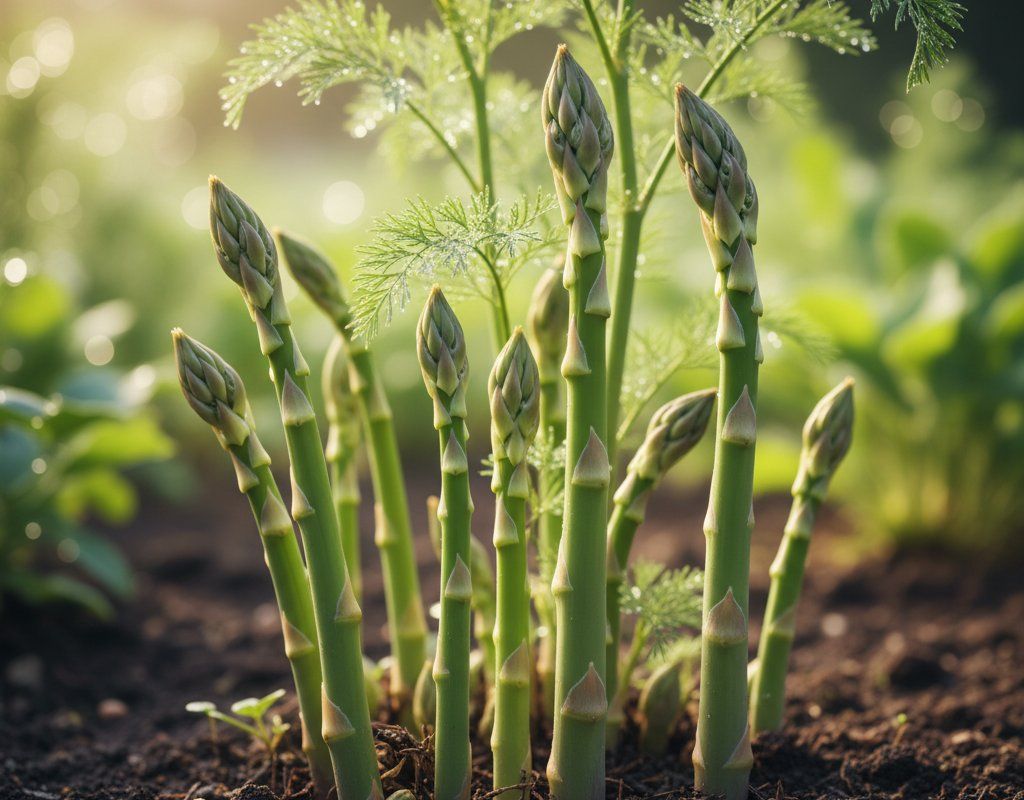



Companion Planting Details
Parsley makes an excellent companion for tomatoes, helping to repel aphids while its deep taproot brings nutrients up from lower soil levels. Plant parsley around the base of tomato plants or in nearby rows - the strong scent also helps mask tomato aroma from hornworms. Asparagus and parsley work beautifully together since asparagus provides light afternoon shade that parsley appreciates in our intense Mountain sun, while parsley's pest-deterring properties help protect asparagus shoots.
Corn and parsley complement each other well, with corn providing wind protection and partial shade while parsley helps deter corn borers and other pests. Even roses benefit from nearby parsley plantings, which can help reduce aphid populations. Avoid planting parsley near lettuce, as both compete for similar nutrients and water, and lettuce can be overwhelmed by parsley's stronger root system. Keep parsley away from mint, which spreads aggressively and can quickly overtake parsley's more restrained growth habit.
🌸Best Flowers to Plant with Parsley
These flowers protect your Parsley from pests and attract pollinators for better harvests.
For Pest Control




Get a Reminder When It's Time to Plant
We'll email you when key planting windows open for your zone.