
Parsley in Zone 9B — Southern California
Petroselinum crispum · Your Complete 2026 Planting Guide
You Can Still Sow!
Direct sowing window is open for Parsley.
Direct Sow Now
Parsley is slow to germinate (2-4 weeks). Soaking seeds helps.
How to Plant Parsley in Zone 9B — Southern California
Here are all your options for getting parsley in the ground, from the easiest method to more advanced approaches.
Direct Sow Seeds
RecommendedMid January through early October
around January 11
Consider succession planting every 2-3 weeks for continuous harvest.
Parsley is slow to germinate (2-4 weeks). Soaking seeds helps.
Start Seeds Indoors
RecommendedEarly to late November
around November 16
Then transplant: Mid January through early February
Start seeds 8-10 weeks before transplanting outdoors.
Start indoors 8-10 weeks early due to slow germination.
Buy Starts
Works WellMid January through early February
around January 11
Plant purchased starts after last frost (January 25).
Transplant Outdoors
Timing InfoMid January through early February
around January 11
Can tolerate light frost, but wait for soil to be workable.
You have a nice window — no need to rush.
Fall Planting
Early October through early November
October 23 ideal · Direct sow for fall harvest
Plant a second crop in mid-summer for fall harvest. Parsley actually prefers the cooling temperatures of fall.
Overview
Parsley thrives in Southern California's mild winters and year-round growing season, giving you fresh herbs when most of the country is buried in snow. This hardy biennial produces abundant, flavorful leaves that outshine anything from the grocery store, and it's surprisingly drought-tolerant once established—perfect for our water-wise gardens. You can harvest continuously from late winter through the following fall, making it one of the most productive herbs for SoCal gardens.
While our hot inland summers and occasional Santa Ana winds can stress parsley, proper timing makes all the difference. Plant during our mild winter months, and your parsley will establish strong roots before facing summer heat. With our 334-day growing season, you have flexibility to succession plant for nearly continuous harvests throughout the year.
Starting Seeds Indoors
Starting parsley indoors makes sense if you want precise timing or live in areas with extreme heat. Sow seeds early to late November, about 8 weeks before your planned transplant date in mid-January. Parsley is notoriously slow to germinate—expect 2-4 weeks—so patience is key.
Set up seed trays with quality potting mix and keep them consistently moist using bottom watering. This prevents the soil surface from crusting over, which can block those slow-emerging seedlings. A heat mat helps speed germination in our cooler winter months, maintaining soil temperature around 70°F.
Since Southern California has such a mild winter, indoor starting isn't always necessary. However, it gives you more control over germination conditions and protects seedlings from occasional winter rains that can wash out direct-sown seeds.
Transplanting Outdoors
Transplant your indoor-started parsley seedlings from mid-January through early February, when our last frost risk has passed. Harden off seedlings gradually over a week, starting with 2-3 hours of morning sun and increasing daily. This prevents transplant shock from our intense winter sun that can surprise newcomers to the region.
Space plants 6-10 inches apart to allow good air circulation, which helps prevent fungal issues during our occasionally humid winter months. Plant at the same depth they were growing in their containers—parsley doesn't like to be buried too deeply.
Time your transplanting to avoid Santa Ana wind events if possible. These dry, warm winds can quickly stress newly transplanted seedlings before their roots establish in their new location.
Direct Sowing
Direct sowing parsley works well in Southern California from mid-January through early October, though spring and fall plantings perform best. Soak seeds overnight before planting to speed up that notoriously slow germination process—otherwise you'll be waiting 3-4 weeks to see sprouts.
Prepare your soil by working in compost and ensuring good drainage. Parsley prefers soil temperatures between 50-70°F, which we typically have during our mild winter months. Sow seeds ¼ inch deep and space them 6-10 inches apart, or sow more densely and thin later.
Keep the soil consistently moist during germination, which can be challenging during our dry winter periods. Consider covering seeded areas with burlap or shade cloth to retain moisture and prevent soil crusting from our intense sun, even in winter.
Watering Parsley in Zone 9B (Southern California)
Parsley needs moderate, consistent moisture throughout its growing cycle, making it less drought-tolerant than many Mediterranean herbs. During establishment and through spring growth, provide about 1 inch of water per week, adjusting for our winter rains that typically provide 10-20 inches annually.
Use the finger test to check soil moisture 2 inches deep before watering. In our hot inland summers with temperatures reaching 92°F, you may need to water every 2-3 days, especially for plants in containers or full sun locations. Water at the base of plants rather than overhead to reduce evaporation in our low-to-moderate humidity climate.
Watch for signs of stress during heat waves and Santa Ana wind events, when plants can wilt quickly despite adequate soil moisture. Underwatered parsley develops yellow lower leaves and stunted growth, while overwatered plants show similar symptoms but with darker, mushy stems near the soil line.
Apply a 2-3 inch layer of mulch around plants to conserve moisture and keep roots cool during summer heat. Organic mulches like shredded leaves work well in our climate and gradually improve soil as they decompose.
🧪Fertilizing Parsley
Feeding Schedule
Organic Fertilizer Options
Harvest Time
Your first parsley harvest typically begins in late March, about 70 days after seeding, and continues through early January of the following year. Harvest outer stems when they have at least 3 segments (leaflets), cutting them at the base near soil level rather than snipping leaf tips. This encourages new growth from the center of the plant.
Cut stems in the early morning when leaves are crisp and full of moisture, before our hot afternoon sun wilts them. Take no more than one-third of the plant at any harvest to keep it productive. Regular harvesting actually encourages more leaf production and prevents the plant from becoming woody.
As a biennial, parsley produces abundant leaves the first year, then flowers and goes to seed the second year. In Southern California's mild climate, plants often continue producing through their second winter if you keep removing flower stalks. However, leaf quality declines after flowering begins.
Plan your final harvests before late December when our first frost typically arrives. While parsley handles light frost well, a hard freeze can damage leaves. Consider succession planting every 6-8 weeks from spring through fall for continuous harvests year-round.
Common Problems in Zone 9B (Southern California)
Slow Germination Parsley seeds can take 2-4 weeks to germinate, leading many gardeners to think their seeds have failed. Seeds appear to do nothing for weeks, then suddenly sprout all at once. This is normal parsley behavior, not a problem with your planting technique.
Soak seeds overnight in warm water before planting to speed germination by about a week. Keep soil consistently moist but not soggy during the waiting period—our dry winter air can quickly dry out the soil surface and kill emerging seedlings.
Carrot Rust Fly Small dark flies hovering near your parsley indicate carrot rust fly, whose larvae tunnel into roots creating rusty brown channels. Plants may wilt despite adequate water, and you might notice small white maggots in the soil around roots. These flies are attracted to the carrot family, which includes parsley.
Row covers provide the best protection, especially during peak fly season in late spring and early summer. Interplant with onions or chives—their strong scent confuses the flies. Avoid thinning during fly season since bruised plant material attracts egg-laying females.
Crown Rot Dark, mushy stems at soil level indicate crown rot, often preceded by yellowing lower leaves. This fungal disease thrives in our occasionally humid winter conditions, especially if soil doesn't drain well or plants are watered overhead frequently.
Improve drainage by planting in raised beds or adding compost to clay soils. Water at soil level rather than on leaves, and ensure good air circulation between plants. Remove affected plants immediately and don't replant parsley in the same spot for at least a year.
Southern California Specific Challenges: Our hot, dry summers stress parsley more than the cool, moist conditions it prefers. Inland areas reaching 92°F regularly can cause bolt-prone varieties to flower prematurely. Santa Ana winds quickly dehydrate plants, while our winter-wet pattern followed by long dry periods challenges consistent soil moisture management.
Best Companions for Parsley
Plant these nearby for healthier Parsley and better harvests.
View Full Companion Planting Chart →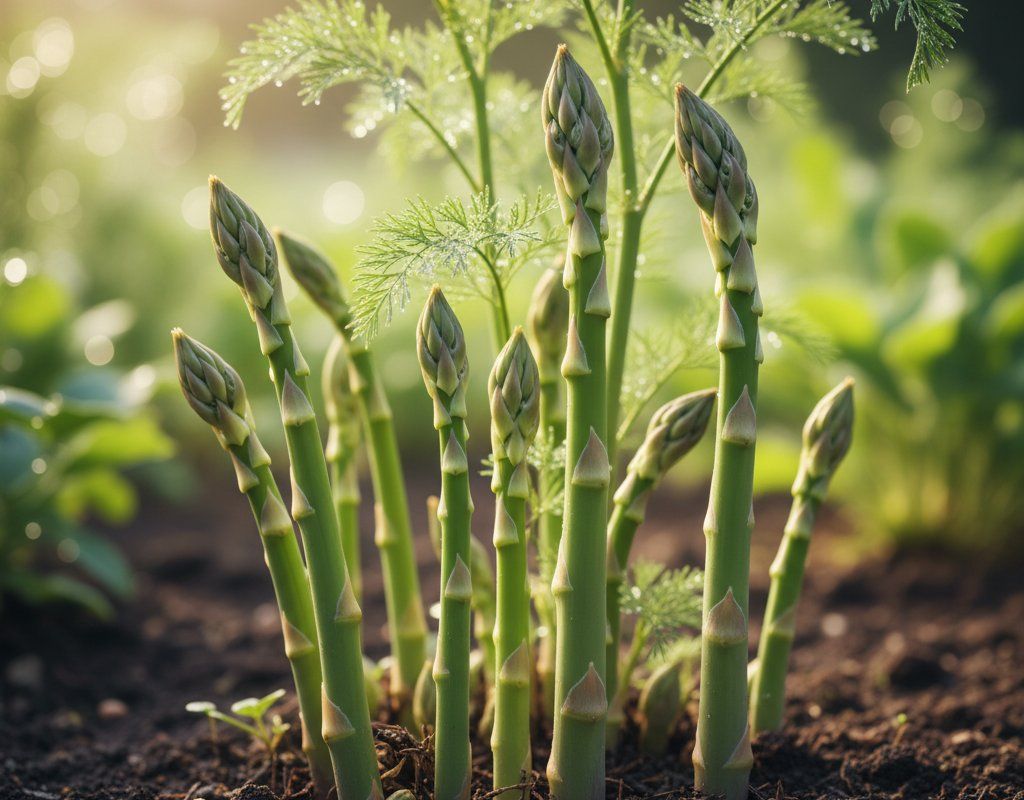



Companion Planting Details
Parsley makes an excellent companion for tomatoes, improving their flavor while attracting beneficial insects like hoverflies that control aphids. Plant it near asparagus beds where its deep taproot helps break up compacted soil, and the ferny foliage provides a nice contrast to asparagus spears. Corn provides afternoon shade for parsley during our hot summers, while parsley's flowers attract pollinators that benefit the corn.
Roses and parsley create a classic pairing—parsley's strong scent may help deter some rose pests, and both benefit from similar watering schedules in our climate. Avoid planting parsley near lettuce, as both compete for similar nutrients and water, and parsley's deeper roots can outcompete shallow-rooted lettuce. Keep parsley away from mint, which can become invasive and overwhelm the more delicate parsley plants in Southern California's year-round growing conditions.
🌸Best Flowers to Plant with Parsley
These flowers protect your Parsley from pests and attract pollinators for better harvests.
For Pest Control




Get a Reminder When It's Time to Plant
We'll email you when key planting windows open for your zone.