Peas in Zone 9A — Gulf Coast
Pisum sativum · Your Complete 2026 Planting Guide
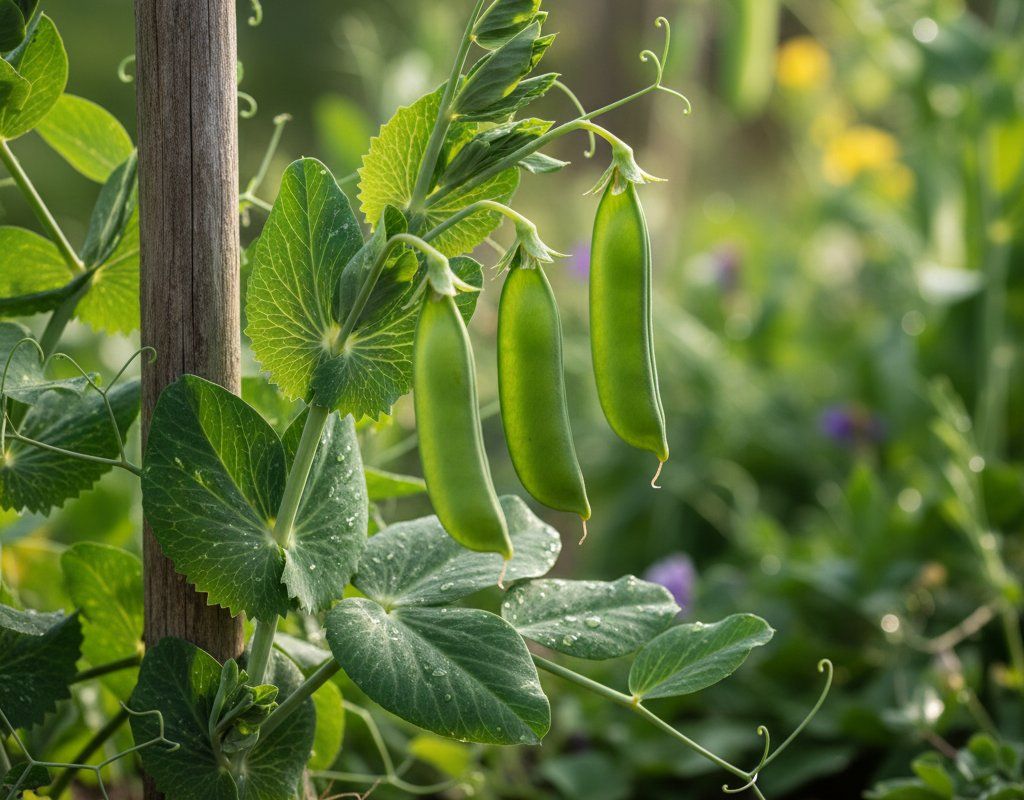
Harvest Time!
Your Peas should be producing now!
Harvest Tips
Pick when pods are firm but seeds inside are still small. Check daily!
How to Plant Peas in Zone 9A — Gulf Coast
Here are all your options for getting peas in the ground, from the easiest method to more advanced approaches.
Direct Sow Seeds
RecommendedLate December through late September
around December 30
Consider succession planting every 2-3 weeks for continuous harvest.
Peas prefer cool soil and don't transplant well. Direct sow in early spring.
Buy Starts
Works WellMid January through early February
around January 13
Plant purchased starts after last frost (February 10).
Start Seeds Indoors
ChallengingThis plant is typically not started indoors.
Transplant Outdoors
Timing InfoMid January through early February
around January 13
Can tolerate light frost, but wait for soil to be workable.
You have a nice window — no need to rush.
Fall Planting
Late September through late October
October 8 ideal · Direct sow for fall harvest
Plant a second crop in mid-summer for fall harvest. Peas actually prefers the cooling temperatures of fall.
Overview
Here in the Gulf Coast, peas are one of our best cool-season crops, thriving in our mild winters when the heat and humidity finally back off. Fresh garden peas taste nothing like those mushy canned versions – they're sweet, crisp, and perfect for everything from spring salads to hearty winter soups. With our long growing season, you can enjoy multiple plantings and harvests throughout the cooler months.
Yes, our extreme humidity and disease pressure can challenge pea growing, but timing is everything. Plant during our cooler months when fungal diseases are less aggressive, and you'll have much better success. With 303 days of growing season, you have plenty of opportunities to get peas right – from late fall through early spring plantings.
Transplanting Outdoors
While peas can be transplanted, they really don't appreciate root disturbance and establish much better when direct sown. If you do choose to transplant, mid-January through early February works well here in the Gulf Coast when our winter weather has settled but isn't too cold.
Start your transplants indoors about 4-6 weeks before transplant time, and harden them off gradually over a week with increasing outdoor exposure. Space transplants 2-4 inches apart in rows or clusters. Watch for those unexpected warm spells we get in late winter – they can shock young transplants if you're not careful.
The main advantage of transplanting is getting a jump start on the season, but honestly, direct sowing is so much more reliable with peas that most Gulf Coast gardeners skip the transplant route entirely.
Direct Sowing
Direct sowing is definitely the way to go with peas here in the Gulf Coast. You can sow from late December through late September, though most of us focus on late December through February for spring crops and September through October for fall harvests. Peas actually prefer cool soil and germinate better when temperatures are between 45-70°F.
Work some compost into your soil before planting – our heavy clay benefits from the organic matter, and good drainage helps prevent root rot in our wet climate. Plant seeds 2-4 inches apart and about an inch deep. In our sandy soils closer to the coast, you might go slightly deeper to ensure good moisture contact.
The beauty of direct sowing is that you avoid transplant shock entirely, and the plants develop stronger root systems right from the start. This gives them better resilience against our occasional winter storms and temperature swings.
Watering Peas in Zone 9A (Gulf Coast)
Even though we get 50-65 inches of rain annually here on the Gulf Coast, peas still need consistent moisture management, especially during flowering and pod development. Our rainfall can be feast or famine – flooding rains followed by dry spells – so you'll need to stay attentive to soil moisture levels.
Use the finger test: stick your finger 2 inches into the soil near your plants. If it's dry at that depth, it's time to water. During our cooler growing months, peas typically need about 1 inch of water per week, but adjust based on our frequent winter rains. When we do get those dry periods, water deeply at the base of plants rather than overhead – our high humidity means wet foliage invites fungal problems.
Watch for signs of stress: drooping leaves during the day (especially during warm spells), poor pod set, or yellowing lower leaves often indicate inconsistent watering. Conversely, if leaves are yellowing and the soil stays soggy, you might be dealing with overwatering or poor drainage. A 2-3 inch layer of mulch helps maintain even soil moisture and keeps roots cool during those unexpected warm winter days.
During peak pod production, never let peas get drought-stressed. Even a few days without adequate water during flowering can significantly reduce your harvest as the plants drop flowers and developing pods.
Supporting Your Peas
Even dwarf pea varieties benefit from some kind of support here in the Gulf Coast, where our afternoon storms and occasional winter weather can flatten unsupported plants. A simple trellis, fence, or even bamboo stakes with string work perfectly well. For tall varieties, plan for 4-6 feet of support height.
Install your support system at planting time rather than waiting until plants are established – you'll avoid root damage and give the plants something to grab onto from the start. Pea tendrils are surprisingly strong and will quickly wrap around whatever support you provide.
If you're growing along a fence or permanent structure, that's ideal. For temporary supports, a simple A-frame made from bamboo stakes or a string trellis between two posts works great and can be easily moved or stored after harvest. The key is making sure your support can handle our occasional strong winds during winter storm fronts.
🧪Fertilizing Peas
Feeding Schedule
Organic Fertilizer Options
Harvest Time
Your first peas should be ready from late February through mid-December, depending on when you planted and which variety you chose. Most varieties take about 60 days from seed to harvest, so plan accordingly. For shell peas, harvest when the pods are plump and you can see the round seeds clearly outlined – they should be bright green and firm.
Pick pods before they start turning yellow or becoming tough and starchy. Check your plants daily during peak season because peas can go from perfect to past-prime quickly, especially during warm spells. Harvest in the morning when pods are crisp and full of moisture, and gently twist them off the vine to avoid damaging the plant.
Keep harvesting regularly to encourage continued production – peas are one of those crops where the more you pick, the more they'll produce. If you stop harvesting, the plants think they've done their job and will stop flowering. During our long harvest window, you might get several weeks of continuous picking from a single planting.
As we approach our first frost in early December, harvest any remaining pods even if they're not quite perfect. Green pods can be used whole in stir-fries or soups, and slightly immature peas are still delicious and tender.
Common Problems in Zone 9A (Gulf Coast)
Powdery Mildew This shows up as white or grayish powdery coating on leaves, stems, and sometimes pods. Leaves start to curl, turn yellow, and eventually die, which really reduces plant vigor and harvest. Here in the Gulf Coast, powdery mildew loves our mild winter days with cool nights, and surprisingly, it actually prefers dry leaf surfaces unlike most other fungi.
Improve air circulation by spacing plants properly and removing any affected leaves immediately. Neem oil or potassium bicarbonate sprays help control outbreaks, but try the old milk spray trick first – mix 1 part milk with 9 parts water and spray weekly. Our humid conditions mean good air movement is critical, so avoid overcrowding your plantings.
Pea Aphids These small, soft-bodied insects cluster on new growth and under leaves, sucking plant juices and causing leaves to curl and yellow. They multiply rapidly in our mild winter weather and can quickly overwhelm plants. You'll often see a sticky honeydew residue on leaves, and sometimes sooty mold growing on that residue.
Encourage beneficial insects like ladybugs and lacewings, which love to feast on aphids. A strong spray of water can knock off light infestations, or use insecticidal soap for heavier populations. Reflective mulch can help deter aphids from landing on plants initially.
Root Rot This fungal problem causes plants to wilt and die even when soil seems adequately moist. You'll see blackened, mushy roots if you dig up affected plants. Our heavy soils and wet winters create perfect conditions for root rot fungi to thrive.
Prevention is key – improve soil drainage with compost or raised beds, and avoid overwatering. Plant in well-draining areas and don't let water pool around plants during our heavy winter rains. Once root rot sets in, there's not much you can do except remove affected plants and improve drainage for next time.
Gulf Coast Specific Challenges: Our combination of high humidity, frequent rainfall, and mild winters creates a perfect storm for fungal diseases in peas. The key is managing moisture levels and air circulation, spacing plants properly, and choosing disease-resistant varieties when possible.
Best Companions for Peas
Plant these nearby for healthier Peas and better harvests.

Keep Away From

Companion Planting Details
Peas work beautifully with other cool-season crops in our Gulf Coast gardens. Plant them alongside carrots, radishes, and turnips – the peas' nitrogen-fixing ability actually helps feed these root crops, while the shorter vegetables make good use of space below the climbing peas. Corn makes an excellent living trellis for peas if you time the plantings right, with peas going in slightly earlier.
Avoid planting peas near onions and garlic, which can inhibit pea growth through chemical compounds they release into the soil. In our humid climate, this competition is even more pronounced since plants are already dealing with disease pressure and need all the help they can get.
🌸Best Flowers to Plant with Peas
These flowers protect your Peas from pests and attract pollinators for better harvests.
For Pest Control

For Pollinators

Get a Reminder When It's Time to Plant
We'll email you when key planting windows open for your zone.