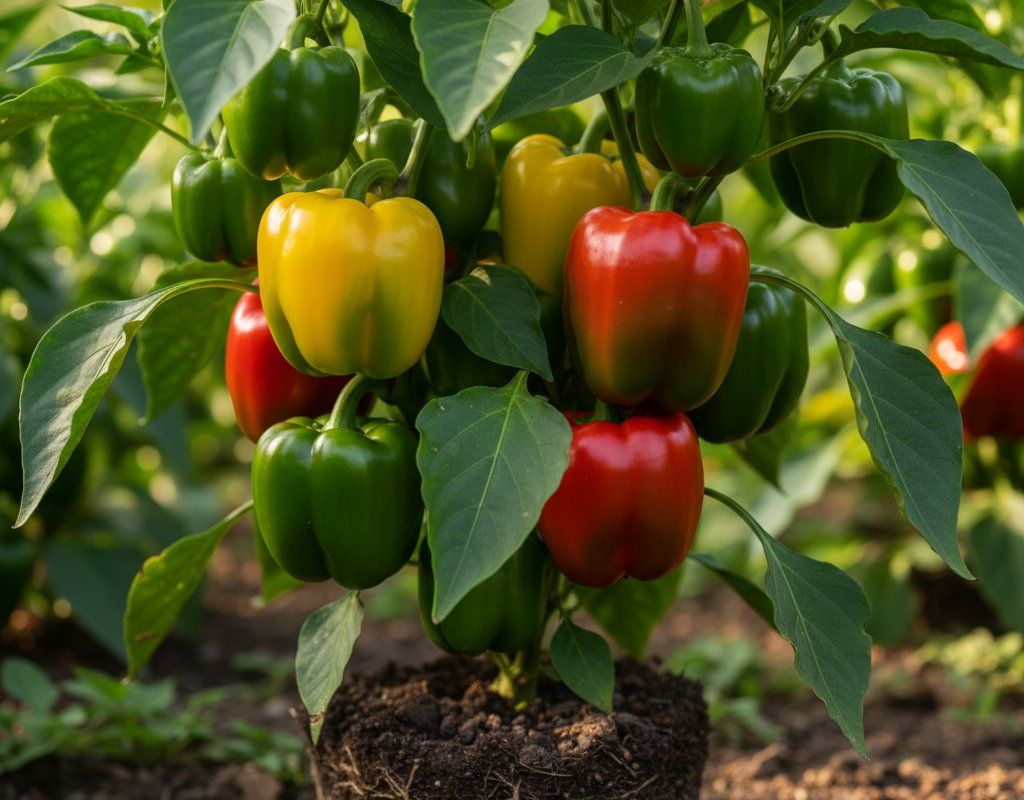
Bell Peppers in Zone 6A — Midwest
Capsicum annuum · Your Complete 2026 Planting Guide
Ideal Time: Start Seeds Indoors!
This is the perfect time for the biggest, best harvest.
Start Seeds Now
- Start seeds in trays or pots with seed-starting mix
- Keep soil moist and warm (70-80°F)
- Transplant outdoors Early May through early June
Not Starting from Seed?
Buy starts around May 4 — that works great too!
How to Plant Bell Peppers in Zone 6A — Midwest
Here are all your options for getting bell peppers in the ground, from the easiest method to more advanced approaches.
Start Seeds Indoors
RecommendedEarly to late March
around March 9
Then transplant: Early May through early June
Start seeds 8-10 weeks before transplanting outdoors.
Buy Starts
Works WellEarly May through early June
around May 4
Plant purchased starts after last frost (April 20).
Direct Sow Seeds
ChallengingDirect sowing is not typical for Bell Peppers.
Transplant Outdoors
Timing InfoEarly May through early June
around May 4
Wait until nighttime temperatures stay above 50°F.
You have a nice window — no need to rush.
Overview
Bell Peppers are a Midwest garden staple. Their sweet flavor and versatility make them perfect for grilling, stuffing, or adding to fresh salads. Plus, there's nothing quite like the satisfaction of harvesting your own colorful peppers after a long summer.
Our Midwest weather can be unpredictable, with variable springs and occasional summer heat spells. But by starting your peppers indoors and timing your transplant carefully, you can easily get a great harvest within our 178-day growing season.
Starting Seeds Indoors
Starting your Bell Pepper seeds indoors in early to late March gives them a head start. This is about 8 weeks before you plan to transplant them outdoors. Use seed trays and a good seed-starting mix.
Keep the trays warm (around 75-80°F) and provide plenty of light. Bottom watering is a great way to keep the soil consistently moist without overwatering. Given our moderate-to-late springs, this indoor start is essential for a successful pepper crop.
Transplanting Outdoors
Transplant your Bell Pepper seedlings outdoors from early May through early June, once the danger of frost has passed. Before transplanting, harden them off by gradually exposing them to outdoor conditions for about a week. This helps them adjust to the sun and wind.
Space the plants 18-24 inches apart in a sunny spot with fertile soil. Keep an eye on the weather forecast around transplant time, as a late cold snap can set your peppers back.
Watering Bell Peppers in Zone 6A (Midwest)
Bell Peppers need consistent moisture to produce thick-walled, juicy fruit. Inconsistent watering leads to blossom end rot and blossom drop, so staying on top of your watering schedule is key. The "finger test" is your friend—stick your finger about 2 inches deep into the soil. If it feels dry, it's time to water.
During our wet-summer months, aim for about 1 inch of water per week, either from rainfall or irrigation. Water at the base of the plants to avoid wetting the foliage, which can encourage fungal diseases in our moderate-to-humid climate. If the leaves are drooping, it’s likely underwatered. Yellowing leaves can be a sign of overwatering.
Mulching around your pepper plants helps retain moisture and regulate soil temperature, which is especially helpful during summer heat spells. A 2-3 inch layer of straw or shredded bark works well.
Supporting Your Bell Peppers
Bell Pepper plants can get weighed down by heavy fruit, so providing support is a good idea. A simple stake or tomato cage works well. The goal is to keep the branches from breaking or the fruit from touching the ground.
Install the support at planting time to avoid disturbing the roots later on. Gently tie the stems to the stake as the plant grows, using soft twine or plant ties.
Pruning & Maintaining Bell Peppers
Pinch off the first few flowers that appear on your Bell Pepper plants. This encourages the plant to focus on vegetative growth, resulting in a stronger plant and a bigger harvest later on. Remove any fruit that touches the ground to prevent rot.
Throughout the season, prune out any interior branches that are crowded or crossing each other to improve airflow. As the first frost approaches around mid- October, remove any small peppers that are unlikely to ripen in time, so the plant can focus its energy on ripening the larger ones.
🧪Fertilizing Bell Peppers
Feeding Schedule
Organic Fertilizer Options
Harvest Time
You can expect your first Bell Pepper harvest from mid July through late August, about 70 days after transplanting. Green peppers are immature but perfectly edible. For the sweetest flavor, wait until the peppers turn their mature color—red, yellow, or orange.
Gently twist or cut the peppers from the plant, leaving a short piece of stem attached. Regular harvesting encourages the plant to produce more peppers. As the first frost approaches in mid- October, harvest all remaining peppers. Green peppers can ripen indoors if stored in a paper bag with an apple or banana.
Common Problems in Zone 6A (Midwest)
- Blossom End Rot
- What it looks like: A dark, sunken spot on the bottom of the pepper.
- What causes it: Inconsistent watering leads to calcium deficiency. Our variable rainfall patterns can make consistent watering a challenge.
- How to fix/prevent it: Water consistently, mulch well, and avoid over-fertilizing with nitrogen. Remove affected fruit.
- Blossom Drop
- What it looks like: Flowers falling off before setting fruit.
- What causes it: Temperature stress. High daytime or nighttime temperatures interfere with pollination.
- How to fix/prevent it: Be patient during heat spells. Provide afternoon shade and keep plants well-watered.
- Aphids
- What it looks like: Small, soft-bodied insects clustered on stems and leaves.
- What causes it: Rapid reproduction in warm weather.
- How to fix/prevent it: Knock them off with a strong spray of water. Encourage natural predators like ladybugs. Use insecticidal soap or neem oil if needed.
- Sunscald
- What it looks like: White, papery patches on fruit exposed to direct sun.
- What causes it: Intense sunlight on fruit, often after leaves are lost.
- How to fix/prevent it: Avoid over-pruning. Use shade cloth during heat spells. Ensure healthy foliage to shade fruit.
Midwest Specific Challenges: The combination of moderate-to-hot summer heat and moderate-to-humid conditions in the Midwest can create a perfect environment for fungal diseases and pest infestations on Bell Peppers. Consistent monitoring and proactive measures are essential.
Best Companions for Bell Peppers
Plant these nearby for healthier Bell Peppers and better harvests.


Keep Away From

Companion Planting Details
Bell Peppers benefit from companion planting. Tomatoes and peppers make good neighbors, as they have similar needs. Basil is also a great companion, as it repels pests and improves the flavor of peppers. Carrots and onions deter soil pests, while spinach provides ground cover and helps retain moisture.
Avoid planting Bell Peppers near fennel, kohlrabi, or brassicas like cabbage and broccoli. These plants can inhibit pepper growth or attract pests that also affect peppers.
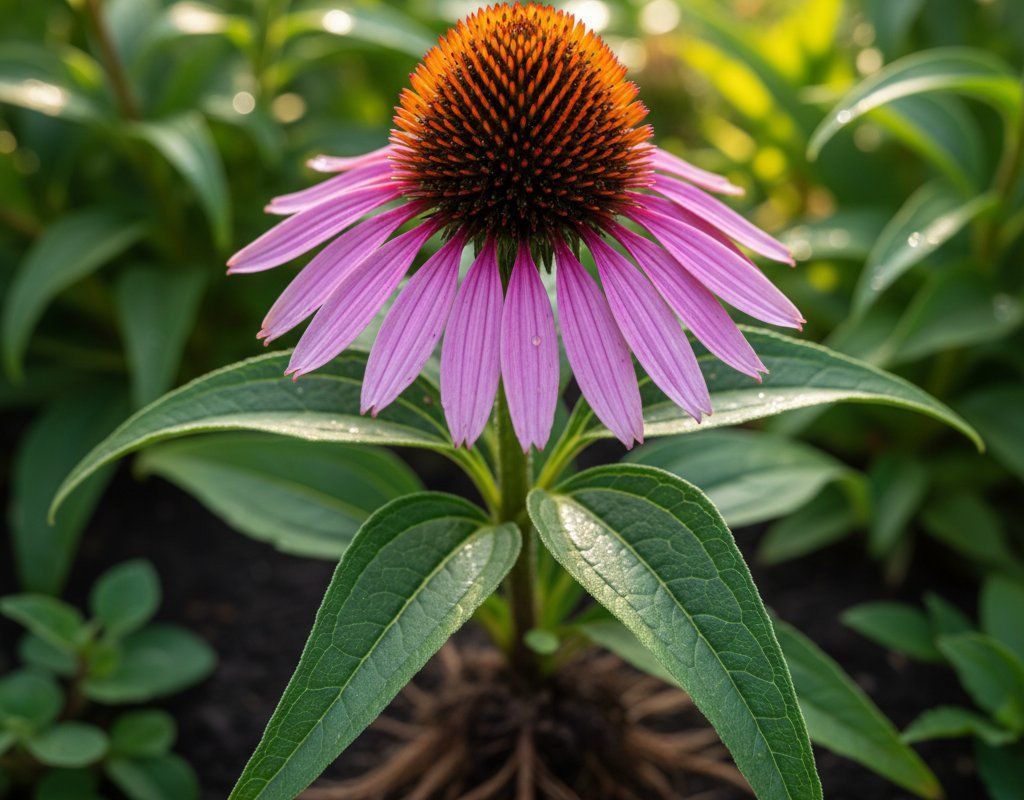
🌸Best Flowers to Plant with Bell Peppers
These flowers protect your Bell Peppers from pests and attract pollinators for better harvests.
For Pest Control







Get a Reminder When It's Time to Plant
We'll email you when key planting windows open for your zone.