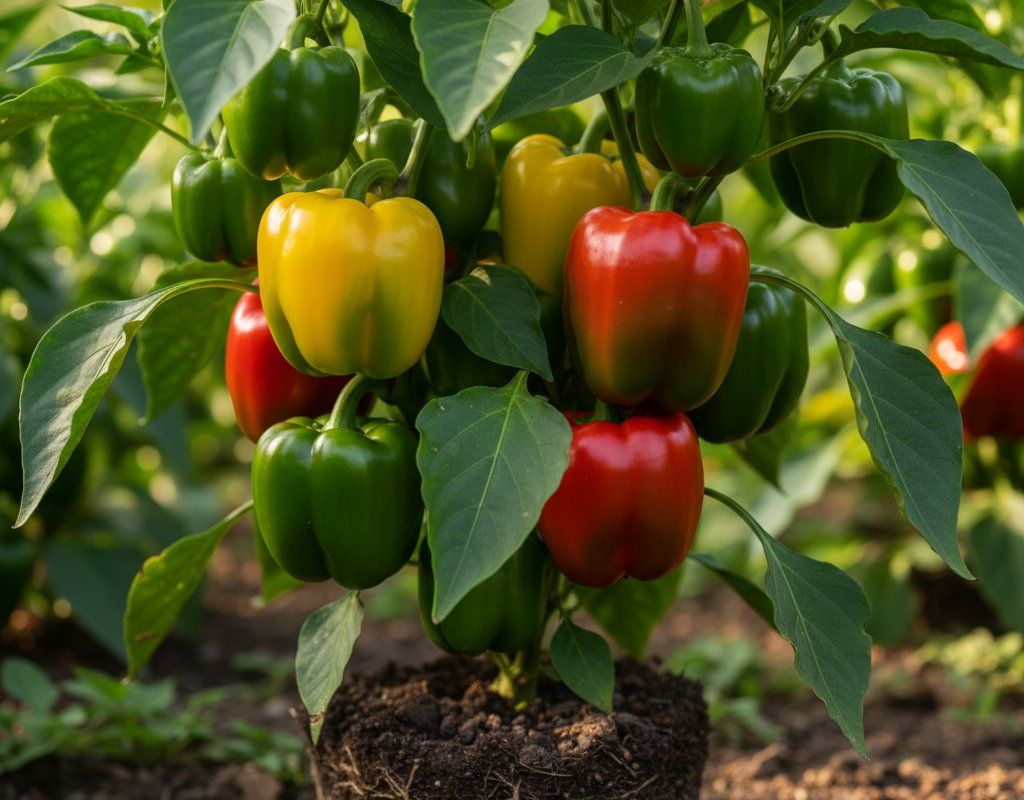
Bell Peppers in Zone 8B — Pacific Northwest
Capsicum annuum · Your Complete 2026 Planting Guide
Last Call for Seed Starting!
Indoor seed starting window closes in 4 days.
Start Seeds This Week
Start seeds now for transplanting later.
Or Wait for Starts
If you don’t want to start seeds, starts will be available around April 19.
How to Plant Bell Peppers in Zone 8B — Pacific Northwest
Here are all your options for getting bell peppers in the ground, from the easiest method to more advanced approaches.
Start Seeds Indoors
RecommendedMid February through early March
around February 22
Then transplant: Mid April through mid May
Start seeds 8-10 weeks before transplanting outdoors.
Buy Starts
Works WellMid April through mid May
around April 19
Plant purchased starts after last frost (April 5).
Direct Sow Seeds
ChallengingDirect sowing is not typical for Bell Peppers.
Transplant Outdoors
Timing InfoMid April through mid May
around April 19
Wait until nighttime temperatures stay above 50°F.
You have a nice window — no need to rush.
Overview
Bell Peppers are a fantastic addition to any Pacific Northwest garden. Their sweet flavor and crisp texture shine in stir-fries, salads, and stuffed pepper recipes. Plus, the satisfaction of harvesting colorful, homegrown peppers after our cool nights is hard to beat.
While our mild summers and overcast spring days can present challenges for heat-loving crops, starting peppers indoors gives them a head start. With a little planning during our 210-day growing season, you can enjoy a bountiful harvest.
Starting Seeds Indoors
Starting Bell Peppers indoors in the Pacific Northwest is essential to get a jump on our relatively short warm season. Aim to sow your seeds from mid-February through early March, about eight weeks before you plan to transplant them outside. This gives them ample time to develop before the weather warms up.
Use seed trays or small pots filled with a good seed-starting mix. Provide consistent warmth (around 75-80°F) using a heat mat until seedlings emerge. Once they sprout, move them under grow lights to prevent legginess, as our spring weather often means overcast days. Don't forget to water from the bottom to encourage strong root growth.
Transplanting Outdoors
Transplant your Bell Pepper seedlings outdoors from mid-April through mid-May, once the danger of frost has passed and the soil has warmed up a bit. Before planting, harden off your seedlings by gradually exposing them to outdoor conditions for about a week. This helps them adjust to the sun and wind.
Space your plants 18-24 inches apart in a sunny spot with well-drained soil. Even in our mild summers, a sudden cold snap can set them back, so keep an eye on the forecast.
Watering Bell Peppers in Zone 8B (Pacific Northwest)
Bell Peppers need consistent moisture to produce thick-walled, flavorful fruit, but overwatering can be just as detrimental, especially in our climate. Strive for a "just right" approach. During our wet springs, you might not need to water at all, letting rainfall do the work.
Once the dry summer months arrive, check the soil moisture regularly using the finger test – if the top two inches feel dry, it's time to water. Aim for about 1 inch of water per week, delivered deeply at the base of the plant to avoid wetting the foliage and encouraging fungal diseases. Signs of underwatering include wilting leaves and blossom drop, while yellowing leaves and stunted growth can indicate overwatering.
Mulching around your pepper plants with straw or compost helps retain soil moisture and suppress weeds, reducing the need for frequent watering during our drier periods.
Supporting Your Bell Peppers
While Bell Peppers have a bush-like growth habit, the weight of the fruit can sometimes cause branches to break or the entire plant to topple over, especially after a heavy rain. Providing support is a good way to prevent this.
A simple stake works well. Insert the stake near the base of the plant at transplant time, being careful not to damage the roots. As the plant grows, gently tie the main stem to the stake with soft twine or plant ties. This prevents the plant from bending or breaking under the weight of the peppers.
Pruning & Maintaining Bell Peppers
Pruning Bell Peppers isn't strictly necessary, but a little strategic trimming can improve airflow and encourage fruit production. In the early season, pinch off any early flowers to encourage the plant to focus on vegetative growth, leading to a stronger plant and larger harvest later on.
Remove any peppers that touch the soil to prevent rot. Throughout the season, prune out any crowded or crossing interior branches to improve air circulation and reduce the risk of fungal diseases, which can be a concern even with our dry summers. As the first frost approaches in early November, remove any remaining small peppers, as they are unlikely to ripen.
🧪Fertilizing Bell Peppers
Feeding Schedule
Organic Fertilizer Options
Harvest Time
You can expect your first Bell Pepper harvest from late June through mid-August, depending on the variety and the weather. Green peppers are immature but perfectly edible. For the sweetest flavor, wait until the peppers turn their mature color – red, yellow, or orange.
To harvest, use pruning shears or a sharp knife to cut the pepper from the plant, leaving a short piece of stem attached. Regular harvesting encourages the plant to produce more peppers. As the end of the season nears and the first frost threatens in early November, harvest any remaining peppers, even if they are still green.
Green peppers can ripen indoors if stored in a paper bag with an apple or banana.
Common Problems in Zone 8B (Pacific Northwest)
Here are common problems with Bell Peppers in the Pacific Northwest:
Blossom End Rot
- What it looks like: A sunken, dark brown or black leathery patch on the bottom of the pepper.
- What causes it: Inconsistent watering leads to calcium deficiency. Our wet springs followed by dry summers can create these fluctuations.
- How to fix/prevent it: Water consistently, especially during dry spells. Mulch heavily. Remove affected fruit.
Blossom Drop
- What it looks like: Flowers fall off without setting fruit. Small fruit yellows and drops.
- What causes it: Temperature stress, especially during our occasional heat spikes.
- How to fix/prevent it: Be patient – fruit set resumes when temperatures moderate. Provide afternoon shade. Keep plants well-watered.
Aphids
- What it looks like: Clusters of tiny insects (green, black, or white) on stems and leaves. Sticky honeydew residue.
- What causes it: Rapid reproduction of sap-sucking insects.
- How to fix/prevent it: Strong water spray. Encourage ladybugs. Use insecticidal soap or neem oil.
Sunscald
- What it looks like: White, papery patches on fruit exposed to direct sun.
- What causes it: Intense sun exposure, often after pruning or leaf loss.
- How to fix/prevent it: Don't over-prune. Use shade cloth.
Pacific Northwest Specific Challenges: Our mild summers generally mean less risk of extreme heat stress than other regions, but inconsistent watering during the dry-summer months can exacerbate blossom end rot. Also, be vigilant about late blight, which can spread quickly in our moist spring conditions, although it is more of a problem for tomatoes.
Best Companions for Bell Peppers
Plant these nearby for healthier Bell Peppers and better harvests.


Keep Away From

Companion Planting Details
Good companions for Bell Peppers include tomatoes, as they share similar growing requirements and can offer mutual support. Basil is another great choice, as it repels pests like aphids and whiteflies. Carrots and onions are also beneficial, as they deter soil-borne pests. Spinach planted nearby can provide ground cover and help retain moisture.
Avoid planting Bell Peppers near fennel, as it inhibits their growth. Kohlrabi and other brassicas like cabbage and broccoli can also stunt pepper growth, so keep them separated. These combinations are especially important to consider in our region where space may be limited, and planning is key.
🌸Best Flowers to Plant with Bell Peppers
These flowers protect your Bell Peppers from pests and attract pollinators for better harvests.
For Pest Control








Get a Reminder When It's Time to Plant
We'll email you when key planting windows open for your zone.