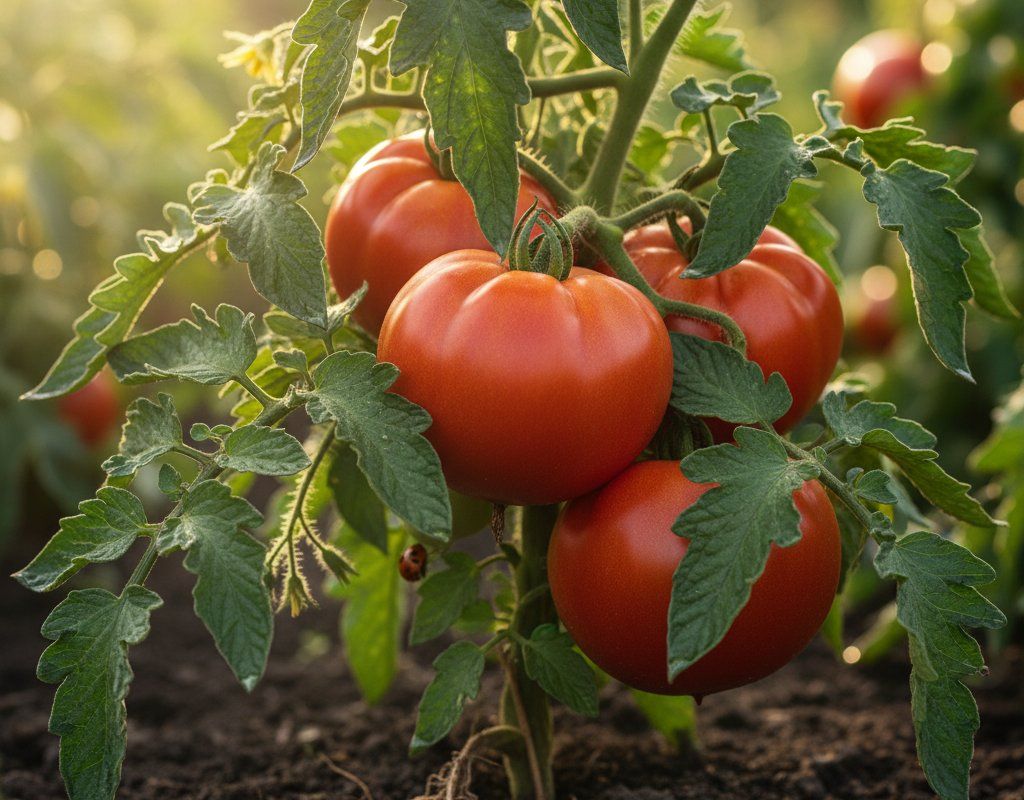
Beefsteak Tomatoes in Zone 8B — Pacific Northwest
Solanum lycopersicum · Your Complete 2026 Planting Guide
Ideal Time: Start Seeds Indoors!
This is the perfect time for the biggest, best harvest.
Start Seeds Now
- Start seeds in trays or pots with seed-starting mix
- Keep soil moist and warm (70-80°F)
- Transplant outdoors Mid April through mid May
Not Starting from Seed?
Buy starts around April 19 — that works great too!
How to Plant Beefsteak Tomatoes in Zone 8B — Pacific Northwest
Here are all your options for getting beefsteak tomatoes in the ground, from the easiest method to more advanced approaches.
Start Seeds Indoors
RecommendedEarly to late March
around March 8
Then transplant: Mid April through mid May
Start seeds 6-8 weeks before transplanting outdoors.
Buy Starts
Works WellMid April through mid May
around April 19
Plant purchased starts after last frost (April 5).
Direct Sow Seeds
ChallengingDirect sowing is not typical for Beefsteak Tomatoes.
Transplant Outdoors
Timing InfoMid April through mid May
around April 19
Wait until nighttime temperatures stay above 50°F.
You have a nice window — no need to rush.
Overview
Beefsteak tomatoes are the giants of the tomato world, and they're absolutely worth the effort here in the Pacific Northwest. These massive fruits — often weighing a pound or more — deliver the classic tomato flavor that makes every BLT sandwich a summer celebration. Our mild summers and cool nights actually work in your favor, creating perfect conditions for developing that deep, complex flavor that makes store-bought tomatoes taste like cardboard in comparison.
While our shorter heat window and cool spring soils can challenge warm-season crops like beefsteaks, your 210-day growing season gives you plenty of time to work with. The key is getting them started indoors early and being patient with our gradual spring warm-up. Once established, these indeterminate giants will reward your patience with massive harvests that last well into our long, mild fall.
Starting Seeds Indoors
Start your beefsteak tomato seeds indoors during early to late March, about 6 weeks before you plan to transplant them outside. This timing works perfectly with our Pacific Northwest spring pattern — while it's still cool and overcast outside, you're giving your seedlings a head start in the controlled environment indoors.
Set up seed trays with a quality seed-starting mix and keep them consistently warm (around 70-75°F). A heating mat underneath helps tremendously during our cool spring weather. Once seeds germinate, provide 12-14 hours of light daily using grow lights or a bright south-facing window.
Bottom watering works best for tomato seedlings — place your seed trays in shallow water and let the soil absorb moisture from below. This prevents damping-off disease and keeps the soil surface from staying too wet. Your seedlings will be ready to transplant once they have their first true leaves and nighttime temperatures consistently stay above 50°F.
Transplanting Outdoors
Plan to transplant your beefsteak tomatoes outdoors from mid-April through mid-May, timing it with our typical last frost period. The beauty of this wide window means you're not locked into one specific date — watch the weather and choose your moment when a stable warm period settles in.
Harden off your seedlings for about a week before transplanting by gradually exposing them to outdoor conditions. Start with just a few hours of filtered sunlight, then work up to full outdoor exposure. This process is crucial in the Pacific Northwest where our spring weather can swing between warm and surprisingly cool.
Space your beefsteak plants 36 to 48 inches apart — these indeterminate varieties will sprawl into massive plants by midsummer. Choose the sunniest spot in your garden, as these heat-lovers need every bit of warmth our mild climate can offer. Plant them slightly deeper than they were in their containers, burying part of the stem to encourage strong root development.
Watering Beefsteak Tomatoes in Zone 8B (Pacific Northwest)
Beefsteak tomatoes are thirsty plants that demand consistent, deep watering throughout the growing season. Their massive fruit size means they're constantly pulling moisture from the soil, and any interruption in water supply leads to cracking, blossom end rot, and poor fruit development.
In our dry-summer climate, plan to provide about 1-2 inches of water per week once plants are established. The finger test works perfectly here — stick your finger 2 inches into the soil near the base of the plant. If it feels dry at that depth, it's time to water deeply. During our typical mild summer heat (rarely above 90°F), you'll likely need to water every 2-3 days rather than daily.
Water at the base of plants rather than overhead to keep foliage dry and prevent disease issues. Our dry summer air means you don't need to worry as much about humidity-related problems, but wet leaves can still invite trouble. Apply water slowly and deeply so it penetrates down to the root zone rather than running off the surface.
A 3-4 inch layer of organic mulch around your plants helps tremendously in our climate. It keeps soil moisture consistent during our dry months and moderates soil temperature swings. Watch for signs of stress: wilting during the heat of the day (even mild heat) usually means the roots need more water, while yellowing lower leaves often indicate overwatering or poor drainage.
Supporting Your Beefsteak Tomatoes
Beefsteak tomatoes produce enormous plants loaded with heavy fruit, so sturdy support is absolutely essential from day one. These indeterminate varieties can easily reach 6-8 feet tall in our long growing season, and their massive fruits will snap branches without proper support.
Install either extra-heavy tomato cages (at least 6 feet tall) or thick wooden stakes (2x2 inches minimum) at planting time. The cheap wire cages from garden centers won't cut it for beefsteaks — they'll buckle under the weight by midsummer. If using stakes, drive them at least 18 inches into the ground and tie the main stem loosely with soft cloth strips every 12 inches as the plant grows.
For the ultimate support system, consider the Florida weave method using stakes and horizontal twine, or build a simple trellis system. As your plants grow, you'll need to tie up heavy fruit clusters individually to prevent branch breakage. Check your supports regularly throughout the season, especially after our occasional summer windstorms.
Pruning & Maintaining Beefsteak Tomatoes
Beefsteak tomatoes benefit from selective pruning to channel their energy into producing fewer but larger fruits. Focus on removing suckers — the shoots that emerge between the main stem and side branches. Left unpruned, these create bushy plants with many small fruits rather than the massive beefsteaks you're after.
Remove suckers when they're small and easy to pinch off with your fingers. Also remove the lower leaves up to the first fruit cluster to improve air circulation and reduce disease pressure. In our humid spring conditions, good air flow around the base of plants helps prevent fungal issues.
As we head toward our first frost in early November, top your plants by pinching out the growing tips in late September. This forces the plant to put its remaining energy into ripening existing fruits rather than making new ones that won't have time to mature. Remove any new flower clusters that appear after late August for the same reason.
🧪Fertilizing Beefsteak Tomatoes
Feeding Schedule
Organic Fertilizer Options
Harvest Time
Your first beefsteak tomatoes should be ready from mid-July through late August, about 85 days from transplanting. These giants take their time to ripen, but the wait is worth it. Look for deep, even coloring and fruit that gives slightly when cupped gently in your hand — don't squeeze or you'll bruise the flesh.
Harvest in the morning when fruits are cool and firm. Twist and pull gently, or use clean pruning shears to cut the stem. Never yank hard, as you can damage the plant and reduce future production. The beauty of indeterminate beefsteaks is their continuous production — with proper care, you'll be harvesting through September and into October.
As our first frost approaches in early November, harvest all mature green fruits and bring them indoors to ripen. Beefsteaks ripen beautifully off the vine when kept at room temperature. Check them daily and remove any that start to soften or show spots to prevent affecting the others.
Our long, mild fall often extends the harvest season well past other regions. Don't be surprised if you're still picking ripe tomatoes in mid-October, especially if you protect plants with row covers during the first light frosts.
Common Problems in Zone 8B (Pacific Northwest)
Cracking shows up as splits in the tomato skin, either in concentric circles around the stem or as radial lines spreading outward. The splits expose the flesh and can lead to rot, making affected fruits unusable for storage.
This happens when heavy watering or rain follows a dry period, causing the fruit to absorb water faster than the skin can stretch. Our dry summer climate actually helps reduce cracking compared to more humid regions, but it can still occur if you let plants get too dry between waterings. Keep soil consistently moist with regular deep watering and apply mulch to moderate moisture swings.
Catfacing creates deep crevices, scars, and deformed areas on the blossom end of tomatoes, making them look lumpy and misshapen. While the fruit remains edible, it's definitely not winning any beauty contests.
Cool temperatures during flowering cause incomplete pollination, leading to these deformities. This is more common here in the Pacific Northwest where our spring nights can stay cool well into May. Plant later in the season when nighttime temperatures consistently stay above 55°F, or use row covers to protect early plantings from temperature swings.
Blossom end rot appears as sunken, dark brown or black leathery patches on the bottom of developing fruits. It often strikes the first fruits of the season and spreads upward as the tomato grows.
Despite what many gardeners think, this isn't a disease but a calcium deficiency caused by inconsistent watering. The calcium is in your soil, but the plant can't access it when moisture levels swing dramatically. Maintain consistent soil moisture through regular deep watering — this single fix solves most blossom end rot problems. Mulching heavily helps maintain even moisture levels.
Slow ripening frustrates many Pacific Northwest gardeners who find their beefsteaks staying green long past their expected maturity date. Large fruits may reach full size but refuse to turn red.
Our mild summer temperatures, especially cool nights, naturally slow ripening in heat-loving crops like beefsteaks. Temperatures below 60°F at night significantly slow the ripening process. Reduce nitrogen fertilizer after fruit set, ensure plants get full sun, and consider using red plastic mulch to increase soil warmth. In our climate, bringing green fruits indoors to ripen is often more practical than waiting for them to ripen on the vine.
Pacific Northwest Specific Challenges: Our region's combination of cool spring soils, mild summer heat, and potential for late blight creates unique challenges for beefsteaks. The key to success is patience with our gradual warm-up, consistent watering during our dry summers, and accepting that these heat-lovers may ripen more slowly than in warmer climates. However, our cool nights and mild temperatures actually improve flavor development once fruits do ripen.
Best Companions for Beefsteak Tomatoes
Plant these nearby for healthier Beefsteak Tomatoes and better harvests.
View Full Companion Planting Chart →



Companion Planting Details
Beefsteak tomatoes thrive with the right neighbors in your Pacific Northwest garden. Basil makes an excellent companion, not just for kitchen use but because it may help repel aphids and improve tomato flavor. Carrots work well planted between tomato rows — their deep taproots don't compete with shallow tomato roots, and they help break up compacted soil. Parsley attracts beneficial insects that prey on tomato pests, while marigolds release compounds that may deter nematodes and other soil-borne problems.
Avoid planting brassicas (cabbage, broccoli, kale) near your beefsteaks, as they can stunt tomato growth through allelopathy. Fennel should be kept far away from the entire tomato patch — it inhibits growth in most plants. Corn competes heavily for nutrients and water, and both crops have similar high nutrient demands that can lead to deficiencies when grown too close together. In our mild Pacific Northwest climate, focus companion plantings on pest prevention and soil health rather than heat management.
🌸Best Flowers to Plant with Beefsteak Tomatoes
These flowers protect your Beefsteak Tomatoes from pests and attract pollinators for better harvests.


Get a Reminder When It's Time to Plant
We'll email you when key planting windows open for your zone.