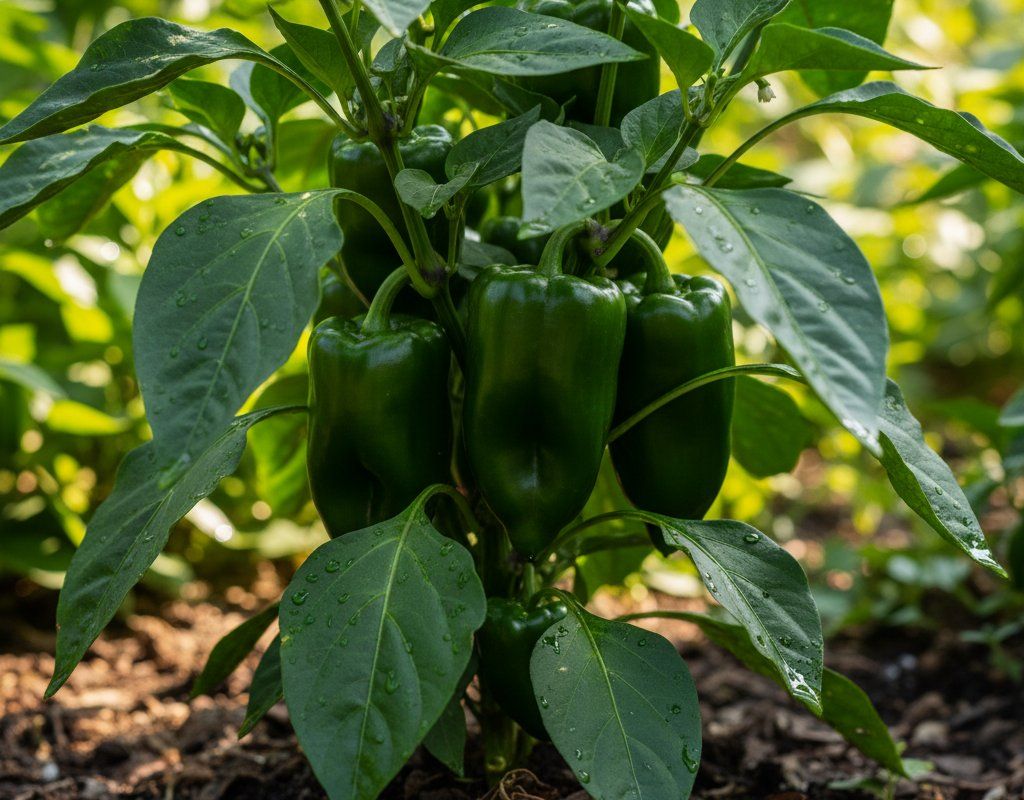
Poblano Peppers in Zone 5B — Mountain West
Capsicum annuum · Your Complete 2026 Planting Guide
Planning Ahead — Great!
You’re ahead of the season. Here’s when to start.
Mark Your Calendar
How to Plant Poblano Peppers in Zone 5B — Mountain West
Here are all your options for getting poblano peppers in the ground, from the easiest method to more advanced approaches.
Start Seeds Indoors
RecommendedMid March through early April
around March 24
Then transplant: Mid May through mid June
Start seeds 8-10 weeks before transplanting outdoors.
Buy Starts
Works WellMid May through mid June
around May 19
Plant purchased starts after last frost (May 5).
Direct Sow Seeds
ChallengingDirect sowing is not typical for Poblano Peppers.
Transplant Outdoors
Timing InfoMid May through mid June
around May 19
Wait until nighttime temperatures stay above 50°F.
You have a nice window — no need to rush.
Overview
Poblano peppers are a fantastic choice for the Zone 5B Mountain West gardener. Their mild heat brings a unique flavor to dishes, and they're incredibly versatile – perfect for stuffing, roasting, or making your own chili powder. Plus, there's a real satisfaction in harvesting these beauties after nurturing them through our short growing season.
Our high altitude, intense sun, and cool nights can present challenges. Don't worry – by starting seeds indoors and timing your transplant carefully, you can absolutely enjoy a bountiful harvest of Poblano peppers within our 149-day growing season.
Starting Seeds Indoors
Starting Poblano peppers indoors is essential in our climate. Aim to sow your seeds from mid-March through early April, giving them about 8 weeks to get a head start before transplanting. This aligns well with our late spring.
Use seed trays or small pots filled with a good seed-starting mix. Provide consistent warmth (around 75-80°F) using a heat mat. Once seedlings emerge, they'll need plenty of light – a grow light works wonders, especially with our intense sun. Water from the bottom to encourage strong root growth and prevent damping off.
Transplanting Outdoors
Transplant your Poblano pepper seedlings outdoors from mid-May through mid-June, after the risk of frost has passed. Before planting, harden them off over about a week by gradually exposing them to outdoor conditions. This helps them adjust to our intense UV and fluctuating temperatures.
Space your plants 18-24 inches apart in a sunny spot. Amend the soil with compost to improve drainage and nutrient content – our alkaline soil can benefit from this. Be prepared for potential late-season temperature swings and hail, which are common in our area.
Watering Poblano Peppers in Zone 5B (Mountain West)
Poblano peppers need consistent moisture to develop those thick-walled fruits we love. In our dry Mountain West climate, this means paying close attention to their watering needs, especially since our large-leaved plants lose water quickly to the intense sun.
During the peak of summer (moderate-at-altitude), aim to water deeply about 1-2 times per week, providing about 1-2 inches of water each time. Use the "finger test" – if the top 2 inches of soil feel dry, it's time to water. Water at the base of the plant to avoid wetting the foliage, which helps prevent fungal diseases in our low-humidity environment.
Signs of underwatering include wilting leaves and stunted growth. Overwatering can lead to yellowing leaves and root rot. A layer of mulch (like straw or wood chips) around the base of the plants helps retain moisture and regulate soil temperature, which is especially helpful with our intense sun.
Supporting Your Poblano Peppers
While Poblano peppers have a bush-like growth habit, the plants can get quite large, and the heavy fruit can cause branches to snap, especially after a summer storm. Providing support is a good idea.
Staking is a simple and effective method. Insert sturdy stakes near the plants at planting time and gently tie the main stems to the stakes as they grow. Tomato cages also work well, providing all-around support.
Pruning & Maintaining Poblano Peppers
Poblano peppers benefit from some strategic pruning to maximize fruit production and airflow.
Early in the season, pinch off the first few flowers that appear. This encourages the plant to focus its energy on vegetative growth, resulting in a stronger plant and a larger yield later. As the plant grows, remove any interior branches that are crowded or crossing to improve airflow around the large leaves. This helps prevent fungal diseases, especially with our cool nights. In late summer, as the first frost approaches, you can remove any small, late-forming peppers to encourage the plant to put its energy into ripening the larger ones.
🧪Fertilizing Poblano Peppers
Feeding Schedule
Organic Fertilizer Options
Harvest Time
You can expect your first Poblano pepper harvest from early August through late September, about 80 days after transplanting.
The peppers are ready to harvest when they're dark green, firm, and glossy. You can also let them turn red for a sweeter flavor and to make dried ancho peppers. To harvest, use pruning shears or a sharp knife to cut the pepper from the plant, leaving a short stem attached. Be careful not to damage the plant. Consistent harvesting encourages continued production throughout the season.
As the first frost approaches in early October, harvest any remaining mature peppers, even if they're still green. They will often ripen indoors if stored in a warm, well-lit place.
Common Problems in Zone 5B (Mountain West)
Here are some common problems you might encounter with Poblano peppers in our Mountain West gardens:
Blossom Drop
- What it looks like: Flowers fall off without setting fruit. Small fruit yellows and drops. The plant looks healthy otherwise.
- What causes it: Temperature stress is the main culprit. Our cool nights and sometimes surprisingly hot days can disrupt pollination. Low humidity and excess nitrogen also contribute.
- How to fix/prevent it: Be patient – fruit set usually resumes when temperatures moderate. Provide afternoon shade during heat waves. Keep plants well-watered, but avoid over-fertilizing with nitrogen. Try hand-pollination by gently shaking the plant or using a small brush to transfer pollen.
Aphids
- What it looks like: Clusters of tiny green, black, or white insects on stems and leaf undersides. Sticky honeydew residue. Curled or distorted new growth.
- What causes it: Rapid-reproducing sap-sucking insects thrive in warm weather. Ants often "farm" them for honeydew.
- How to fix/prevent it: A strong spray of water from the hose can knock them off. Encourage ladybugs and lacewings (natural predators). Insecticidal soap is effective for heavy infestations. Neem oil works systemically. Avoid excess nitrogen fertilizer, which attracts them.
Pepper Maggots
- What it looks like: Premature fruit drop. Small, dark entry holes on the surface of the fruit. Tunnels inside the pepper, often with small, white maggots present.
- What causes it: These are the larvae of the pepper maggot fly, which lays its eggs on developing peppers.
- How to fix/prevent it: Monitor plants regularly for signs of infestation. Remove and destroy any infested fruits immediately. Use sticky traps to catch adult flies. Row covers can prevent the flies from laying eggs on your plants. Insecticides labeled for pepper maggot control can be used as a last resort, following label instructions carefully.
Sunscald
- What it looks like: White, papery patches on fruit exposed to direct sun. Affected areas may blister and become susceptible to rot.
- What causes it: Intense, direct sunlight on fruit, usually after leaves are removed or lost to disease, suddenly exposing previously shaded fruit. Our high-altitude sun makes this a real risk.
- How to fix/prevent it: Avoid over-pruning foliage. Use shade cloth during periods of extreme heat. Maintain healthy foliage to shade fruit naturally. If fruit is already exposed, drape a small piece of row cover over it.
Mountain West Specific Challenges: Our moderate-at-altitude heat, low humidity, and dry rainfall mean that consistent watering is critical to prevent blossom drop and sunscald. The intense UV also increases the risk of sunscald, making it important to protect the fruit with adequate foliage or shade cloth.
Best Companions for Poblano Peppers
Plant these nearby for healthier Poblano Peppers and better harvests.

Keep Away From

Companion Planting Details
Companion planting can really boost your Poblano pepper crop. Tomatoes make great companions because they share similar growing requirements and can offer some shade during our intense summer sun. Basil is another excellent choice – it repels pests like aphids and whiteflies while improving the flavor of your peppers. Carrots and onions are also beneficial, as they deter soil-borne pests.
Avoid planting fennel and kohlrabi near your Poblano peppers. Fennel inhibits the growth of many plants, while kohlrabi can attract pests that also target peppers.
🌸Best Flowers to Plant with Poblano Peppers
These flowers protect your Poblano Peppers from pests and attract pollinators for better harvests.
For Pest Control

Get a Reminder When It's Time to Plant
We'll email you when key planting windows open for your zone.