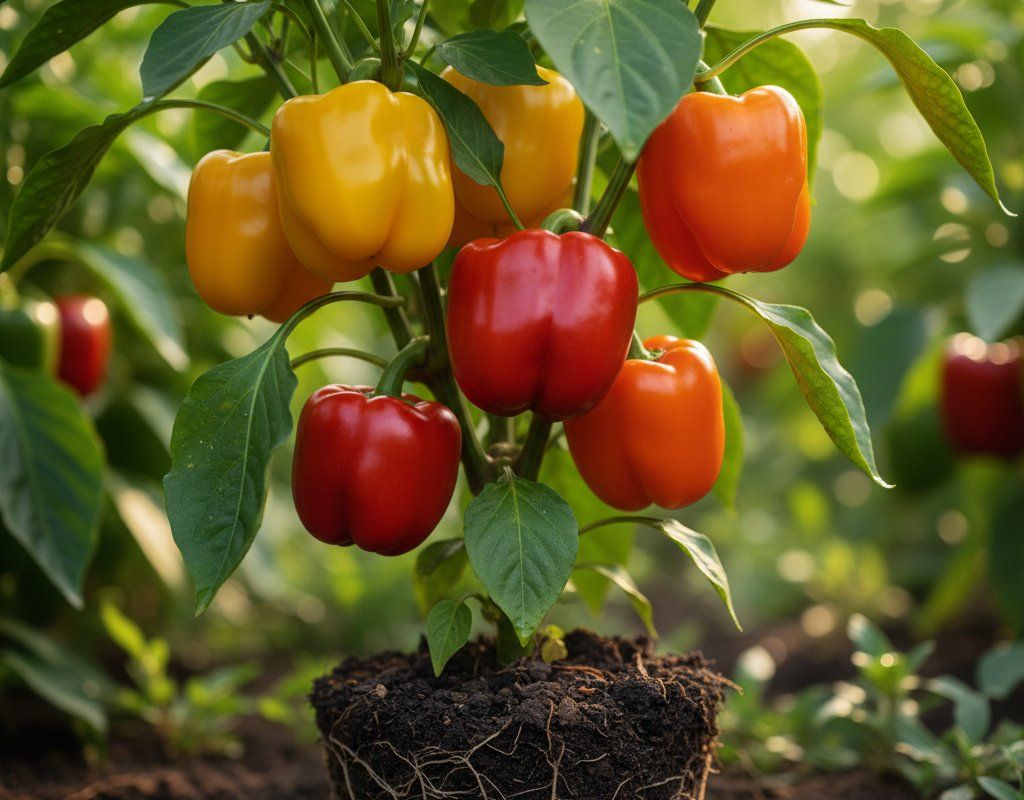
Sweet Peppers in Zone 9A — Florida
Capsicum annuum · Your Complete 2026 Planting Guide
Time to Buy Starts!
Seed starting window passed, but starts are available now.
Buy Starts Now
Head to your local nursery, Home Depot, or farmers market for transplants.
- Look for stocky plants with dark green leaves
- Avoid leggy seedlings or plants already flowering
- Check that roots aren't circling the pot (rootbound)
How to Plant Sweet Peppers in Zone 9A — Florida
Here are all your options for getting sweet peppers in the ground, from the easiest method to more advanced approaches.
Start Seeds Indoors
RecommendedMid December through early January
around December 21
Then transplant: Mid February through mid March
Start seeds 8-10 weeks before transplanting outdoors.
Buy Starts
Works WellMid February through mid March
around February 15
Plant purchased starts after last frost (February 1).
Direct Sow Seeds
ChallengingDirect sowing is not typical for Sweet Peppers.
Transplant Outdoors
Timing InfoMid February through mid March
around February 15
Wait until nighttime temperatures stay above 50°F.
You have a nice window — no need to rush.
Overview
Sweet peppers are a fantastic addition to any Florida garden. Their sweet flavor and versatility make them a staple in our kitchens, and the satisfaction of harvesting your own sun-ripened peppers, especially when the grocery store selection is lacking, is unmatched. Plus, they thrive during our milder months.
While our Florida gardening calendar is different, and our summers can be tough on some crops, sweet peppers are manageable with the right timing. We can take advantage of our long, 327-day growing season to enjoy a great pepper harvest. The key is planting in fall and harvesting in winter when the weather is more favorable.
Starting Seeds Indoors
For those of us in Zone 9A, starting sweet pepper seeds indoors is the way to go. Begin in mid December through early January, giving you about 8 weeks to get those seedlings strong before transplanting. This head start is crucial, as our spring can be a bit reversed compared to other regions.
Use seed trays with a good seed-starting mix and provide consistent warmth, aiming for around 75-80°F. A heat mat can really help with germination. Place the trays under grow lights or near a very sunny window, ensuring they get at least 14-16 hours of light daily. Don't forget to water gently from the bottom to avoid damping off, which is a common issue in our humid environment.
Transplanting Outdoors
Transplant your sweet pepper seedlings outdoors in mid February through mid March. Before transplanting, harden them off for about a week by gradually exposing them to outdoor conditions. This helps them adjust to the Florida sunshine and breezes, which can be intense.
Plant them 18-24 inches apart in well-draining soil. Even though our soil is often sandy, amending it with compost will improve water retention and nutrient availability. Watch out for late cold snaps during this time; if a frost threatens, be ready to cover your young plants.
Watering Sweet Peppers in Zone 9A (Florida)
Consistent watering is crucial for sweet pepper success here in Florida, especially given our sandy soil and hot summers. Aim to keep the soil consistently moist, but not waterlogged, as excessive moisture can invite fungal issues in our humid climate.
During the cooler spring months, check the soil moisture by sticking your finger about 2 inches deep. If it feels dry, it's time to water. You'll likely need to water about 1-2 inches per week, depending on rainfall. As the summer heat ramps up, you might need to water more frequently, even daily during dry spells. Water at the base of the plant to avoid wetting the foliage, which can encourage fungal diseases in our humid environment.
Signs of underwatering include wilting leaves and slow growth, while overwatering can lead to yellowing leaves and root rot. Mulching around your pepper plants with pine straw or wood chips helps retain moisture and suppress weeds, which is especially important in our sandy soil.
Supporting Your Sweet Peppers
While not always necessary, supporting your sweet pepper plants can be beneficial, especially as they become laden with fruit. Some varieties, especially the larger ones, can get quite heavy and may benefit from staking.
Stakes work well for sweet peppers. Install them at planting time, placing them a few inches away from the stem. As the plant grows, gently tie the main stem to the stake using soft twine or plant ties. This prevents the plant from toppling over and keeps the fruit off the ground, reducing the risk of rot.
Pruning & Maintaining Sweet Peppers
Pruning sweet peppers isn't essential, but it can encourage stronger growth and increased yields. The most important pruning task is to pinch off the first few flowers that appear.
This directs the plant's energy towards developing a strong root system and foliage, rather than producing fruit too early. Throughout the season, remove any yellowing or dead leaves to improve air circulation and reduce the risk of fungal diseases, which are prevalent in our humid climate. As the first frost approaches in late December, you can remove any remaining flowers to encourage the plant to focus on ripening existing fruit.
🧪Fertilizing Sweet Peppers
Feeding Schedule
Organic Fertilizer Options
Harvest Time
You can expect your first sweet pepper harvest in late April through early June, about 65 days after transplanting. Look for peppers that have reached their full size and color for the variety you're growing. Sweet peppers get sweeter the longer they ripen on the plant, so don't be afraid to wait until they're fully colored.
To harvest, use pruning shears or a sharp knife to cut the pepper from the plant, leaving a short stem attached. Avoid pulling the peppers off, as this can damage the plant. Regular harvesting encourages continued production throughout the season. As the first frost approaches in late December, harvest any remaining peppers, even if they're not fully ripe. They can ripen indoors in a paper bag.
Common Problems in Zone 9A (Florida)
Sweet peppers, like all plants, can face challenges in Florida. Here are some common problems and how to address them:
Blossom Drop
- What it looks like: Flowers fall off without setting fruit, or small fruit yellows and drops. The plant looks healthy but produces no fruit.
- What causes it: Temperature stress is the main culprit. Peppers don't set fruit well when nights stay above 75°F or days exceed 95°F. Low humidity, excess nitrogen, or poor pollination can also contribute.
- How to fix/prevent it: Be patient – fruit set often resumes when temperatures moderate in the fall. Provide afternoon shade during extreme heat. Keep plants well-watered, but avoid over-fertilizing with nitrogen. Hand-pollination can help.
Aphids
- What it looks like: Clusters of tiny insects (green, black, or white) on stems and leaf undersides. Sticky honeydew residue and curled or distorted new growth.
- What causes it: These sap-sucking insects reproduce rapidly, especially in warm weather. Ant colonies may farm them for honeydew.
- How to fix/prevent it: A strong water spray can knock them off. Encourage natural predators like ladybugs and lacewings. Insecticidal soap works well for heavy infestations, and neem oil is a systemic option. Avoid excess nitrogen fertilizer, as it attracts them.
Sunscald
- What it looks like: White, papery patches on fruit exposed to direct sun. Affected areas may blister and become susceptible to rot.
- What causes it: Intense, direct sunlight on fruit, often after leaves are removed or lost to disease, suddenly exposing previously shaded fruit.
- How to fix/prevent it: Avoid over-pruning foliage. Use shade cloth during extreme heat. Maintain healthy foliage to shade fruit naturally. If fruit is already exposed, drape a small piece of row cover over it.
Blossom End Rot
- What it looks like: Sunken, dark brown or black leathery patch on the bottom (blossom end) of the fruit, often affecting the first fruits of the season.
- What causes it: Calcium deficiency caused by inconsistent watering. It's not a disease, but a nutrient uptake problem triggered by drought/flood cycles.
- How to fix/prevent it: Water consistently – this is the single most effective fix. Mulch heavily to maintain even soil moisture. Avoid over-fertilizing with nitrogen. Calcium sprays can help marginally. Remove affected fruit.
Florida Specific Challenges: Our hot, humid, and wet-summer climate can exacerbate these problems. The humidity promotes fungal diseases, making good air circulation essential. The intense summer heat can cause blossom drop and sunscald. Sandy soil requires consistent watering and nutrient management to prevent blossom end rot. Always choose nematode-resistant varieties when possible.
Best Companions for Sweet Peppers
Plant these nearby for healthier Sweet Peppers and better harvests.


Keep Away From

Companion Planting Details
Companion planting can be a great way to improve your sweet pepper yields and overall garden health. Tomatoes are excellent companions because they share similar growing requirements and can provide some shade to peppers during the hottest part of the day. Basil is another great choice, as it repels many common pepper pests, and it thrives in our humid climate.
Carrots and onions are also beneficial because they deter soil pests and don't compete for the same nutrients. Spinach can be planted as a ground cover around peppers, helping to retain moisture and suppress weeds. Avoid planting fennel, kohlrabi, or other brassicas near sweet peppers, as they can inhibit pepper growth or attract pests that also affect peppers.
🌸Best Flowers to Plant with Sweet Peppers
These flowers protect your Sweet Peppers from pests and attract pollinators for better harvests.
For Pest Control

Get a Reminder When It's Time to Plant
We'll email you when key planting windows open for your zone.