
Pepper in Zone 8A — Southeast
Capsicum annuum · Your Complete 2026 Planting Guide
Missed Seed Starting? No Problem!
Wait for starts to become available.
What to Do
Starts will be available at nurseries in 25 days (around March 29).
How to Plant Pepper in Zone 8A — Southeast
Here are all your options for getting pepper in the ground, from the easiest method to more advanced approaches.
Start Seeds Indoors
RecommendedLate January through mid February
around February 1
Then transplant: Late March through late April
Start seeds 8-10 weeks before transplanting outdoors.
Peppers need 8-10 weeks head start. They're slow to germinate and grow.
Buy Starts
Works WellLate March through late April
around March 29
Plant purchased starts after last frost (March 15).
Look for dark green, stocky plants. Avoid plants with flowers or fruit already set.
Direct Sow Seeds
ChallengingDirect sowing is not typical for Pepper.
Transplant Outdoors
Timing InfoLate March through late April
around March 29
Wait until nighttime temperatures stay above 50°F.
You have a nice window — no need to rush.
Overview
Growing peppers in the Southeast's Zone 8A gives you incredible variety and flavor that store-bought peppers simply can't match. Our long 245-day growing season means you can harvest everything from sweet bells to fiery habaneros from early June well into fall. The reliable summer rain and hot, humid conditions create perfect growing weather for these heat-loving plants once they're established.
While our spring weather swings and intense summer heat present challenges, proper timing makes pepper growing very manageable here. Starting seeds indoors during our mild late winter gives plants the head start they need, and transplanting after our mid-March last frost sets them up for success through our long, productive summer.
Starting Seeds Indoors
Start your pepper seeds indoors during late January through mid-February, about 8 weeks before you plan to transplant. Peppers are notoriously slow starters - they need this long head start to develop strong root systems before facing our outdoor conditions. Use seed starting trays filled with quality seed starting mix, and keep them consistently warm (75-85°F works best).
Bottom watering works excellently for pepper seedlings since it prevents damping-off disease that thrives in our humid conditions. Place seed trays in shallow water pans and let the soil absorb moisture from below. Once seedlings emerge, provide bright light from grow lights or a sunny south window for 12-14 hours daily.
Our moderate spring character means you don't need to rush - pepper seedlings grow slowly anyway. Keep them warm and gradually introduce them to slightly cooler temperatures as transplant time approaches in late March.
Transplanting Outdoors
Transplant your pepper seedlings outdoors from late March through late April, after soil temperatures consistently reach 60°F and nighttime temperatures stay above 50°F. Look for stocky, dark green plants about 6-8 inches tall - avoid any seedlings already showing flowers or fruit, as these won't establish well.
Harden off seedlings gradually over a full week before transplanting. Start with 1-2 hours of morning sun, then gradually increase outdoor exposure. Our spring afternoon thunderstorms and temperature swings require this careful acclimation period.
Space plants 18-24 inches apart in full sun locations that receive 6-8 hours of direct sunlight daily. Plant them at the same depth they were growing in their containers. In our clay soil, work in compost to improve drainage - peppers hate waterlogged roots, especially during our wet spring months.
Watering Pepper in Zone 8A (Southeast)
Peppers need consistent moisture but less water than tomatoes. In our hot, humid Southeast climate, aim for about 1-1.5 inches per week including rainfall. During our typical wet summers with 45-55 inches of annual precipitation, you'll often need little supplemental watering except during dry spells.
Use the finger test - stick your finger 2 inches deep into the soil. Water when it feels dry at that depth. Water at the base of plants rather than overhead to reduce disease pressure in our humid conditions. Our afternoon thunderstorms provide excellent natural watering, but can also lead to overwatering if you're not careful.
Watch for signs of water stress: wilting leaves (underwatering) or yellowing, dropping leaves (overwatering). During fruit ripening, reduce watering slightly - this concentrates flavors and prevents fruit splitting during our intense summer rains.
Apply 2-3 inches of organic mulch around plants to retain moisture and regulate soil temperature during our 92°F summer days. Keep mulch away from plant stems to prevent fungal issues in our humid climate.
Supporting Your Pepper
Most pepper varieties benefit from simple support, especially as they load up with fruit during our long growing season. Bush-type peppers typically need just a single stake per plant, though heavy producers may require tomato cages for better branch support.
Install stakes at planting time to avoid disturbing established roots later. Use 4-foot stakes for most varieties, driving them 8-10 inches into the ground. Tie plants loosely with soft materials like cloth strips or plant ties, allowing for stem growth.
As plants mature and fruit develops, gently tie heavy branches to prevent breakage during our afternoon thunderstorms. The combination of wet foliage and strong winds can easily snap loaded branches, so check ties regularly throughout the growing season.
Pruning & Maintaining Pepper
Pinch off the first flowers that appear to encourage stronger root establishment and bushier growth. Remove any fruit that forms before plants reach 12 inches tall - this early sacrifice leads to much better overall production later in the season.
Throughout the growing season, remove any suckers that develop at the base of plants and pinch off lower leaves that touch the soil. This improves air circulation around plants, which is crucial in our humid climate for preventing fungal diseases.
As our first frost approaches in mid-November, stop removing flowers and let remaining peppers ripen. About 3-4 weeks before expected frost, pinch off new flower buds so the plant's energy goes into ripening existing fruit rather than starting new peppers that won't have time to mature.
🧪Fertilizing Pepper
Feeding Schedule
Organic Fertilizer Options
Harvest Time
Expect your first pepper harvest from early June through late July, depending on variety and when you transplanted. Most peppers are ready about 65 days from transplant, though you can harvest many varieties green for a milder flavor or wait for full color development for maximum heat and sweetness.
Mature peppers feel heavier than immature ones and give slightly to gentle pressure. The skin develops a glossy sheen and full color. Use clean garden shears or a sharp knife to cut peppers from the plant, leaving a short stem stub - pulling can damage branches and reduce future production.
Harvest regularly to keep plants producing through our long growing season. Pick peppers at least twice weekly during peak season, as leaving mature fruit on plants signals them to slow production. Store harvested peppers in the refrigerator for 1-2 weeks.
As our mid-November frost approaches, harvest all remaining peppers regardless of maturity. Green peppers can continue ripening indoors at room temperature, though they won't develop the same flavor intensity as vine-ripened fruit. Wrap individual peppers in newspaper and store in a cool, dry place for extended ripening.
Common Problems in Zone 8A (Southeast)
Blossom Drop What it looks like: Flowers fall off without setting fruit, small developing peppers yellow and drop, plants look healthy but produce no peppers. What causes it: Temperature stress when nighttime temperatures stay above 75°F or daytime temps exceed 95°F - common during our hottest summer weeks. Our humid conditions and excess nitrogen can also trigger flower drop. How to fix it: Be patient - fruit set resumes when temperatures moderate. Provide afternoon shade during extreme heat waves. Maintain consistent watering and avoid high-nitrogen fertilizers. Hand-pollination can help during low-humidity periods.
Aphids What it looks like: Clusters of tiny green, black, or white insects on stems and leaf undersides. Sticky honeydew residue on leaves, curled or distorted new growth. What causes it: These sap-sucking insects multiply rapidly in our warm, humid weather. Ant colonies often farm them for their honeydew, making infestations worse. How to fix it: Blast them off with a strong water spray from the hose. Encourage beneficial insects like ladybugs and lacewings. Apply insecticidal soap for heavy infestations. Neem oil provides systemic control. Avoid excess nitrogen fertilizer which attracts them.
Sunscald What it looks like: White, papery patches on fruit exposed to direct sun. Affected areas may blister and become entry points for rot organisms. What causes it: Intense direct sunlight on fruit suddenly exposed after foliage loss from disease or overpruning - particularly problematic during our 92°F summer heat. How to fix it: Maintain healthy foliage to naturally shade developing fruit. Avoid aggressive pruning during summer. Use 30% shade cloth during heat waves. For already-exposed fruit, drape row cover sections over individual peppers.
Southeast Specific Challenges: Our hot, humid summers create perfect conditions for fungal diseases, while Japanese beetles can defoliate plants in early summer. Clay soil drainage issues are magnified during our wet summer months, and deer pressure increases as natural browse becomes scarce during extended hot periods.
Best Companions for Pepper
Plant these nearby for healthier Pepper and better harvests.

Keep Away From

Companion Planting Details
Plant peppers near tomatoes and basil for excellent companion benefits. Basil naturally repels aphids and other pests while improving pepper flavor, and tomatoes have similar growing requirements. Carrots make good companions by breaking up clay soil around pepper roots, while onions planted nearby deter many common pests including aphids and flea beetles.
Avoid planting peppers near fennel, which can stunt pepper growth, or kohlrabi, which competes aggressively for nutrients. In our humid Southeast climate, good companion planting also means ensuring proper spacing for air circulation - overcrowding with any plants increases disease pressure during our long, humid summers.
🌸Best Flowers to Plant with Pepper
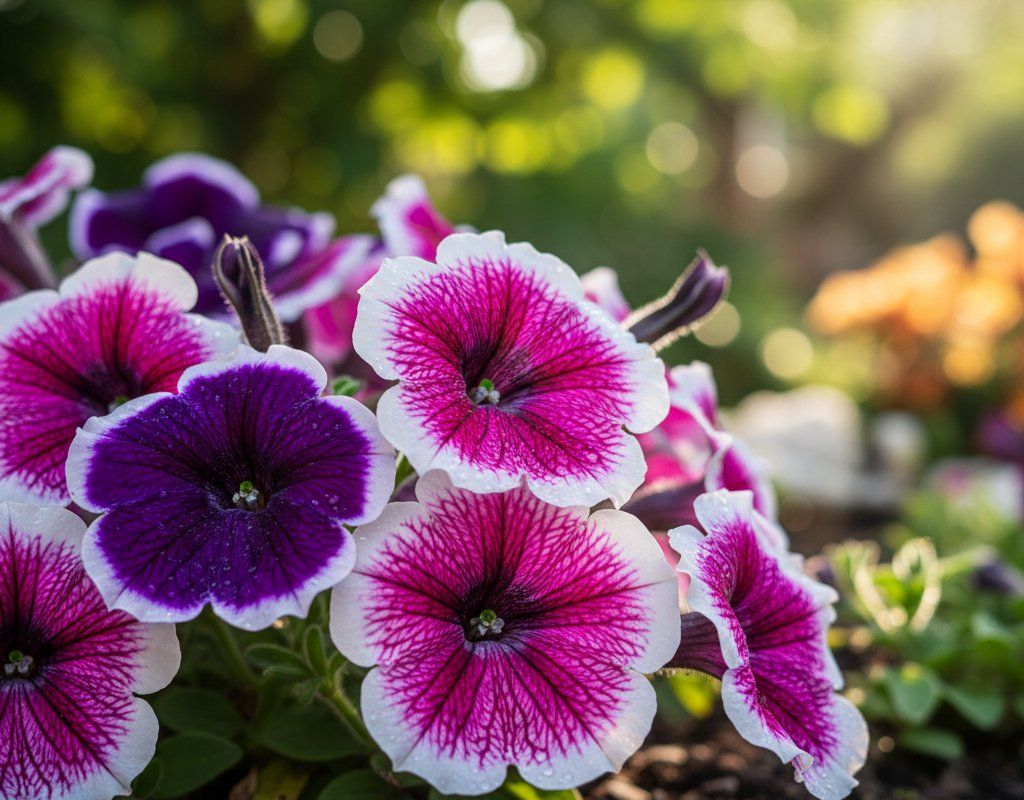
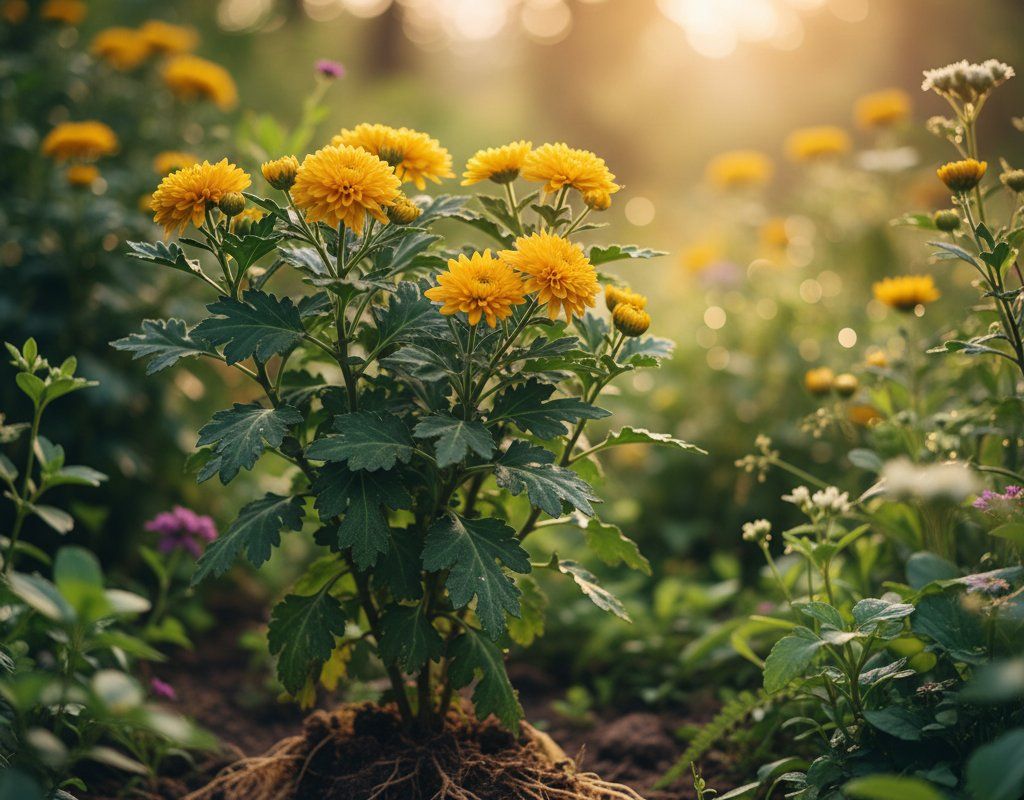
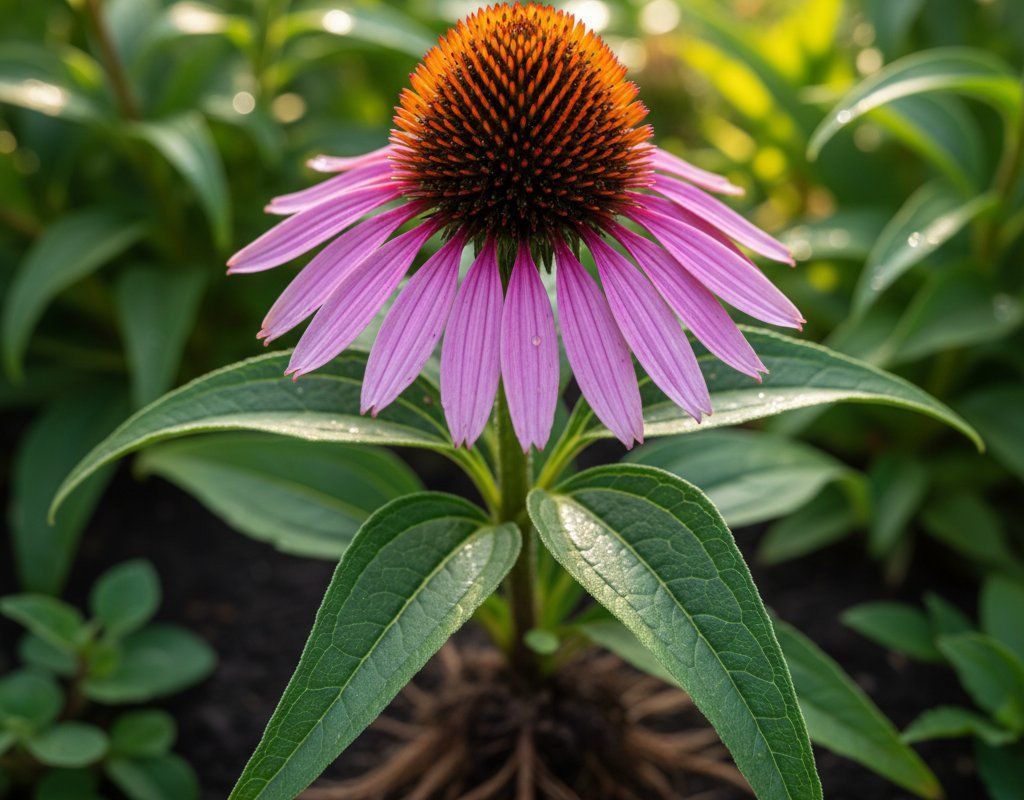
These flowers protect your Pepper from pests and attract pollinators for better harvests.
For Pest Control





Get a Reminder When It's Time to Plant
We'll email you when key planting windows open for your zone.