
Petunia in Zone 5B — Northeast
Petunia × hybrida · Your Complete 2026 Planting Guide
Last Call for Seed Starting!
Indoor seed starting window closes in 10 days.
Start Seeds This Week
Start seeds now for transplanting later.
Or Wait for Starts
If you don’t want to start seeds, starts will be available around May 9.
How to Plant Petunia in Zone 5B — Northeast
Here are all your options for getting petunia in the ground, from the easiest method to more advanced approaches.
Buy Starts
RecommendedEarly May through early June
around May 9
Plant purchased starts after last frost (April 25).
Petunias are slow from seed. Buy starts for easiest results.
Start Seeds Indoors
Works WellLate February through mid March
around February 28
Then transplant: Early May through early June
Start seeds 10-12 weeks before transplanting outdoors.
Direct Sow Seeds
ChallengingDirect sowing is not typical for Petunia.
Transplant Outdoors
Timing InfoEarly May through early June
around May 9
Wait until nighttime temperatures stay above 50°F.
You have a nice window — no need to rush.
Overview
Petunias are a classic for a reason, and they absolutely earn their place in any Northeast garden. Their vibrant colors bring a burst of life to containers and garden beds, and their fragrance on a cool summer evening is a real treat. Plus, petunias are incredibly versatile, thriving in everything from hanging baskets to window boxes.
Our short growing season here in the Northeast, clocking in at around 168 days, means we need to be smart about timing. With a little planning, and understanding the potential for a late frost, you can enjoy petunias blooming from early summer right up until the first frost of fall.
Starting Seeds Indoors
Starting petunias from seed indoors is possible, but honestly, most of us in the Northeast find it easier to buy starts. Petunias are slow growers from seed, and our already short season means we need to get a jump start. That being said, if you're determined to start your own, aim to sow seeds indoors from late February through mid March, about 10 weeks before you plan to transplant.
Use seed trays with a good seed-starting mix, and provide warmth and light – a heat mat and grow lights will significantly improve your success rate. Be sure to water from the bottom to prevent damping-off, a common problem with seedlings. Our late springs mean you need to be patient and keep those seedlings cozy indoors until the weather truly warms up.
Transplanting Outdoors
Transplanting petunias outdoors can begin from early May through early June, once the risk of frost has passed. Before you commit them to the garden, harden them off by gradually exposing them to outdoor conditions for about a week. This helps them adjust to the sun and wind, preventing transplant shock.
Space your petunias about 10-12 inches apart to allow for their spreading growth habit. Keep an eye on the weather forecast – those unexpected cold snaps we sometimes get in May can still damage tender petunias, so be ready to cover them if necessary. Honestly though, for the easiest results, I'd suggest buying healthy starts from your local garden center.
Watering Petunia in Zone 5B (Northeast)
Petunias need moderate watering, and understanding our Northeast climate is key to getting it right. While we don't have the scorching summers of the South, our moderate heat and moderate-to-humid conditions mean we need to pay attention. Container petunias will likely need daily watering, especially during the warmest stretches. Garden-planted petunias are less demanding, but still need consistent moisture.
A good rule of thumb is to check the soil moisture about 2 inches deep – the "finger test". If it feels dry, it's time to water. Aim for about an inch of water per week, whether from rainfall or your hose. Water at the base of the plants to avoid wetting the foliage, which can encourage fungal diseases in our humid climate.
Watch for signs of underwatering, like wilting leaves, or overwatering, like yellowing leaves. A layer of mulch around your petunias will help retain moisture and suppress weeds, a win-win for us Northeast gardeners battling our rocky soil.
Pruning & Maintaining Petunia
Pruning petunias is essential for keeping them blooming all season long. The most important thing is to deadhead regularly, removing spent flowers to encourage new blooms. Simply pinch or cut off the flower heads just below the faded bloom.
In midsummer, if your petunias start to look leggy – long stems with fewer flowers – don't be afraid to pinch or cut back the stems by about half. This will encourage bushier growth and more flowers. As the season winds down and we approach the first frost in early October, you can let them go a bit, but keep deadheading to squeeze out a few more blooms before the cold weather arrives.
🧪Fertilizing Petunia
Feeding Schedule
Organic Fertilizer Options
Harvest Time
Petunias aren't really a "harvest" crop in the traditional sense. You're growing them for their beautiful blooms, and the "harvest" is enjoying their continuous color all season long. Expect your petunias to start blooming in early July and continue well into late August, if you keep up with deadheading.
To "harvest" the blooms, simply enjoy them in your garden! There's no need to cut them for bouquets, as they don't last long as cut flowers. Keep deadheading spent blooms to encourage continued production. As the first frost approaches in early October, don't bother trying to save them – just enjoy the last of the blooms before the cold weather sets in.
Common Problems in Zone 5B (Northeast)
Even in the Northeast, petunias can face a few common problems:
Tobacco Budworm
- What it looks like: You'll see small, green caterpillars feeding on buds and flowers, leaving holes and damaged petals.
- What causes it: Moths lay their eggs on the plants, and the larvae hatch into budworms.
- How to fix/prevent it: Handpick the caterpillars when you see them. Bacillus thuringiensis (Bt) is an effective organic control option.
Botrytis in Wet Weather
- What it looks like: Gray mold develops on flowers and leaves, especially during periods of prolonged wetness.
- What causes it: A fungal disease that thrives in humid conditions.
- How to fix/prevent it: Ensure good air circulation around your plants. Remove any infected plant material promptly. Avoid overhead watering, especially in the evening.
Leggy Stems
- What it looks like: Long, bare stems with fewer and fewer flowers.
- What causes it: Lack of sunlight, improper pruning, or nutrient deficiencies.
- How to fix/prevent it: Ensure your petunias are planted in full sun. Pinch back leggy stems in midsummer to encourage bushier growth. Fertilize regularly with a balanced fertilizer.
Northeast Specific Challenges: Our moderate heat and moderate-to-humid humidity, combined with even rainfall, can create favorable conditions for fungal diseases like botrytis. Consistent monitoring and good air circulation are key to keeping your petunias healthy and blooming.
Best Companions for Petunia
Plant these nearby for healthier Petunia and better harvests.
View Full Companion Planting Chart →


Companion Planting Details
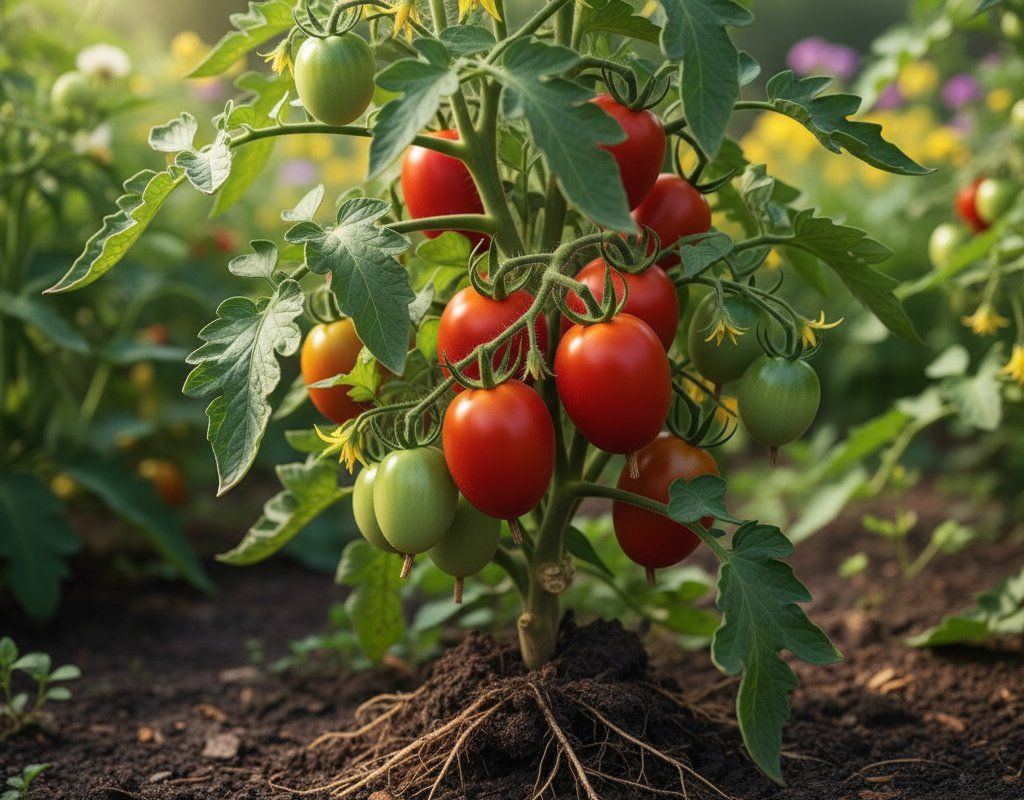
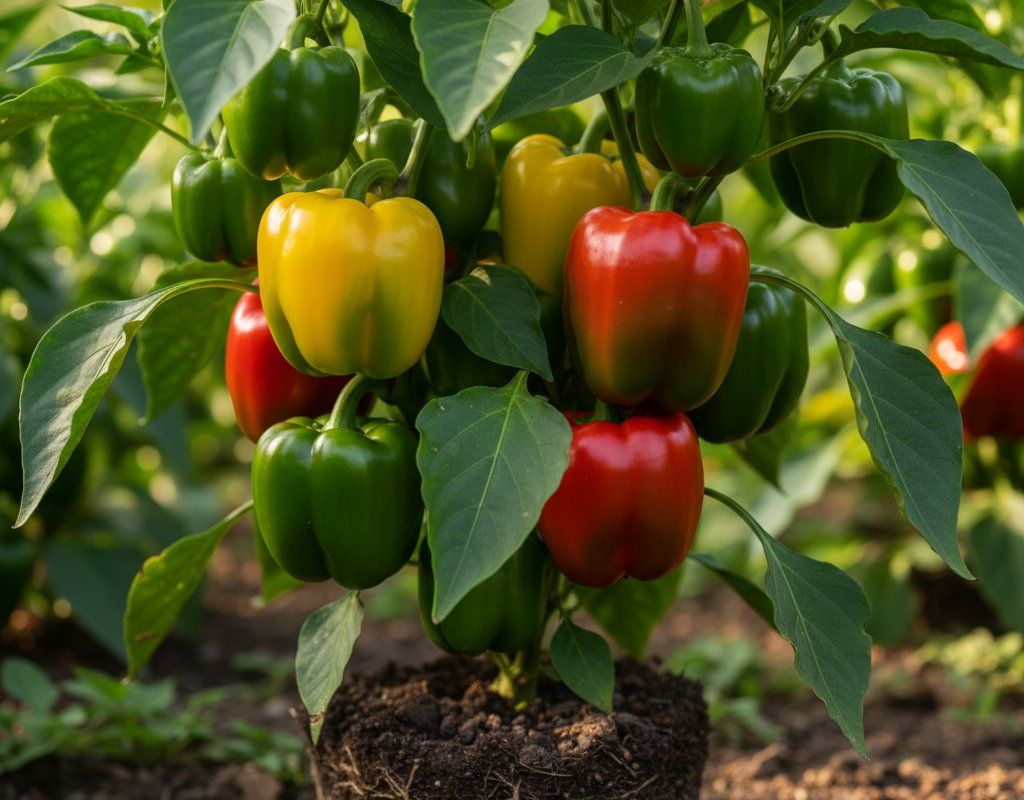
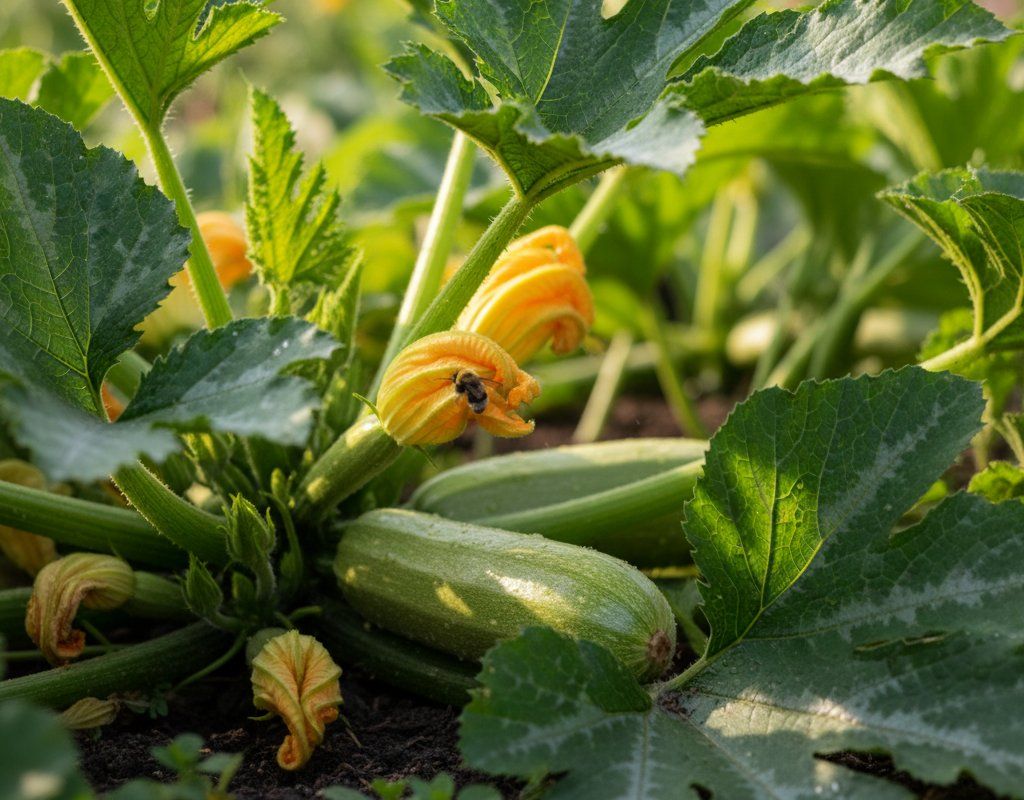
Petunias make great companions for several plants in the Northeast garden. Tomatoes and peppers benefit from petunias as they attract beneficial insects that prey on common pests. Green beans also appreciate the company of petunias, as they can help deter bean beetles. Squash can benefit from petunias attracting pollinators to the garden.
Avoid planting petunias near plants that are susceptible to the same diseases, like certain types of herbs. Otherwise, petunias are pretty easygoing and get along well with most of your Northeast garden inhabitants.
🥬Best Vegetables to Pair With Petunia
Petunia benefits these vegetables through pest control, pollinator attraction, or improved garden health.



Get a Reminder When It's Time to Plant
We'll email you when key planting windows open for your zone.