
Petunia in Zone 7B — Texas
Petunia × hybrida · Your Complete 2026 Planting Guide
Missed Seed Starting? No Problem!
Wait for starts to become available.
What to Do
Starts will be available at nurseries in 20 days (around March 24).
How to Plant Petunia in Zone 7B — Texas
Here are all your options for getting petunia in the ground, from the easiest method to more advanced approaches.
Buy Starts
RecommendedLate March through late April
around March 24
Plant purchased starts after last frost (March 10).
Petunias are slow from seed. Buy starts for easiest results.
Start Seeds Indoors
Works WellEarly to late January
around January 13
Then transplant: Late March through late April
Start seeds 10-12 weeks before transplanting outdoors.
Direct Sow Seeds
ChallengingDirect sowing is not typical for Petunia.
Transplant Outdoors
Timing InfoLate March through late April
around March 24
Wait until nighttime temperatures stay above 50°F.
You have a nice window — no need to rush.
Overview
Petunias are a classic for a reason, and they're right at home in Texas gardens. Their vibrant colors bring beauty to any space, whether you're filling containers or adding pops of color to your beds. Plus, they attract pollinators, boosting the health of your entire garden during our long growing season.
We all know Texas weather can be unpredictable, with everything from scorching heat to surprise freezes. But don't let that scare you off! With a bit of planning, you can enjoy petunias from spring all the way into fall, making the most of our 255-day growing season.
Starting Seeds Indoors
Starting petunias from seed indoors is definitely an option, but be warned: they're slow growers. If you're up for a challenge, starting seeds indoors in early to late January gives them a head start. You'll need seed trays, a warm location, and plenty of light – a grow light works wonders.
When you're setting up your seed trays, remember to water from the bottom to prevent damping off. Place the tray in a shallow dish of water and let the soil soak it up. This encourages strong root growth, which is crucial for getting these guys going during Texas' early spring temperature swings.
Transplanting Outdoors
Late March through late April is generally a good window to transplant your petunias outdoors. Before you commit, make sure you harden them off by gradually exposing them to the elements for about a week. Start with an hour or two of outdoor time and increase it each day.
Plant them about 10-12 inches apart in well-draining soil. Keep an eye on the weather forecast because we can still get a late freeze around this time of year. Honestly, buying petunia starts from a local nursery is often the easiest way to go. They've already done the hard part!
Watering Petunia in Zone 7B (Texas)
Petunias need moderate watering, but in the Texas heat, "moderate" can mean something different. During the spring and fall, when temperatures are milder and rainfall is more likely, give them a good soak 1-2 times a week, aiming for about an inch of water each time.
Once the summer heat kicks in, especially during those weeks when we're hitting 97°F, container petunias will likely need daily watering. Check the soil moisture by sticking your finger about 2 inches deep. If it feels dry, it's time to water. Water at the base of the plants to avoid getting the foliage wet, which can encourage fungal diseases, especially with our variable humidity.
Signs of underwatering include wilting leaves and dry, crispy edges. Overwatering, on the other hand, can lead to yellowing leaves and root rot. To help retain moisture and keep the soil cool, add a layer of mulch around your petunias. Just be sure to keep the mulch a few inches away from the stems to prevent rot.
Pruning & Maintaining Petunia
Petunias benefit from regular deadheading to encourage continuous blooming. Simply pinch or snip off the faded flowers just below the flower head. This prevents the plant from putting energy into seed production and directs it towards producing more blooms.
In midsummer, when the Texas heat is really beating down, your petunias might start to look a little leggy. Don't be afraid to give them a haircut! Cut back any long, bare stems by about half to encourage new growth and a bushier shape. As the first frost approaches in mid- November, you can let them go to seed or pull them up to make room for your fall garden.
🧪Fertilizing Petunia
Feeding Schedule
Organic Fertilizer Options
Harvest Time
You don't really "harvest" petunias in the traditional sense. The goal is to enjoy their continuous blooms throughout the growing season, which, in Texas, can stretch from late May through mid-July and beyond.
The key to keeping your petunias flowering is regular deadheading. Remove those spent blooms! This encourages new growth and helps keep the plant looking its best.
As we approach mid- November and the threat of frost looms, it's time to say goodbye to your petunias. You can either let them go to seed or pull them up to make room for your fall garden.
Common Problems in Zone 7B (Texas)
Here are some common problems you might encounter growing petunias in Texas:
Tobacco Budworm
- What it looks like: Small, green caterpillars that bore into the buds and flowers, leaving holes and damaged petals.
- What causes it: These pests are attracted to petunias, especially in spring.
- How to fix/prevent it: Handpick the caterpillars when you see them. You can also use Bacillus thuringiensis (Bt), a natural insecticide, to control them.
Botrytis (Gray Mold)
- What it looks like: Gray, fuzzy mold on the flowers and leaves, especially during periods of wet weather.
- What causes it: High humidity and prolonged wetness create ideal conditions for this fungal disease. This can be a problem after a flash flood.
- How to fix/prevent it: Improve air circulation by spacing plants properly and pruning out crowded growth. Avoid overhead watering. Remove and destroy any infected plant parts.
Leggy Stems
- What it looks like: Long, bare stems with few leaves and flowers, giving the plant a sparse, unattractive appearance.
- What causes it: Insufficient sunlight, excessive heat, and lack of pruning can all contribute to leggy growth.
- How to fix/prevent it: Plant petunias in a location that receives at least 6-8 hours of direct sunlight per day. Prune back leggy stems by about half to encourage new growth.
Texas Specific Challenges: The extreme Texas heat can stress petunias, making them more susceptible to pests and diseases. Variable humidity and unpredictable rainfall can also create challenges. Consistent monitoring and proactive measures are key to keeping your petunias healthy and thriving.
Best Companions for Petunia
Plant these nearby for healthier Petunia and better harvests.
View Full Companion Planting Chart →


Companion Planting Details
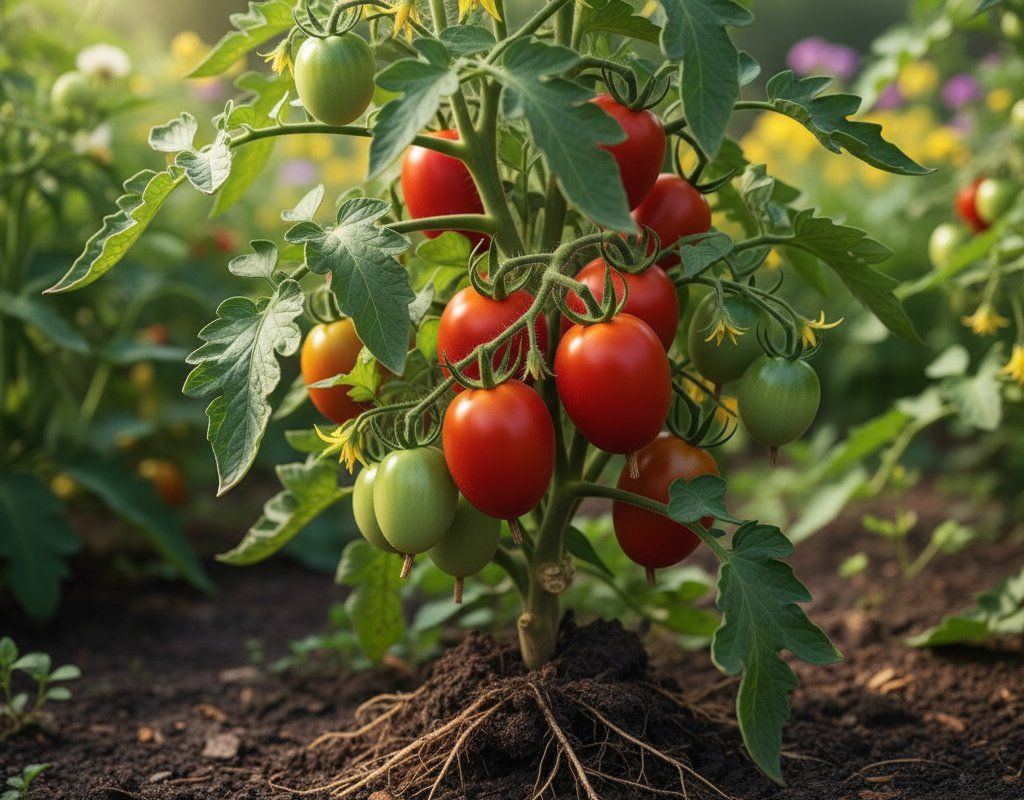
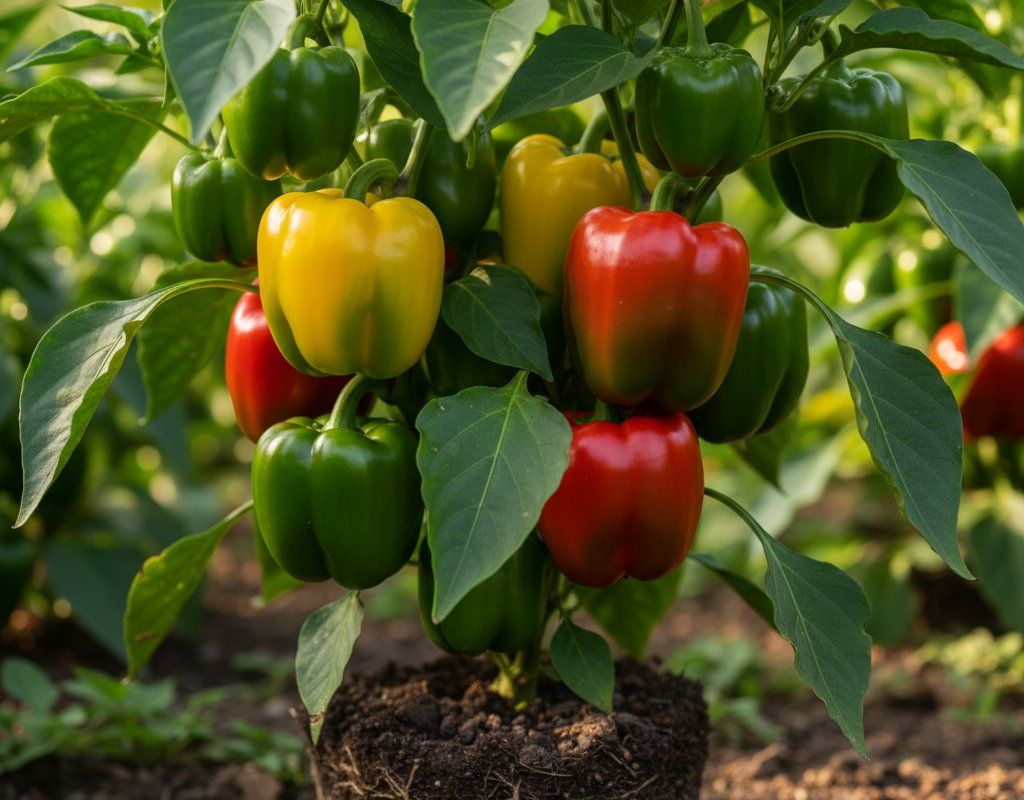
Petunias make great companions for a variety of vegetables in the Texas garden. Plant them near tomatoes and peppers to attract pollinators, which will improve fruit set. They also work well with green beans, as the petunias can help deter bean beetles.
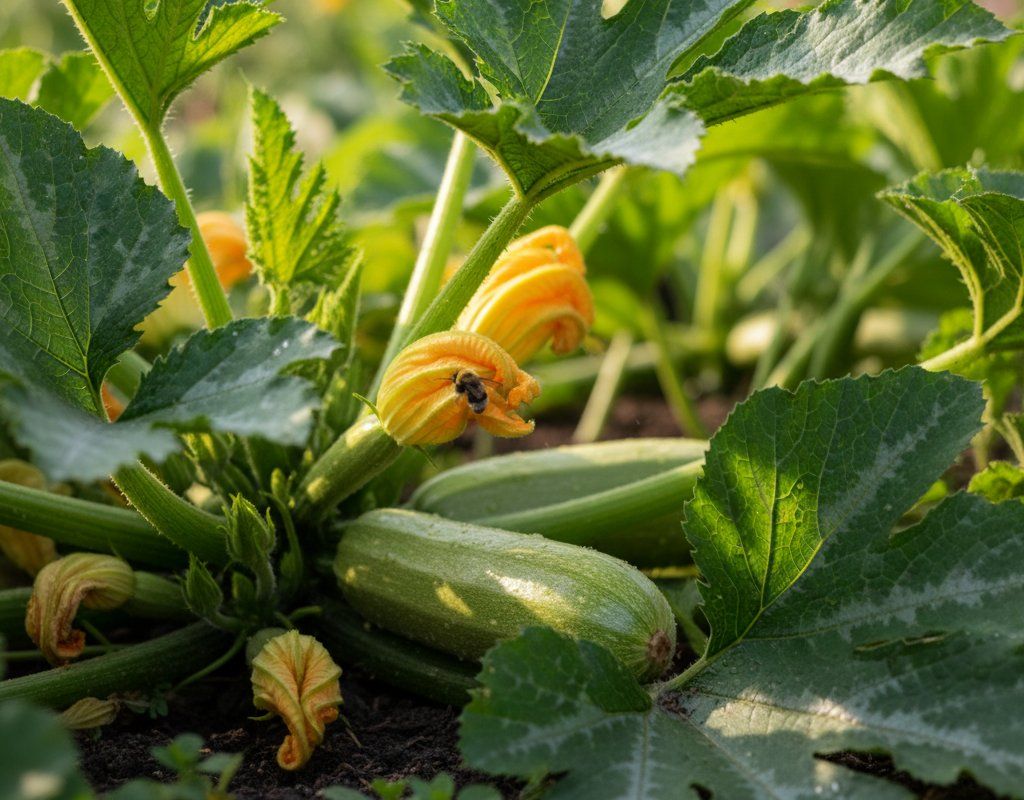
Squash also benefits from petunias nearby, as the flowers can attract beneficial insects that prey on squash vine borers. Avoid planting petunias near plants that are susceptible to the same diseases, such as certain types of melons.
🥬Best Vegetables to Pair With Petunia
Petunia benefits these vegetables through pest control, pollinator attraction, or improved garden health.



Get a Reminder When It's Time to Plant
We'll email you when key planting windows open for your zone.