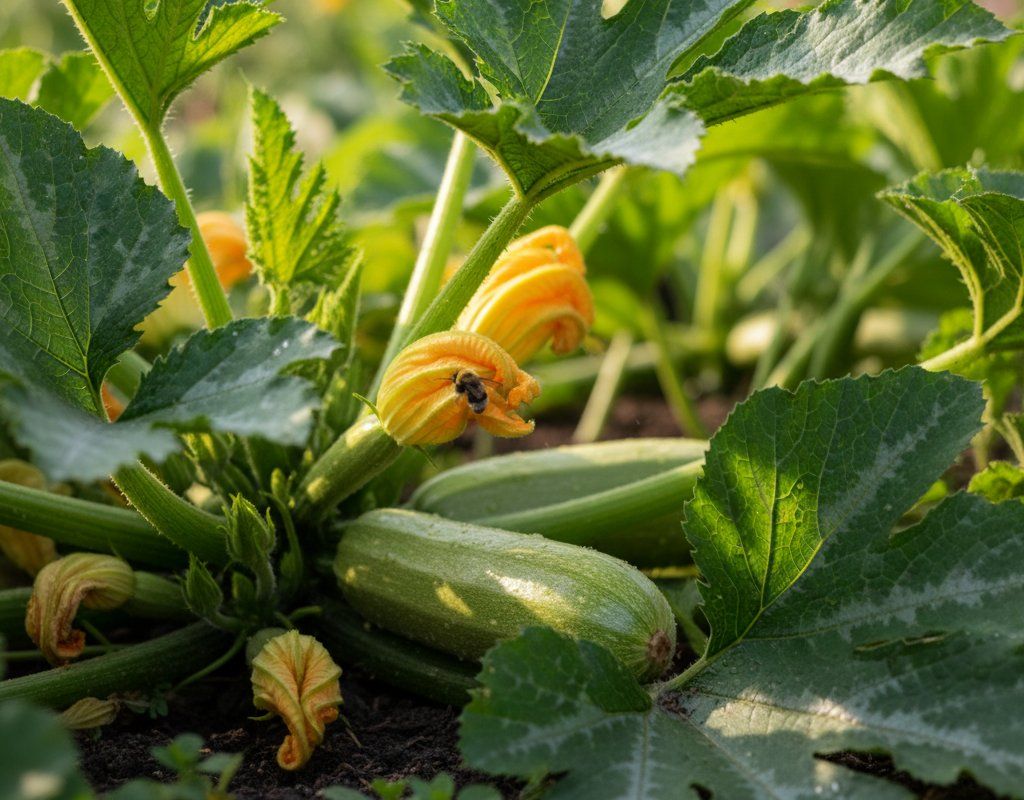
Zucchini in Zone 7B — Texas
Cucurbita pepo · Your Complete 2026 Planting Guide
Last Call for Seed Starting!
Indoor seed starting window closes in 13 days.
Start Seeds This Week
Start seeds now for transplanting later.
Or Wait for Starts
If you don’t want to start seeds, starts will be available around March 24.
How to Plant Zucchini in Zone 7B — Texas
Here are all your options for getting zucchini in the ground, from the easiest method to more advanced approaches.
Direct Sow Seeds
RecommendedMid March through mid September
around March 17
Consider succession planting every 2-3 weeks for continuous harvest.
Zucchini grows so fast that direct sowing is usually easiest.
Buy Starts
Works WellLate March through early May
around March 24
Plant purchased starts after last frost (March 10).
Start Seeds Indoors
Works WellLate February through mid March
around March 3
Then transplant: Late March through early May
Start seeds 3-5 weeks before transplanting outdoors.
Only start indoors if you want earlier harvest. Don't start too early.
Transplant Outdoors
Timing InfoLate March through early May
around March 24
Wait until nighttime temperatures stay above 50°F.
You have a nice window — no need to rush.
Overview
Growing zucchini in Texas Zone 7B gives you one of the most productive vegetables for your garden space. These prolific plants thrive in our long 255-day growing season, producing tender, flavorful squash that beats anything you'll find at the store. With our early spring warmth, you can get zucchini plants established well before the brutal Texas heat arrives, then enjoy harvests from late spring clear through your first frost in mid-November.
The unpredictable Texas weather and extreme summer heat can challenge zucchini, but proper timing makes all the difference. Plant early enough to establish strong roots before summer's peak, and you'll have plants that can handle both our scorching days and those sudden downpours that flash flood the garden. With two growing windows available, you can even succession plant for continuous harvests.
Starting Seeds Indoors
Starting zucchini seeds indoors in Texas is possible but rarely necessary. If you want the earliest possible harvest, start seeds indoors during late February through mid-March, about three weeks before your intended transplant date. Use seed trays filled with quality potting mix, keep soil temperature around 70°F, and provide bright light once seedlings emerge.
Bottom watering works best for zucchini seedlings since it prevents damping-off disease. Set your seed trays in shallow pans of water and let the soil absorb moisture from below. Our early Texas spring gives you plenty of time for direct sowing, so indoor starting only makes sense if you're eager for that first harvest or want to maximize your growing window.
Don't start too early indoors – zucchini grows incredibly fast and becomes root-bound quickly in small containers. Three weeks from seed to transplant-ready seedling is plenty of time.
Transplanting Outdoors
Transplant your indoor-started zucchini seedlings outdoors from late March through early May, after our typical last frost passes in early March. Even though frost danger is usually over, watch for those unexpected late cold snaps that Texas weather loves to throw at us. Night temperatures should consistently stay above 50°F before transplanting.
Harden off seedlings gradually over one week by placing them outside for increasingly longer periods each day. Start with just a few hours of morning sun, then work up to full day exposure. This prevents transplant shock when they hit our intense Texas sun and variable humidity.
Space transplants 36-48 inches apart in all directions – zucchini needs room for its large leaves and sprawling growth habit. Plant them at the same depth they were growing in their containers, and water thoroughly after transplanting. The wide spacing also improves air circulation, which helps prevent powdery mildew in our variable humidity conditions.
Direct Sowing
Direct sowing is the recommended method for growing zucchini in Texas. Plant seeds from mid-March through mid-September, timing your plantings to avoid the worst of our summer heat for germination. Soil temperature should reach at least 60°F, though zucchini seeds germinate much better when soil hits 70°F or warmer.
Prepare your planting area by working compost into the soil and ensuring good drainage – zucchini hates wet feet, especially during our unpredictable rainfall periods. Plant seeds ½ to 1 inch deep and space them 36-48 inches apart in all directions. The generous spacing accounts for zucchini's large mature size and helps with air circulation during our humid periods.
Zucchini grows so quickly that direct sowing usually catches up to transplanted seedlings within weeks. Seeds germinate in 7-10 days in warm soil, and you'll see rapid growth once our Texas heat kicks in. For continuous harvests, try succession planting every 3-4 weeks through early summer, though avoid planting during the peak heat of July and August.
Watering Zucchini in Zone 7B (Texas)
Zucchini demands consistent, deep watering throughout the growing season, which can be tricky with our unpredictable Texas rainfall patterns. These plants need about 1-2 inches of water per week, but during our hot summers with temperatures hitting 97°F regularly, they may need even more. The key is keeping soil moisture consistent – zucchini struggles with both drought stress and waterlogged conditions.
Water deeply at the base of plants rather than overhead. Those large zucchini leaves are prone to powdery mildew, especially when our variable humidity creates the perfect conditions for fungal problems. Use the finger test: stick your finger 2 inches into the soil near the plant base. If it's dry at that depth, it's time to water thoroughly.
During our extreme heat periods, you may need to water every other day, especially for plants in containers or raised beds that dry out faster. Morning watering works best – it gives plants moisture for the day ahead while allowing any wet foliage to dry before evening humidity builds up. Drip irrigation or soaker hoses work perfectly for zucchini's watering needs.
Apply a 3-4 inch layer of mulch around plants to help retain moisture during both our drought periods and after those sudden downpours that can wash away topsoil. Watch for signs of stress: wilting during the hottest part of the day is normal, but plants should perk up by evening. Consistently yellow leaves often indicate either overwatering or underwatering – check your soil moisture to determine which problem you're facing.
🧪Fertilizing Zucchini
Feeding Schedule
Organic Fertilizer Options
Harvest Time
Expect your first zucchini harvest about 50 days after planting, typically starting in early May for spring-planted crops and continuing through mid-November until your first frost. The long Texas growing season means extended harvest periods, especially if you succession plant for continuous production.
Harvest zucchini when fruits reach 6-8 inches long for the best texture and flavor. Check plants daily once they start producing – zucchini grows incredibly fast in Texas heat, and fruits can double in size overnight. Use a sharp knife or pruning shears to cut stems cleanly rather than twisting or pulling, which can damage the plant and invite disease.
Keep harvesting regularly to encourage continued production. Large, oversized zucchini become spongy and seedy, plus they signal the plant to stop producing new fruits. If you accidentally let one grow too large, harvest it immediately and use it for baking or stuff it – then expect a temporary slowdown in new fruit development.
As your first frost date approaches in mid-November, harvest all remaining fruits regardless of size. Green tomatoes can ripen indoors, but zucchini won't continue developing once picked, so use what you have or preserve it through freezing or dehydrating. The plants will die with the first frost, ending your harvest season.
Common Problems in Zone 7B (Texas)
Squash Vine Borers Watch for sudden wilting of entire vines or sections of your zucchini plants, especially during late spring and summer in Texas. You'll often find sawdust-like frass around the base of stems where borers have tunneled inside. These fat, white grubs are larvae of clearwing moths that lay eggs at stem bases, then bore through stems and cut off water flow to the rest of the plant.
The Texas heat makes vine borer problems worse since stressed plants are more vulnerable. Wrap the base of stems with aluminum foil or use floating row covers during peak moth activity periods. If you catch infestations early, you can inject Bt (beneficial bacteria) into affected stems. Succession planting gives you backup plants when borers strike your main crop.
Powdery Mildew This fungal disease appears as white or grayish powdery coating on leaves, stems, and sometimes fruit. Our Texas climate creates perfect conditions – warm days, variable humidity, and moderate temperatures that favor this particular fungus. Unlike most plant diseases, powdery mildew actually prefers dry leaf surfaces, so overhead watering doesn't prevent it.
Improve air circulation through proper spacing (those 36-48 inches between plants matter) and remove affected leaves immediately. Neem oil sprays help, but a simple milk spray (1 part milk to 9 parts water) works surprisingly well. Focus on prevention through good spacing and morning watering that allows leaves to dry quickly in our Texas sun.
Blossom End Rot Dark, sunken patches appear on the bottom end of fruits, creating leathery brown or black spots that ruin the zucchini. This isn't actually a disease – it's a calcium deficiency caused by inconsistent watering, which is common in Texas with our unpredictable rainfall and extreme heat that makes soil dry out irregularly.
Consistent watering is the single most effective fix for blossom end rot. Our flash floods followed by drought periods create perfect conditions for this problem. Heavy mulching helps maintain even soil moisture, and avoid over-fertilizing with nitrogen, which interferes with calcium uptake. Remove affected fruits immediately so the plant can focus energy on healthy production.
Texas Specific Challenges Our hot-to-extreme heat combined with variable humidity and unpredictable rainfall creates a challenging environment for zucchini. The intense summer sun can stress plants, making them more susceptible to pests and diseases, while our sudden weather swings from drought to flood stress their root systems. Fire ants may also disturb young seedlings, so watch for ant activity around newly planted areas.
Best Companions for Zucchini
Plant these nearby for healthier Zucchini and better harvests.


Keep Away From
Companion Planting Details
Plant zucchini alongside corn and beans for a modified three sisters arrangement that works well in Texas heat. Corn provides afternoon shade during our intense summer sun, while beans fix nitrogen that feeds heavy-feeding zucchini plants. Radishes planted nearby help break up soil and may deter squash bugs, plus they're harvested long before zucchini needs the space.
Mint planted around the garden perimeter can help repel ants and other pests that bother zucchini, though keep it contained since mint spreads aggressively in our long growing season. Avoid planting potatoes near zucchini – both crops attract similar pests and compete for soil nutrients, plus potatoes prefer cooler conditions while zucchini thrives in our Texas heat.
🌸Best Flowers to Plant with Zucchini
These flowers protect your Zucchini from pests and attract pollinators for better harvests.
For Pest Control







Get a Reminder When It's Time to Plant
We'll email you when key planting windows open for your zone.