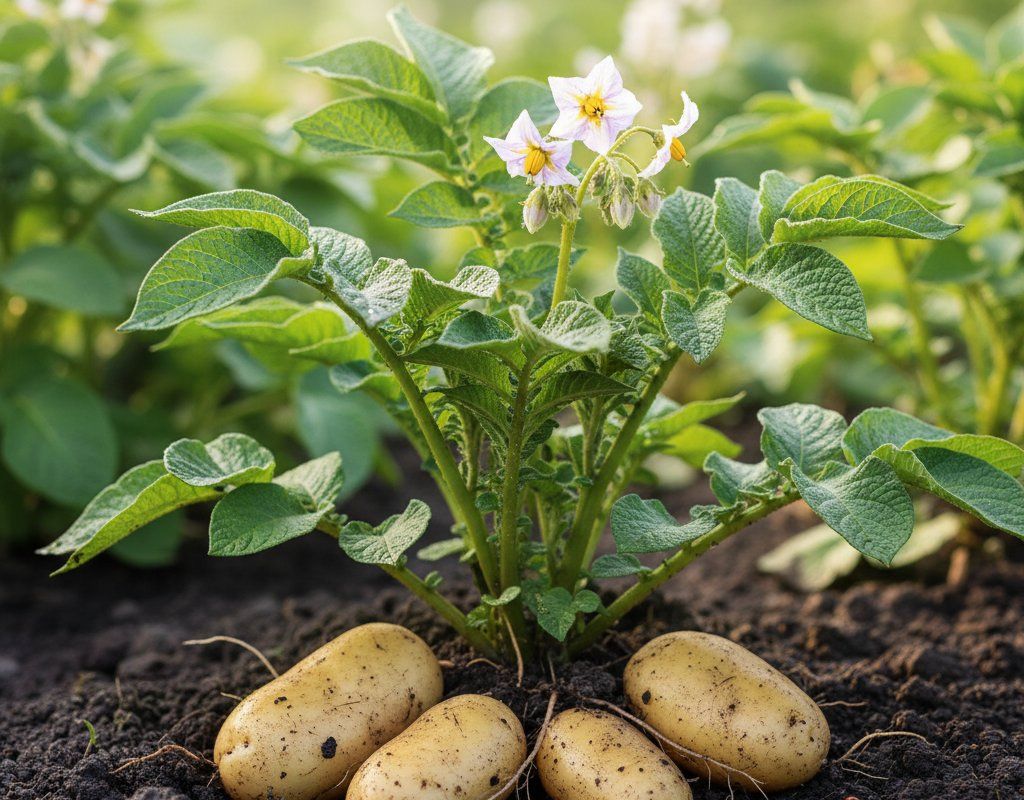
Potato in Zone 3A — Great Plains
Solanum tuberosum · Your Complete 2026 Planting Guide
Planning Ahead — Great!
You’re ahead of the season. Here’s when to start.
Mark Your Calendar
How to Plant Potato in Zone 3A — Great Plains
Here are all your options for getting potato in the ground, from the easiest method to more advanced approaches.
Direct Sow Seeds
RecommendedMid to late May
around May 11
Direct sow as soon as conditions allow.
Plant seed potatoes directly in the ground. Not grown from true seed.
Buy Starts
Works WellMid to late May
around May 11
Plant purchased starts after last frost (May 25).
Start Seeds Indoors
ChallengingThis plant is typically not started indoors.
Transplant Outdoors
Timing InfoMid to late May
around May 11
Can tolerate light frost, but wait for soil to be workable.
Plan to transplant within a few weeks of your target date.
Overview
Growing your own potatoes in Zone 3A is one of the most rewarding crops for Plains gardeners. Fresh-dug potatoes have a creamy texture and rich flavor that store-bought varieties can't match, plus you control exactly what goes into the soil. Our prairie soil's natural fertility gives potatoes the deep, loose growing medium they crave, and our intense Plains sunshine helps build those starches that make homegrown spuds so satisfying.
Your biggest challenge here is timing around our short growing season and late spring frosts that can linger into late May. With only 108 days between average last and first frost, potatoes need every day they can get to reach maturity. The good news is that once soil warms and you get them planted, our hot summers and low disease pressure create excellent growing conditions for a solid crop.
Transplanting Outdoors
Potatoes aren't typically transplanted since they're grown from seed potatoes (tuber pieces) planted directly in the ground. However, if you're starting with greenhouse-grown potato plants, you'll want to wait until mid to late May when soil has warmed to at least 45°F and hard frost danger has passed.
Harden off any potato plants gradually over a full week, starting with just 2-3 hours outside in a protected spot. Our Plains winds can shock tender plants, so choose calm days for the initial exposure. Space plants 12 inches apart in rows, giving them room to spread as they grow.
Plant on a calm day if possible - our constant wind can stress newly transplanted potatoes. A temporary windbreak using row cover or even cardboard can help plants establish during their first week outdoors.
Direct Sowing
Direct sowing seed potatoes is the standard method here in the Plains, and it works beautifully with our growing conditions. Plant your seed potato pieces from mid to late May, once soil temperature reaches 45°F consistently and hard frost danger has passed. Our variable spring weather means you might wait until the very end of May some years.
Cut seed potatoes into pieces with at least two eyes each, then let them cure for 2-3 days until cut surfaces dry slightly. This prevents rot in cool, wet soil. Plant pieces 4 inches deep and 12 inches apart in loose, well-draining soil. Our prairie soil usually drains well naturally, but add compost if your ground stays soggy after spring snowmelt.
Hill soil around plants as they grow, covering stems but leaving top leaves exposed. This protects developing tubers from our intense sunshine and creates more space for potato formation. Continue hilling every few weeks until plants are 8-10 inches tall.
Watering Potato in Zone 3A (Great Plains)
Potatoes need consistent moisture but not soggy conditions - a tricky balance in our variable Plains rainfall. During their initial growth phase in late spring, our soil usually holds adequate moisture from snowmelt and early rains. Check soil 2 inches down with your finger; if it's dry at that depth, it's time to water deeply.
Once plants start flowering in mid-summer, they're forming tubers and need steady moisture. This coincides with our hottest, driest period when temperatures hit the 90s regularly. Provide about 1-1.5 inches per week through deep, infrequent watering rather than daily sprinkles. Water at the base of plants rather than overhead - while our low humidity reduces disease risk, wet foliage still invites problems.
Watch for signs of water stress: leaves wilting during the heat of the day (normal) versus staying wilted in evening (needs water). Yellowing lower leaves often signal inconsistent watering. Two weeks before harvest, reduce watering significantly to help potatoes cure and prevent rot during storage.
Apply 2-3 inches of straw mulch around plants to conserve moisture and keep our intense Plains sun from hitting developing tubers. Avoid thick mulches that hold too much moisture in heavy clay soils.
🧪Fertilizing Potato
Feeding Schedule
Organic Fertilizer Options
Harvest Time
Your first "new" potatoes will be ready for harvest in early August, about 10-12 weeks after planting when plants begin flowering. These small, thin-skinned potatoes are perfect for immediate eating. Carefully dig around plants with your hands to harvest just what you need, leaving the rest to mature.
For storage potatoes, wait until plant foliage dies back completely, usually by late August through mid-September. The skins need time to "set" or thicken for proper storage. Dig on a dry day when soil isn't muddy - wet soil clings to potatoes and can introduce rot organisms.
Use a digging fork rather than a shovel to avoid cutting through tubers. Start digging 12 inches away from the plant base and work inward. Our prairie soil usually releases potatoes easily, but work carefully since damaged potatoes won't store well.
As our first frost approaches in early September, prioritize harvesting any remaining potatoes even if foliage hasn't completely died back. A hard frost will damage tubers left in the ground. Cure harvested potatoes in a cool, dark, ventilated area for 7-10 days before long-term storage.
Common Problems in Zone 3A (Great Plains)
Colorado Potato Beetle These distinctive yellow-orange beetles with black stripes appear in late spring just as your potato plants emerge. Adults and their red larvae feed voraciously on potato leaves, capable of defoliating entire plants within days. You'll see characteristic chewed leaf edges and dark excrement on damaged foliage. Our hot Plains summers actually help this pest thrive and reproduce quickly. Hand-pick adults and larvae in the morning when they're sluggish, dropping them into soapy water. Apply row covers immediately after planting, removing only when plants are large enough to tolerate some feeding damage.
Late Blight This devastating disease shows up as large, dark green-gray water-soaked spots on leaves, often with white fuzzy growth on undersides during humid mornings. Our variable Plains weather - especially cool, wet spells followed by heat - creates perfect conditions for late blight to explode across plantings. The disease can destroy entire crops within a week once established. Remove and destroy (don't compost) any affected plants immediately. Apply copper-based fungicide preventatively during wet weather, and ensure good air circulation by proper spacing and avoiding overhead watering.
Scab This soil-borne disease causes rough, corky patches on potato skins, making them unsightly though still edible. Scab thrives in alkaline soil conditions and dry weather followed by wet periods - exactly what we often experience in the Plains with our variable rainfall. Maintain soil pH between 5.2-6.0 by adding sulfur or organic matter. Keep soil consistently moist during tuber formation rather than allowing wet-dry cycles. Plant resistant varieties and avoid fresh manure, which raises soil pH.
Great Plains Specific Challenges: Our intense summer heat combined with variable rainfall creates stress conditions that weaken plants' natural defenses. The constant wind can spread diseases quickly between plants, while our alkaline prairie soils often favor scab development. Focus on consistent watering and soil improvement to help plants weather our extreme conditions.
Best Companions for Potato
Plant these nearby for healthier Potato and better harvests.

Keep Away From

Companion Planting Details
Beans make excellent potato companions here in the Plains because they fix nitrogen that potatoes can use later in the season, and their upright growth doesn't compete for space with spreading potato plants. Corn provides natural wind protection - crucial in our constant Plains breezes - while potatoes help deter corn borers. Plant corn on the windward side of your potato patch for maximum benefit.
Brassicas like cabbage and broccoli work well since they mature earlier than potatoes, making efficient use of space in our short growing season. Horseradish planted at the edges of potato beds helps repel Colorado potato beetles naturally. Avoid planting potatoes near tomatoes, as both are susceptible to the same diseases like late blight, and our variable weather can quickly spread problems between related plants. Skip squash and cucumbers nearby - they need different watering schedules and can harbor pests that migrate to potatoes.
🌸Best Flowers to Plant with Potato
These flowers protect your Potato from pests and attract pollinators for better harvests.


Get a Reminder When It's Time to Plant
We'll email you when key planting windows open for your zone.