
Sweet Alyssum in Zone 3A — Great Plains
Lobularia maritima · Your Complete 2026 Planting Guide
Planning Ahead — Great!
You’re ahead of the season. Here’s when to start.
Mark Your Calendar
How to Plant Sweet Alyssum in Zone 3A — Great Plains
Here are all your options for getting sweet alyssum in the ground, from the easiest method to more advanced approaches.
Direct Sow Seeds
RecommendedMid May through mid July
around May 11
Consider succession planting every 2-3 weeks for continuous harvest.
Start Seeds Indoors
RecommendedLate March through mid April
around March 30
Then transplant: Mid May through late June
Start seeds 6-8 weeks before transplanting outdoors.
Buy Starts
Works WellMid May through late June
around May 11
Plant purchased starts after last frost (May 25).
Transplant Outdoors
Timing InfoMid May through late June
around May 11
Can tolerate light frost, but wait for soil to be workable.
You have a nice window — no need to rush.
Overview
Sweet Alyssum is a winner for us Plains gardeners, adding a delicate, honey-like fragrance to your garden while attracting beneficial insects. It's versatile, working as a ground cover, edging, or spilling out of containers, and the constant blooms bring a smile, especially with our intense sunshine making the colors pop.
Our extreme weather can be a challenge, with temperature swings and the occasional hail risk. But don't worry, Sweet Alyssum's relatively quick 45-day maturity means you can easily get a good show in our 108-day growing season if you time things right.
Starting Seeds Indoors
Starting Sweet Alyssum indoors is an option, but honestly, direct sowing often works just as well for us here in the Plains. If you want a head start, sow seeds indoors from late March through mid April, roughly six weeks before you plan to transplant.
Use seed trays with a good seed-starting mix and keep them warm and consistently moist. Bottom watering is your friend here; set the trays in a shallow pan of water and let the soil soak it up to avoid disturbing the tiny seeds. Spring weather can be so variable, so having seedlings ready to go gives you a little insurance.
Transplanting Outdoors
Transplant your Sweet Alyssum seedlings outdoors from mid May through late June, after the risk of hard frost has passed. Harden them off for about a week beforehand by gradually exposing them to outdoor conditions.
Space the plants 6-8 inches apart to give them room to spread. Keep an eye on the forecast for late frosts or hail, and be ready to cover your seedlings if needed.
Direct Sowing
Direct sowing Sweet Alyssum is a breeze in the Plains, and often my preferred method. Sow seeds from mid May through mid July, once the soil has warmed up.
Simply prepare a fine seedbed, lightly sprinkle the seeds on the surface, and gently press them into the soil. Keep the soil consistently moist until germination. Thin seedlings to 6-8 inches apart.
Watering Sweet Alyssum in Zone 3A (Great Plains)
Sweet Alyssum likes consistent moisture, but it's not a fan of soggy feet, something to keep in mind with our variable rainfall. During the heat of summer (typical highs around 93°F), you'll need to be more attentive.
A good rule of thumb is to water deeply once or twice a week, aiming for about an inch of water. Do the finger test: stick your finger about two inches deep into the soil; if it feels dry, it's time to water. Water at the base of the plants to avoid wetting the foliage, which can encourage disease in our low-to-moderate humidity.
Watch for signs of underwatering, like wilting leaves, or overwatering, like yellowing leaves. A light layer of mulch, like straw or wood chips, will help retain moisture and keep the soil cool during those hot Plains summers.
Pruning & Maintaining Sweet Alyssum
Sweet Alyssum is pretty low-maintenance when it comes to pruning. You'll mainly want to shear it back if it starts to get leggy, usually around midsummer.
Simply cut the plants back by about half, removing any spent flowers. Don't worry, fresh growth and flowers will follow quickly. As the first frost approaches around early September, you can let the plants go to seed, or pull them up and compost them.
🧪Fertilizing Sweet Alyssum
Feeding Schedule
Organic Fertilizer Options
Harvest Time
Sweet Alyssum is more about enjoying its beauty and benefits rather than a traditional harvest. It continuously flowers from late June through mid September, attracting beneficial insects to your garden.
There's no need to pick the flowers unless you want to collect seeds. Just let them do their thing as living mulch and insect magnets. As the season winds down and the first frost threatens, you can collect seeds if desired, or simply let the plants fade gracefully.
Common Problems in Zone 3A (Great Plains)
Here are a few common problems you might encounter with Sweet Alyssum in the Great Plains:
Downy Mildew
- What it looks like: Yellow patches on the tops of leaves, with fuzzy gray-purple growth on the undersides. Leaves brown and die from the bottom up.
- What causes it: This oomycete pathogen spreads in cool, humid conditions via wind-carried spores.
- How to fix/prevent it: Remove affected leaves immediately. Improve air circulation around your plants. Water at the base, never overhead. Copper-based fungicides can help prevent it.
May Die Back in Extreme Heat
- What it looks like: Plants may wilt, stop flowering, and even partially die back during the hottest part of the summer.
- What causes it: Sweet Alyssum prefers cooler temperatures and can struggle in our extreme Plains heat.
- How to fix/prevent it: Provide afternoon shade if possible. Ensure adequate watering. Mulch well to keep the soil cool. Don't worry, they often bounce back when temperatures cool down.
Flea Beetles
- What it looks like: Tiny round holes (shot-hole pattern) in the leaves. You might see small, dark beetles that jump when disturbed.
- What causes it: These small jumping beetles feed on the leaves, especially of young seedlings.
- How to fix/prevent it: Row covers can protect seedlings during their vulnerable stage. Delay planting until plants are larger. Kaolin clay coating or neem oil spray can also help. Healthy, vigorous plants can usually outgrow the damage.
Great Plains Specific Challenges: Our hot summers can stress Sweet Alyssum, making them more susceptible to pests and diseases. The variable rainfall can also make it tricky to maintain consistent moisture levels.
Best Companions for Sweet Alyssum
Plant these nearby for healthier Sweet Alyssum and better harvests.
View Full Companion Planting Chart →


Companion Planting Details
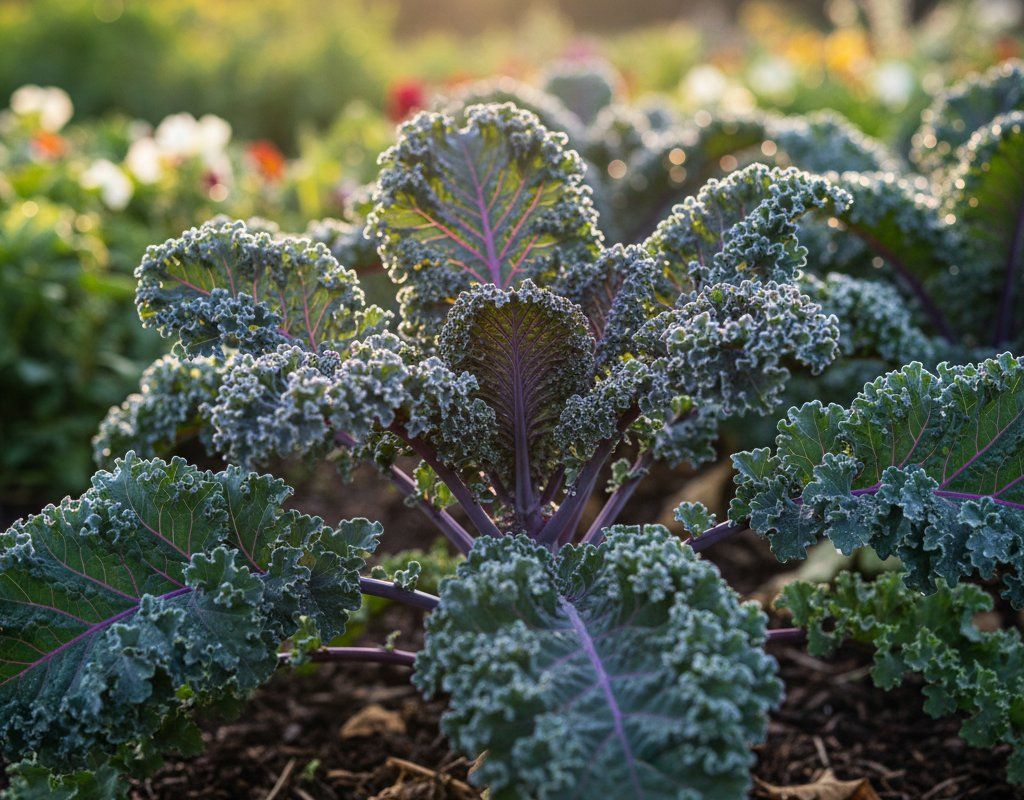
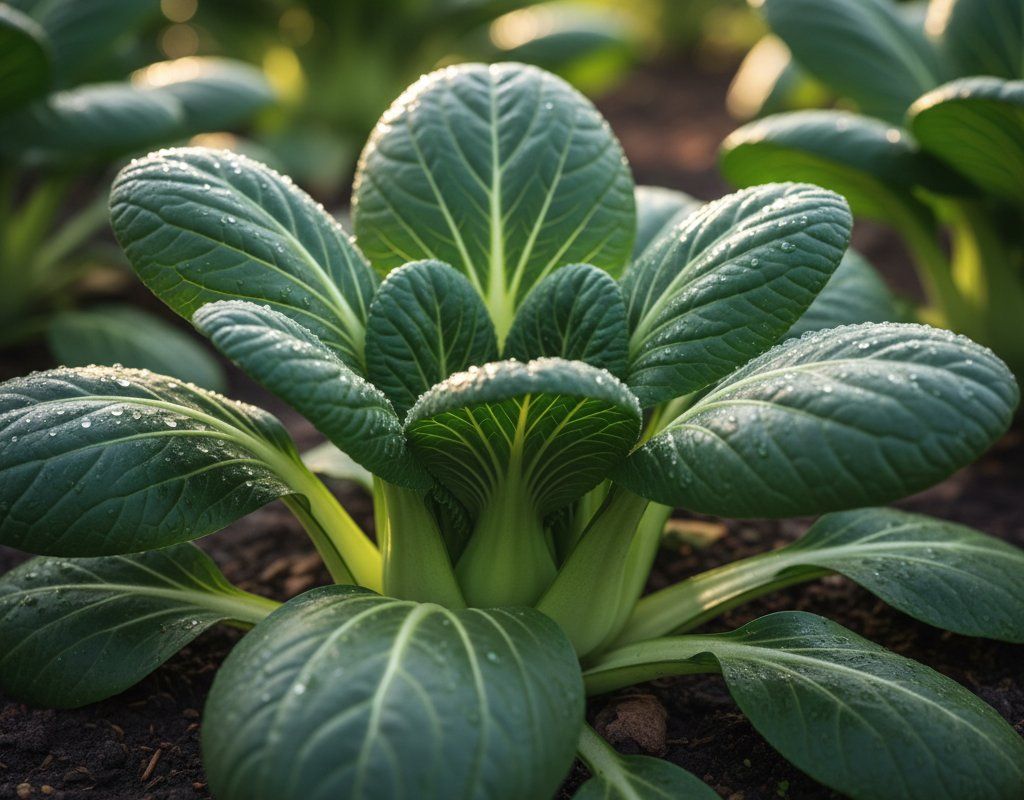
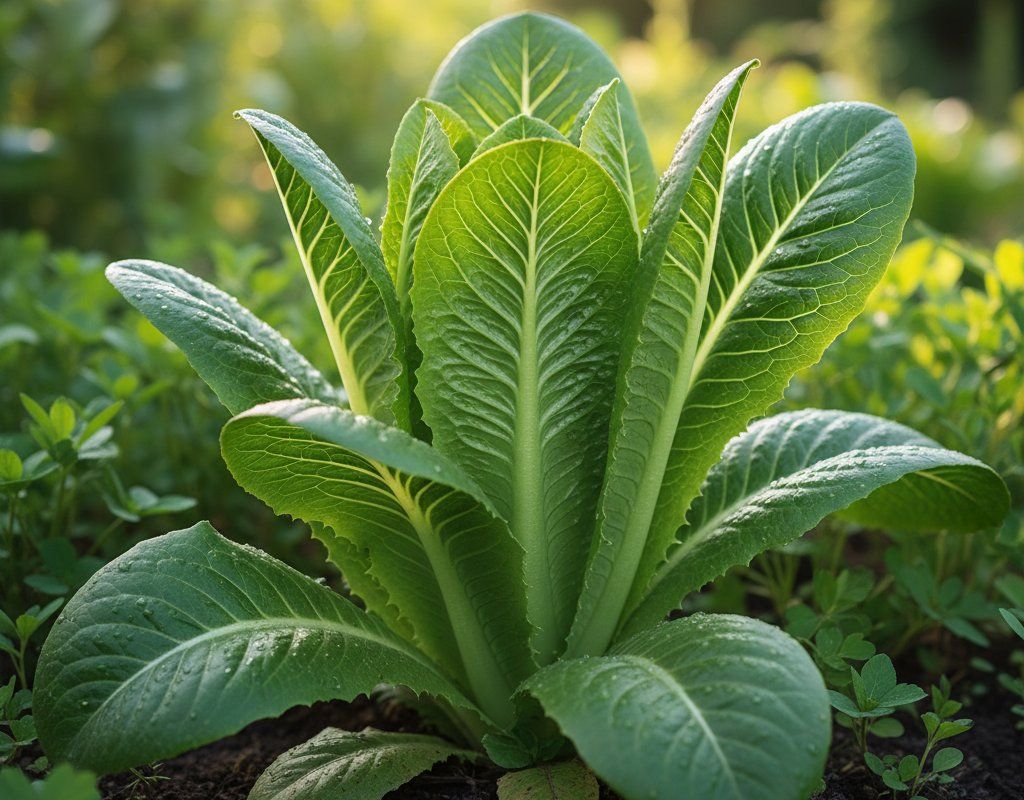
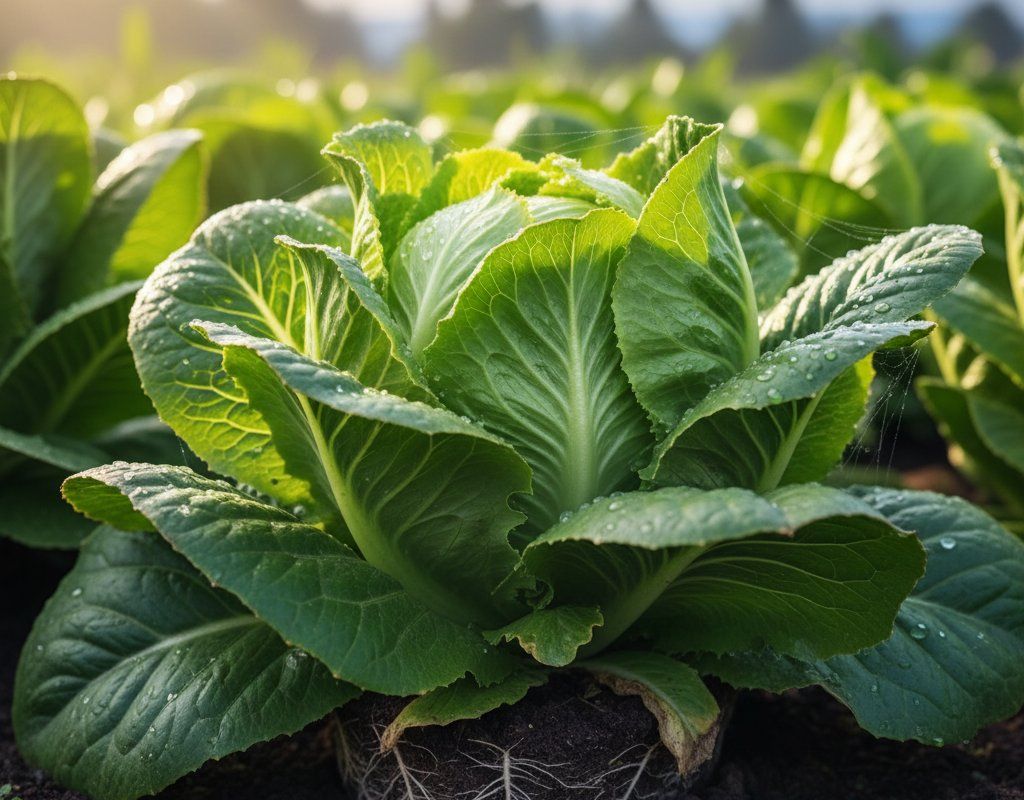
Sweet Alyssum is a great companion plant for several vegetables in our Plains gardens. It attracts beneficial insects that can help control pests on your broccoli, potato, and lettuce. The low-growing habit also acts as a living mulch, helping to retain moisture and suppress weeds.
I wouldn't recommend planting it near anything that prefers very dry conditions, as Sweet Alyssum needs consistent moisture.
🥬Best Vegetables to Pair With Sweet Alyssum
Sweet Alyssum benefits these vegetables through pest control, pollinator attraction, or improved garden health.


Get a Reminder When It's Time to Plant
We'll email you when key planting windows open for your zone.