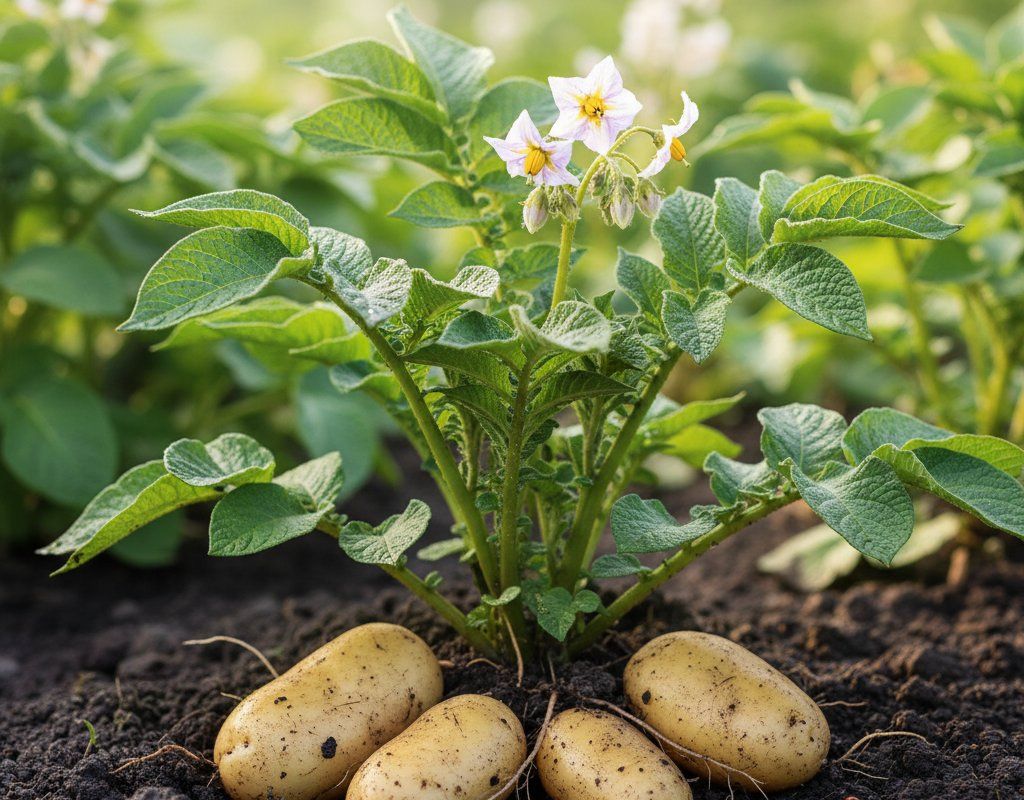
Potato in Zone 7A — Mid-Atlantic
Solanum tuberosum · Your Complete 2026 Planting Guide
Planning Ahead — Great!
You’re ahead of the season. Here’s when to start.
Mark Your Calendar
How to Plant Potato in Zone 7A — Mid-Atlantic
Here are all your options for getting potato in the ground, from the easiest method to more advanced approaches.
Direct Sow Seeds
RecommendedLate March through mid July
around March 22
Consider succession planting every 2-3 weeks for continuous harvest.
Plant seed potatoes directly in the ground. Not grown from true seed.
Buy Starts
Works WellLate March through mid April
around March 22
Plant purchased starts after last frost (April 5).
Start Seeds Indoors
ChallengingThis plant is typically not started indoors.
Transplant Outdoors
Timing InfoLate March through mid April
around March 22
Can tolerate light frost, but wait for soil to be workable.
Plan to transplant within a few weeks of your target date.
Overview
Growing potatoes in our Mid-Atlantic zone gives you the satisfaction of digging up buried treasure right in your backyard. Fresh-dug potatoes have a creamy texture and earthy flavor that makes store-bought spuds taste like cardboard in comparison. Our humid summers and reliable rainfall create excellent growing conditions for potatoes, and you can harvest everything from tender new potatoes in early summer to storage varieties that'll last through winter.
Our variable spring weather and clay soil can challenge potato growers, but the timing flexibility makes it manageable. With our 208-day growing season, you have a generous window to plant successive crops and experiment with different varieties. The key is working with our climate patterns rather than fighting them.
Transplanting Outdoors
While most gardeners plant seed potatoes directly in the ground, you can start them indoors in containers and transplant them out. This method works well if you want to get a jump start on the season or if you're dealing with particularly wet spring soil that hasn't dried out enough for direct planting.
Start your seed potatoes indoors about 4-6 weeks before your planned transplant date of late March through mid-April. Harden them off gradually over a week, starting with a few hours of morning sun and extending the outdoor time daily. Our unpredictable spring weather means you might need to bring them back inside if a late cold snap threatens.
Space transplants 12 inches apart in rows, and be prepared to hill them up as they grow. Watch the weather closely during this period - our Mid-Atlantic springs can swing from 70°F one day to 35°F the next, so have row covers ready for protection.
Direct Sowing
Direct sowing seed potatoes is the traditional and most reliable method for our region. Plant your seed potatoes from late March through mid-July, starting when soil temperatures reach a consistent 45-50°F. This extended planting window lets you succession plant for continuous harvests throughout the growing season.
Prepare your planting area by working compost into the soil - this is especially important if you're dealing with our common clay soils. Cut seed potatoes into pieces with at least two eyes each, then let the cut surfaces cure for a day or two to prevent rot. Plant pieces 4 inches deep and 12 inches apart in rows spaced 3 feet apart.
Our reliable spring rainfall usually provides enough moisture for germination, but keep an eye on soil moisture if we hit a dry spell. As shoots emerge, begin hilling soil around the plants to keep developing tubers covered and prevent them from turning green.
Watering Potato in Zone 7A (Mid-Atlantic)
Potatoes need consistent moisture but not waterlogged conditions - a balance that works well with our Mid-Atlantic climate patterns. During our typically wet springs, you'll rarely need to water newly planted potatoes. Focus your attention on summer watering when our humid heat can stress plants despite frequent afternoon thunderstorms.
The critical watering period comes when plants begin flowering, which signals tuber formation below ground. During this stage, provide about 1-2 inches of water per week, including rainfall. Use the finger test - stick your finger 2 inches into the soil near the plants. If it feels dry, it's time to water deeply at the base of plants rather than overhead, since our humid conditions can promote disease when foliage stays wet.
Reduce watering significantly about 2 weeks before harvest to allow tubers to cure and develop better storage characteristics. Wet soil at harvest time leads to rot and poor storage life. Our September weather often provides the perfect naturally drying conditions for this final curing period.
Mulch around plants with straw or shredded leaves to maintain consistent soil moisture and reduce the need for frequent watering during our humid summers. Watch for signs of stress - wilting during the hottest part of the day is normal, but if plants don't perk up by evening, increase your watering frequency.
🧪Fertilizing Potato
Feeding Schedule
Organic Fertilizer Options
Harvest Time
Your first new potatoes will be ready for harvest from mid-June through early November, depending on when you planted and which varieties you chose. New potatoes are ready when plants begin flowering - carefully dig around the base of plants with your hands to harvest just what you need, leaving the rest to continue growing.
For storage potatoes, wait until the foliage dies back completely, which typically happens about 90 days after planting. The dying foliage signals that tubers have reached maturity and their skins have toughened for storage. Don't rush this process - green foliage means the potatoes are still bulking up below ground.
Harvest on a dry day when soil isn't muddy from recent rain. Dig carefully with a spading fork, working from the outside edge of the plant inward to avoid spearing tubers. Brush off excess soil but don't wash them until you're ready to use them.
As our first frost approaches in late October, make sure to harvest any remaining potatoes. Even if plants look healthy, tubers left in frozen ground will turn to mush. Cure storage potatoes in a cool, dark, well-ventilated area for about 10 days before storing them in a cool basement or root cellar.
Common Problems in Zone 7A (Mid-Atlantic)
Colorado Potato Beetle These orange-and-black striped beetles and their plump orange larvae can defoliate potato plants quickly. Adult beetles overwinter in garden debris and emerge in spring to lay clusters of bright yellow eggs on leaf undersides. Our warm, humid summers provide ideal conditions for rapid reproduction - you can see multiple generations in a single season.
The most effective control combines hand-picking with row covers early in the season. Check plants daily and crush egg clusters, then hand-pick adults and larvae into soapy water. For severe infestations, apply Bt (Bacillus thuringiensis) or spinosad, which work well in our climate without harming beneficial insects.
Late Blight This devastating disease appears as large, dark green-gray water-soaked spots on leaves, often with white fuzzy growth on undersides during our humid weather. The disease spreads rapidly in cool, wet conditions and can destroy entire plantings within days. Our spring and fall weather patterns - cool nights with heavy dews and frequent rain - create perfect conditions for late blight outbreaks.
Remove and destroy affected plants immediately by bagging them (never compost diseased material). Apply copper-based fungicides preventatively when weather conditions favor disease development. Plant certified disease-free seed potatoes and choose resistant varieties when available. Ensure good air circulation and avoid overhead watering in our humid climate.
Scab Common scab appears as rough, corky spots on potato skins. While it doesn't affect eating quality after peeling, it makes potatoes unsightly and reduces storage life. This bacterial disease thrives in alkaline soils and dry conditions during tuber formation.
Keep soil pH slightly acidic (6.0-6.5) and maintain consistent moisture during the flowering and tuber development period. Avoid fresh manure, which can raise pH and provide ideal conditions for scab bacteria. Choose scab-resistant varieties if this has been a recurring problem in your garden.
Mid-Atlantic Specific Challenges: Our humid summers create ideal conditions for fungal diseases like late blight, while our variable spring weather can stress young plants and make them more susceptible to problems. The combination of clay soil and frequent rainfall can lead to waterlogged conditions that promote rot diseases, making proper drainage and soil amendment crucial for healthy potato crops.
Best Companions for Potato
Plant these nearby for healthier Potato and better harvests.

Keep Away From

Companion Planting Details
Plant potatoes alongside beans, which fix nitrogen in the soil that potatoes can use later in the season. Corn makes an excellent companion since it doesn't compete for the same soil nutrients and provides some afternoon shade during our hottest summer days. Brassicas like cabbage and broccoli work well because they mature before potatoes need the space, and their root systems help break up clay soil.
Avoid planting potatoes near tomatoes, peppers, or eggplant since they're all in the nightshade family and share similar pests and diseases - particularly problematic in our humid climate where disease pressure runs high. Keep them away from squash and cucumbers, which spread widely and compete for space, and avoid sunflowers, which can inhibit potato growth through allelopathic compounds in the soil.
🌸Best Flowers to Plant with Potato
These flowers protect your Potato from pests and attract pollinators for better harvests.


Get a Reminder When It's Time to Plant
We'll email you when key planting windows open for your zone.