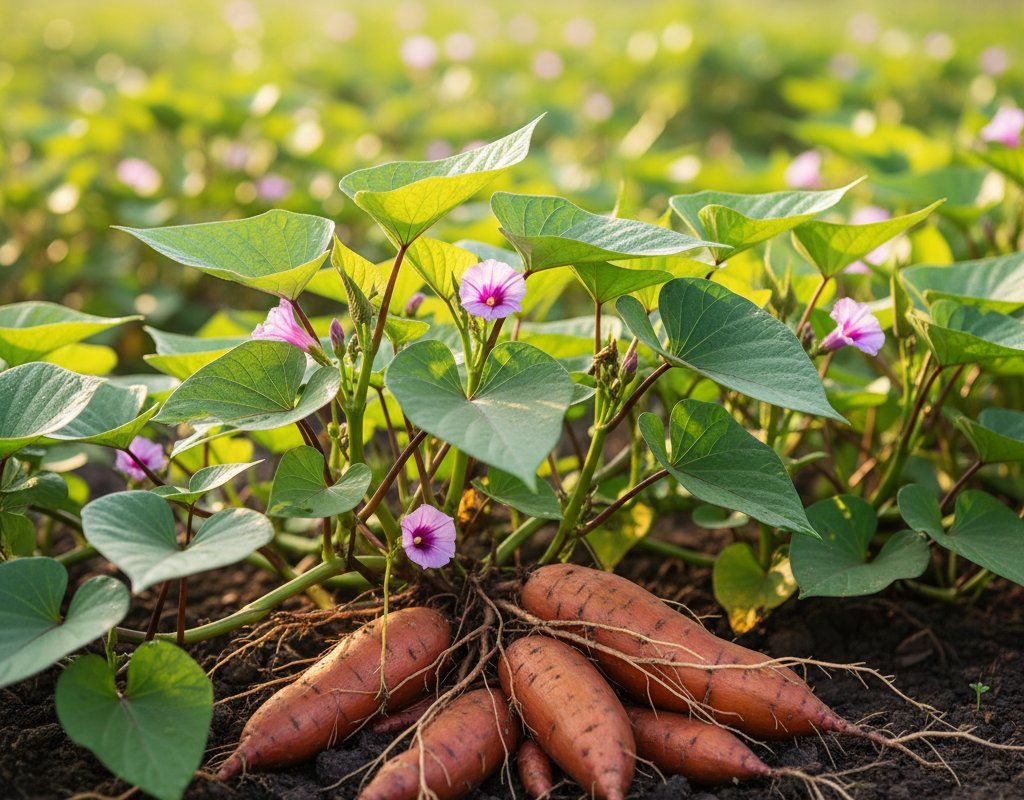
Sweet Potato in Zone 7A — Mid-Atlantic
Ipomoea batatas · Your Complete 2026 Planting Guide
Last Call for Seed Starting!
Indoor seed starting window closes in 11 days.
Start Seeds This Week
Start seeds now for transplanting later.
Or Wait for Starts
If you don’t want to start seeds, starts will be available around April 26.
How to Plant Sweet Potato in Zone 7A — Mid-Atlantic
Here are all your options for getting sweet potato in the ground, from the easiest method to more advanced approaches.
Buy Starts
RecommendedLate April through mid May
around April 26
Plant purchased starts after last frost (April 5).
Plant slips (rooted sprouts) after soil is warm. Buy slips or grow your own from a sweet potato.
Start Seeds Indoors
Works WellLate February through mid March
around March 1
Then transplant: Late April through mid May
Start seeds 8-10 weeks before transplanting outdoors.
Direct Sow Seeds
ChallengingDirect sowing is not typical for Sweet Potato.
Transplant Outdoors
Timing InfoLate April through mid May
around April 26
Wait until nighttime temperatures stay above 50°F.
Plan to transplant within a few weeks of your target date.
Overview
Sweet potatoes are an absolute treasure for Mid-Atlantic gardeners who want maximum return on their growing space. These nutrient-packed tubers thrive in our humid summers and produce impressive yields from relatively small plantings, giving you everything from breakfast hash to holiday casseroles. Our warm growing season and reliable rainfall create ideal conditions for developing those sweet, creamy tubers that store beautifully through winter.
While sweet potatoes need warm soil to get started and take their time to develop, our 208-day growing season gives them plenty of time to mature before our late October frost arrives. The key is getting transplants established after the soil warms in late spring, then letting our consistent Mid-Atlantic summer heat and humidity do the work. With proper timing, you'll be harvesting homegrown sweet potatoes while store-bought ones are still expensive.
Starting Seeds Indoors
Starting sweet potatoes from seed isn't the typical approach, but it's possible if you want to try specific varieties not available as slips. Most Mid-Atlantic gardeners skip this step and either buy slips or grow their own from stored sweet potatoes, which is more reliable and faster.
If you do start from seed, begin indoors during late February through mid March, about 8 weeks before your transplant window. Sweet potato seeds need consistent warmth (75-80°F) and bright light to germinate successfully. Use seed trays with bottom watering to maintain even moisture without creating soggy conditions that promote damping-off.
Keep in mind that our moderate spring weather means you'll need grow lights and possibly heat mats to maintain proper growing conditions indoors. The more common approach is starting slips from purchased sweet potatoes during this same timeframe, which tends to be more successful for home gardeners.
Transplanting Outdoors
Sweet potato slips need warm soil and settled weather, making late April through mid May your transplant window in the Mid-Atlantic. Wait until soil temperatures consistently reach 65°F and nighttime lows stay above 55°F. Our variable spring weather means you might get warm spells earlier, but resist the urge to plant too soon.
Harden off your slips or purchased transplants over a full week, gradually increasing their outdoor exposure. Start with a few hours of morning sun and work up to full days outside. This process is crucial because sweet potato plants are particularly sensitive to temperature swings, and our spring weather can shift quickly from warm to chilly.
Plant slips 12-18 inches apart in loose, well-draining soil. If you're dealing with our typical clay soil, work in compost or create raised rows to improve drainage. Plant slips deep enough so only the top few leaves show above ground - the buried stem will develop additional roots and strengthen the plant. Water thoroughly after transplanting and consider using row covers for the first week if cool nights threaten.
Watering Sweet Potato in Zone 7A (Mid-Atlantic)
Sweet potatoes have moderate water needs once established and actually develop better drought tolerance than most vegetables. During the first month after transplanting, water consistently to help roots establish, providing about 1 inch per week including rainfall. Our Mid-Atlantic region typically provides adequate natural moisture, but monitor young plants during any dry spells in May or early June.
Once plants are established by midsummer, reduce watering frequency but water more deeply. Sweet potatoes prefer soil that dries out slightly between waterings rather than staying constantly moist. Use the finger test - stick your finger 2 inches into the soil, and water only if it feels dry at that depth. Our humid summers mean overhead watering can promote disease, so water at the base of plants early in the morning.
Our reliable 40-50 inches of annual rainfall usually covers most of the season's needs, but during hot, dry periods in July and August, supplement with deep weekly watering. Apply 2-3 inches of mulch around plants to maintain consistent moisture and keep our clay soil from crusting over. Watch for yellowing leaves (underwatering) or soft, rotting stems (overwatering).
Stop watering 3-4 weeks before your planned harvest date. This helps concentrate sugars in the tubers and prevents them from becoming waterlogged. The reduced moisture also makes the tubers easier to cure properly after harvest.
🧪Fertilizing Sweet Potato
Feeding Schedule
Organic Fertilizer Options
Harvest Time
Your first sweet potatoes should be ready for harvest from early August through mid September, roughly 100 days after transplanting. Unlike many crops, sweet potatoes don't give obvious visual clues when ready - you'll need to carefully dig around one plant to check tuber size. Look for tubers that are at least 3-4 inches long with smooth, firm skin.
Begin harvesting when the soil is dry, preferably after a few rainless days. Use a garden fork or spade to dig carefully around plants, starting about 18 inches from the center. Sweet potato tubers can extend surprisingly far from the main plant, and damaged tubers won't store well. Brush off soil gently but don't wash them - curing works better with a light coating of soil still attached.
You have flexibility in timing your harvest through early fall, but monitor weather forecasts carefully as our first frost typically arrives in late October. Sweet potato vines are extremely frost-sensitive, and even a light frost will kill the foliage immediately. If frost threatens unexpectedly early, harvest whatever tubers have developed - smaller ones are still perfectly edible.
After digging, cure sweet potatoes in a warm (80-85°F), humid location for 1-2 weeks. This process converts starches to sugars and toughens the skin for long-term storage. A warm garage or basement often works well in our climate, or you can create a curing area with a space heater and shallow pans of water for humidity.
Common Problems in Zone 7A (Mid-Atlantic)
Sweet Potato Weevils These small, dark beetles with elongated snouts create small holes in tubers and lay eggs inside. You'll notice small, round holes in harvested sweet potatoes, often with dark tunnels visible when you cut them open. The larvae feed inside the tubers, creating extensive damage that makes them inedible.
Sweet potato weevils thrive in our humid Mid-Atlantic summers and can overwinter in stored tubers or garden debris. Crop rotation is essential - avoid planting sweet potatoes in the same area for at least three years. Remove and destroy affected tubers immediately, and clean up all plant debris after harvest. Consider using row covers during the growing season if weevils become a recurring problem.
Wireworms These thin, yellow-brown larvae create small, round holes in developing tubers, similar to damage you might see in potatoes. Wireworm damage often appears as dark, sunken spots on the tuber surface with tunnels extending into the flesh. The damage typically worsens in storage as secondary rot organisms enter through the holes.
Wireworms are particularly problematic in areas that were recently in grass or weedy ground, which is common in our region's clay soils. They thrive in our moist soil conditions and can remain active for several years. Till soil thoroughly in fall to expose larvae to cold winter temperatures, and avoid planting sweet potatoes in newly converted lawn areas.
Cracking Sweet potato tubers may develop splits or cracks, either as concentric circles around the tuber or as radial lines spreading outward. These cracks expose the flesh to rot organisms and make the tubers unsuitable for long-term storage. You'll typically notice this damage at harvest time, though severe cases may split while still in the ground.
Heavy rainfall or watering after dry periods causes tubers to absorb water faster than their skin can expand, leading to cracking. Our variable late-summer weather patterns, where dry spells are followed by heavy rains, create perfect conditions for this problem. Maintain consistent soil moisture with mulching, and consider reducing irrigation during the final month before harvest to prevent rapid water uptake.
Mid-Atlantic Specific Challenges Our humid summers create ideal conditions for fungal diseases, while our clay soils can lead to waterlogged conditions that promote rot. The combination of warm days and humid nights means good air circulation around plants is crucial - avoid overcrowding and ensure proper spacing for airflow.
Best Companions for Sweet Potato
Plant these nearby for healthier Sweet Potato and better harvests.


Keep Away From
Companion Planting Details
Sweet potatoes make excellent companions for beans and corn, creating a productive three-sisters-style planting that works well in our Mid-Atlantic climate. Beans fix nitrogen in the soil, which sweet potato vines appreciate during their long growing season, while the sprawling sweet potato vines help suppress weeds around corn stalks. The corn provides vertical support that doesn't interfere with the underground tuber development.
Winter squash also pairs well with sweet potatoes since both need similar spacing and have compatible growth habits - the sweet potato vines spread horizontally while squash vines can sprawl in different directions. Avoid planting sweet potatoes near other root crops like regular potatoes or carrots, as they compete for the same soil space and nutrients, and similar pest problems can build up in the soil over time.
🌸Best Flowers to Plant with Sweet Potato
These flowers protect your Sweet Potato from pests and attract pollinators for better harvests.
For Pest Control




Get a Reminder When It's Time to Plant
We'll email you when key planting windows open for your zone.