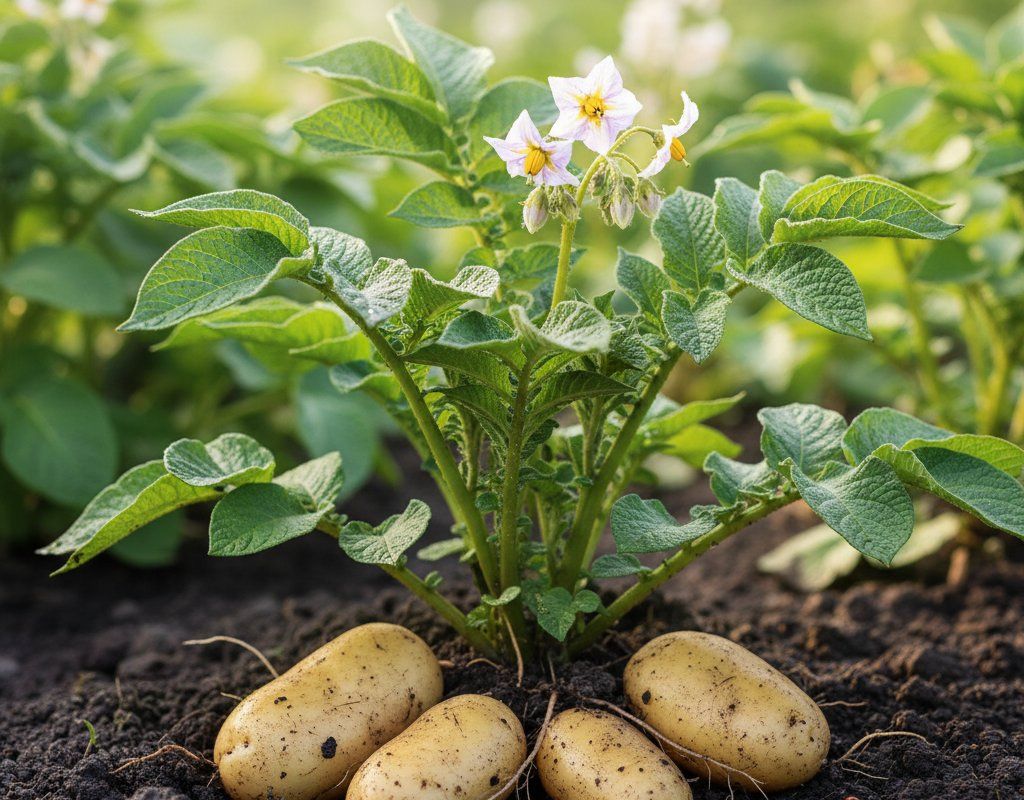
Potato in Zone 7B — Texas
Solanum tuberosum · Your Complete 2026 Planting Guide
Still Time to Sow!
The sowing window is still open for Potato.
Sow Seeds Soon
Plant seed potatoes directly in the ground. Not grown from true seed.
How to Plant Potato in Zone 7B — Texas
Here are all your options for getting potato in the ground, from the easiest method to more advanced approaches.
Direct Sow Seeds
RecommendedLate February through early August
around February 24
Consider succession planting every 2-3 weeks for continuous harvest.
Plant seed potatoes directly in the ground. Not grown from true seed.
Buy Starts
Works WellLate February through mid March
around February 24
Plant purchased starts after last frost (March 10).
Start Seeds Indoors
ChallengingThis plant is typically not started indoors.
Transplant Outdoors
Timing InfoLate February through mid March
around February 24
Can tolerate light frost, but wait for soil to be workable.
Plan to transplant within a few weeks of your target date.
Overview
Growing your own potatoes in Zone 7B Texas gives you access to varieties you'll never find in stores, plus that incredible satisfaction of digging up your own "buried treasure" from the soil. With our long 255-day growing season, you can actually get two potato seasons here - an early spring crop that beats the brutal Texas heat, and a fall crop that takes advantage of our cooler autumn weather. Fresh-dug new potatoes have a creamy texture and sweet flavor that store-bought spuds simply can't match.
Our unpredictable weather and scorching summers do present challenges for potato growing, but timing is everything in Texas. Plant early to harvest before the worst heat hits, or time your fall planting to mature during our pleasant autumn months. With the right approach, you'll be pulling beautiful potatoes from Texas soil while dealing with far fewer of the disease issues that plague gardeners in more humid climates.
Transplanting Outdoors
While most Texas gardeners plant seed potatoes directly, you can transplant potato plants if you've started them indoors or purchased transplants. Plan to move them outdoors from late February through mid-March, timing it so they're established before our unpredictable late winter weather swings kick in.
Harden off your potato plants gradually over a week, starting with just a few hours of morning sun and building up to full outdoor exposure. Our Texas weather can shift quickly during this period - one day might hit 75°F and the next could drop to 35°F with a cold front rolling through.
Space your transplants 12 inches apart in rows, giving them room to spread as they grow. Plant them slightly deeper than they were in their containers, and be ready to cover them if an unexpected late freeze threatens. Keep some row cover handy - those March temperature swings can catch you off guard.
Direct Sowing
This is the recommended method for growing potatoes in Texas. You'll plant seed potatoes (not actual seeds) directly in the ground from late February through early August, depending on whether you're doing a spring or fall crop. For spring planting, aim for late February through early April, and for fall crops, plant in late July through early August.
Prepare your soil by working in compost to improve drainage - potatoes hate waterlogged conditions, especially important given our unpredictable rainfall patterns. Soil temperature should be at least 45°F for spring planting, though they'll really take off once it hits 60°F. Cut seed potatoes into pieces with at least two eyes each, let them cure for a day or two, then plant them 4 inches deep.
Space your seed potato pieces 12 inches apart in rows. As the plants grow, you'll hill soil up around the stems several times during the season - this increases your harvest and prevents the tubers from turning green. Start hilling when plants are about 6 inches tall, and repeat every few weeks until you have mounds about 8 inches high.
Watering Potato in Zone 7B (Texas)
Potatoes need consistent moisture but absolutely hate soggy soil, which makes managing water tricky with our unpredictable Texas rainfall patterns. They require about 1-2 inches of water per week, but the timing matters more than the total amount. During tuber formation (when plants are flowering), even moisture is critical - this is when inconsistent watering leads to hollow heart or misshapen potatoes.
Use the finger test to check soil moisture 2 inches deep before watering. In our variable humidity and with summer temperatures hitting 97°F regularly, soil can dry out faster than you expect, especially in sandy areas. Water at soil level rather than overhead - our variable humidity means wet leaves can lead to disease issues during humid spells, while overhead watering during dry periods just wastes water to evaporation.
Watch for signs of stress: wilting during the heat of the day is normal, but if plants don't perk up by evening, they need water. Overwatered potatoes develop yellow leaves and may develop rot, while underwatered plants will have brown, crispy leaf edges and stunted growth. About two weeks before harvest, reduce watering significantly - wet soil at harvest time causes potatoes to rot in storage.
A 2-3 inch layer of mulch helps tremendously in our Texas heat, keeping soil temperatures more stable and reducing water loss. Straw works well, or shredded hardwood if you can find it locally. Just keep mulch a few inches away from the plant stems to avoid creating a cozy home for fire ants.
🧪Fertilizing Potato
Feeding Schedule
Organic Fertilizer Options
Harvest Time
Your first potatoes will be ready from late May through late November, depending on when you planted and which variety you chose. Most potatoes take about 90 days to mature, so count forward from your planting date to get a rough harvest timeline. Spring-planted crops typically finish by early July, well before our worst summer heat really kicks in.
For new potatoes (small, tender-skinned), harvest when plants begin flowering - usually 60-70 days after planting. Gently dig around plants with your hands to feel for marble-sized tubers, taking just what you need and letting the rest continue growing. For storage potatoes, wait until the foliage dies back completely and turns brown, then wait another 2-3 weeks for skins to set properly.
Harvest on a dry day if possible, brushing off soil but not washing until you're ready to use them. Dig carefully with a garden fork, starting about a foot away from the plant to avoid spearing your potatoes. You'll often find tubers scattered 12-18 inches from the main plant, so dig thoroughly.
As our first frost approaches in mid-November, you'll need to harvest any remaining potatoes regardless of plant condition. Cure storage potatoes in a cool, dark place (60-65°F) for about 10 days to toughen their skins, then store in a dark location around 40°F. In Texas, this might mean using a spare refrigerator since our "cool" storage areas often stay too warm.
Common Problems in Zone 7B (Texas)
Colorado Potato Beetle appears as yellow-orange beetles with black stripes, along with orange egg masses on leaf undersides and fat, red larvae that devour foliage. These pests love our warm Texas springs and can multiply quickly once temperatures consistently hit the 70s. Hand-pick beetles and egg masses early in the season, or use row covers on young plants. Bt (Bacillus thuringiensis) works well on larvae, while neem oil can deter adults.
Late Blight shows up as large, dark green-gray water-soaked spots on leaves, often with white fuzzy growth on undersides during humid weather. This oomycete thrives in our unpredictable spring weather when cool, wet conditions alternate with warm spells. Remove and destroy affected plants immediately - bag them, don't compost. Apply copper-based fungicide preventatively during humid periods and ensure good air circulation between plants.
Scab creates rough, corky patches on potato skins, though the flesh inside remains edible. This bacterial disease thrives in alkaline soils and becomes worse during dry conditions followed by heavy watering - exactly what we often get with our erratic rainfall patterns. Keep soil pH between 5.0-6.0, maintain consistent moisture, and add organic matter to improve soil structure. Avoid fresh manure, which can worsen scab problems.
Texas Specific Challenges: Our extreme heat stress makes plants more susceptible to all diseases, while our unpredictable rainfall creates perfect conditions for both drought stress and sudden disease outbreaks. Fire ants can also be problematic around potato hills, especially if you're using organic mulches they find attractive. The variable humidity means you'll need to watch closely for disease signs during muggy spells, then adjust watering during sudden dry periods.
Best Companions for Potato
Plant these nearby for healthier Potato and better harvests.

Keep Away From

Companion Planting Details
Plant beans near your potatoes - they fix nitrogen that potatoes can use, and their different root depths mean they're not competing for the same soil nutrients. Corn makes an excellent companion since it provides some afternoon shade during our brutal Texas heat, while brassicas like cabbage and broccoli can help deter Colorado potato beetles with their strong scents. Horseradish planted nearby is said to improve potato flavor and may help repel some soil pests.
Avoid planting tomatoes, squash, cucumbers, or sunflowers near potatoes. Tomatoes and potatoes are both nightshades that share diseases like late blight, while squash and cucumbers are heavy feeders that will compete for nutrients. Sunflowers can allelopathically inhibit potato growth, and their tall stature creates too much shade for sun-loving potato plants in our Texas gardens.
🌸Best Flowers to Plant with Potato
These flowers protect your Potato from pests and attract pollinators for better harvests.


Get a Reminder When It's Time to Plant
We'll email you when key planting windows open for your zone.