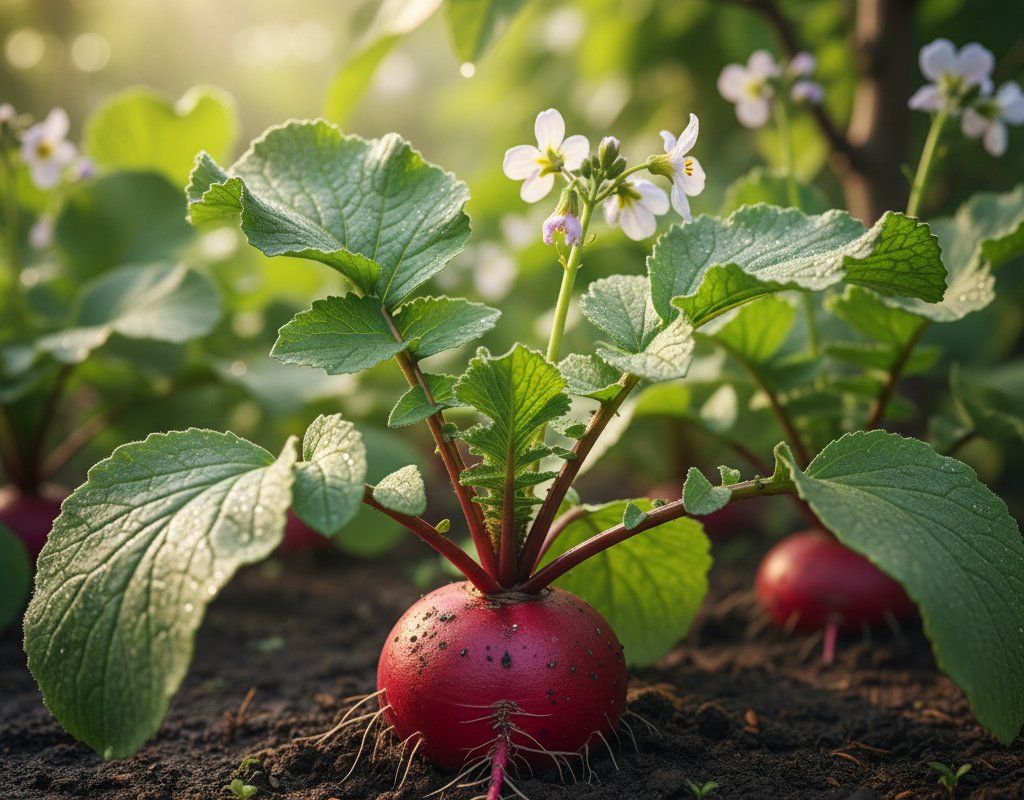
Radish in Zone 7B — Texas
Raphanus sativus · Your Complete 2026 Planting Guide
Still Time to Sow!
The sowing window is still open for Radish.
Sow Seeds Soon
Fast-growing and easy. No reason to start indoors.
How to Plant Radish in Zone 7B — Texas
Here are all your options for getting radish in the ground, from the easiest method to more advanced approaches.
Direct Sow Seeds
RecommendedEarly February through mid October
around February 10
Consider succession planting every 2-3 weeks for continuous harvest.
Fast-growing and easy. No reason to start indoors.
Buy Starts
Works WellEarly February through late March
around February 10
Plant purchased starts after last frost (March 10).
Start Seeds Indoors
ChallengingThis plant is typically not started indoors.
Transplant Outdoors
Timing InfoEarly February through late March
around February 10
Can tolerate light frost, but wait for soil to be workable.
You have a nice window — no need to rush.
Fall Planting
Late September through late October
October 9 ideal · Direct sow for fall harvest
Plant a second crop in mid-summer for fall harvest. Radish actually prefers the cooling temperatures of fall.
Overview
Radishes are the ultimate satisfaction crop for Texas gardeners – you'll be pulling crisp, peppery roots from the soil in just 25 days. These hardy little vegetables shine in our long growing season, giving you multiple opportunities to succession plant from early February clear through October. The quick turnaround makes them perfect for filling gaps between slower crops or keeping kids engaged in the garden.
While our unpredictable Texas weather can throw curveballs with surprise freezes and brutal summer heat, radishes are surprisingly adaptable. Their frost-hardy nature means you can get them in the ground early and keep harvesting late into our 255-day growing season. The key is timing your plantings to avoid the worst of the summer heat – that's when even these tough little roots struggle.
Transplanting Outdoors
Since radishes develop their best roots when sown directly in place, transplanting isn't the ideal method for this crop. However, if you've started seeds indoors or purchased seedlings, you can transplant them during the cooler months from early February through late March. The weather during this period can be tricky in Texas, with warm spells followed by sudden cold snaps, so timing is everything.
Before moving seedlings outdoors, harden them off for about a week by gradually increasing their outdoor exposure. Start with a few hours in partial shade, then work up to full sun over several days. This helps them adjust to our variable spring temperatures and wind.
Space transplants 2-4 inches apart in well-draining soil. Plant them at the same depth they were growing in their containers, and water gently to settle the roots. Keep an eye on weather forecasts during this period – while radishes handle frost well, newly transplanted seedlings are more vulnerable than direct-sown plants to sudden temperature swings.
Direct Sowing
Direct sowing is absolutely the way to go with radishes – they're fast, easy, and actually prefer growing where they're planted. You can sow seeds from early February through mid-October, though you'll want to skip the brutal summer months of July and August when even radishes struggle in our Texas heat. The beauty of this crop is you can succession plant every 2-3 weeks during the cooler months for continuous harvests.
Prepare your soil by working in some compost or aged manure – radishes appreciate loose, well-draining soil that won't compact around their developing roots. Plant seeds about half an inch deep and space them 2-4 inches apart. Don't worry about perfect spacing at planting; you can thin them later if needed. The seeds germinate quickly, often within 3-5 days when soil temperatures are between 50-65°F.
For fall crops, start sowing again in late September through late October. These fall radishes often develop the best flavor since they mature in cooler weather. The roots stay crisp longer and develop a milder, sweeter taste compared to spring plantings that mature as temperatures climb.
Watering Radish in Zone 7B (Texas)
Consistent moisture is absolutely critical for growing tender, mild radishes in Texas. These fast-growing roots need steady water to develop properly – let them get stressed by drought, and you'll end up with pithy, fiery-hot radishes that are barely edible. Since they mature in just 25 days, there's no time to recover from water stress.
Aim for about an inch of water per week, including rainfall, but remember that our unpredictable Texas weather means you'll need to adjust constantly. During hot spells, even in spring and fall, you might need to water every other day. Use the finger test – stick your finger 2 inches into the soil near your radishes. If it's dry at that depth, it's time to water.
Water at soil level rather than overhead when possible, especially during our more humid periods. This helps prevent leaf diseases and ensures water goes where it's needed – to those developing roots. A thin layer of mulch around plants helps retain moisture and keeps soil temperatures more stable, but don't mulch too heavily since radishes prefer slightly cooler soil.
Watch for signs of water stress: leaves that look dull or slightly wilted, especially during the heat of the day. Conversely, yellowing leaves or soft spots on roots can indicate overwatering. In our clay-heavy soils, be especially careful not to create waterlogged conditions that can lead to root rot.
🧪Fertilizing Radish
Feeding Schedule
Organic Fertilizer Options
Harvest Time
Your first radishes will be ready for harvest in early March if you planted in late February, and you can continue harvesting through late November with successive plantings. Most varieties mature in about 25 days, though cooler weather might extend this slightly. The great thing about radishes is they'll tell you when they're ready – the shoulders start pushing up above the soil surface.
Pull radishes when they're about an inch in diameter for the best flavor and texture. Give the tops a gentle tug, or use your fingers to feel around the soil surface to gauge size. Don't wait too long after they reach maturity – radishes left in the ground become woody, pithy, and increasingly hot. This happens faster in warm weather, so be especially vigilant during spring as temperatures climb.
Harvest in the morning when roots are crisp from cooler overnight temperatures. Pull the entire plant, trim off the leaves (save them for cooking – they're delicious sautéed), and brush off excess soil. Fresh-pulled radishes will keep in the refrigerator for several weeks if you remove the greens first.
As your first frost approaches in mid-November, harvest any remaining radishes even if they're slightly undersized. They won't improve after frost, though they can survive light freezes. If you've been succession planting, you might have multiple stages of radishes ready at different times through the fall.
Common Problems in Zone 7B (Texas)
Flea Beetles These tiny, dark beetles create small round holes in radish leaves that look like someone peppered them with a BB gun. You'll notice the damage first on young seedlings, and the beetles themselves jump like fleas when you disturb the plants. In Texas, flea beetles are most problematic during warm spells in spring and early fall when they're most active.
The beetles overwinter in garden debris and emerge when temperatures warm up. Hot, dry conditions make the problem worse, which is why they can be especially troublesome during our unpredictable spring weather. Row covers are your best defense during the vulnerable seedling stage – remove them once plants are established and can handle some leaf damage. Kaolin clay sprayed on leaves creates a barrier beetles don't like.
Pithy Roots Nothing's more disappointing than pulling radishes that look perfect but taste like hot cotton balls. Pithy roots have a spongy, dry texture and intense heat instead of the crisp, mildly peppery bite you want. This happens when radishes grow too slowly or experience stress during development.
In Texas, the main culprit is inconsistent watering during our unpredictable rainfall patterns. Hot weather, even brief spells, can also trigger this problem. Plant at the right time – avoid sowings that will mature during hot weather – and maintain steady soil moisture throughout the short growing period. Succession planting every few weeks gives you insurance against weather-stressed crops.
Root Maggots Small white maggots tunnel through radish roots, leaving brown trails and making them inedible. Adult flies lay eggs at the base of plants, and the larvae burrow into developing roots. You'll see stunted growth and yellowing plants above ground, with damaged roots below.
Cool, wet weather encourages root maggot problems, which can occur during our spring growing season. Crop rotation helps since these pests overwinter in soil where brassicas grew the previous year. Row covers prevent adult flies from laying eggs, and beneficial nematodes in the soil can help control larvae.
Texas Specific Challenges Our extreme heat and variable humidity create unique challenges for radish growing. The biggest issue is timing plantings to avoid summer heat – radishes that mature when temperatures soar become unbearably hot and develop poor texture. Flash floods can rot roots while drought stress makes them woody. Fire ants occasionally damage young seedlings, though this is less common than with other crops.
Best Companions for Radish
Plant these nearby for healthier Radish and better harvests.


Keep Away From
Companion Planting Details
Radishes make excellent companions for carrots – the fast-growing radishes help break up soil for the slower carrots, and you'll harvest them before the carrots need the space. Lettuce and radishes share similar growing seasons in Texas and work well planted together since lettuce can provide some shade during warm spells. Both crops appreciate consistent moisture and cool weather.
Peas make good early-season companions since they fix nitrogen that radishes can use, and both crops prefer the cooler months in our Texas climate. Cucumbers planted later in the season benefit from the soil-breaking action of earlier radish crops. However, avoid planting radishes near hyssop – this herb can inhibit radish growth and development, leading to smaller, less flavorful roots.
🌸Best Flowers to Plant with Radish
These flowers protect your Radish from pests and attract pollinators for better harvests.



Get a Reminder When It's Time to Plant
We'll email you when key planting windows open for your zone.