
Pumpkin in Zone 10B — Desert Southwest
Cucurbita pepo · Your Complete 2026 Planting Guide
Still Time to Sow!
The sowing window is still open for Pumpkin.
Sow Seeds Soon
Pumpkins grow well from direct-sown seeds after soil warms.
How to Plant Pumpkin in Zone 10B — Desert Southwest
Here are all your options for getting pumpkin in the ground, from the easiest method to more advanced approaches.
Direct Sow Seeds
RecommendedLate January through early September
around January 22
Consider succession planting every 2-3 weeks for continuous harvest.
Pumpkins grow well from direct-sown seeds after soil warms.
Buy Starts
Works WellLate January through mid February
around January 29
Plant purchased starts after last frost (January 15).
Start Seeds Indoors
Works WellEarly to late January
around January 8
Then transplant: Late January through mid February
Start seeds 3-5 weeks before transplanting outdoors.
Transplant Outdoors
Timing InfoLate January through mid February
around January 29
Wait until nighttime temperatures stay above 50°F.
Plan to transplant within a few weeks of your target date.
Overview
Growing pumpkins in the Desert Southwest gives you access to both traditional orange jack-o'-lantern varieties and specialty heirloom types that command high prices at farmer's markets. With our 349-day growing season, you can actually get two pumpkin harvests—one from spring plantings for early summer harvest, and another from late summer plantings for Halloween. The dry heat helps prevent many fungal diseases that plague pumpkin growers in humid climates.
Our extreme summer heat and arid conditions do present challenges for these heat-sensitive vines, but smart timing makes pumpkin growing very manageable here. Plant early enough to beat the worst heat, or wait until late summer when temperatures start dropping. The key is working with our two distinct growing seasons rather than fighting the brutal summer months.
Starting Seeds Indoors
Starting pumpkin seeds indoors makes sense if you want to get a jump on the season or if you're growing expensive specialty varieties where you can't afford seed failures. Start your seeds during early to late January, about three weeks before you plan to transplant outdoors. Our very early spring character means you can get transplants out much sooner than gardeners in colder regions.
Use seed trays filled with quality potting mix and keep them in a warm spot—around 70-75°F works well. Bottom watering prevents damping-off disease and keeps seedlings healthier. Give them bright light from a south window or grow lights for 12-14 hours daily.
Since pumpkins don't love root disturbance, consider using larger 4-inch pots or biodegradable pots you can plant directly. This method works best for gardeners who want precise timing or are starting just a few plants of premium varieties.
Transplanting Outdoors
Transplant your indoor-started pumpkin seedlings outdoors from late January through mid-February, after our last frost risk passes. Spend a full week hardening them off gradually—start with just 2-3 hours of morning sun, then increase daily until they're outside full-time. Our intense desert sun can shock tender seedlings quickly.
Space transplants 5-8 feet apart in all directions since these vines will sprawl extensively. Dig your planting holes wide rather than deep—our caliche layer makes deep planting difficult anyway. Amend the soil with compost to help with drainage and add organic matter to our alkaline desert soil.
Plant on a calm day if possible, as our constant desert winds can stress new transplants. Water them in well and consider temporary shade cloth for the first week while they establish.
Direct Sowing
Direct sowing is the preferred method for pumpkins in our region since they establish better without transplant shock. You have an unusually long window here—from late January through early September—thanks to our extended growing season. For spring plantings, wait until soil temperatures reach 65°F consistently, which usually happens by late January in most desert areas.
Prepare your planting area by breaking up the soil 8-12 inches deep and working in plenty of compost. Our alkaline desert soil benefits from organic matter, and good drainage prevents root rot during monsoon season. Plant seeds 1 inch deep and space them 5-8 feet apart in all directions—these vines need serious room to spread.
For fall pumpkins, your late summer planting window (late August through early September) takes advantage of decreasing heat while still giving plants 100+ days to mature before winter. The timing lets you harvest right around Halloween, which is perfect for decorative varieties.
Watering Pumpkin in Zone 10B (Desert Southwest)
Pumpkins need consistent moisture but hate wet feet, which makes watering strategy critical in our arid climate. Deep weekly watering works best—give them about 1-2 inches per week, adjusting based on our unpredictable monsoon patterns. During extreme heat periods (which we get plenty of), you might need to water twice weekly.
Use the finger test to check soil moisture 2-3 inches deep before watering. Our low humidity means surface soil dries out quickly, but you want to water based on deeper moisture levels where the roots are active. Water at the base of plants rather than overhead—our arid air helps prevent fungal problems, but wet leaves in extreme heat can actually cause sunscald.
During fruit development, maintain consistent moisture but start reducing water as pumpkins approach maturity. Too much water during the final ripening stage can cause fruit to crack or develop poor flavor. Place cardboard or straw under developing fruits to prevent rot from wet soil contact during monsoon rains.
Mulch around plants with 3-4 inches of organic material to conserve moisture and moderate soil temperatures. In our extreme heat, this moisture retention can mean the difference between success and failure, especially during those 105°F summer days.
🧪Fertilizing Pumpkin
Feeding Schedule
Organic Fertilizer Options
Harvest Time
Your first pumpkins will be ready from early May through late December, depending on planting timing and variety. Spring-planted pumpkins typically mature by late May or early June, while late summer plantings harvest perfectly for Halloween season. Look for full color development, a hard shell that resists fingernail pressure, and a hollow sound when you tap the fruit.
The stem provides the most reliable harvest indicator—it should turn dry and corky, starting to separate naturally from the vine. Cut (don't pull) the pumpkin from the vine, leaving a 3-4 inch stem handle. This stem stub helps prevent rot and gives you something to carry the pumpkin by.
Harvest before our first frost, which typically arrives around late December. Unlike some crops, pumpkins won't continue ripening once removed from the vine, so timing is important. If frost threatens and fruits aren't quite ready, you can harvest slightly early pumpkins and use them for cooking rather than long-term storage.
Handle harvested pumpkins gently and cure them in the sun for 7-10 days to harden the skin for storage. Our dry desert air is perfect for this curing process.
Common Problems in Zone 10B (Desert Southwest)
Squash Vine Borers
These are your biggest threat in the Desert Southwest. You'll notice sudden wilting of entire vine sections, often accompanied by sawdust-like frass (insect waste) at the base of stems. If you slit open affected stems, you'll find fat white grubs tunneling through the interior.
The clearwing moth lays eggs at stem bases, and larvae bore through stems, cutting off water and nutrient flow. Our long growing season gives these pests multiple generations per year. Wrap stem bases with aluminum foil or row cover material as prevention. If you catch infestations early, inject Bt (Bacillus thuringiensis) directly into stems through small holes.
Powdery Mildew
Look for white or grayish powdery coating on leaves, starting on older foliage and spreading upward. Leaves curl, yellow, and eventually die back. This fungus thrives in our warm days and cooler nights, especially during monsoon season when humidity briefly increases.
Improve air circulation by spacing plants properly and removing some interior leaves. Our low desert humidity actually helps prevent this compared to other regions, but it can still appear during monsoon periods. Neem oil sprays work well, and surprisingly, a milk spray (1 part milk to 9 parts water) is quite effective.
Poor Pollination
You'll see small, misshapen fruits or flowers that bloom but drop off without setting fruit. This often happens during our extreme heat periods when pollinators avoid the garden during hot daylight hours.
Plant pollinator-friendly flowers nearby and provide shallow water sources for bees. Hand-pollinate using a small brush to transfer pollen from male flowers (on stems) to female flowers (with tiny fruit at the base). Do this early morning when it's cooler and flowers are fully open.
Desert Southwest Specific Challenges: Our extreme heat can cause sunscald on developing fruits—use shade cloth during the hottest part of summer. The combination of intense sun and low humidity stresses plants quickly, so consistent watering becomes even more critical than in other regions.
Best Companions for Pumpkin
Plant these nearby for healthier Pumpkin and better harvests.

Keep Away From
Companion Planting Details
Corn makes an excellent companion for pumpkins, providing natural shade during our intense summer heat while pumpkins sprawl beneath and help retain soil moisture around corn roots. Plant beans with this combination to create the traditional "Three Sisters" garden that works especially well in desert conditions—the beans fix nitrogen for heavy-feeding pumpkins and corn.
Radishes planted around the edges of your pumpkin patch help deter squash bugs and cucumber beetles while maturing quickly enough to harvest before pumpkin vines spread over them. Avoid planting potatoes nearby, as both crops attract similar pests and compete for soil nutrients. The potato family can also harbor diseases that affect pumpkins, and in our water-scarce environment, you don't want crops competing for irrigation.
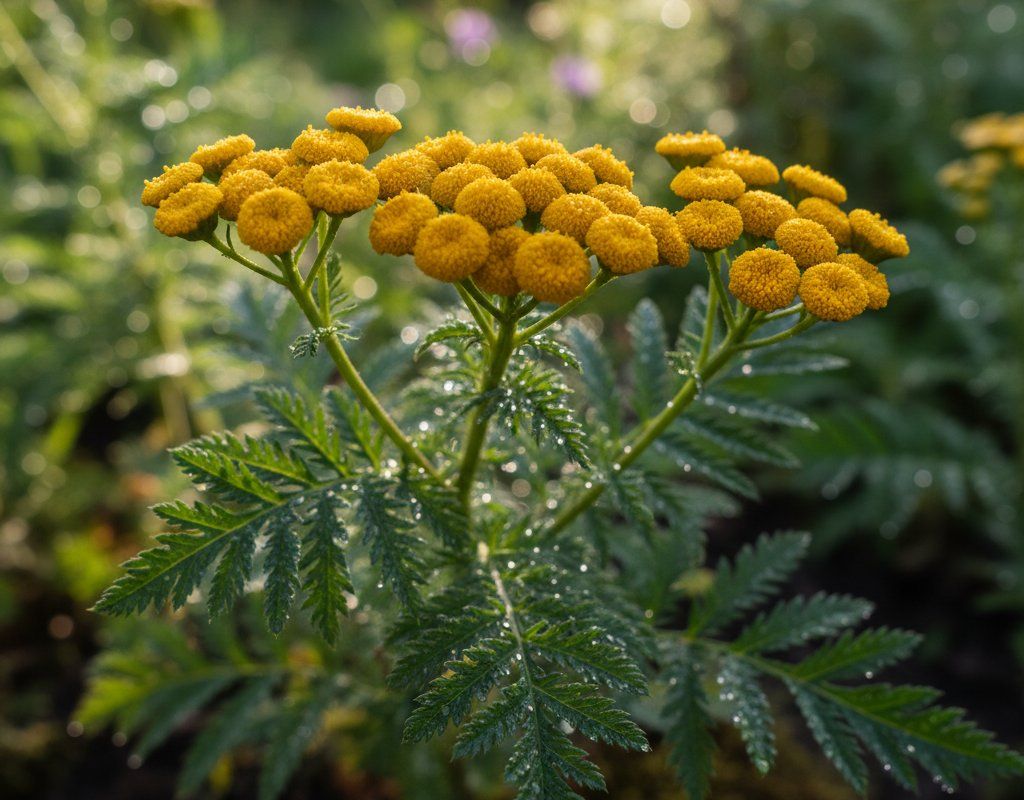
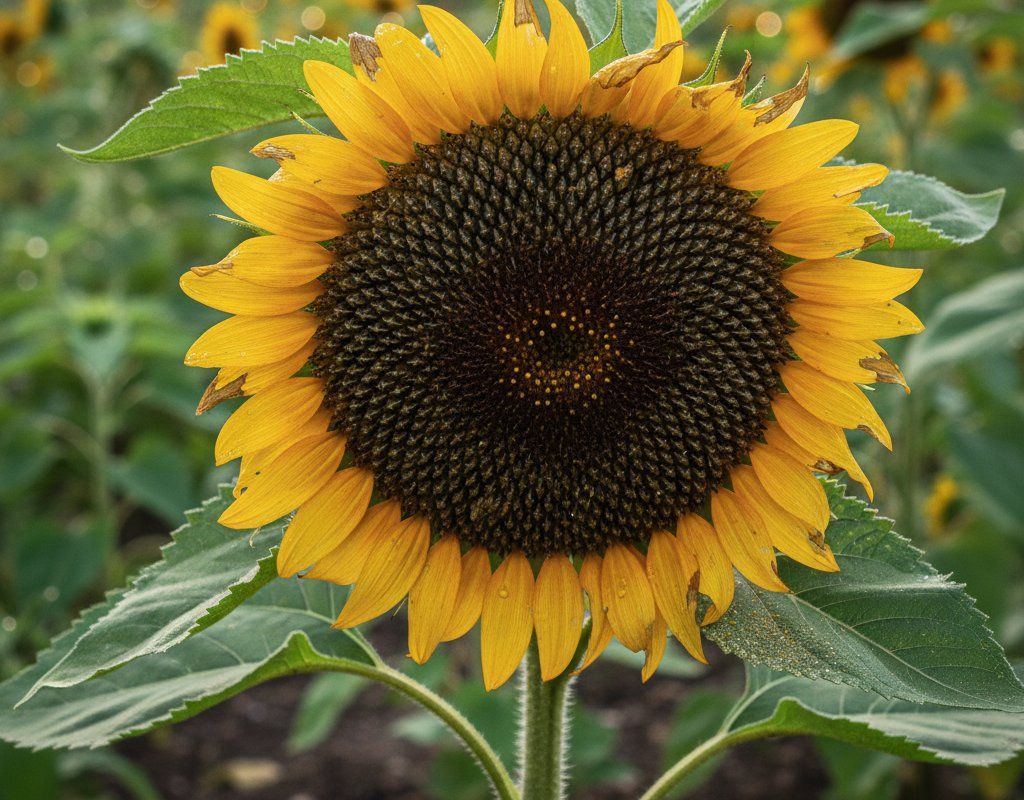
🌸Best Flowers to Plant with Pumpkin
These flowers protect your Pumpkin from pests and attract pollinators for better harvests.
For Pest Control





Get a Reminder When It's Time to Plant
We'll email you when key planting windows open for your zone.