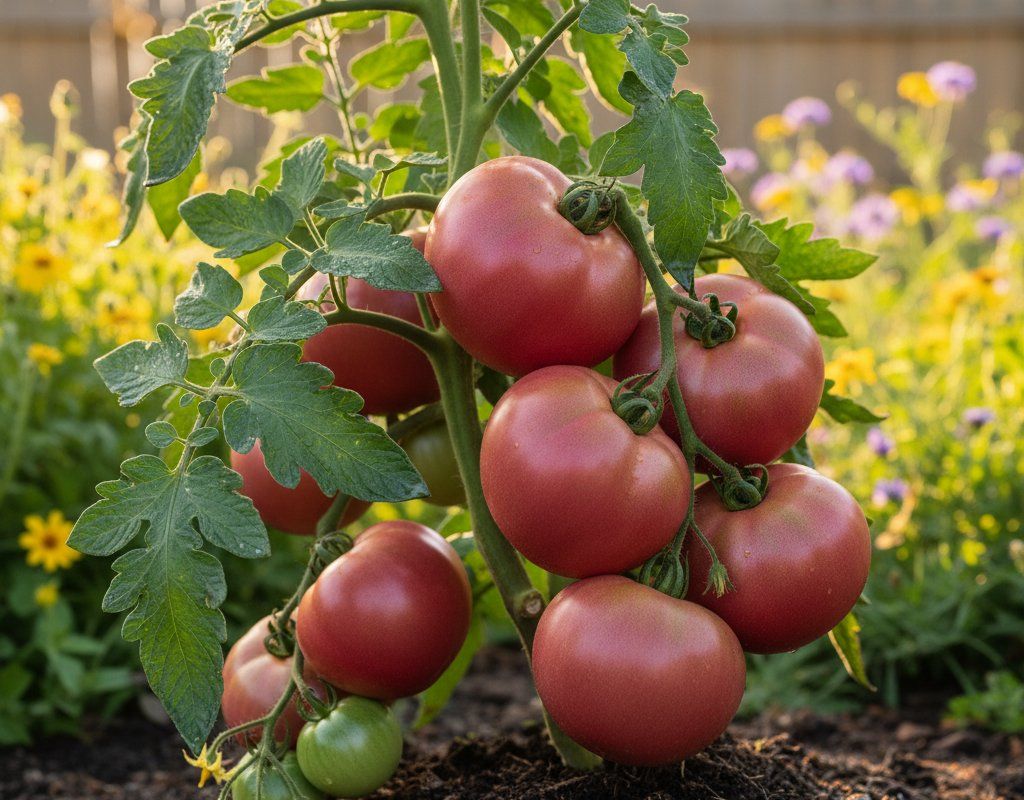
Brandywine Tomatoes in Zone 10B — Desert Southwest
Solanum lycopersicum · Your Complete 2026 Planting Guide
Check Planting Details Below
See the full planting guide for timing information.
How to Plant Brandywine Tomatoes in Zone 10B — Desert Southwest
Here are all your options for getting brandywine tomatoes in the ground, from the easiest method to more advanced approaches.
Start Seeds Indoors
RecommendedMid December through early January
around December 18
Then transplant: Late January through mid February
Start seeds 6-8 weeks before transplanting outdoors.
Buy Starts
Works WellLate January through mid February
around January 29
Plant purchased starts after last frost (January 15).
Direct Sow Seeds
ChallengingDirect sowing is not typical for Brandywine Tomatoes.
Transplant Outdoors
Timing InfoLate January through mid February
around January 29
Wait until nighttime temperatures stay above 50°F.
Plan to transplant within a few weeks of your target date.
Overview
Brandywine tomatoes offer something you simply can't get from the grocery store here in the Desert Southwest — that perfect balance of sweet and tangy with rich, complex flavor that makes every bite worth the wait. These beautiful, large pink heirlooms thrive in our mild winters and reward you with exceptional fruit just as the extreme heat starts building in late spring. With our 349-day growing season, you have plenty of time to enjoy a full harvest before summer survival mode kicks in.
While our alkaline soil and low humidity can challenge tomato growing, Brandywine's winter-to-spring timeline works perfectly with our climate patterns. You'll plant them during our coolest months and harvest before the brutal summer heat arrives, avoiding the worst stress periods that plague summer tomato attempts in our region.
Starting Seeds Indoors
Start your Brandywine seeds indoors from mid-December through early January, giving them about 6 weeks to develop before transplanting. Our very early spring character means you need these seedlings ready to go out while nights are still consistently cool in late January. Set up seed trays in a warm spot — a heating mat helps since indoor temperatures can drop significantly on winter nights here.
Use bottom watering to keep the soil consistently moist without creating the damp surface conditions that invite fungal problems. Place seedlings near your brightest south-facing window or under grow lights once they germinate. The dry desert air actually works in your favor here, reducing the humidity-related diseases that plague seedlings in more humid climates.
Transplanting Outdoors
Transplant your Brandywine seedlings outdoors from late January through mid-February, while nighttime temperatures stay consistently above freezing. Our last frost typically hits around mid-January, so you're working within a safe window. Spend a full week hardening off your plants gradually — our intense desert sun can shock even cold-hardy seedlings if they haven't adjusted to direct exposure.
Space plants 36 to 48 inches apart to ensure good air circulation, which becomes crucial as temperatures climb toward summer. The wider spacing also accommodates Brandywine's vigorous growth habit and helps each plant access adequate water in our arid conditions. Choose your sunniest spot, as these indeterminate plants need maximum light to develop their signature large fruit.
Watering Brandywine Tomatoes in Zone 10B (Desert Southwest)
Brandywine tomatoes demand consistent moisture throughout their growing season, and our arid climate makes this your biggest challenge. These heirlooms are particularly prone to cracking when they experience the dry-wet cycles that naturally occur here, especially if you rely solely on our unpredictable monsoon moisture later in the season.
Water deeply twice a week during cool weather, increasing to every other day as temperatures climb above 85°F. Apply about 1.5 inches of water weekly, checking soil moisture with the finger test — stick your finger 2 inches down near the base of the plant. If it's dry at that depth, it's time to water. Always water at the base rather than overhead; our low humidity means foliage stays wet longer than you'd expect, potentially inviting disease.
Watch for signs of stress in our extreme heat: wilting during the hottest part of the day is normal, but persistent wilting or yellowing leaves indicate inadequate moisture. Overwatering shows up as yellowing from the bottom up and soggy soil that doesn't dry between waterings. Apply a 2-inch layer of mulch around plants to conserve moisture and moderate soil temperature swings, but keep it a few inches away from the stem to prevent pest issues.
Start tapering back watering as your harvest window closes in early summer. Your plants will naturally slow production as heat builds, and reducing water helps concentrate flavors in the remaining fruit.
Supporting Your Brandywine Tomatoes
Install sturdy tomato cages or tall stakes at planting time — Brandywine's indeterminate growth habit produces heavy fruit on vigorous vines that absolutely need strong support. Choose 6-foot cages or stakes since these plants easily reach 5 feet in our long growing season, and the large fruit puts significant stress on branches.
Tie stems to supports using soft materials like cloth strips or tomato ties, checking and adjusting weekly as plants grow. Brandywine's potato-leaf foliage provides less natural shade for fruit than regular-leafed varieties, making good support even more important to prevent ground contact and sun exposure damage.
Train the main stem upward and secure major branches that develop heavy fruit clusters. In our intense spring sunshine, well-supported plants photosynthesize more efficiently and produce better yields before summer heat arrives.
Pruning & Maintaining Brandywine Tomatoes
Remove suckers — the shoots that emerge between main stems and branches — when they're small and easy to pinch off. Do this weekly during active growth to focus the plant's energy on fruit production rather than excessive foliage. Brandywine benefits from moderate pruning since these heirlooms are more susceptible to disease than modern hybrids, and better air circulation helps prevent problems.
Strip off lower leaves that touch the ground or show signs of yellowing throughout the season. This prevents soil-borne diseases from splashing up onto foliage and improves airflow around the base of the plant. As harvest progresses into late spring, remove any diseased or damaged foliage promptly to keep plants healthy.
Around late November, when our first frost approaches in late December, top the plants by removing growing tips. This forces remaining energy into ripening existing fruit rather than producing new flowers that won't have time to mature before cold weather arrives.
🧪Fertilizing Brandywine Tomatoes
Feeding Schedule
Organic Fertilizer Options
Harvest Time
Your first Brandywine tomatoes will be ready from late April through early June, about 90 days after transplanting. Look for fruits that develop their characteristic pink-red color with a slight give when gently squeezed. Don't worry if the shoulders around the stem stay somewhat green — that's normal for this variety and doesn't affect flavor or ripeness.
Harvest in the early morning when fruits are cool and firm, twisting gently while supporting the fruit's weight to avoid damaging the vine. Check plants every 2-3 days during peak production since ripe fruit deteriorates quickly in our low humidity and can crack if left too long on the vine.
These indeterminate plants will continue producing until heat stress slows them down in early summer. As temperatures consistently hit the mid-90s, plants naturally reduce fruit set, but you'll still get scattered tomatoes through May and into early June. Pick fruits that show any color change before the first frost threat in late December — they'll ripen perfectly indoors on a sunny windowsill.
Store ripe tomatoes at room temperature for best flavor, or refrigerate for longer storage. Green tomatoes harvested before frost will continue ripening indoors for several weeks, extending your harvest season well into winter.
Common Problems in Zone 10B (Desert Southwest)
Cracking Concentric circles or radial lines splitting the tomato skin, exposing the flesh underneath. Brandywine is particularly prone to this compared to hybrid varieties. Our monsoon season creates perfect conditions for cracking when heavy moisture follows the dry periods typical of late spring and early summer. Maintain consistent watering schedules and harvest promptly when fruits show color to minimize exposure to moisture swings. Mulching helps moderate soil moisture levels between waterings.
Low Yields Fewer tomatoes than expected despite healthy-looking plants with good foliage growth. Our alkaline soil can tie up nutrients, particularly phosphorus needed for fruit production, while excessive nitrogen creates lush plants with poor fruit set. Have your soil tested and amend with sulfur to lower pH slightly. Use a balanced fertilizer with higher phosphorus content rather than high-nitrogen lawn fertilizers. Ensure adequate spacing for pollination and avoid planting too early when cool nights interfere with fruit set.
Disease Susceptibility Yellowing leaves, dark spots, or wilting that spreads through the plant. Heirloom varieties like Brandywine lack the disease resistance bred into modern hybrids, making them more vulnerable to both fungal and bacterial issues. Our low humidity helps, but poor air circulation and overhead watering can still create problems. Space plants adequately, water at soil level, and remove affected foliage immediately. Consider preventive copper fungicide applications if diseases appear.
Catfacing Deep ridges, scars, and lumpy deformities on the blossom end making fruits look misshapen and strange. Cool nighttime temperatures during flowering cause incomplete pollination, particularly common with large-fruited varieties like Brandywine. Avoid planting too early when nights still drop into the 40s. Use row covers for early plantings if cold snaps threaten, and don't worry about appearance — catfaced fruits taste perfectly normal despite looking odd.
Desert Southwest Specific Challenges Our extreme heat and low humidity stress Brandywine plants once temperatures exceed 95°F consistently, often ending production earlier than in more temperate climates. The intense UV exposure can cause sunscald on fruits not adequately shaded by foliage, while our alkaline caliche soils require amendment for optimal nutrient uptake. Plan your planting schedule to maximize cool-weather growing time and consider shade cloth protection as summer approaches.
Best Companions for Brandywine Tomatoes
Plant these nearby for healthier Brandywine Tomatoes and better harvests.
View Full Companion Planting Chart →



Companion Planting Details
Plant basil alongside your Brandywine tomatoes — it helps repel aphids and spider mites while improving tomato flavor, plus you'll harvest fresh herbs throughout the cool season. Carrots work well as they don't compete for surface nutrients and actually help break up our hard caliche soil as they grow. Marigolds planted nearby attract beneficial insects and their strong scent deters whiteflies and other pests common in our desert gardens.
Avoid planting brassicas like cabbage or broccoli near tomatoes since they compete for similar nutrients and can harbor pests that affect both crops. Keep fennel away from tomatoes as it inhibits growth, and avoid corn since it attracts similar pests while providing shade that reduces tomato production. In our intense desert conditions, every plant needs maximum resources, so choose companions that truly benefit rather than compete with your precious Brandywine harvest.
🌸Best Flowers to Plant with Brandywine Tomatoes
These flowers protect your Brandywine Tomatoes from pests and attract pollinators for better harvests.
For Pest Control

Get a Reminder When It's Time to Plant
We'll email you when key planting windows open for your zone.