
Pumpkin in Zone 6A — Pacific Northwest
Cucurbita pepo · Your Complete 2026 Planting Guide
Planning Ahead — Great!
You’re ahead of the season. Here’s when to start.
Mark Your Calendar
How to Plant Pumpkin in Zone 6A — Pacific Northwest
Here are all your options for getting pumpkin in the ground, from the easiest method to more advanced approaches.
Direct Sow Seeds
RecommendedMid May through mid June
around May 17
Direct sow as soon as conditions allow.
Pumpkins grow well from direct-sown seeds after soil warms.
Buy Starts
Works WellLate May through mid June
around May 24
Plant purchased starts after last frost (May 10).
Start Seeds Indoors
Works WellLate April through mid May
around May 3
Then transplant: Late May through mid June
Start seeds 3-5 weeks before transplanting outdoors.
Transplant Outdoors
Timing InfoLate May through mid June
around May 24
Wait until nighttime temperatures stay above 50°F.
Plan to transplant within a few weeks of your target date.
Overview
Growing pumpkins in our Pacific Northwest Zone 6A climate offers a uniquely satisfying experience that combines the thrill of watching these giants develop with the practicality of homegrown fall decorations and pie fillings. Our mild summers with cool nights actually improve pumpkin flavor development, creating sweeter, more complex-tasting flesh than those grown in scorching heat. The moderate temperatures also reduce plant stress and pest pressure, making pumpkins surprisingly manageable once established.
While pumpkins need warmth to thrive and our spring soil can be stubbornly cool, our 148-day growing season provides just enough time for most varieties to mature before our first frost in early October. The key is working with our climate's timing rather than fighting it - starting when soil truly warms and choosing varieties that match our season length.
Starting Seeds Indoors
Starting pumpkin seeds indoors makes sense if you want to maximize your growing season or grow longer-season varieties in our climate. Start seeds from late April through mid-May, about three weeks before you plan to transplant outdoors. This gives you a head start while our overcast spring days slowly warm the soil.
Use seed trays filled with quality potting mix and keep them consistently warm - around 70-75°F for best germination. Bottom watering works especially well for pumpkin seeds since it prevents the large seeds from floating or shifting. Place trays on a heat mat if your house runs cool during our typical spring weather.
The main challenge with indoor starts is that pumpkins develop extensive root systems quickly and don't love transplant shock. If you go this route, use larger cells or pots and be prepared to transplant within that three-week window before they become rootbound.
Transplanting Outdoors
Transplant your indoor-started pumpkin seedlings from late May through mid-June, once soil has warmed to at least 65°F and nighttime temperatures consistently stay above 50°F. In our climate, this timing usually coincides with when our wet springs transition to drier weather patterns.
Harden off seedlings gradually over a week, starting with just a few hours of outdoor exposure and building up to full days. Our cool nights can shock tender transplants, so don't rush this process. Space plants 5-8 feet apart in all directions - pumpkin vines need serious room to sprawl and our mild summers mean they'll keep growing steadily rather than getting stunted by heat.
Choose your sunniest spot since pumpkins need 6-8 hours of direct sun daily. In our sometimes-cloudy spring conditions, every bit of available light helps these heat-loving plants get established before summer's peak growing season.
Direct Sowing
Direct sowing is the preferred method for pumpkins in our Pacific Northwest climate, eliminating transplant shock while taking advantage of naturally warming soil. Sow seeds from mid-May through mid-June, when soil temperature reaches 65°F consistently. This timing works perfectly with our transition from wet spring weather to the dry summer months.
Prepare planting areas by working compost into the soil and creating slight mounds for better drainage - important during our wet springs. Plant 2-3 seeds per hill, spacing hills 5-8 feet apart in all directions. Our mild summers mean vines will continue expanding throughout the growing season, so generous spacing prevents overcrowding and improves air circulation.
Cover seeds with about an inch of soil and keep consistently moist until germination, which typically takes 7-10 days in our spring conditions. Once seedlings emerge and develop their first true leaves, thin to the strongest plant per hill. Direct-sown pumpkins often outperform transplants here since they develop stronger root systems from the start.
Watering Pumpkin in Zone 6A (Pacific Northwest)
Pumpkins need consistent moisture throughout their growing season, but our Pacific Northwest climate requires a different approach than hotter regions. During establishment in late spring, water deeply once or twice per week depending on rainfall, applying about 1-2 inches total. Our naturally dry summers mean you'll need to supplement, but the mild temperatures prevent the rapid moisture loss seen in scorching climates.
Use the finger test regularly - stick your finger 2 inches into the soil near the base of plants. If it's dry at that depth, it's time to water. During our typical summer conditions with highs around 82°F, this usually means watering every 3-4 days rather than daily. Water at the base of plants rather than overhead to keep foliage dry and prevent disease issues in our moderate humidity.
As fruits begin sizing up in mid to late summer, maintain consistent moisture but avoid overwatering. Inconsistent watering can cause fruits to crack or develop poorly. Place cardboard or straw under developing pumpkins to prevent rot from contact with damp soil during our occasional summer showers.
Reduce watering frequency as pumpkins approach maturity in late summer, allowing plants to concentrate sugars in the fruit. A light layer of organic mulch helps retain soil moisture during our dry summer months while keeping roots cool during the warmest parts of the season.
🧪Fertilizing Pumpkin
Feeding Schedule
Organic Fertilizer Options
Harvest Time
Expect your first pumpkins to be ready from late August through early October, depending on variety and planting timing. Look for full color development - whether that's deep orange, white, or blue-gray depending on your variety. The stem should appear dry and corky, and the pumpkin's shell should be hard enough that you can't dent it with your fingernail.
Test ripeness by tapping the pumpkin - a ripe one sounds hollow rather than dull. The bottom should have changed from pale green to cream or orange where it contacted the soil. These visual and tactile cues are more reliable than counting days, especially in our variable climate.
Harvest with sharp pruning shears or a knife, leaving a 3-4 inch stem handle attached. This stem acts as a natural seal and helps prevent rot. Never lift pumpkins by their stems alone - support the fruit from underneath to avoid breaking the connection.
With our first frost typically arriving in early October, you may need to harvest slightly underripe pumpkins if a cold snap threatens. While pumpkins won't continue ripening once picked, they'll often develop better color if kept in a warm, sunny spot for a few weeks after harvest.
Common Problems in Zone 6A (Pacific Northwest)
Squash Vine Borers Watch for sudden wilting of entire vines or vine sections, especially if the rest of the plant looks healthy. You'll often see sawdust-like frass (insect droppings) around the base of affected stems. These fat white grubs tunnel through stems, cutting off water and nutrient flow. In our climate, the adult moths typically appear in mid-summer when temperatures warm up. Wrap the base of stems with aluminum foil early in the season, or slit affected stems lengthwise to remove borers by hand. Bt injections can help if caught early.
Powdery Mildew This fungal disease appears as white or grayish powdery coating on leaves and stems, eventually causing leaves to yellow and die. Our cool nights and warm days create perfect conditions for powdery mildew, especially as summer progresses. Improve air circulation by spacing plants properly and removing lower leaves that touch the ground. Spray affected plants with neem oil or try the surprisingly effective milk spray (1 part milk to 9 parts water) applied weekly.
Poor Pollination Small, misshapen fruits or flowers that bloom but drop off indicate pollination problems. This often happens during cool, overcast weather when bee activity is reduced - not uncommon during our spring planting season. Hand-pollinate using a small paintbrush to transfer pollen from male flowers (with plain stems) to female flowers (with tiny fruits at the base). Plant pollinator-friendly flowers nearby and avoid using pesticides during flowering period.
Pacific Northwest Specific Challenges Our relatively short warm season means every growing day counts, so pest and disease issues can be particularly damaging. The combination of cool, moist springs followed by dry summers creates unique timing challenges - diseases like powdery mildew often appear just as fruits are sizing up. Focus on prevention through proper spacing, variety selection, and early intervention rather than trying to remedy problems late in our already-compressed growing season.
Best Companions for Pumpkin
Plant these nearby for healthier Pumpkin and better harvests.

Keep Away From
Companion Planting Details
Pumpkins thrive in the traditional "Three Sisters" planting with corn and beans, which works especially well in our Pacific Northwest climate. Plant corn first, then add beans and pumpkins once corn is established. The corn provides vertical structure for beans while beans fix nitrogen that feeds all three crops. Pumpkin vines spread along the ground, acting as living mulch that conserves moisture during our dry summers and suppresses weeds.
Radishes make excellent short-term companions when direct-sown with pumpkins in spring. They germinate quickly in cool soil, marking your planting areas and loosening soil as pumpkin seeds take their time emerging in our sometimes-slow spring conditions. Harvest radishes before pumpkin vines spread. Avoid planting pumpkins near potatoes, as both crops attract similar pests and compete for space and nutrients, creating unnecessary stress in our moderate growing season where every advantage counts.
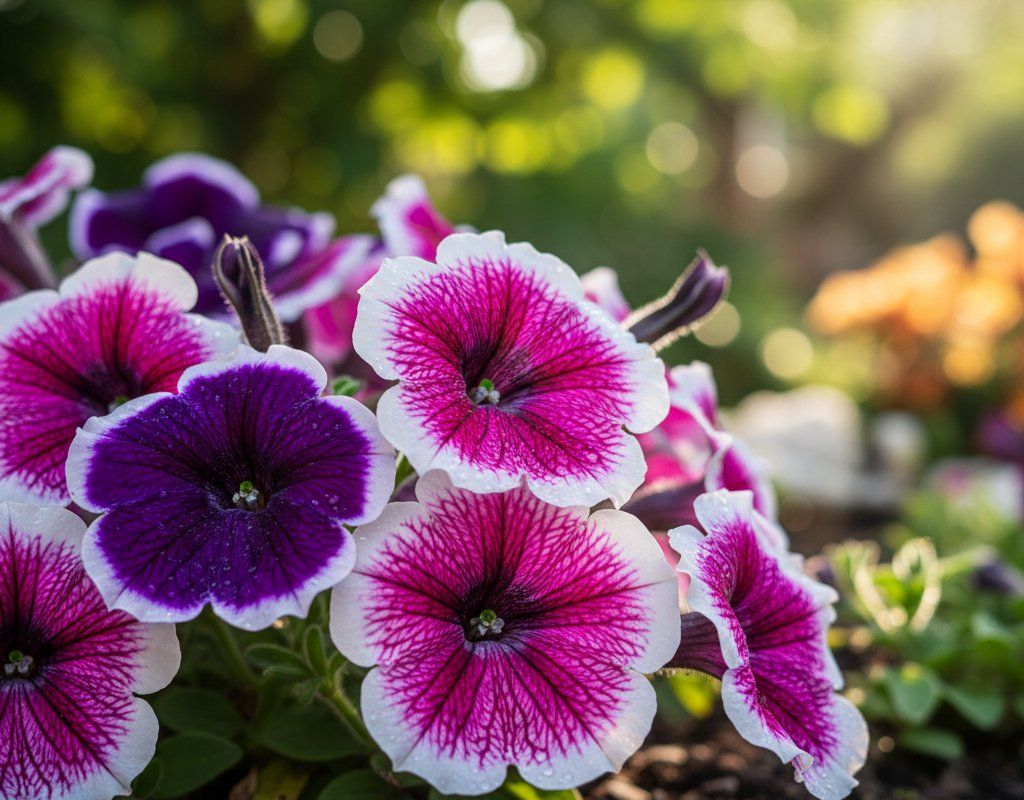
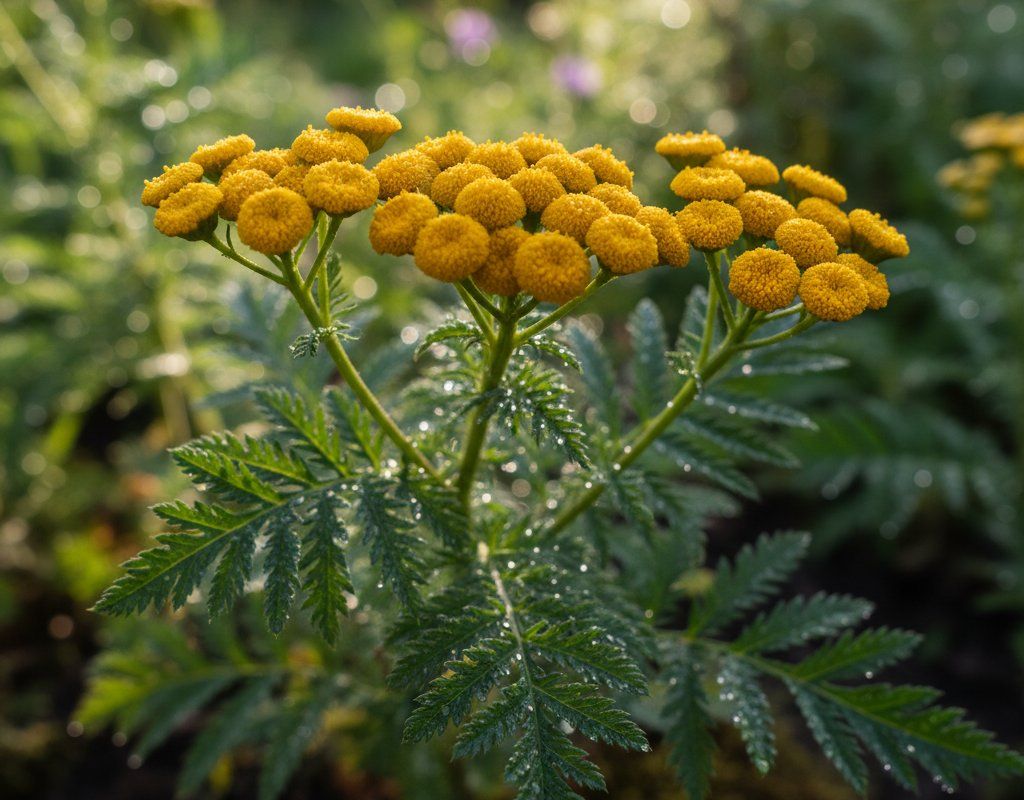
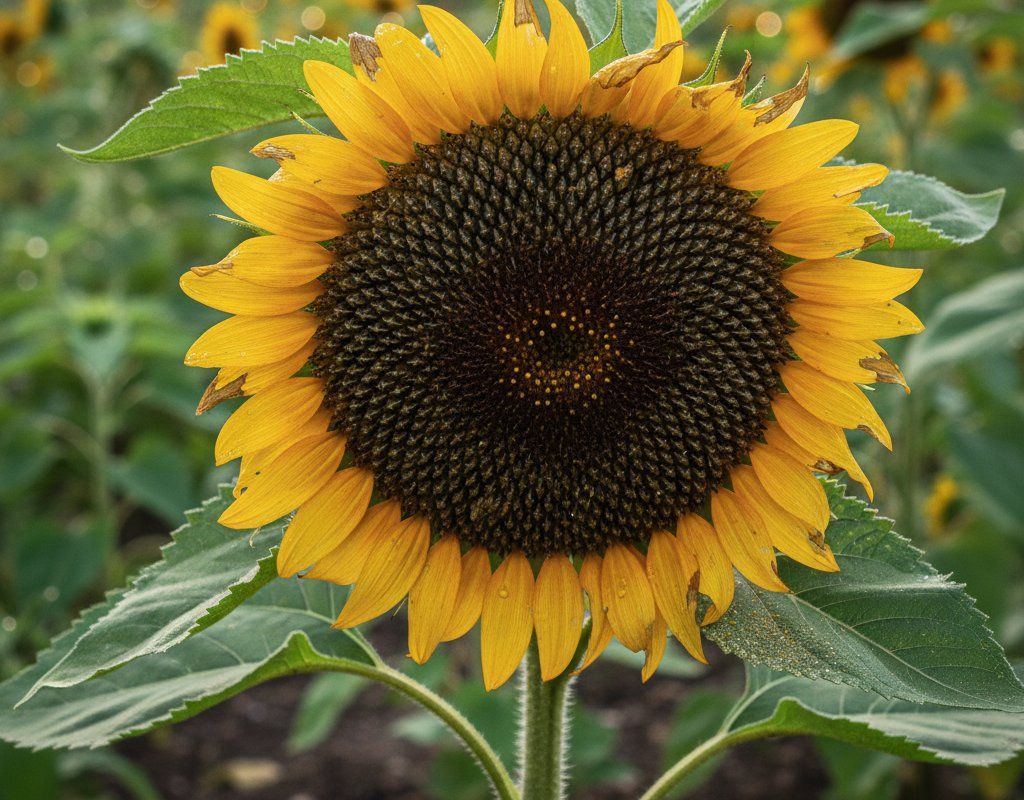
🌸Best Flowers to Plant with Pumpkin
These flowers protect your Pumpkin from pests and attract pollinators for better harvests.
For Pest Control




Get a Reminder When It's Time to Plant
We'll email you when key planting windows open for your zone.