
Pumpkin in Zone 6B — Texas
Cucurbita pepo · Your Complete 2026 Planting Guide
Planning Ahead — Great!
You’re ahead of the season. Here’s when to start.
Mark Your Calendar
How to Plant Pumpkin in Zone 6B — Texas
Here are all your options for getting pumpkin in the ground, from the easiest method to more advanced approaches.
Direct Sow Seeds
RecommendedEarly April through mid July
around April 1
Consider succession planting every 2-3 weeks for continuous harvest.
Pumpkins grow well from direct-sown seeds after soil warms.
Buy Starts
Works WellEarly to late April
around April 8
Plant purchased starts after last frost (March 25).
Start Seeds Indoors
Works WellMid March through early April
around March 18
Then transplant: Early to late April
Start seeds 3-5 weeks before transplanting outdoors.
Transplant Outdoors
Timing InfoEarly to late April
around April 8
Wait until nighttime temperatures stay above 50°F.
Plan to transplant within a few weeks of your target date.
Overview
Growing pumpkins in Zone 6B Texas gives you the satisfaction of harvesting your own jack-o'-lanterns and pie pumpkins after months of watching massive vines spread across your garden. With our long 230-day growing season, you can grow everything from small sugar pumpkins to giant varieties that thrive in the Texas heat. The flavor difference between homegrown and store-bought is remarkable – your pumpkins will have that rich, sweet flesh that makes incredible pies and roasted seeds.
Our unpredictable weather and extreme summer heat can challenge pumpkin growing, but timing your planting right makes all the difference. You'll want to get them established before the brutal summer months hit, or take advantage of our excellent fall growing conditions. The 100-day maturity period works perfectly with Texas's climate patterns when you plan around the heat.
Starting Seeds Indoors
Starting pumpkin seeds indoors makes sense if you want to get a head start on the season or if you're growing specialty varieties with expensive seeds. Plant your seeds in mid-March through early April, about 3 weeks before you plan to transplant outside. Since our spring arrives early compared to other Zone 6B areas, this timing lets you avoid both late cold snaps and the worst of summer heat.
Use individual peat pots or seed trays with good drainage, keeping the soil consistently moist with bottom watering rather than overhead watering to prevent damping off. Pumpkin seeds germinate best with soil temperatures around 70-85°F, which is easy to achieve indoors during our Texas spring. Keep them under grow lights or in a sunny south-facing window once they sprout.
The main advantage of starting indoors here is getting those vines established before summer's peak intensity hits. However, pumpkins don't love root disturbance, so many Texas gardeners skip this step and direct sow instead.
Transplanting Outdoors
Transplant your indoor-started pumpkins outside from early to late April, after soil temperatures consistently stay above 60°F and night temperatures don't drop below 50°F. In Texas, this window usually opens earlier than other Zone 6B areas due to our warmer spring conditions. You'll want to time this carefully to avoid both late freezes and the brutal heat that comes later.
Harden off your seedlings gradually over a week by placing them outside for increasing periods each day, starting with just a few hours of morning sun. Texas spring weather can swing wildly, so keep an eye on overnight lows during this process. Plant them with plenty of space – 5 to 8 feet between plants – since pumpkin vines will sprawl extensively in our long growing season.
Choose your planting spot wisely, considering that these plants will need consistent water through summer but also good drainage during our occasional flash floods. Morning sun with some afternoon protection can help young transplants handle the transition to full Texas sun exposure.
Direct Sowing
Direct sowing is the preferred method for pumpkins in Texas since they establish better root systems and handle our summer heat more effectively. Plant seeds from early April through mid-July, giving you flexibility to work around spring weather or take advantage of summer moisture periods. Wait until soil temperature reaches at least 65°F consistently – usually by mid-April in most Texas areas.
Prepare your planting area with well-draining soil enriched with compost, creating slight mounds or raised rows if your area tends to collect water during heavy rains. Plant seeds 1 inch deep and space them 5 to 8 feet apart – these vines need serious room to spread. In our climate, germination typically happens within 7-10 days once soil warms up.
For summer planting, focus on varieties with shorter maturity times and plant them where they'll get morning sun but some afternoon shade protection. The key advantage of direct sowing here is that plants develop stronger root systems to handle both drought stress and our unpredictable rainfall patterns.
Watering Pumpkin in Zone 6B (Texas)
Pumpkins need deep, consistent watering to develop properly in Texas heat, requiring about 1-1.5 inches per week including rainfall. During our typical summer with highs around 97°F and variable humidity, you'll need to water more frequently than gardeners in cooler climates. Check soil moisture by sticking your finger 2 inches deep – if it's dry at that level, it's time to water deeply at the base of the plants.
Water early morning to minimize evaporation loss and reduce disease pressure, especially important with our variable humidity levels. Avoid overhead watering once vines start spreading, as wet leaves combined with Texas heat create perfect conditions for fungal problems. Instead, use soaker hoses or drip irrigation to deliver water directly to the root zone.
During fruit development, maintain consistent moisture but start reducing water as pumpkins approach maturity – this concentrates flavors and prevents fruit rot. Our unpredictable rainfall patterns mean you might get weeks of drought followed by flash floods, so mulching around plants helps maintain even soil moisture. Apply 3-4 inches of organic mulch to conserve water and keep soil temperatures more stable.
Signs of underwatering include wilting during the day even with moist soil deeper down, while overwatering shows up as yellowing leaves and soft, mushy stem bases. In late summer, place cardboard or straw under developing fruits to prevent rot from contact with wet soil during our intense afternoon thunderstorms.
🧪Fertilizing Pumpkin
Feeding Schedule
Organic Fertilizer Options
Harvest Time
Your first pumpkins will be ready from early July through early November, depending on when you planted and which varieties you chose. With the 100-day maturity period, spring plantings give you summer harvest while later plantings mature perfectly for fall use. Look for pumpkins that have reached full color with no green streaks, developed a hard shell you can't dent with your fingernail, and sound hollow when tapped.
The stem provides the best ripeness indicator – it should turn dry and corky rather than green and fleshy. Cut pumpkins from the vine leaving about 4 inches of stem attached, which helps them store longer and reduces the chance of rot setting in through the stem end. Never pull pumpkins off the vine or carry them by the stem, as this can damage both the fruit and the continuing vine.
Harvest before our first frost in early November, even if some pumpkins aren't fully mature yet. Unlike tomatoes, pumpkins won't continue ripening off the vine, so what you see is what you get. During hot weather, harvest in early morning when temperatures are cooler to reduce stress on both you and the fruit.
Plan your final harvest around mid to late October for the best storage life, as pumpkins harvested during cooler weather tend to keep longer than those picked during extreme heat. Cure them in the sun for a week if possible to harden the skin before storing in a cool, dry place.
Common Problems in Zone 6B (Texas)
Squash Vine Borers are your biggest enemy in Texas pumpkin growing. You'll notice sudden wilting of entire vines or large sections, often accompanied by sawdust-like frass around the base of stems. If you slit open affected stems, you'll find fat white grubs tunneling through the interior. These larvae from clearwing moths typically attack during our hot summer months when the moths are most active. Wrap the base of stems with aluminum foil or row cover material to prevent egg laying, and consider succession planting to have backup plants ready. In Texas, timing your planting for late spring or early summer can help you avoid the peak moth flight periods.
Powdery Mildew shows up as white or grayish powdery coating on leaves, stems, and sometimes the fruit itself. This fungal disease thrives in our combination of hot days, warm nights, and variable humidity levels. Unlike many plant diseases, powdery mildew actually prefers dry leaf surfaces, making it particularly problematic during drought periods when you're trying to conserve water. Improve air circulation by spacing plants properly and removing some lower leaves as vines spread. Spray affected plants with neem oil or try the surprisingly effective milk spray – mix 1 part milk with 9 parts water and apply weekly.
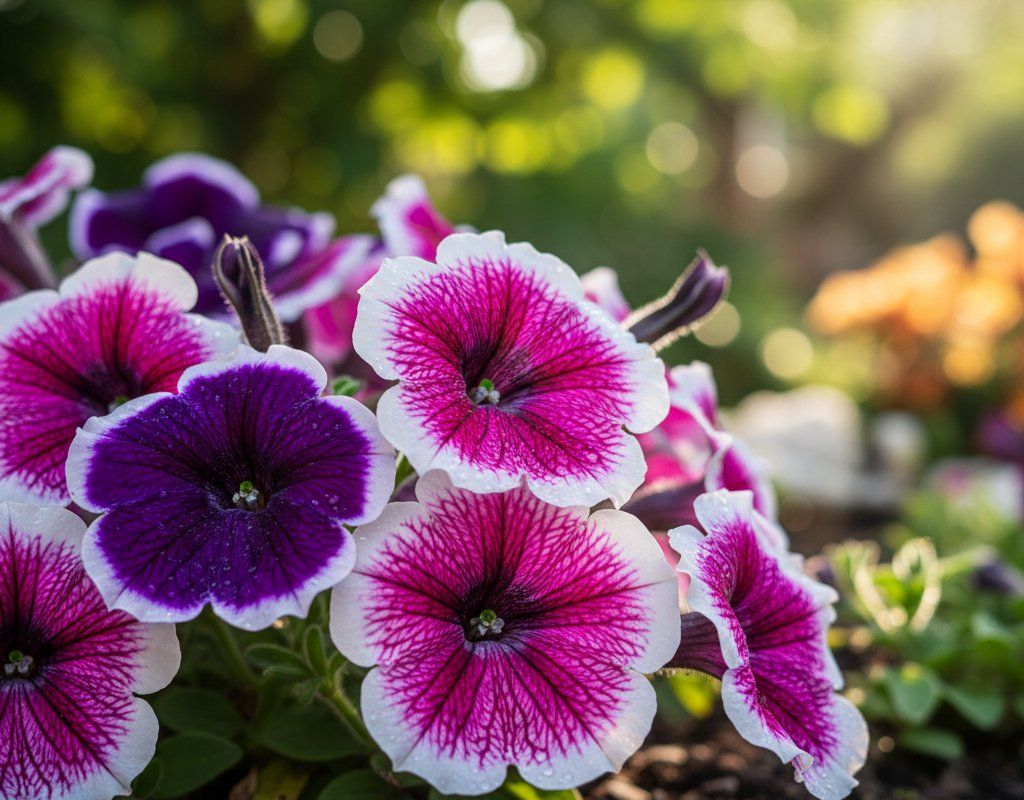
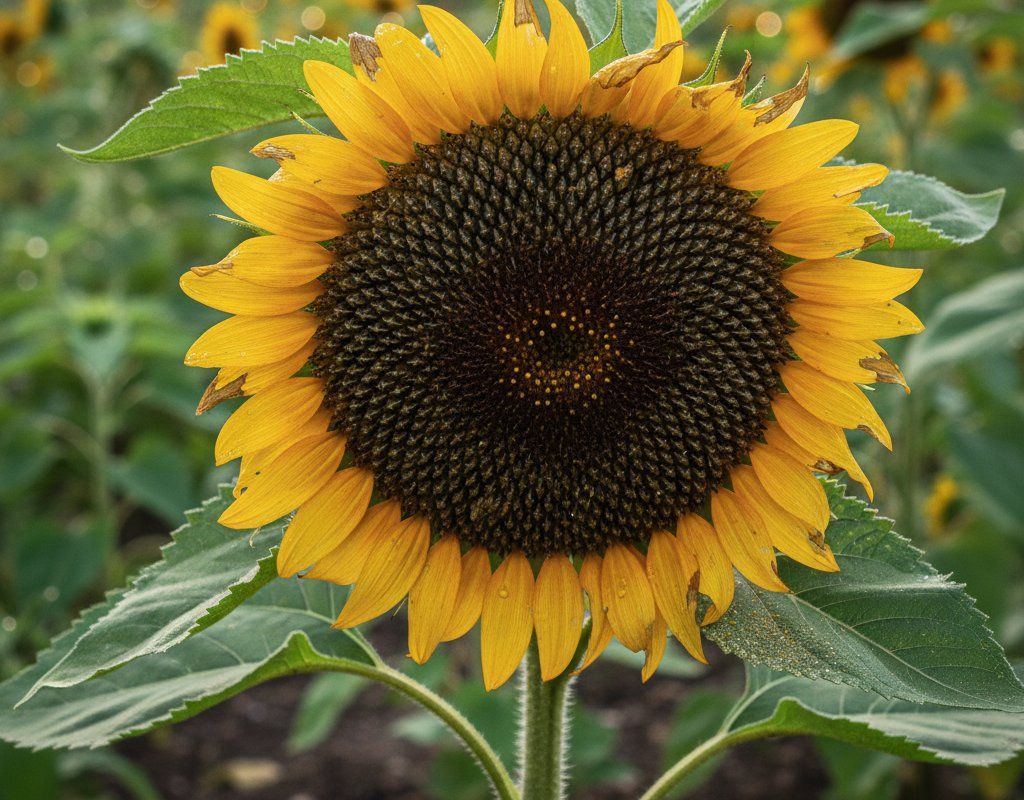
Poor Pollination results in small, misshapen fruits or flowers that bloom but drop off without setting fruit. In Texas heat, pollinators often avoid working during the hottest parts of the day, and extreme temperatures can affect pollen viability. Plant pollinator-friendly flowers nearby like zinnias and sunflowers, and consider hand-pollinating with a small brush during early morning hours when it's cooler. Avoid using pesticides during flowering periods, and provide shallow water sources for bees and other pollinators.
Texas Specific Challenges: Our combination of extreme heat, unpredictable rainfall, and fire ant pressure creates unique problems for pumpkin growing. Fire ants often attack ripening fruit where it touches the ground, so elevate developing pumpkins on boards or cardboard. The intense UV radiation can scorch developing fruits, so consider providing some afternoon shade during peak summer heat. Flash floods can damage sprawling vines, while drought stress makes plants more susceptible to all pest and disease problems.
Best Companions for Pumpkin
Plant these nearby for healthier Pumpkin and better harvests.

Keep Away From
Companion Planting Details
Plant pumpkins with corn and beans in a traditional "Three Sisters" arrangement – the corn provides natural trellising for beans while the beans fix nitrogen that both corn and pumpkins can use. Radishes planted around pumpkin hills help break up soil and may deter some root pests while maturing quickly before pumpkin vines need the space. In Texas heat, this companion planting also creates beneficial microclimates with the taller plants providing some shade for the soil around pumpkin roots.
Avoid planting pumpkins near potatoes, as both crops are heavy feeders that will compete for nutrients, and they're susceptible to some of the same soil-borne diseases. The sprawling pumpkin vines can also interfere with potato harvesting and hilling practices that are essential in our clay soils.
🌸Best Flowers to Plant with Pumpkin
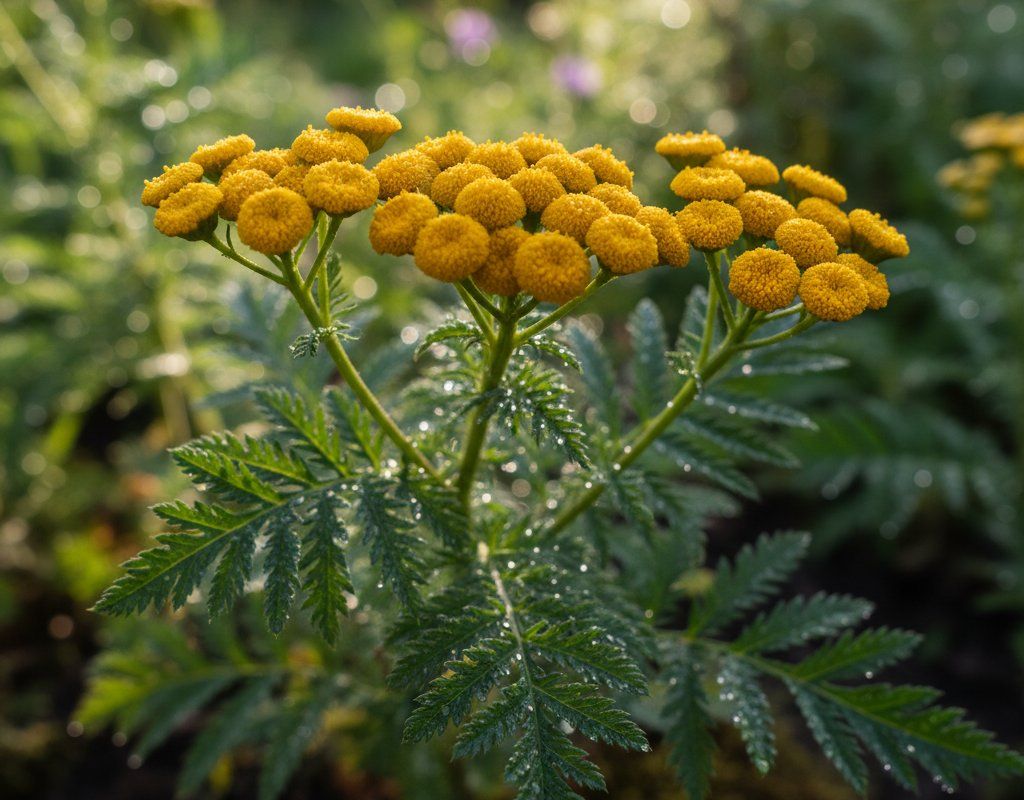
These flowers protect your Pumpkin from pests and attract pollinators for better harvests.
For Pest Control




Get a Reminder When It's Time to Plant
We'll email you when key planting windows open for your zone.