
Pumpkin in Zone 8A — Gulf Coast
Cucurbita pepo · Your Complete 2026 Planting Guide
Last Call for Seed Starting!
Indoor seed starting window closes in 4 days.
Start Seeds This Week
Start seeds now for transplanting later.
Or Wait for Starts
If you don’t want to start seeds, starts will be available around March 15.
How to Plant Pumpkin in Zone 8A — Gulf Coast
Here are all your options for getting pumpkin in the ground, from the easiest method to more advanced approaches.
Direct Sow Seeds
RecommendedEarly March through early August
around March 8
Consider succession planting every 2-3 weeks for continuous harvest.
Pumpkins grow well from direct-sown seeds after soil warms.
Buy Starts
Works WellMid March through early April
around March 15
Plant purchased starts after last frost (March 1).
Start Seeds Indoors
Works WellMid February through early March
around February 22
Then transplant: Mid March through early April
Start seeds 3-5 weeks before transplanting outdoors.
Transplant Outdoors
Timing InfoMid March through early April
around March 15
Wait until nighttime temperatures stay above 50°F.
Plan to transplant within a few weeks of your target date.
Overview
Growing pumpkins on the Gulf Coast gives you that perfect fall harvest satisfaction, plus the intense heat and humidity that pumpkins actually love during their growing phase. You'll get massive vines sprawling across your garden, producing everything from pie pumpkins to jack-o'-lanterns, and the taste difference between homegrown and store-bought is remarkable - your pumpkins will have deeper flavor and much better texture.
The Gulf Coast's high humidity and disease pressure can challenge pumpkins, but our incredibly long 269-day growing season gives you flexibility most gardeners don't have. You can plant early for summer harvest or time your plantings for perfect October pumpkins, working around hurricane season and managing the moisture-loving fungal issues that come with our climate.
Starting Seeds Indoors
Starting pumpkin seeds indoors works if you want precise timing or protection from our unpredictable early spring weather, though it's not the preferred method since pumpkins generally prefer direct seeding. Start seeds mid-February through early March, about three weeks before you plan to transplant outdoors.
Use seed trays with good drainage and keep them warm - pumpkin seeds germinate best around 70-75°F, which is easy enough to maintain indoors during our mild winters. Bottom watering works better than overhead watering to prevent damping off, especially important given our high humidity levels.
Since our spring starts early compared to most regions, indoor starting gives you a head start if you're planning for early summer harvest or want to avoid the peak heat stress of midsummer germination.
Transplanting Outdoors
Transplant your indoor-started pumpkins mid-March through early April, once soil temperatures consistently stay above 65°F and nighttime temperatures don't drop below 50°F regularly. Our Gulf Coast springs can still surprise you with cool snaps, so watch the weather closely.
Harden off seedlings gradually over a week by moving them outside for increasing periods daily - start with 2-3 hours of morning sun and work up to full days. This prevents transplant shock and helps them adjust to our intense humidity.
Space transplants 5-8 feet apart since pumpkin vines spread extensively, and they need good air circulation in our humid climate to prevent fungal diseases. Plant them slightly raised or in mounded soil to improve drainage, especially important during our frequent afternoon storms and heavy spring rains.
Direct Sowing
Direct sowing is your best bet for pumpkins in the Gulf Coast - they hate root disturbance and establish much stronger root systems when planted where they'll grow. Sow seeds early March through early August, giving you incredible flexibility for harvest timing that most regions can't match.
Wait until soil temperature reaches 65-70°F consistently, which usually happens by early March here. Plant seeds 1 inch deep and space them 5-8 feet apart - pumpkins need serious room to spread those massive vines. Work compost into your planting area because pumpkins are heavy feeders and our frequent rains can leach nutrients quickly.
For fall harvest timing, plant in late June or July. The plants will establish during summer heat (which they love) and produce fruit as temperatures moderate in fall. This timing also helps you avoid the worst of squash vine borer pressure, which peaks in early summer.
Watering Pumpkin in Zone 8A (Gulf Coast)
Pumpkins need consistent moisture but not waterlogged conditions - tricky in our wet Gulf Coast climate where we get 50-65 inches annually. During establishment and vine growth, aim for about 1-1.5 inches per week, but adjust based on our frequent afternoon storms and seasonal rainfall patterns.
Use the finger test - stick your finger 2 inches into soil near the base of plants. If it's dry at that depth, it's time to water deeply. Water at the base of plants rather than overhead to minimize fungal disease pressure, which is already high in our humid climate. Soaker hoses work perfectly for pumpkin patches.
As fruits start forming and sizing up, maintain steady moisture to prevent blossom end rot and cracking. However, reduce watering as pumpkins approach maturity - too much moisture late in the season can cause fruit rot and split skins. Our high humidity means soil stays moist longer than in drier climates, so check before watering.
Apply 3-4 inches of organic mulch around plants to help regulate soil moisture and temperature, but keep mulch away from stems to prevent pest harboring. Pine straw works well here and helps with drainage during our heavy rain events.
🧪Fertilizing Pumpkin
Feeding Schedule
Organic Fertilizer Options
Harvest Time
Your first pumpkins will be ready mid-June through late November, depending on planting timing and variety - those 100 days from seed give you lots of scheduling flexibility with our long growing season. Most Gulf Coast gardeners time plantings for October harvest to coincide with fall decorating and cooking season.
Pumpkins are ready when they develop full color, the shell hardens so you can't dent it with your fingernail, and they sound hollow when tapped. The stem will turn dry and corky, changing from green to brown. Always leave 3-4 inches of stem attached when cutting - this "handle" helps prevent rot from entering the fruit.
Cut pumpkins with sharp pruners or a knife rather than pulling them from the vine, which can damage both fruit and plant. Harvest before our first frost in late November, though mature pumpkins can handle light frost better than the vines.
If hurricane season threatens or heavy rains are forecast, harvest slightly early pumpkins and let them finish ripening in a dry, well-ventilated area. Unlike tomatoes, pumpkins won't ripen much off the vine, but they'll cure and harden properly if they're close to mature.
Common Problems in Zone 8A (Gulf Coast)
Squash Vine Borers You'll see sudden wilting of entire vines or sections, even when soil is moist, plus sawdust-like frass around the base of stems. If you slit open the stem, you'll find fat white grubs tunneling inside. This is the larvae of a clearwing moth that's particularly troublesome in our warm, humid climate where they can have multiple generations.
The borers cut off water and nutrient flow by tunneling through stems. Wrap the base of stems with aluminum foil or use row covers during peak moth flight periods in late spring. Inject Bt (beneficial bacteria) into stems if you catch infestations early. Succession planting gives you backup plants, and delaying planting until late June often avoids the worst moth pressure.
Powdery Mildew White or grayish powdery coating appears on leaves, stems, and sometimes fruit surfaces. Leaves curl, yellow, and eventually die, reducing plant vigor significantly. This fungus thrives in our warm days and high humidity, even when leaf surfaces stay relatively dry.
Improve air circulation by spacing plants properly and pruning excess foliage - critical in our humid climate. Remove affected leaves immediately and dispose of them off-site. Neem oil or potassium bicarbonate sprays help control spread. Surprisingly, milk spray (1 part milk to 9 parts water) works effectively and is organic-friendly.
Poor Pollination Fruits are small, misshapen, or fail to develop past tiny size. Flowers bloom but drop off without setting fruit, or you get partially developed, lopsided pumpkins. This happens when male and female flowers don't bloom simultaneously or when pollinator activity is low.
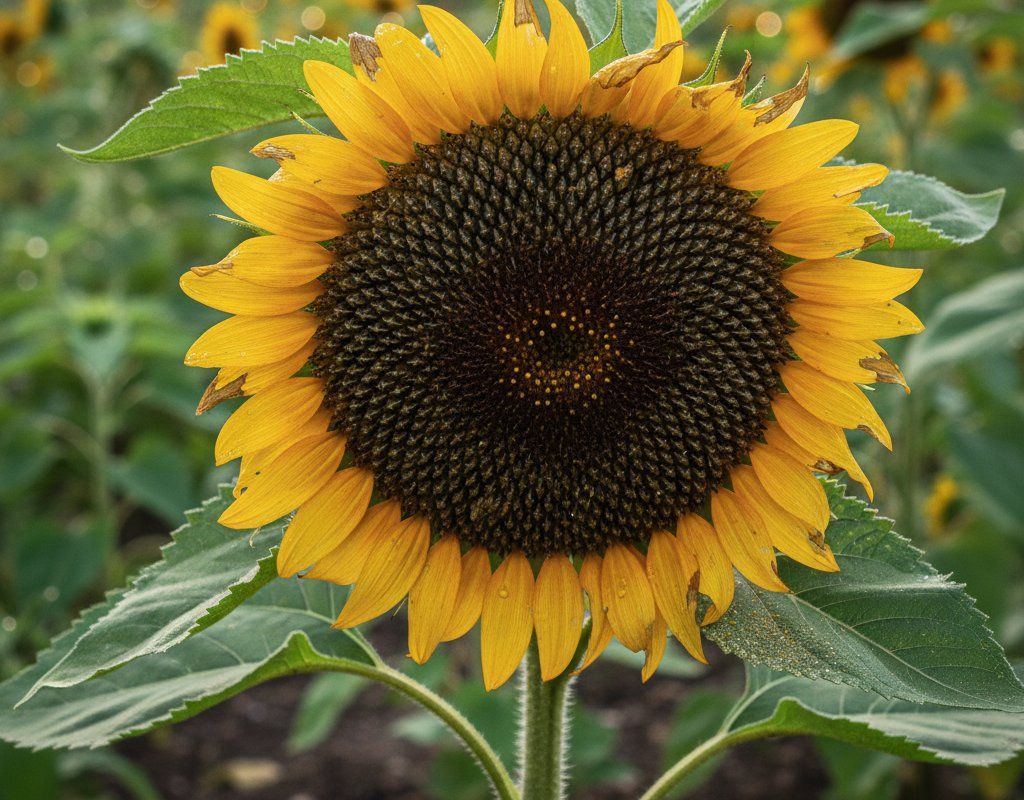
High heat and humidity can stress pollinators and affect pollen viability. Plant pollinator-attracting flowers like zinnias and sunflowers nearby. Hand-pollinate with a small brush early morning when flowers are fresh - pick a male flower, remove petals, and brush pollen onto female flowers (these have small fruits at the base). Avoid pesticides during flowering and provide shallow water sources for bees.
Gulf Coast Specific Challenges: Our extreme humidity creates perfect conditions for fungal diseases, while frequent flooding can waterlog roots and encourage rot. Hurricane season timing requires harvest flexibility, and the combination of heat stress plus high moisture can reduce pollinator activity during critical flowering periods.
Best Companions for Pumpkin
Plant these nearby for healthier Pumpkin and better harvests.

Keep Away From
Companion Planting Details
Plant pumpkins with corn and beans in the traditional "three sisters" method - corn provides natural trellising, beans fix nitrogen that pumpkins can use, and pumpkins' large leaves shade soil to retain moisture and suppress weeds. In our Gulf Coast heat, this soil shading is particularly valuable. Radishes planted around pumpkin hills help break up soil and may deter squash bugs.
Avoid planting pumpkins near potatoes since both are susceptible to similar fungal diseases, and our high humidity already increases disease pressure. The dense foliage created by both crops together reduces air circulation, creating perfect conditions for the powdery mildew and other fungi that thrive in our climate.
🌸Best Flowers to Plant with Pumpkin
These flowers protect your Pumpkin from pests and attract pollinators for better harvests.
For Pest Control




Get a Reminder When It's Time to Plant
We'll email you when key planting windows open for your zone.