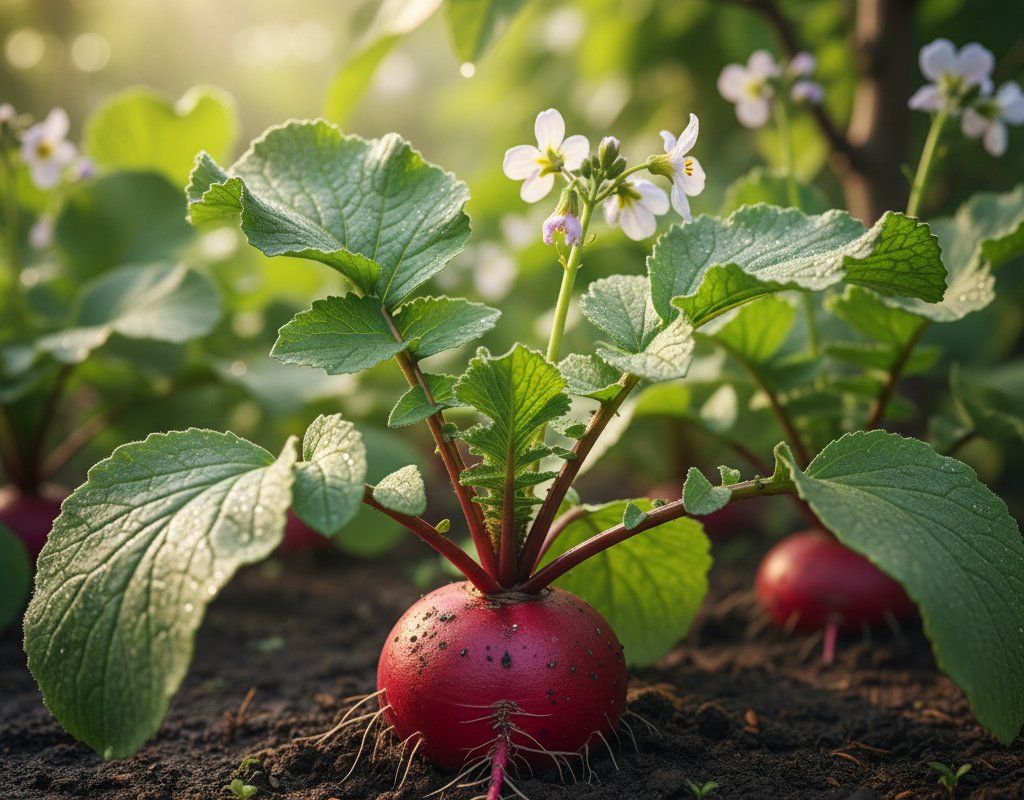
Radish in Zone 3A — Great Plains
Raphanus sativus · Your Complete 2026 Planting Guide
Planning Ahead — Great!
You’re ahead of the season. Here’s when to start.
Mark Your Calendar
How to Plant Radish in Zone 3A — Great Plains
Here are all your options for getting radish in the ground, from the easiest method to more advanced approaches.
Direct Sow Seeds
RecommendedLate April through early August
around April 27
Consider succession planting every 2-3 weeks for continuous harvest.
Fast-growing and easy. No reason to start indoors.
Buy Starts
Works WellLate April through early June
around April 27
Plant purchased starts after last frost (May 25).
Start Seeds Indoors
ChallengingThis plant is typically not started indoors.
Transplant Outdoors
Timing InfoLate April through early June
around April 27
Can tolerate light frost, but wait for soil to be workable.
You have a nice window — no need to rush.
Fall Planting
Mid July through mid August
July 30 ideal · Direct sow for fall harvest
Plant a second crop in mid-summer for fall harvest. Radish actually prefers the cooling temperatures of fall.
Overview
Radishes are perfect for our Great Plains climate – these fast-growing roots thrive in our intense sunshine and cooler spring and fall weather, giving you crisp, peppery vegetables in just 25 days. They're naturally suited to our prairie soil conditions and handle our temperature swings better than most vegetables, making them ideal for both beginning and experienced Plains gardeners.
With our 108-day growing season and unpredictable spring weather, radishes offer the perfect solution for getting something productive in the garden early. While our extreme weather swings and wind can challenge longer-season crops, radishes are in and out of the ground so quickly that timing your plantings right helps you sidestep most of our harsh Plains conditions.
Transplanting Outdoors
While you can transplant radish seedlings, there's honestly little reason to bother in our Plains climate. Radishes grow so quickly from seed – just 25 days to harvest – that direct sowing makes much more sense and avoids transplant shock.
If you do choose to transplant seedlings you've started indoors, plant them out from late April through early June after hardening them off for a week. Space transplants 2-4 inches apart in rows. Our late spring temperature swings can stress young transplants, so watch for sudden cold snaps or late freezes during this period.
Keep row covers handy during your first few weeks after transplanting – our Plains winds can be brutal on small plants, and unexpected temperature drops are common through early June.
Direct Sowing
Direct sowing is absolutely the way to go with radishes in our Great Plains climate. These fast-growing roots don't like root disturbance, and with our variable spring weather, it's easier to time successive sowings perfectly when you're planting directly in the garden.
Start your first sowings from late April through early August, planting new rows every 2-3 weeks for continuous harvest. Radishes prefer cool weather but handle our spring temperature swings well once established. Plant seeds ½ inch deep and 2-4 inches apart in loose, well-draining prairie soil. Our intense sunshine means you can even grow them in partial shade during the hottest summer months.
The key in our climate is timing your sowings to avoid the peak heat of midsummer. Spring plantings (late April through early June) and fall crops (mid-July through mid-August) perform best, taking advantage of our cooler temperatures and more reliable moisture.
Watering Radish in Zone 3A (Great Plains)
Consistent moisture is crucial for radishes in our Plains climate – these fast-growing roots need steady water to stay crisp and mild rather than turning pithy and fiery hot. With our variable rainfall patterns and hot summer temperatures averaging 93°F, you'll need to supplement natural precipitation most years.
Aim for about 1 inch of water per week, checking soil moisture with the finger test 2 inches deep. Our low-to-moderate humidity means soil dries out faster than in more humid regions, especially with our constant Plains winds. Water at the base of plants in the morning to reduce evaporation and prevent leaf diseases, though our dry climate makes overhead watering less risky than in humid areas.
Watch for signs of water stress carefully – drought-stressed radishes become woody, pithy, and unbearably hot rather than pleasantly peppery. Conversely, overwatering in our clay-rich prairie soils can cause roots to crack or rot. The short 25-day growing cycle means you only need to maintain consistent moisture for about a month per planting.
A light mulch of grass clippings helps retain soil moisture between our often-sporadic rainfall events, but keep it thin – our intense sunshine can cause thick mulches to heat up and stress these cool-season crops.
🧪Fertilizing Radish
Feeding Schedule
Organic Fertilizer Options
Harvest Time
Your first radishes will be ready from late May through mid-September, depending on when you planted. At just 25 days from seed to harvest, these are among the fastest vegetables you can grow in our short Plains season. You'll see the shoulders of spring radishes pushing above the soil surface when they're ready – pull them when they reach about 1 inch in diameter for the best flavor and texture.
Check your radishes daily once they start sizing up, as they can go from perfect to pithy quickly in our intense Plains sunshine and heat. Gently pull the entire plant or cut at soil level, then trim off the leaves immediately to prevent moisture loss. Morning harvest gives you the crispest roots since they've had all night to rehydrate after our hot, windy days.
Don't let radishes sit in the ground too long hoping they'll get bigger – oversized roots become woody and unpleasantly hot, especially during our summer heat waves. If you're growing fall crops, harvest becomes more urgent as our first frost approaches in early September. Unlike tomatoes or peppers, radishes won't continue ripening after harvest, so timing is everything.
For succession planting success in our climate, pull and replant every 2-3 weeks through the growing season, skipping the hottest part of summer (mid-June through mid-July) when roots tend to bolt or become too spicy to enjoy.
Common Problems in Zone 3A (Great Plains)
Flea Beetles Small round holes appearing like buckshot in your radish leaves signal flea beetles – tiny, dark jumping insects that can devastate young seedlings. You'll see the worst damage on plants smaller than 2 inches tall, and our windy Plains conditions can blow these pests in from neighboring fields or gardens. The beetles jump when disturbed, making them easy to identify.
These small jumping beetles thrive in our hot, dry Plains conditions and are particularly troublesome during late spring when young radish seedlings are most vulnerable. Our intense sunshine can stress young plants, making them even more susceptible to flea beetle damage.
Row covers provide the best protection during the critical first 2-3 weeks after emergence. Remove covers once plants reach 3-4 inches tall and can outgrow the damage. Kaolin clay sprayed on leaves creates a barrier that deters feeding, and our low humidity means it stays effective longer than in more humid regions.
Root Maggots White, legless maggots tunneling through your radish roots indicate root maggot infestation, often accompanied by wilting plants despite adequate moisture. These pests are particularly problematic in cool, moist conditions and can devastate entire plantings, especially spring crops in our variable Plains weather.
Root maggots thrive in the cool, moist conditions of early spring, and our unpredictable temperature swings create ideal conditions for multiple generations. Adult flies lay eggs at the base of plants during cool, overcast periods common in our Plains springs.
Time your plantings to avoid peak egg-laying periods – delay spring plantings until late May when soil warms consistently. Row covers during the vulnerable seedling stage provide excellent protection, and our windy conditions help keep adult flies from establishing. Crop rotation prevents buildup, and adding wood ash around plants can deter egg-laying flies.
Pithy Roots Radishes that look normal on the outside but have dry, woody, flavorless interiors have gone pithy – usually from inconsistent watering or leaving them in the ground too long. In our Plains climate with variable rainfall and intense heat, this is unfortunately common, especially during drought periods or when roots are stressed by temperature extremes.
Our hot, dry Plains conditions combined with variable rainfall create perfect conditions for pithy radishes. Drought stress, inconsistent watering, or simply leaving roots in the ground past maturity all contribute to this disappointing texture. Our intense sunshine can accelerate the problem during heat waves.
Maintain consistent soil moisture throughout the short growing period, mulching lightly to retain moisture between our sporadic rain events. Harvest promptly when roots reach 1 inch diameter rather than hoping for larger size. Plant successive crops every 2-3 weeks rather than trying to extend individual plantings through our harsh summer conditions.
Great Plains Specific Challenges: Our combination of intense sunshine, variable rainfall, and extreme temperature swings creates unique challenges for radishes. The key is working with our climate – planting during cooler periods, maintaining consistent moisture despite drought conditions, and harvesting quickly before our heat waves can stress the roots into becoming pithy and unpalatable.
Best Companions for Radish
Plant these nearby for healthier Radish and better harvests.


Keep Away From
Companion Planting Details
Radishes make excellent companion plants in our Plains gardens, particularly when paired with slower-growing crops that benefit from the radishes' quick soil cultivation and pest-deterrent properties. Plant them with carrots – the radishes break up compacted prairie soil and are harvested long before carrots need the space. Lettuce appreciates the light shade radishes provide during our intense Plains sunshine, while peas fix nitrogen that benefits both crops in our often nutrient-hungry soils.
Cucumbers and radishes work well together since radishes mature and are gone before cucumber vines start sprawling, and radishes can help deter cucumber beetles. Avoid planting near hyssop, which can stunt radish growth and affect flavor. Our windy Plains conditions make interplanting especially valuable – the mixed plantings help break up wind patterns and create beneficial microclimates for both crops.
🌸Best Flowers to Plant with Radish
These flowers protect your Radish from pests and attract pollinators for better harvests.



Get a Reminder When It's Time to Plant
We'll email you when key planting windows open for your zone.