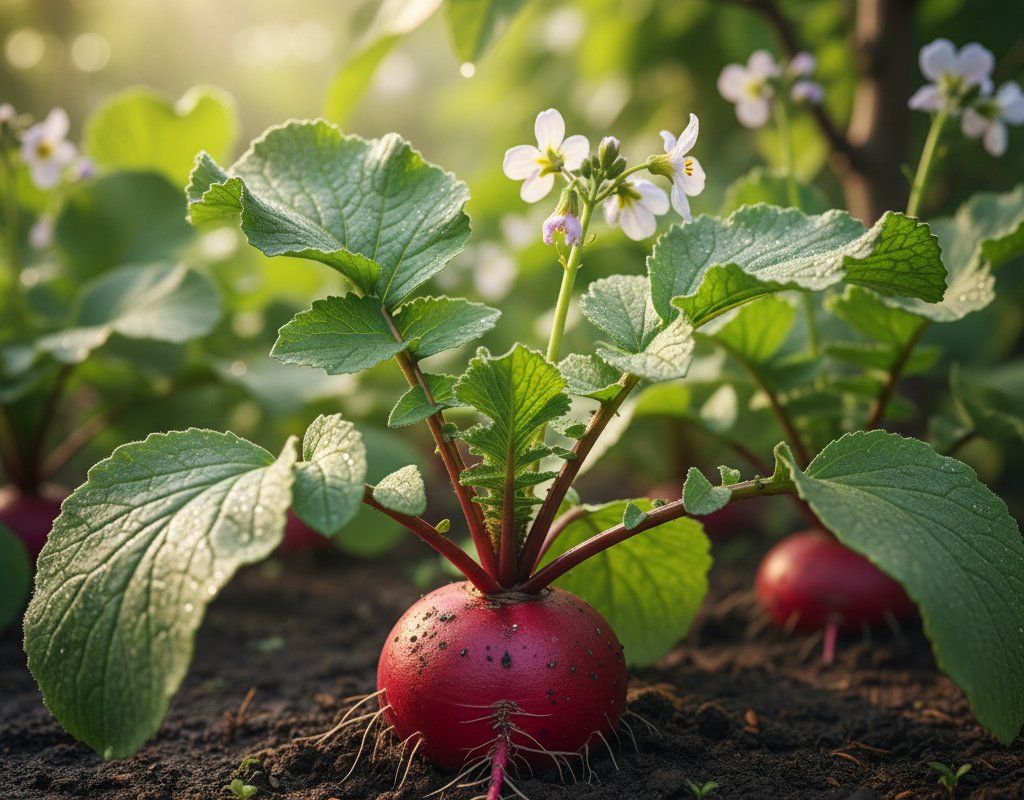
Radish in Zone 3B — Midwest
Raphanus sativus · Your Complete 2026 Planting Guide
Planning Ahead — Great!
You’re ahead of the season. Here’s when to start.
Mark Your Calendar
How to Plant Radish in Zone 3B — Midwest
Here are all your options for getting radish in the ground, from the easiest method to more advanced approaches.
Direct Sow Seeds
RecommendedLate April through early August
around April 22
Consider succession planting every 2-3 weeks for continuous harvest.
Fast-growing and easy. No reason to start indoors.
Buy Starts
Works WellLate April through early June
around April 22
Plant purchased starts after last frost (May 20).
Start Seeds Indoors
ChallengingThis plant is typically not started indoors.
Transplant Outdoors
Timing InfoLate April through early June
around April 22
Can tolerate light frost, but wait for soil to be workable.
You have a nice window — no need to rush.
Fall Planting
Late July through mid August
August 4 ideal · Direct sow for fall harvest
Plant a second crop in mid-summer for fall harvest. Radish actually prefers the cooling temperatures of fall.
Overview
Radishes are the perfect gateway crop for Midwest gardeners, delivering crisp, peppery satisfaction in just 25 days from seed to table. Our fertile prairie soil and reliable spring rains create ideal conditions for these fast-growing roots, while their hardy nature means you can plant them before Memorial Day and keep succession planting through summer heat spells. Whether you're growing classic Cherry Belles or trying French Breakfast types, radishes thrive in our moderate-to-humid summers and give you multiple harvests within our 118-day growing season.
While our variable spring weather and occasional summer scorchers can challenge longer-season crops, radishes work with Midwest timing perfectly. Their quick turnaround means you can plant around late frost dates and harvest before the heat really kicks in, then plant again for fall crops that mature before our mid-September first frost arrives.
Transplanting Outdoors
Radishes are rarely transplanted since they grow so quickly from direct-sown seed, but if you have seedlings from an indoor planting, you can move them outside from late April through early June. Handle the delicate taproots carefully – any damage will cause forked or stunted roots.
Harden off transplants gradually over a week, starting with a few hours of morning sun and building up to full outdoor exposure. Plant them 2-4 inches apart in prepared soil, being extra gentle with the root system. Water well after transplanting and watch for late frost warnings – while radishes are quite hardy, tender transplants need protection if temperatures drop below 28°F.
Direct Sowing
Direct sowing is absolutely the way to go with radishes – they're fast, easy, and don't need the fuss of indoor starting. You can begin planting in late April once soil can be worked, even if night temperatures still dip into the 30s. Our clay soil needs to be broken up well first; work in compost to improve drainage and create the loose texture radishes need for proper root development.
Sow seeds ¼ to ½ inch deep and 2-4 inches apart in rows or scatter them in blocks. The soil temperature should be at least 40°F, which usually happens by late April in our region. For continuous harvest, plant new rows every 2-3 weeks through early August – this gives you fresh radishes right up until first frost in mid-September.
Keep the seedbed consistently moist until germination, which happens in just 4-7 days. Thin seedlings if they're crowded, giving each plant room to develop a proper bulb. The beauty of radishes is their speed – you'll be harvesting before most other crops even get established.
Watering Radish in Zone 3B (Midwest)
Radishes need consistent, even moisture to develop crisp, mild roots – let them dry out and you'll get woody, fiery-hot bulbs that nobody wants to eat. In our moderate-to-humid Midwest climate with 30-40 inches of annual rainfall, you'll typically need to supplement natural precipitation, especially during summer heat spells when temperatures climb into the upper 80s.
Check soil moisture by pushing your finger 2 inches deep near the plants. If it feels dry at that depth, it's time to water. Generally, radishes need about 1 inch of water per week, including rainfall. During our wet spring periods, you might not need to water at all, but keep monitoring as weather patterns shift.
Water at soil level rather than overhead to avoid promoting leaf diseases in our moderate-to-humid conditions. A soaker hose or watering can aimed at the base works perfectly for these shallow-rooted crops. Signs of underwatering include wilted leaves and small, pungent roots, while overwatering causes leaf yellowing and root rot.
Apply a thin layer of straw mulch around plants to retain moisture and keep soil temperatures stable during summer heat spells. Since radishes mature so quickly, this simple moisture management keeps them growing steadily through their brief 25-day lifecycle.
🧪Fertilizing Radish
Feeding Schedule
Organic Fertilizer Options
Harvest Time
Your first radish harvest typically starts in mid-May if you planted in late April, continuing through late September with succession plantings. At 25 days from sowing, start checking for harvest readiness by looking for shoulders pushing above the soil surface – this tells you the bulbs are sizing up properly.
Pull radishes when they reach about 1 inch in diameter for spring types, or follow variety-specific sizing on your seed packet. Gently brush soil away from the top to check size without disturbing the root. The perfect radish has smooth, firm skin and pulls easily from our fertile Midwest soil with a gentle tug.
Don't leave radishes in the ground too long thinking they'll get bigger and better – they become woody, hollow, and increasingly hot as they age. Summer heat spells accelerate this process, so harvest promptly once they reach size. Pull the entire plant, trim off leaves leaving about an inch of stem, and store in the refrigerator.
As first frost approaches in mid-September, harvest any remaining fall-planted radishes. Unlike some root crops, radishes don't improve with cold weather and won't survive our harsh winters, so clean them all out before the growing season ends.
Common Problems in Zone 3B (Midwest)
Flea Beetles Small round holes scattered across radish leaves like someone used them for target practice indicate flea beetle damage. These tiny dark beetles jump like fleas when disturbed and can quickly defoliate young seedlings. They're particularly troublesome during our variable spring weather when plants are most vulnerable.
Row covers during the first few weeks protect seedlings when they're most susceptible. You can also delay planting until Memorial Day when plants establish faster and outgrow the damage. Kaolin clay sprayed on leaves creates a barrier that deters feeding, and interplanting with basil or catnip helps repel these pests naturally.
Root Maggots Yellowing, wilted plants that pull up easily often reveal white, rice-sized maggots feeding on the roots. These are the larvae of root maggot flies that lay eggs near the soil surface around brassica family plants. Our cool, moist spring conditions in clay soil create perfect conditions for these pests.
Prevent problems by covering newly planted areas with row covers to block egg-laying flies. Avoid planting radishes where other brassicas grew the previous year, and improve soil drainage since maggots thrive in wet conditions. Yellow sticky traps placed near ground level catch adult flies before they reproduce.
Pithy Roots Radishes that look normal on the outside but have dry, cottony centers instead of crisp flesh result from irregular watering or leaving them in the ground too long. Summer heat spells in our region accelerate this problem, especially when followed by drought stress.
Maintain consistent soil moisture throughout the growing period and harvest promptly at maturity. Plant smaller, more frequent successions rather than large plantings that might sit too long. Choose heat-tolerant varieties for summer plantings and provide light shade during extreme heat.
Midwest Specific Challenges Our moderate-to-hot summers with moderate-to-humid conditions create ideal environments for both fungal diseases and pest reproduction. The combination of wet spring weather followed by summer heat spells means timing your plantings and maintaining consistent care becomes especially important for this fast-growing crop.
Best Companions for Radish
Plant these nearby for healthier Radish and better harvests.

Keep Away From
Companion Planting Details
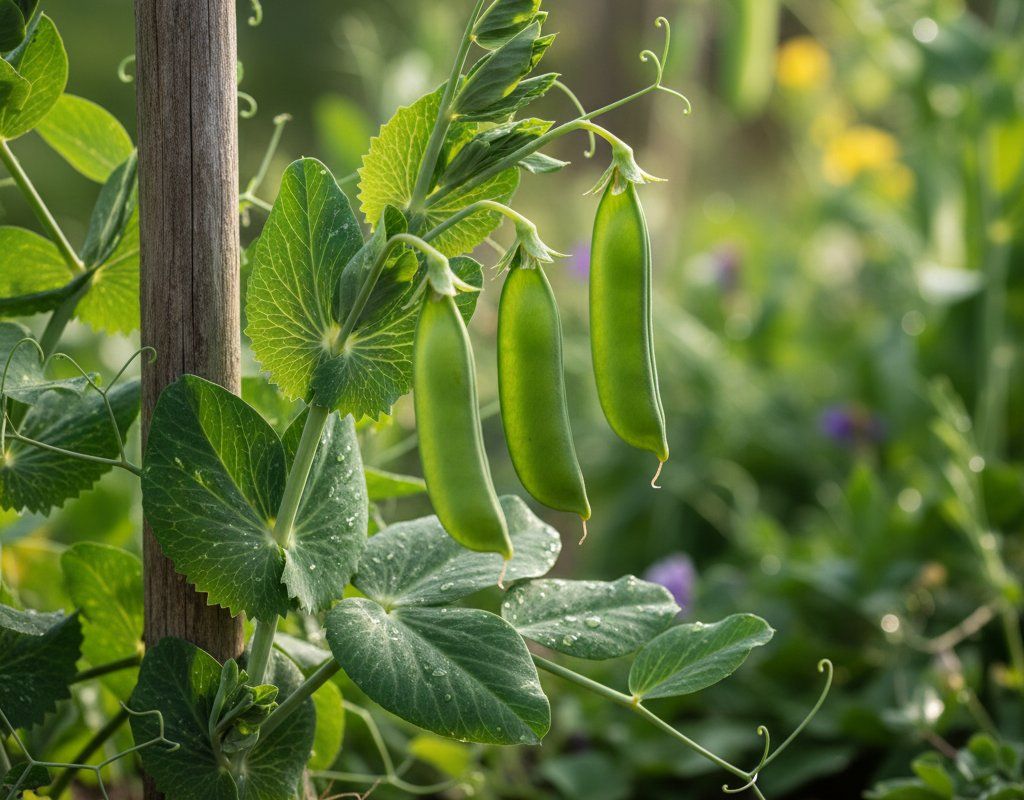
Radishes make excellent companions for carrots since they germinate quickly and mark the rows while slow-germinating carrot seeds are still coming up. Plant them together and harvest radishes just as carrots need the extra space. Lettuce and radishes share similar growing requirements and harvest timing, making them natural partners in spring and fall plantings.
Peas and radishes work well together because peas fix nitrogen in the soil that benefits the radishes, while radishes help break up clay soil for pea roots. Cucumbers appreciate having radishes nearby since radish roots help improve soil structure in our heavy Midwest soils. Avoid planting radishes near hyssop, which can stunt their growth and affect flavor development.
🌸Best Flowers to Plant with Radish
These flowers protect your Radish from pests and attract pollinators for better harvests.



Get a Reminder When It's Time to Plant
We'll email you when key planting windows open for your zone.