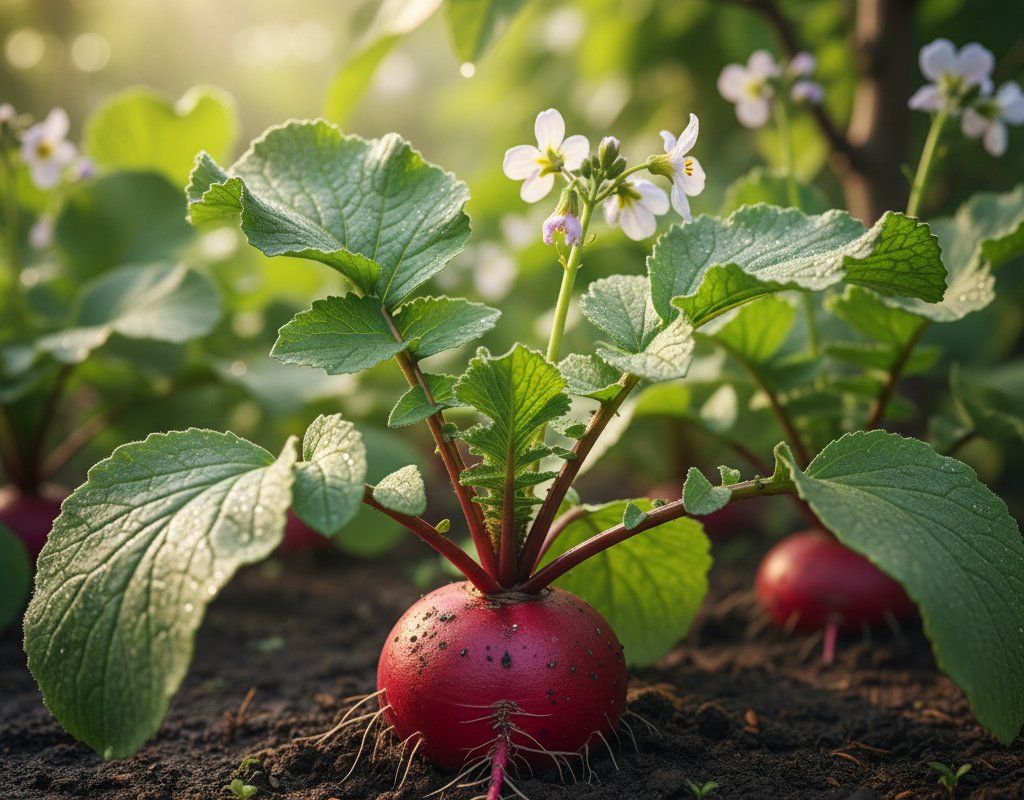
Radish in Zone 4B — Midwest
Raphanus sativus · Your Complete 2026 Planting Guide
Planning Ahead — Great!
You’re ahead of the season. Here’s when to start.
Mark Your Calendar
How to Plant Radish in Zone 4B — Midwest
Here are all your options for getting radish in the ground, from the easiest method to more advanced approaches.
Direct Sow Seeds
RecommendedMid April through mid August
around April 12
Consider succession planting every 2-3 weeks for continuous harvest.
Fast-growing and easy. No reason to start indoors.
Buy Starts
Works WellMid April through late May
around April 12
Plant purchased starts after last frost (May 10).
Start Seeds Indoors
ChallengingThis plant is typically not started indoors.
Transplant Outdoors
Timing InfoMid April through late May
around April 12
Can tolerate light frost, but wait for soil to be workable.
You have a nice window — no need to rush.
Fall Planting
Late July through late August
August 14 ideal · Direct sow for fall harvest
Plant a second crop in mid-summer for fall harvest. Radish actually prefers the cooling temperatures of fall.
Overview
Radishes are the perfect gateway crop for Midwest gardeners, offering that satisfying crunch and peppery bite that store-bought versions just can't match. In our Zone 4B climate, these fast-growing roots thrive in the cool, moist conditions of spring and fall, taking full advantage of our fertile soil and reliable rainfall patterns. You'll have crisp, homegrown radishes on your table in just 25 days – faster than most vegetables can even germinate.
While our Midwest weather can throw some curveballs with late spring frosts and summer heat spells, radishes are remarkably forgiving and actually prefer the temperature swings that define our 138-day growing season. Plant them early when the soil barely warms, then again in late summer when the heat starts breaking, and you'll enjoy two excellent harvests that bookend our sometimes unpredictable growing season.
Transplanting Outdoors
Radishes rarely need transplanting since they're so quick and easy from seed, but if you've started them indoors or want to move seedlings, you can transplant from mid-April through late May. Start hardening them off with a full week of gradual outdoor exposure – even though radishes handle cold well, the transition from indoor warmth to our variable spring temperatures needs to be gradual.
Space your transplants 2-4 inches apart in rows, giving them room to develop those plump roots. The biggest challenge during transplant time in the Midwest is our unpredictable spring weather – you might face a warm spell followed by a surprise frost, so keep row covers handy for protection during those first few weeks outdoors.
Since radishes have such a short growing season and prefer cool soil anyway, direct seeding is usually the better choice for our climate. Save your indoor growing space for plants that really need the head start.
Direct Sowing
Direct sowing is definitely the way to go with radishes in our Midwest gardens. You can start planting from mid-April when the soil is workable, even if it's still quite cool – radishes actually prefer soil temperatures around 45-65°F, which matches our spring conditions perfectly. Keep sowing every 2-3 weeks through mid-August for continuous harvests, skipping the hottest part of summer when they'll bolt quickly.
Work some compost into your planting area if your soil is heavy clay, which many of us deal with here in the Midwest. Plant seeds about half an inch deep and 2-4 inches apart – resist the urge to plant them closer since overcrowding leads to all leaves and no roots. The seeds are large enough to handle easily, making this a great crop for beginning gardeners or kids to plant.
Your spring plantings will be ready by early May, just when you're craving fresh vegetables from the garden. The fall crop, planted in late July through August, often produces the best radishes since they mature in the cool, moist conditions of early autumn – perfect timing for our first frost around late September.
Watering Radish in Zone 4B (Midwest)
Radishes need consistent moisture throughout their short 25-day growing season, and here in the Midwest, our moderate-to-humid summers with 30-40 inches of annual rainfall usually provide good baseline moisture. However, you can't rely entirely on our sometimes erratic rainfall patterns, especially during summer heat spells when temperatures climb into the upper 80s and beyond.
Check soil moisture with the finger test – stick your finger 2 inches down, and if it's dry, it's time to water. During typical Midwest spring weather, natural rainfall often covers most of their water needs, but summer plantings usually need about an inch of water per week. Water at soil level rather than overhead, since our moderate-to-humid conditions can encourage leaf diseases when foliage stays wet too long.
The biggest mistake with radish watering is inconsistency – let them dry out and get stressed, and you'll end up with pithy, fiery-hot roots instead of the crisp, mild radishes you're after. This is especially important during our summer heat spells when the soil can dry out quickly between rainstorms.
A light layer of grass clippings or shredded leaves as mulch helps maintain that even moisture radishes crave, while also keeping weeds at bay during their short but important growing period. Since they're harvested so quickly, you won't need an elaborate watering system – just consistent attention for about a month.
🧪Fertilizing Radish
Feeding Schedule
Organic Fertilizer Options
Harvest Time
Your first radishes will be ready for harvest from early May through early October, depending on when you planted them. Spring radishes planted in mid-April are typically ready by early May, while your late summer plantings mature in September, just before our first frost hits in late September.
Watch for the radish shoulders to push above the soil surface – this is your cue that they're sizing up nicely. Most spring varieties are perfect when they reach about 1 inch in diameter, though some smaller salad types can be harvested even younger. Don't leave them in the ground too long thinking they'll get bigger and better – radishes past their prime become woody and unpleasantly hot.
Pull them straight up with a gentle twist, brushing off the soil to check their size and condition. The greens are edible too, with a pleasant peppery flavor that works well in salads or stir-fries. If you planted them properly spaced at 2-4 inches apart, harvesting some early gives the remaining radishes more room to develop.
As our first frost approaches in late September, harvest any remaining fall radishes even if they're slightly smaller than ideal. Unlike some root crops that can handle a light frost, radishes are better harvested before freezing weather hits and stored in the refrigerator where they'll keep for several weeks with their tops removed.
Common Problems in Zone 4B (Midwest)
Flea beetles are probably the most common pest you'll encounter with radishes in our Midwest gardens. These tiny, dark beetles create characteristic round holes in the leaves that look like someone used a shotgun on your plants – hence the "shot-hole" pattern. They jump when disturbed and can quickly damage young seedlings, especially during warm spells in late spring.
The beetles thrive in our variable spring weather, emerging when soil temperatures warm up but before natural predators are fully active. Row covers work exceptionally well for protecting young radish seedlings during their most vulnerable first few weeks. You can also time your plantings to avoid the worst beetle pressure – they're usually most active in late May through June, so early spring or late summer plantings often escape the worst damage.
Root maggots tunnel into developing radish roots, creating brown trails and ruining your harvest completely. These are the larvae of small flies that lay eggs in the soil around brassica family plants, and they're particularly troublesome during cool, wet periods that are common in our Midwest springs. You'll see wilting plants or discover the damage when you harvest – by then it's too late for that crop, but you can prevent future problems by rotating your plantings and using row covers during egg-laying periods.
Pithy roots aren't caused by pests but by growing conditions – specifically inconsistent watering or letting radishes grow too long in warm weather. During our summer heat spells, radishes can go from perfect to pithy in just a few days, developing dry, spongy centers instead of crisp, juicy flesh. This is why timing is so crucial in our climate – plant them to mature during cooler weather, and maintain consistent soil moisture even when our rainfall patterns get unpredictable.
Best Companions for Radish
Plant these nearby for healthier Radish and better harvests.

Keep Away From
Companion Planting Details
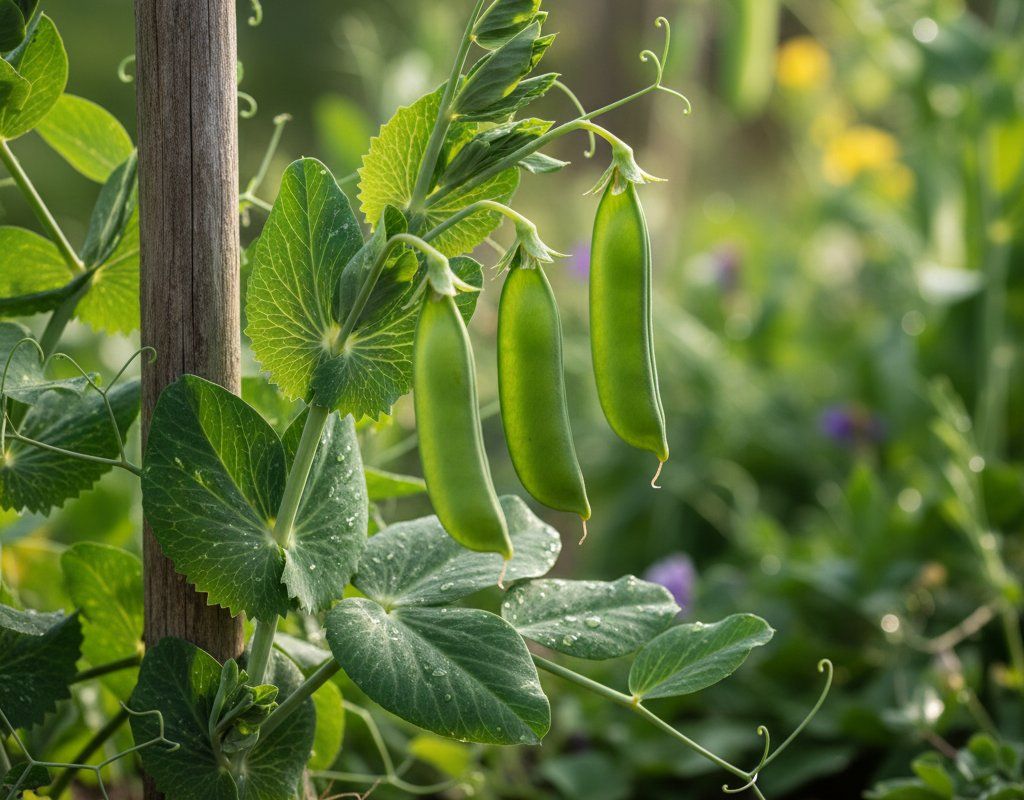
Radishes make excellent companions for carrots in Midwest gardens since they mature quickly and help break up clay soil for the slower-developing carrots. Plant them together and harvest the radishes just as the carrots need more space – it's like getting two crops from the same area. Lettuce and peas also work well since they all prefer the cool conditions of our spring and fall seasons, and the radishes can help mark rows of slow-germinating seeds.
Avoid planting radishes near hyssop, which can inhibit their growth and affect their flavor. Cucumbers make good neighbors since they appreciate the soil loosening that radish roots provide, plus their growing seasons align well with our Midwest planting schedule – radishes finish just as cucumber vines start spreading out and needing more space.
🌸Best Flowers to Plant with Radish
These flowers protect your Radish from pests and attract pollinators for better harvests.



Get a Reminder When It's Time to Plant
We'll email you when key planting windows open for your zone.