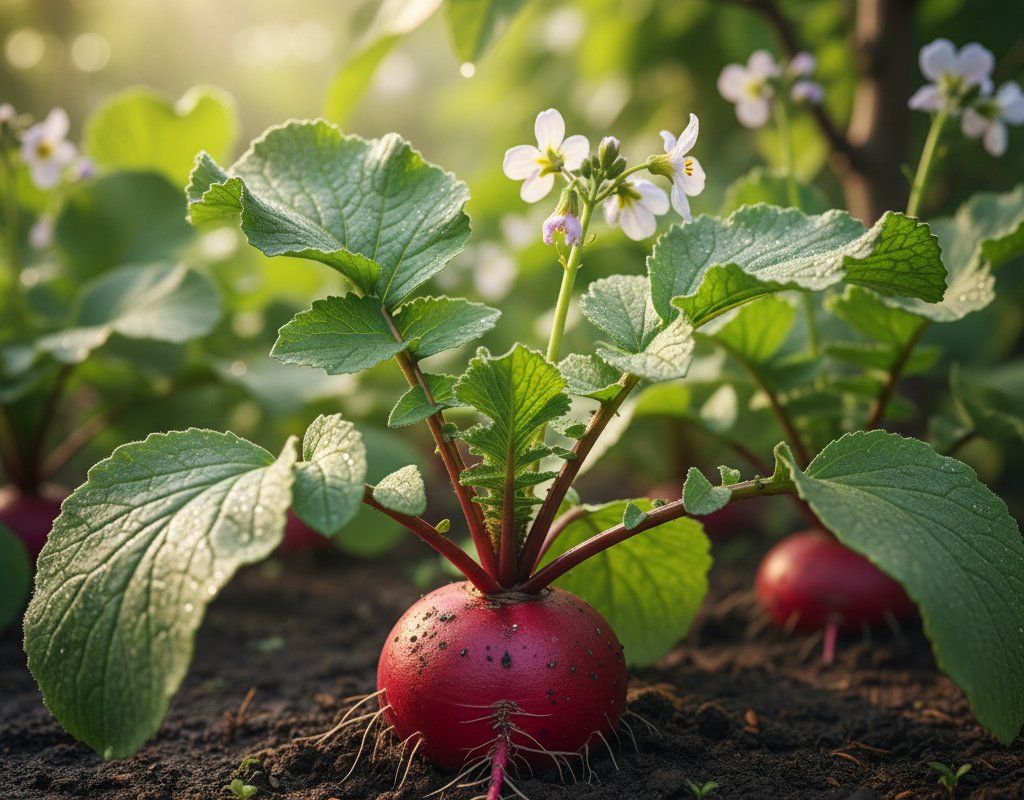
Radish in Zone 6A — Mid-Atlantic
Raphanus sativus · Your Complete 2026 Planting Guide
Planning Ahead — Great!
You’re ahead of the season. Here’s when to start.
Mark Your Calendar
How to Plant Radish in Zone 6A — Mid-Atlantic
Here are all your options for getting radish in the ground, from the easiest method to more advanced approaches.
Direct Sow Seeds
RecommendedMid March through mid September
around March 18
Consider succession planting every 2-3 weeks for continuous harvest.
Fast-growing and easy. No reason to start indoors.
Buy Starts
Works WellMid March through late April
around March 18
Plant purchased starts after last frost (April 15).
Start Seeds Indoors
ChallengingThis plant is typically not started indoors.
Transplant Outdoors
Timing InfoMid March through late April
around March 18
Can tolerate light frost, but wait for soil to be workable.
You have a nice window — no need to rush.
Fall Planting
Late August through late September
September 8 ideal · Direct sow for fall harvest
Plant a second crop in mid-summer for fall harvest. Radish actually prefers the cooling temperatures of fall.
Overview
Radishes are the perfect entry point for Mid-Atlantic gardeners who want quick satisfaction from their plots. In our humid summers and variable spring weather, these fast-growing roots deliver crisp, peppery harvests in just 25 days – faster than almost anything else you can grow. They thrive in our four seasons, from early spring plantings that beat the summer heat to fall crops that sweeten with the first cool nights.
Our 188-day growing season gives you multiple opportunities to succeed with radishes, even if deer browse your first planting or Japanese beetles damage the leaves. The key is timing your sowings to work with our climate rather than against it – spring radishes before the humid heat sets in, and fall crops when temperatures start to moderate.
Transplanting Outdoors
While radishes can be transplanted, there's really no need in the Mid-Atlantic since they grow so quickly from direct seeding. If you do have seedlings to transplant, you can move them outdoors from mid-March through late April once the soil workable.
Harden off transplants gradually over a week, starting with just a few hours of morning sun and building up to full days outdoors. Plant them 2-4 inches apart in prepared soil. Watch for those variable spring weather patterns we're known for – a warm spell followed by a cold snap can stress young transplants.
The main challenge with transplanting radishes is their taproot doesn't like disturbance. You'll get much better results with direct seeding, which is why most Mid-Atlantic gardeners skip the transplant step entirely.
Direct Sowing
Direct sowing is absolutely the way to go with radishes in the Mid-Atlantic. You can sow from mid-March through mid-September, giving you multiple chances throughout our growing season. Start as soon as your soil is workable in spring – radishes handle light frost just fine.
Plant seeds ½ inch deep and 2-4 inches apart in loose, well-draining soil. If you're dealing with our typical clay soil, work in some compost first to improve drainage. The soil temperature should be at least 40°F, which usually happens by mid-March in our zone.
For continuous harvests, sow small batches every 2-3 weeks from spring through early fall. Skip the hottest part of summer (July and early August) when radishes tend to bolt quickly in our humid heat. Resume planting in late August for sweet, crisp fall radishes that actually improve with cool weather.
Watering Radish in Zone 6A (Mid-Atlantic)
Radishes need consistent moisture to develop those crisp, mild roots we're after. In the Mid-Atlantic's humid climate with our reliable 40-50 inches of annual rainfall, you'll find that spring and fall plantings often need minimal supplemental watering. However, don't let that fool you into neglecting them completely.
Check soil moisture using the finger test – stick your finger 2 inches down, and if it feels dry, it's time to water. During our moderate-to-hot summers, plan on about an inch of water per week, including rainfall. Water at the base of the plants rather than overhead to reduce disease issues in our humid conditions.
Watch for signs of drought stress: hot, woody, or pithy roots instead of the crisp, sweet ones you want. Inconsistent watering – wet, then dry, then wet again – causes radishes to split or become overly pungent. With their 25-day maturity, you can't afford to stress them for long.
A thin layer of mulch helps maintain even moisture and keeps the soil cool during warm spells, but don't pile it too thick around these quick-growing crops. Pull back mulch slightly as the radish shoulders start pushing up through the soil surface.
🧪Fertilizing Radish
Feeding Schedule
Organic Fertilizer Options
Harvest Time
Your first radishes will be ready from mid-April through late October, depending on when you planted. With their 25-day maturity, spring sowings planted in mid-March give you harvestable roots by mid-April, perfect timing to beat our summer heat.
Look for the shoulders of the radish pushing up above the soil surface – that's your cue that they're sizing up nicely. Pull a test radish when it reaches about 1 inch in diameter for standard globe types. The root should feel firm and the skin should be taut without cracks or soft spots.
Harvest by grasping the greens close to the root and pulling straight up with a gentle twisting motion. If the soil is hard from dry weather, water first or use a fork to loosen around the root. Don't leave radishes in the ground too long – they become woody and unpalatable quickly, especially in our warm spring weather.
As we approach our typical mid-October first frost, harvest any remaining fall radishes. While they can handle light frost, a hard freeze will damage the roots. The good news is fall radishes grown in cooling weather are often the sweetest and most crisp of the season.
Common Problems in Zone 6A (Mid-Atlantic)
Flea Beetles Small, round holes that look like buckshot damage on the leaves indicate flea beetles – tiny dark beetles that jump when you disturb the plants. This damage is most severe on young seedlings and can stunt growth significantly in our variable spring weather when plants are already stressed.
These jumping beetles thrive in the warm, humid conditions that arrive with our Mid-Atlantic springs. The damage looks worse than it usually is, but heavy infestations can kill seedlings. Cover young plants with row covers during the vulnerable first 2-3 weeks, or delay planting until plants can grow larger before the beetles become active. Interplanting with basil seems to help deter them naturally.
Root Maggots White, worm-like larvae tunneling through your radish roots signal cabbage root maggots, which target all brassica crops. The adult flies lay eggs at the base of plants in spring, and the resulting maggots feed on the developing roots, leaving brown tunnels and rotted areas.
This problem is worse in cool, moist conditions – exactly what we often have during Mid-Atlantic springs. The flies are attracted to freshly worked soil and recently planted brassicas. Use row covers immediately after planting to prevent the adult flies from laying eggs. Delay planting until soil warms up more, or apply beneficial nematodes to the soil to attack the larvae stage.
Pithy Roots Dry, spongy, or hollow centers in your radishes instead of crisp, solid flesh usually results from inconsistent watering or leaving them in the ground too long. Hot weather combined with dry soil triggers this problem quickly with fast-growing crops like radishes.
Our humid summers can be deceiving – the air feels moist, but the soil may be drying out faster than you realize. Check soil moisture regularly during warm spells, and harvest radishes promptly when they reach maturity. Once they start getting pithy, there's no fixing them. Plant smaller, more frequent successions so you're not tempted to leave them too long.
Mid-Atlantic Specific Challenges: Our combination of variable spring weather, humid summers, and clay soils creates perfect conditions for fungal diseases and root problems. The key is maintaining consistent soil moisture without waterlogging, especially challenging in heavy clay that drains poorly after our frequent spring rains.
Best Companions for Radish
Plant these nearby for healthier Radish and better harvests.


Keep Away From
Companion Planting Details
Plant radishes with carrots, lettuce, and peas for a productive early season combination. Radishes break up compacted soil with their taproots, making it easier for carrots to develop straight roots in our often heavy clay soils. They also mature quickly, clearing space just as lettuce needs room to spread and before peas start their vertical climb.
Cucumbers make excellent summer companions since radishes will be finished and out of the way before cucumbers need the space to sprawl. The quick radish harvest helps you make the most of garden real estate during our productive growing season. Avoid planting radishes near hyssop, which can inhibit their growth and affect their flavor development.
🌸Best Flowers to Plant with Radish
These flowers protect your Radish from pests and attract pollinators for better harvests.



Get a Reminder When It's Time to Plant
We'll email you when key planting windows open for your zone.