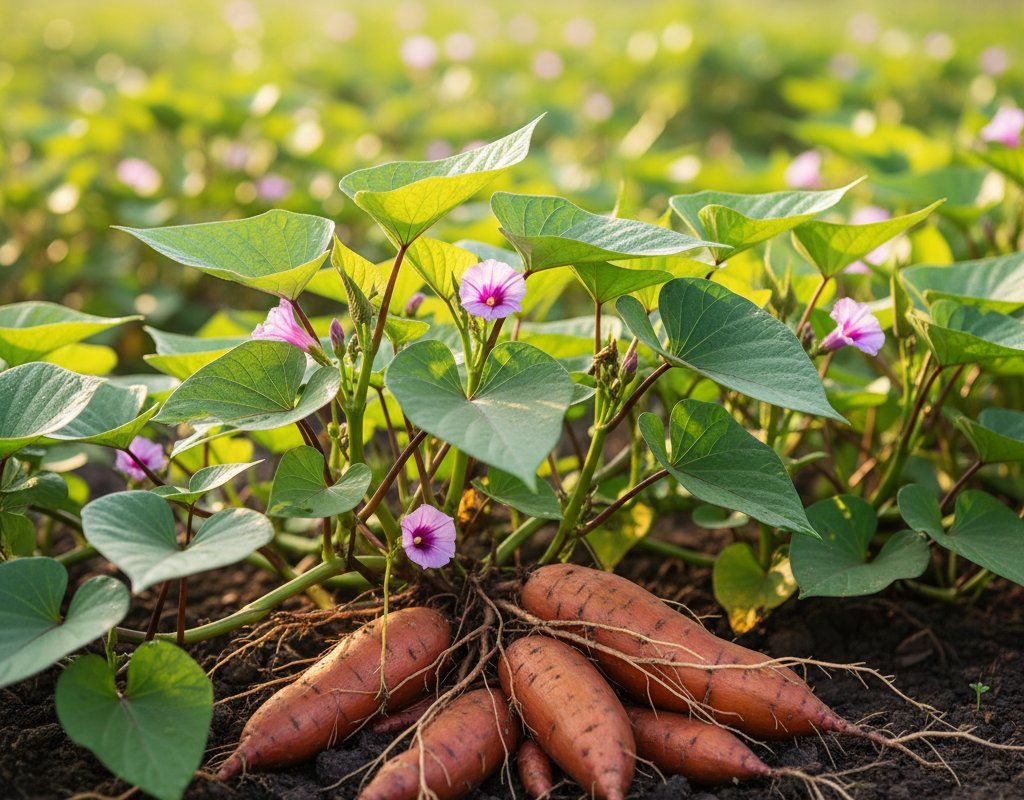
Sweet Potato in Zone 6B — Texas
Ipomoea batatas · Your Complete 2026 Planting Guide
Missed Seed Starting? No Problem!
Wait for starts to become available.
What to Do
Starts will be available at nurseries in 42 days (around April 15).
How to Plant Sweet Potato in Zone 6B — Texas
Here are all your options for getting sweet potato in the ground, from the easiest method to more advanced approaches.
Buy Starts
RecommendedMid April through early May
around April 15
Plant purchased starts after last frost (March 25).
Plant slips (rooted sprouts) after soil is warm. Buy slips or grow your own from a sweet potato.
Start Seeds Indoors
Works WellMid February through early March
around February 18
Then transplant: Mid April through early May
Start seeds 8-10 weeks before transplanting outdoors.
Direct Sow Seeds
ChallengingDirect sowing is not typical for Sweet Potato.
Transplant Outdoors
Timing InfoMid April through early May
around April 15
Wait until nighttime temperatures stay above 50°F.
Plan to transplant within a few weeks of your target date.
Overview
Sweet potatoes thrive in Texas's long growing season, giving you nutrient-dense tubers that store well through winter. The vines spread beautifully as ground cover, and you'll appreciate having homegrown sweet potatoes for everything from roasted sides to sweet potato pie. With our 230-day growing season, you have plenty of time to grow substantial tubers that beat anything from the grocery store.
The Texas heat that challenges many crops actually works in sweet potatoes' favor once they're established. While our unpredictable spring weather and potential late freezes require careful timing, starting slips indoors and transplanting after the soil warms gives you the best chance of success before our brutal summer peaks.
Starting Seeds Indoors
You can start sweet potato seeds indoors, but most Texas gardeners find it easier to buy slips or grow them from store-bought sweet potatoes. If you're starting from seed, begin mid-February through early March, about 8 weeks before you plan to transplant. Sweet potato seeds need consistent warmth (75-80°F) to germinate well.
Set up your seed trays in a warm spot with good light once seedlings emerge. Use bottom watering to keep the soil consistently moist but not waterlogged. Given our early spring character in Texas, you'll want these plants ready to move outside as soon as the soil warms in mid to late April.
The more common approach is growing slips from sweet potatoes. Place a sweet potato in a jar of water, toothpick-supported, and wait for shoots to emerge. These rooted shoots become your transplants.
Transplanting Outdoors
Transplant your sweet potato slips outdoors from mid-April through early May, after soil temperatures reach at least 60°F consistently. The key is waiting until nighttime temperatures stay above 55°F, as sweet potatoes are extremely tender and any cold will set them back significantly.
Harden off your slips gradually over a week, starting with just a few hours of outdoor exposure. Space them 12-18 inches apart in loose, well-draining soil. Sweet potatoes prefer slightly acidic to neutral soil and need room for their vines to spread.
Watch the weather carefully during transplant season - those late April cold snaps that sometimes surprise us can damage or kill young plants. Have row covers ready if temperatures threaten to drop unexpectedly. Once established and the Texas heat kicks in, these plants will take off rapidly.
Watering Sweet Potato in Zone 6B (Texas)
Sweet potatoes need moderate water to get established, but they're surprisingly drought-tolerant once their root systems develop. During the first month after transplanting, water consistently to help the slips establish strong roots. After that, they can handle our variable Texas rainfall patterns better than many crops.
Water deeply when the top 2 inches of soil feel dry to your finger test. During our hottest months, this might mean watering twice a week, providing about 1 inch total. Water at the base of plants rather than overhead - the variable humidity in Texas can promote fungal issues if leaves stay wet too long.
The trick with sweet potatoes is consistency rather than frequency. Our unpredictable rainfall from flash floods to drought can stress the plants, so mulching helps maintain even soil moisture. Reduce watering about 3-4 weeks before your planned harvest to concentrate sugars in the tubers and prevent them from becoming waterlogged.
Signs of overwatering include yellowing leaves and poor tuber development, while underwatered plants wilt dramatically and produce smaller yields. In our extreme heat, some afternoon wilting is normal, but plants should perk up by evening with adequate soil moisture.
🧪Fertilizing Sweet Potato
Feeding Schedule
Organic Fertilizer Options
Harvest Time
Your first sweet potatoes will be ready from late July through early September, about 100 days after transplanting. Unlike many crops, sweet potatoes don't give obvious above-ground signals when they're ready - you'll need to do some gentle digging to check tuber size.
Start checking by carefully digging around one plant when you think they might be ready. Look for tubers that are 3-4 inches long and have reached good size for their variety. The skin should be firm and not easily damaged by gentle handling. Harvest on a dry day when possible, as wet soil makes the job messier and can lead to storage problems.
Dig carefully with a garden fork, working from the outside of the vine area inward. Sweet potato tubers can extend surprisingly far from the main plant, and damaged tubers won't store well. Brush off excess soil but don't wash them yet.
Plan to harvest all remaining sweet potatoes before our first frost in early November. Even a light frost will damage the vines and can affect the tubers' storage quality. After digging, cure your sweet potatoes in a warm (80-85°F), humid place for 1-2 weeks to develop their sweet flavor and improve storage life.
Common Problems in Zone 6B (Texas)
Sweet Potato Weevils These small, dark beetles create tunnels in your tubers, leaving behind a bitter taste and ruined harvest. You'll see small holes in the sweet potatoes and possibly the adult weevils themselves. In Texas, our warm climate allows multiple generations per season, making them a persistent problem.
The weevils lay eggs in cracks in the soil or at the base of vines. Crop rotation is essential - don't plant sweet potatoes in the same area for at least three years. Keep soil moist to prevent cracking that gives weevils entry points, and harvest promptly when tubers are ready.
Wireworms These thin, hard-bodied larvae tunnel into sweet potato tubers, creating holes that invite rot. You'll find them when you dig up damaged tubers - they look like small, yellowish worms about an inch long. Our Texas soils, especially in areas that were previously grassland, often harbor these pests.
Wireworms are difficult to control once established. Avoid planting in areas recently converted from grass. Deep cultivation before planting can help disrupt their life cycle. Trap crops like potatoes planted nearby can draw them away from your sweet potatoes.
Cracking Sweet potato tubers split open when they absorb water too quickly after a dry period. This is especially common in Texas with our unpredictable rainfall - a flash flood after weeks of drought stress causes the internal flesh to expand faster than the skin can stretch.
Consistent watering prevents most cracking issues. Mulch heavily to maintain even soil moisture through our weather extremes. If you notice surface cracks in the soil, water gently to prevent sudden moisture influx. Harvest cracked tubers first, as they won't store well.
Texas Specific Challenges Our extreme heat and variable humidity create unique stresses for sweet potatoes. While they handle heat well once established, the combination of blazing sun and unpredictable rainfall can stress plants enough to make them more susceptible to pest problems. Fire ants can also be problematic, disrupting root systems as they build mounds near the spreading vines.
Best Companions for Sweet Potato
Plant these nearby for healthier Sweet Potato and better harvests.


Keep Away From
Companion Planting Details
Sweet potatoes work well with beans and corn in a modified Three Sisters arrangement. The beans fix nitrogen in the soil while the sweet potato vines spread as living mulch, suppressing weeds and conserving moisture during our hot Texas summers. Corn provides some afternoon shade that can help protect the vines during extreme heat.
Plant bush beans rather than pole varieties to avoid competition with the sweet potato vines. Squash can also work as a companion, though both crops need plenty of space to spread. Avoid planting sweet potatoes near root crops like onions or carrots, as they compete for the same soil space and nutrients. The main consideration in Texas is ensuring all companions can handle our intense heat and have similar water needs.
🌸Best Flowers to Plant with Sweet Potato
These flowers protect your Sweet Potato from pests and attract pollinators for better harvests.
For Pest Control




Get a Reminder When It's Time to Plant
We'll email you when key planting windows open for your zone.