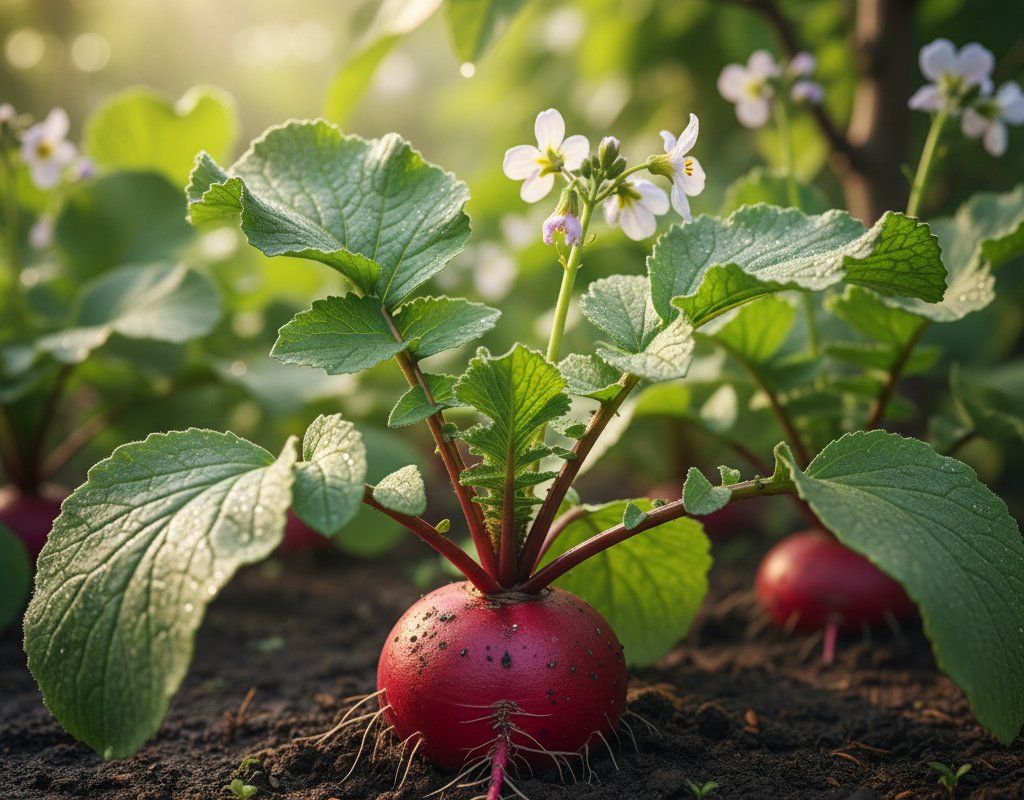
Radish in Zone 7A — Southeast
Raphanus sativus · Your Complete 2026 Planting Guide
Still Time to Sow!
The sowing window is still open for Radish.
Sow Seeds Soon
Fast-growing and easy. No reason to start indoors.
How to Plant Radish in Zone 7A — Southeast
Here are all your options for getting radish in the ground, from the easiest method to more advanced approaches.
Direct Sow Seeds
RecommendedLate February through late September
around February 25
Consider succession planting every 2-3 weeks for continuous harvest.
Fast-growing and easy. No reason to start indoors.
Buy Starts
Works WellLate February through early April
around February 25
Plant purchased starts after last frost (March 25).
Start Seeds Indoors
ChallengingThis plant is typically not started indoors.
Transplant Outdoors
Timing InfoLate February through early April
around February 25
Can tolerate light frost, but wait for soil to be workable.
You have a nice window — no need to rush.
Fall Planting
Early September through early October
September 24 ideal · Direct sow for fall harvest
Plant a second crop in mid-summer for fall harvest. Radish actually prefers the cooling temperatures of fall.
Overview
Radishes are the perfect gateway crop for Southeast gardeners, delivering crisp, peppery satisfaction in just 25 days from seed to salad bowl. In our hot and humid climate, these quick-growing roots shine as cool-season champions, thriving in spring's gentle warmth and fall's relief from summer's intensity. Their speed makes them ideal for succession planting, giving you fresh radishes throughout our long growing season while other crops are still getting established.
Our Southeast climate presents challenges with summer heat, humidity, and clay soil, but radishes are remarkably forgiving when you time them right. With a generous 225-day growing season, you have multiple windows to grow these fast finishers – from late winter through late spring, then again as summer fades into fall. The key is avoiding our brutal summer months when even these hardy roots struggle with the heat.
Transplanting Outdoors
While radishes can be transplanted, it's rarely necessary given their lightning-fast growth and preference for direct sowing. If you do choose to transplant – perhaps after starting seeds indoors during a particularly cold February – plan to move them outdoors from late February through early April when soil temperatures consistently stay above 40°F.
Harden off transplants gradually over a week, starting with 2-3 hours of outdoor exposure and building up to full days. Our unpredictable late winter weather can swing from 70°F one day to freezing the next, so watch the forecast closely. Space transplants 2-4 inches apart in loose, well-draining soil.
The main challenge with transplanting radishes in the Southeast is our heavy clay soil, which can cause transplant shock if not properly amended. Work in compost to lighten the soil structure, and water transplants gently to avoid compacting clay around their delicate root systems.
Direct Sowing
Direct sowing is absolutely the way to go with radishes – they're so fast-growing there's no advantage to starting them indoors. You can begin sowing from late February through late September, giving you multiple harvests throughout our extended growing season. In early spring, wait until soil temperature reaches at least 40°F and the ground isn't waterlogged from winter rains.
Prepare your beds by loosening clay soil to at least 6 inches deep, working in compost to improve drainage and texture. Radishes need loose soil to develop properly – compacted clay leads to misshapen, stunted roots. Sow seeds ½ inch deep and 2-4 inches apart, or plant closer and thin later. The beauty of radishes is their forgiving nature; even crowded plantings often produce usable crops.
For continuous harvest, succession plant every 2-3 weeks from late winter through mid-spring, then pause during our hot summer months. Resume sowing in early September for a fall crop that will mature before our first frost in early November. Fall radishes often have the best flavor, developing sweetness as temperatures cool.
Watering Radish in Zone 7A (Southeast)
Radishes need consistent, even moisture to develop crisp, mild roots – drought stress turns them pithy and fiery hot. In the Southeast, our wet summers help, but spring and fall plantings require attention. Water deeply when the top 2 inches of soil feel dry to your finger, providing about 1 inch per week through rain and irrigation combined.
During our humid springs, avoid overhead watering which can promote fungal diseases. Water at soil level using soaker hoses or by hand at the base of plants. Our clay soil holds moisture well but can become waterlogged during heavy spring rains, so ensure good drainage by adding organic matter. In raised beds, this is rarely an issue.
Summer plantings (if you attempt them in partial shade) need daily attention, as our 92°F days and warm nights stress these cool-season crops. Morning watering helps plants cope with afternoon heat, but honestly, it's better to wait until late August to resume planting. Fall crops benefit from our typically reliable September and October rainfall.
Watch for signs of stress: wilted leaves indicate underwatering, while yellowing lower leaves often signal overwatering in our moisture-retentive clay. A light organic mulch helps maintain soil moisture and keeps roots cool, but keep it pulled back from the stem to prevent pest issues in our humid conditions.
🧪Fertilizing Radish
Feeding Schedule
Organic Fertilizer Options
Harvest Time
Your first radishes will be ready to pull from late March through mid-November, depending on planting time and variety. Spring cherry radishes mature in about 25 days, while larger daikon types may take 60 days. Look for shoulders pushing above the soil surface – this is your cue to check size by brushing away soil from the top of the root.
Harvest when roots reach about 1 inch in diameter for spring types, pulling them promptly to avoid woody, overmature roots. Unlike tomatoes, radishes don't continue improving after harvest – they're best eaten fresh. Pull them in the morning when they're fully hydrated from overnight moisture, washing off our Southeast clay immediately.
Don't let radishes sit too long in the ground, especially during warm spells. Our variable spring weather can push them quickly from perfect to past-prime. If you planted a full row at once, harvest over several days, taking the largest first and leaving smaller ones to size up.
As your first frost approaches in early November, harvest all remaining fall radishes. They won't survive freezing, though the greens can handle light frost. Pull them before that final cold snap and store in the refrigerator, where they'll keep crisp for several weeks.
Common Problems in Zone 7A (Southeast)
Flea Beetles Tiny round holes peppered across radish leaves, looking like someone used a shotgun, signal flea beetle damage. These small, dark beetles jump like fleas when disturbed and can devastate young seedlings. The damage looks worse than it usually is – established plants typically outgrow the cosmetic leaf damage, though severely attacked seedlings may struggle.
Southeast heat and humidity create ideal conditions for flea beetles, especially in late spring when populations explode. Row covers provide excellent protection during the vulnerable seedling stage, though remove them once plants are established to avoid trapping moisture and heat. Delay planting until soil warms if early sowings consistently get hammered, or try kaolin clay as an organic deterrent.
Root Maggots Tunnels and brown, rotting areas in radish roots indicate root maggot damage. These are the larvae of small flies that lay eggs at the base of plants, particularly during cool, moist spring weather. Affected radishes become inedible, often with secondary bacterial rot that smells terrible when you pull them.
Our wet springs and clay soil create perfect breeding conditions for these pests. Avoid fresh manure which attracts egg-laying flies, and consider row covers during peak flight times in early spring. Crop rotation helps break the cycle, though these pests affect all brassicas. If infestations persist, try beneficial nematodes applied to moist soil.
Pithy Roots Radishes that look normal on the outside but are dry, spongy, and intensely hot inside have gone pithy from stress. This happens when plants experience drought, heat stress, or are left too long in the ground. The roots essentially start breaking down their own tissue.
Our variable spring weather – swinging between wet and dry periods – often triggers this condition. Maintain consistent soil moisture and harvest promptly when radishes reach size. During warm spells, check daily as they can go from perfect to pithy quickly. Fall crops are less prone to this issue thanks to more stable conditions.
Southeast Specific Challenges Our hot, humid summers and heavy clay soil present unique challenges for radishes. The combination of heat and humidity accelerates pest reproduction while our dense clay can cause root deformation and drainage issues. Time your plantings for cooler months, improve soil structure with organic matter, and be prepared to harvest quickly when weather turns unexpectedly warm.
Best Companions for Radish
Plant these nearby for healthier Radish and better harvests.


Keep Away From
Companion Planting Details
Radishes make excellent companions for carrots, lettuce, peas, and cucumbers in Southeast gardens. Plant them with carrots to break up clay soil – radishes mature quickly and loosen the earth for slower-growing carrot roots. Their fast growth also marks planting rows while carrot seeds germinate slowly. Lettuce and radishes share similar cool-season timing and water needs, making them natural partners in spring and fall beds.
Peas fix nitrogen that benefits radish growth, while radishes help break up soil compaction around pea roots. Cucumbers planted after radish harvest benefit from the improved soil structure. Avoid planting near hyssop, which can inhibit radish growth and flavor development. The aromatic oils that make hyssop valuable for pest control seem to interfere with radish root development in our humid climate.
🌸Best Flowers to Plant with Radish
These flowers protect your Radish from pests and attract pollinators for better harvests.



Get a Reminder When It's Time to Plant
We'll email you when key planting windows open for your zone.