
Lettuce in Zone 7B — Texas
Lactuca sativa · Your Complete 2026 Planting Guide
Time to Buy Starts!
Seed starting window passed, but starts are available now.
Buy Starts Now
Head to your local nursery, Home Depot, or farmers market for transplants.
- Look for stocky plants with dark green leaves
- Avoid leggy seedlings or plants already flowering
- Check that roots aren't circling the pot (rootbound)
How to Plant Lettuce in Zone 7B — Texas
Here are all your options for getting lettuce in the ground, from the easiest method to more advanced approaches.
Direct Sow Seeds
RecommendedEarly February through late September
around February 10
Consider succession planting every 2-3 weeks for continuous harvest.
Lettuce germinates easily in cool soil. Succession sow every 2-3 weeks.
Start Seeds Indoors
RecommendedMid January through early February
around January 27
Then transplant: Late February through early April
Start seeds 4-6 weeks before transplanting outdoors.
Starting indoors gives you an earlier harvest.
Buy Starts
Works WellLate February through early April
around February 24
Plant purchased starts after last frost (March 10).
Lettuce starts are inexpensive and widely available.
Transplant Outdoors
Timing InfoLate February through early April
around February 24
Can tolerate light frost, but wait for soil to be workable.
You have a nice window — no need to rush.
Fall Planting
Late September through late October
October 9 ideal · Direct sow for fall harvest
Plant a second crop in mid-summer for fall harvest. Lettuce actually prefers the cooling temperatures of fall.
Overview
Lettuce stands out as one of the most rewarding crops you can grow in Texas Zone 7B, offering crisp, fresh leaves that put store-bought varieties to shame. With our long 255-day growing season, you can enjoy homegrown lettuce from late winter through early summer, then again through fall and into winter – giving you fresh salads when grocery store prices peak.
The Texas heat and unpredictable weather can challenge lettuce growers, but smart timing makes all the difference. Plant during our cooler months and you'll harvest tender, flavorful leaves before the brutal summer heat arrives. The key is working with our climate, not against it.
Starting Seeds Indoors
Starting lettuce seeds indoors gives you the earliest possible harvest in Texas, though it's not essential since our mild winters allow direct sowing. Start seeds from mid-January through early February, about 4 weeks before your last expected frost. This timing puts transplants in the ground during our optimal cool weather window.
Set up seed trays in a bright, cool location – lettuce germinates best at 60-65°F. Bottom watering works especially well for lettuce seeds, keeping the soil evenly moist without disturbing the tiny seeds. With Texas's early spring character, indoor starts can give you a 3-4 week head start on the growing season.
Your seedlings will be ready to transplant outdoors in late February through early April, just as our spring weather settles into the sweet spot for lettuce growth.
Transplanting Outdoors
Transplant your indoor-started lettuce seedlings outdoors from late February through early April, when night temperatures consistently stay above the mid-20s. Space plants 6-12 inches apart depending on variety – leaf lettuce needs less room than head types like romaine or iceberg.
Harden off seedlings gradually over a week, starting with a few hours of filtered outdoor light and building up to full exposure. Texas spring weather can swing dramatically, so watch for those unexpected late cold snaps that can stress young transplants.
Choose a location with morning sun and afternoon shade if possible – this positioning helps lettuce handle our warming spring temperatures better. Lettuce transplants are inexpensive and widely available at local nurseries, making this an easy option if you don't want to start from seed.
Direct Sowing
Direct sowing works beautifully for lettuce in Texas, especially since our cool-season window is long enough for multiple successions. Sow seeds from early February through late September, focusing on the cooler months for best results. Lettuce seeds germinate easily in cool soil, even at temperatures as low as 35°F.
Prepare your soil by working in compost and ensuring good drainage – lettuce roots are shallow but don't tolerate soggy conditions. Plant seeds ¼ inch deep and space them 6-12 inches apart, or sow densely and thin as needed. The soil doesn't need to be warm, which is perfect for our early season planting.
For continuous harvests, succession sow every 2-3 weeks from late winter through mid-spring, then again from late summer through fall. This strategy keeps fresh lettuce coming before the Texas heat shuts down production.
Watering Lettuce in Zone 7B (Texas)
Lettuce demands consistent moisture in Texas – those shallow roots dry out fast in our variable conditions, and drought stress triggers immediate bolting. Check soil moisture daily by sticking your finger 2 inches deep; if it's dry, water thoroughly at the base of plants rather than overhead.
During our hot-to-extreme summer months (when temperatures hit 97°F regularly), lettuce grown in partial shade still needs about 1-1.5 inches of water per week. Spring and fall plantings need less – about ¾ inch weekly – but consistency matters more than total amount. Variable humidity means you can't rely on appearance alone to judge watering needs.
Watch for signs of water stress: wilting in morning hours, bitter taste developing, or premature flower stalks forming. Overwatering shows up as yellowing lower leaves and soft, rotting stems. A 2-3 inch layer of mulch around plants helps retain moisture and keeps soil cool during our intense sun.
With Texas's unpredictable rainfall patterns (anywhere from 15-50 inches annually), don't count on nature to do the job. Set up drip irrigation or soaker hoses for the most efficient watering, especially during our notorious summer dry spells.
🧪Fertilizing Lettuce
Feeding Schedule
Organic Fertilizer Options
Harvest Time
Your first lettuce harvest typically arrives from late March through late November in Texas, with leaf varieties ready in about 45 days from seed. Start harvesting leaf lettuce when leaves reach 4-6 inches long, cutting outer leaves and letting the center continue growing. Head lettuce is ready when heads feel firm and full – squeeze gently to test.
Cut lettuce in the early morning when leaves are crisp and full of moisture. Use clean, sharp scissors or a knife to avoid damaging the crown. For leaf lettuce, harvest the outer leaves first and leave the growing center intact for continuous production over several weeks.
As our first frost approaches in mid-November, harvest entire heads even if they're not fully mature – they won't survive a hard freeze. Light frosts (28-32°F) might not kill lettuce immediately, but quality deteriorates quickly after cold damage.
The beauty of our Texas growing season is getting two distinct lettuce seasons: spring harvests from March through May, then fall harvests from October through December when temperatures cool down again.
Common Problems in Zone 7B (Texas)
Bolting appears as a tall flower stalk shooting up from the center of your lettuce, making leaves bitter and tough. This happens when plants experience heat stress, long daylight hours, or inconsistent watering – all common during Texas spring warming. Plant early in our season and provide afternoon shade as temperatures climb. Choose bolt-resistant varieties like 'Jericho' romaine or 'Nevada' leaf lettuce for our climate.
Aphids show up as clusters of tiny green, black, or white insects on leaf undersides, leaving sticky honeydew and causing leaves to curl. Fire ants often farm aphids for this sweet residue, making the problem worse in Texas gardens. Blast aphids off with strong water spray early morning, and encourage beneficial insects with diverse plantings. For heavy infestations, use insecticidal soap or neem oil.
Slugs create irregular holes in leaves and leave silvery slime trails, especially problematic during our unpredictable wet periods and flash floods. They hide under mulch and debris during hot Texas days, then emerge to feed at night. Set beer traps (shallow dishes sunk into soil) and use iron phosphate bait around plants. Water early morning so soil surfaces dry by evening.
Tip burn causes brown, dried edges on inner lettuce leaves, similar to blossom end rot in tomatoes. This calcium uptake problem worsens with our extreme heat and irregular watering patterns. Maintain consistent soil moisture, avoid high-ammonium fertilizers, and provide afternoon shade when temperatures soar above 90°F.
Texas's hot-to-extreme heat combined with variable humidity and unpredictable rainfall creates the perfect storm for lettuce stress. Focus on timing your plantings for cooler weather, maintaining consistent moisture, and choosing heat-tolerant varieties adapted to our challenging conditions.
Best Companions for Lettuce
Plant these nearby for healthier Lettuce and better harvests.
View Full Companion Planting Chart →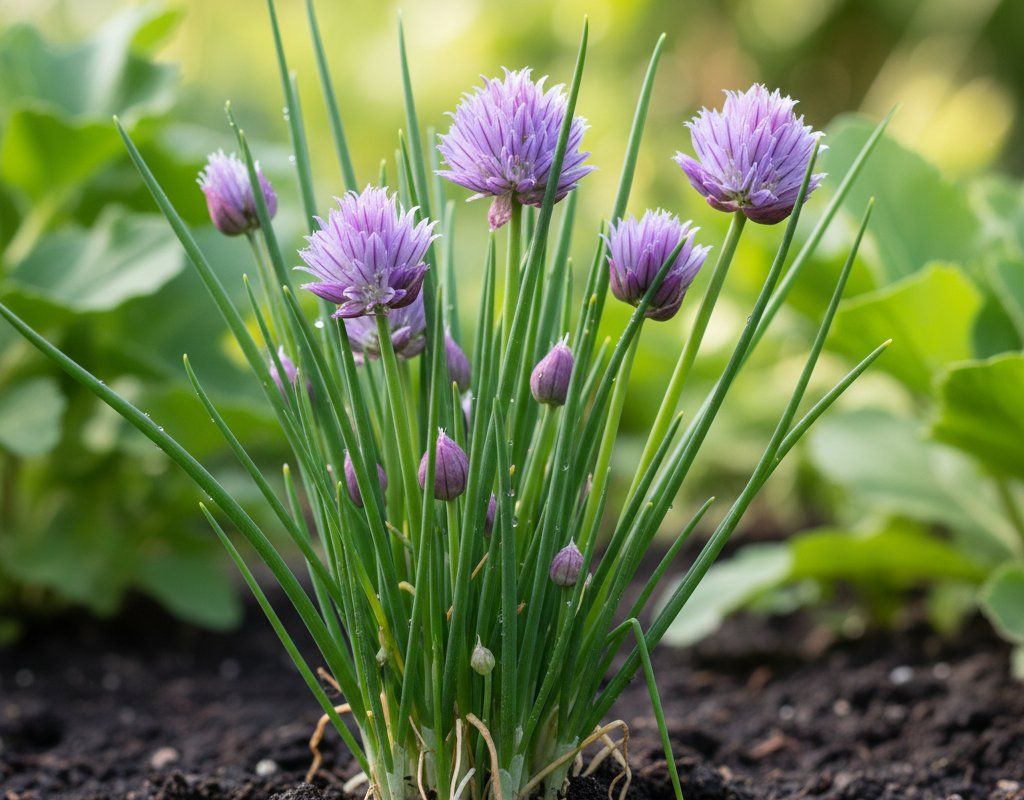


Companion Planting Details
Lettuce pairs beautifully with carrots and radishes in Texas gardens – the root vegetables break up clay soil while lettuce's shallow roots don't compete for the same space. Radishes mature quickly and can be harvested before lettuce needs the room, making them perfect succession partners. Chives planted nearby help repel aphids with their strong scent and provide a convenient herb harvest alongside your salads.
Strawberries make excellent lettuce companions since both prefer cooler weather and consistent moisture – plant them together for your spring and fall growing windows. Avoid planting lettuce near celery or parsley, as they compete for similar nutrients and water in the shallow root zone, leading to smaller, less productive plants in our resource-limited Texas soil conditions.
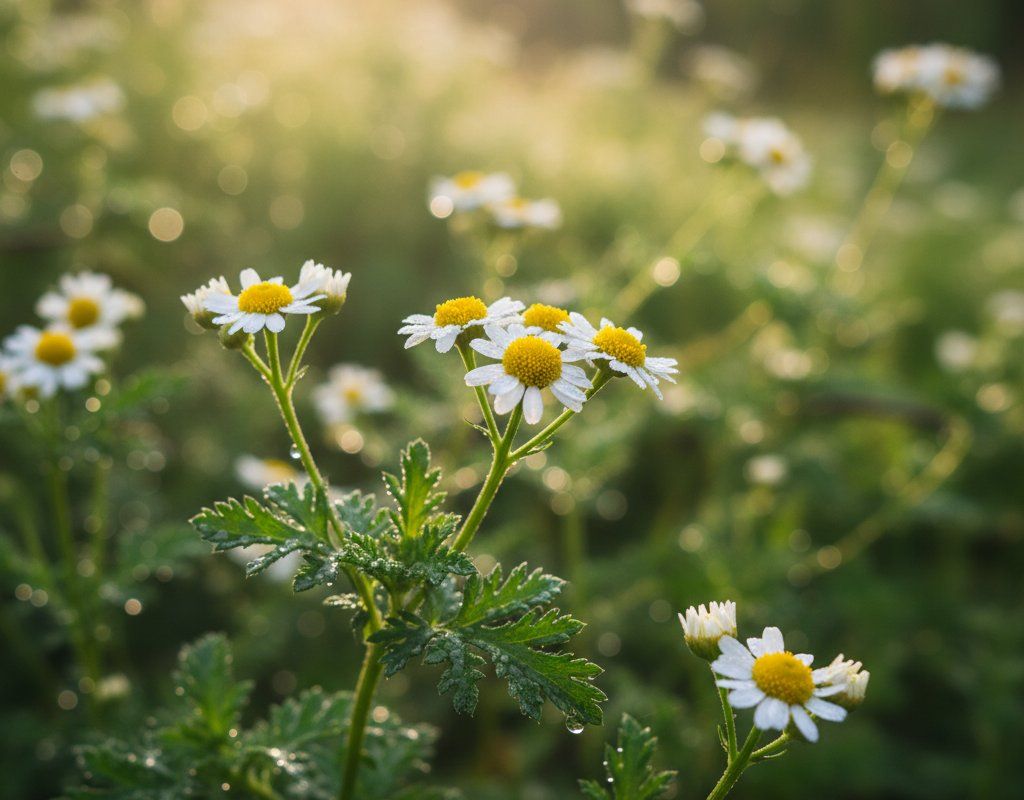
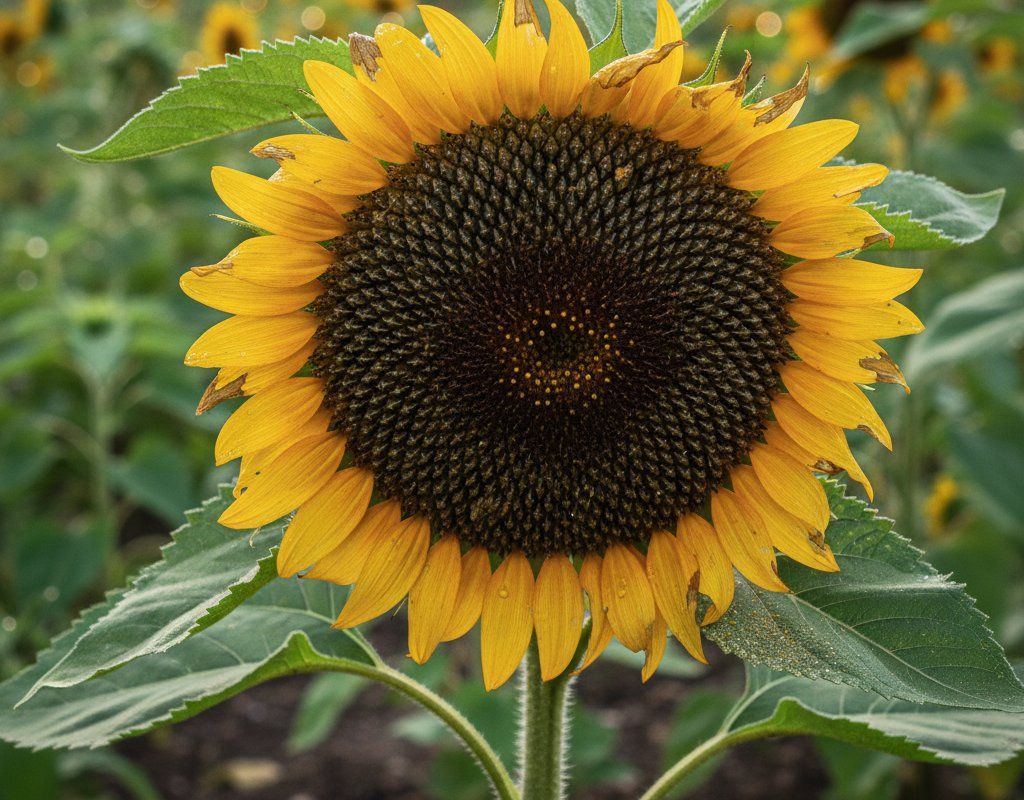
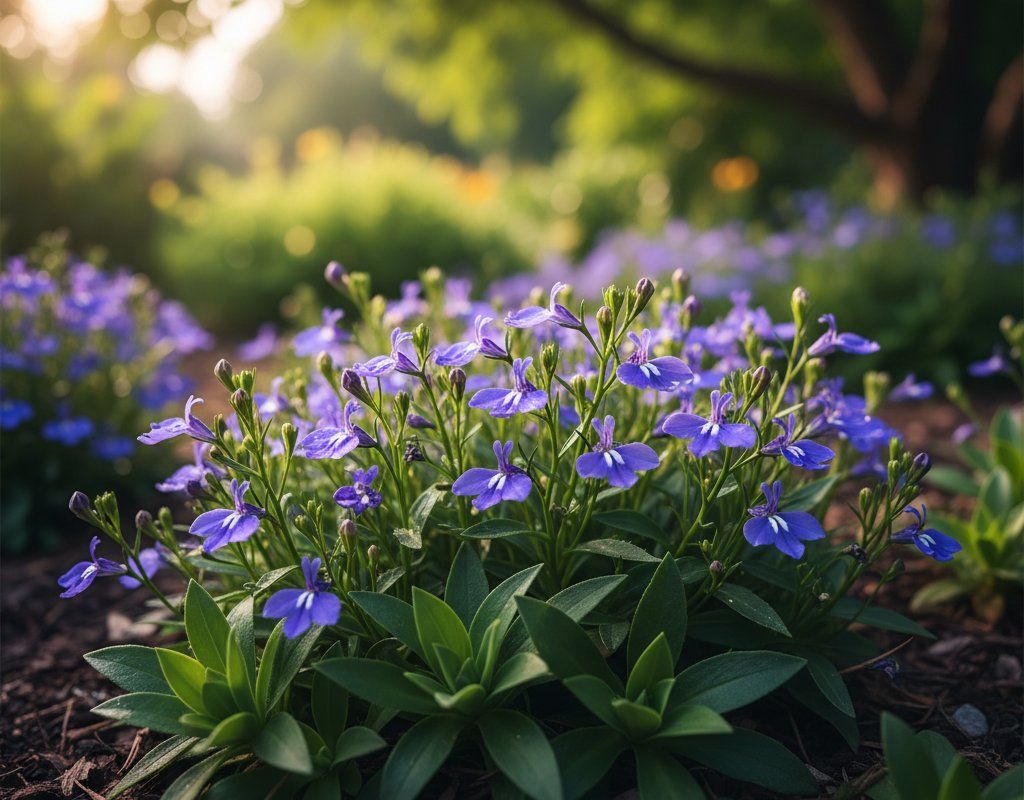
🌸Best Flowers to Plant with Lettuce
These flowers protect your Lettuce from pests and attract pollinators for better harvests.
For Pest Control



Get a Reminder When It's Time to Plant
We'll email you when key planting windows open for your zone.