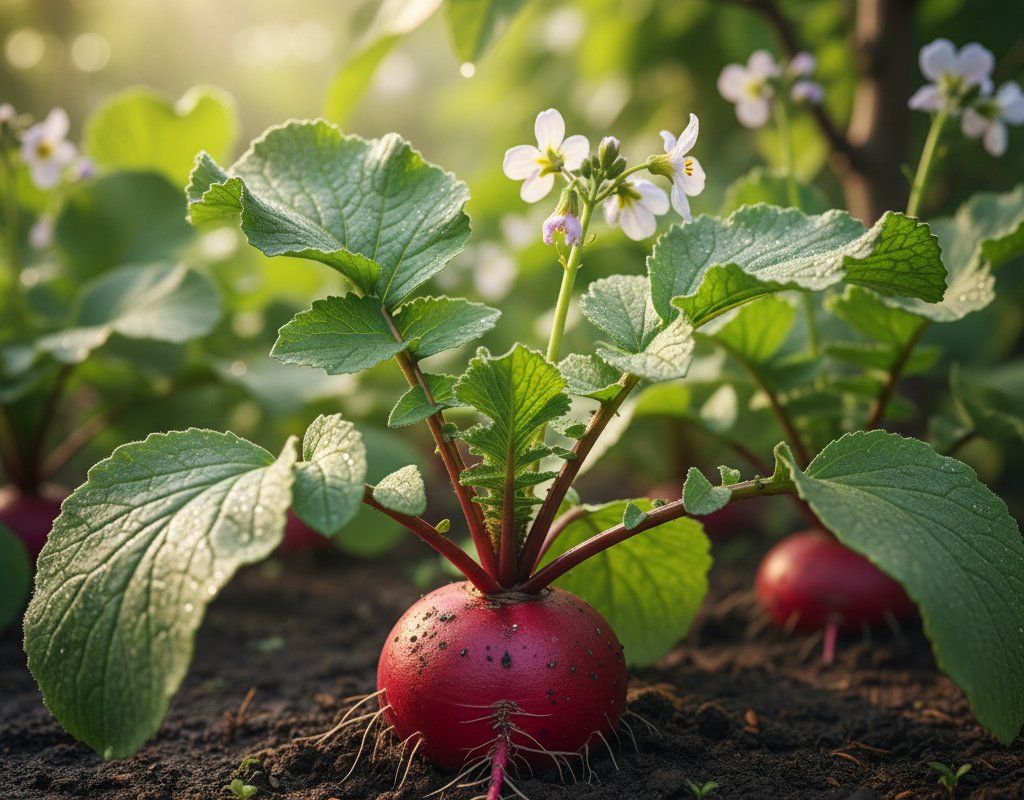
Radish in Zone 8A — Southeast
Raphanus sativus · Your Complete 2026 Planting Guide
Still Time to Sow!
The sowing window is still open for Radish.
Sow Seeds Soon
Fast-growing and easy. No reason to start indoors.
How to Plant Radish in Zone 8A — Southeast
Here are all your options for getting radish in the ground, from the easiest method to more advanced approaches.
Direct Sow Seeds
RecommendedMid February through early October
around February 15
Consider succession planting every 2-3 weeks for continuous harvest.
Fast-growing and easy. No reason to start indoors.
Buy Starts
Works WellMid February through late March
around February 15
Plant purchased starts after last frost (March 15).
Start Seeds Indoors
ChallengingThis plant is typically not started indoors.
Transplant Outdoors
Timing InfoMid February through late March
around February 15
Can tolerate light frost, but wait for soil to be workable.
You have a nice window — no need to rush.
Fall Planting
Mid September through mid October
October 4 ideal · Direct sow for fall harvest
Plant a second crop in mid-summer for fall harvest. Radish actually prefers the cooling temperatures of fall.
Overview
Radishes are the perfect starter crop for Southeast gardeners, delivering crisp, peppery satisfaction in just 25 days from seed to plate. In our Zone 8A climate, you can enjoy fresh radishes almost year-round thanks to their cool-season nature and frost tolerance—they actually thrive in our mild winters and cool springs before the summer heat sets in. The quick turnaround makes them ideal for succession planting, and there's nothing quite like pulling a perfectly formed radish from your own soil on a February morning.
While our hot, humid summers and clay soil can challenge many crops, radishes sidestep most of these issues with smart timing. Your 245-day growing season means you can grow multiple crops from late winter through fall, avoiding the worst heat stress that makes radishes woody and overly spicy. Plant them during our cooler months, and you'll have sweet, crisp roots that store well and add crunch to salads all season long.
Transplanting Outdoors
Transplanting radishes is possible but rarely worth the effort since they mature so quickly from seed. If you do choose to transplant, mid-February through late March works best in the Southeast, when our last frost typically occurs in mid-March. Start seeds indoors about 3-4 weeks before transplanting, using individual cells since radish taproots don't like root disturbance.
Harden off seedlings gradually over a week, bringing them outside for a few hours each day and extending the time daily. Our late winter weather can swing dramatically from warm afternoons to chilly nights, so watch the forecast carefully. Space transplants 2-4 inches apart in prepared beds.
The main downside to transplanting radishes is transplant shock often causes them to bolt quickly rather than forming good roots. You're much better off direct seeding every 2-3 weeks for continuous harvests throughout the growing season.
Direct Sowing
Direct sowing is absolutely the way to go with radishes—they're practically foolproof when planted at the right time. In the Southeast, you can sow from mid-February through early October, skipping the hottest months of July and August when heat stress makes roots pithy and overly hot. Soil temperature should be at least 40°F, which happens reliably by late February in most areas.
Prepare your beds by working compost into our heavy clay soil to improve drainage and make it easier for roots to expand. Plant seeds ½ inch deep and 1 inch apart, then thin to 2-4 inches once they germinate. The key is consistent moisture during the 4-7 day germination period—our spring rains usually help with this timing.
For best results, make successive sowings every 10-14 days throughout the growing windows. Spring radishes (March-May) tend to be mildest, while fall crops (September-October) develop excellent flavor as temperatures cool. Avoid planting during our humid summer months when disease pressure peaks and heat stress ruins root quality.
Watering Radish in Zone 8A (Southeast)
Radishes need consistent moisture throughout their short 25-day growing period, but their watering needs vary dramatically with our Southeast seasons. During spring growing season (March-May), our afternoon thunderstorms often provide adequate moisture, but you'll still need to supplement during dry spells. Aim for about 1 inch of water per week, checking soil moisture with the finger test—stick your finger 2 inches into the soil, and water if it feels dry.
Summer heat stress is radishes' biggest enemy, causing roots to become woody and fiery-hot instead of crisp and mildly peppery. This is why we avoid summer plantings entirely, but if you're growing during shoulder seasons, deep watering 2-3 times per week works better than daily light watering. Water at soil level rather than overhead to minimize disease issues in our humid climate.
Fall radishes (September-October) are easier to manage as temperatures moderate and humidity levels drop slightly. Monitor soil moisture carefully during establishment, then rely more on natural rainfall as our wet season continues. Overwatering in clay soil causes root rot, while underwatering leads to cracked, bitter roots that split when rain finally comes.
A thin layer of straw mulch helps maintain even soil moisture and prevents the rapid moisture swings that cause radishes to split. Just keep mulch light—too thick and you'll encourage slug problems in our humid conditions.
🧪Fertilizing Radish
Feeding Schedule
Organic Fertilizer Options
Harvest Time
Your first radish harvest typically begins in mid-March if you planted in late February, continuing through late November with succession plantings. The beauty of radishes is their speed—most varieties are ready in 25-30 days, making them perfect for filling gaps between slower crops. Watch for the shoulders (tops of roots) to push above the soil surface as your first indicator of readiness.
Harvest when roots reach about 1 inch diameter for classic spring types, though some varieties can grow larger without becoming woody. Pull them by grasping the leaves close to the root and lifting straight up—they should come out cleanly from properly prepared soil. If you meet resistance, loosen the soil around the root first to avoid breaking it off.
Don't leave radishes in the ground too long, especially during warm weather transitions. Overripe radishes become woody, develop hollow centers, or bolt to seed quickly. In fall, you have more leeway as cool weather slows development and maintains quality longer.
As our first frost approaches in mid-November, harvest remaining radishes regardless of size. They don't improve after frost hits the tops, though the roots remain edible. Store harvested radishes in the refrigerator for 2-3 weeks, or pickle them for longer storage and a tangy addition to winter meals.
Common Problems in Zone 8A (Southeast)
Flea Beetles Look for tiny round holes creating a shot-hole pattern across radish leaves, especially on young seedlings. These small, dark beetles jump like fleas when disturbed, earning their name. Young plants are most vulnerable and can be severely weakened by heavy feeding, though established radishes usually outgrow the damage.
Flea beetles thrive in our warm, humid springs and are particularly troublesome in freshly worked garden soil. They overwinter in garden debris and emerge when soil temperatures warm in early spring. Floating row covers during the first 2-3 weeks after seeding provide excellent protection during the vulnerable seedling stage. Kaolin clay applications can also deter feeding, and some gardeners find success delaying plantings until plants emerge larger and less susceptible.
Root Maggots Root maggots appear as small white grubs feeding on radish roots, creating tunnels and brown scars that make roots inedible. Adult flies lay eggs at soil level near plants, and maggots burrow down to feed. You'll notice stunted, yellowing plants above ground, with damaged or hollow roots below.
These pests are worst in cool, moist conditions typical of our spring growing season, especially in soil rich with organic matter. Crop rotation helps since they overwinter in soil where host plants grew. Row covers prevent adults from laying eggs, and beneficial nematodes can reduce soil populations. Avoid fresh manure applications before planting brassicas, as this attracts egg-laying females.
Pithy Roots Pithy radishes feel spongy rather than crisp and have a harsh, overly hot flavor instead of pleasant peppery bite. The interior develops a cottony texture with hollow spaces, making them unpalatable even when properly sized. This is often confused with overmaturity, but it can happen to properly timed harvests under stress.
Hot weather and inconsistent watering are the primary causes in our climate, which is why we avoid summer plantings entirely. Drought stress followed by heavy rain or irrigation causes rapid cell expansion that creates the pithy texture. Plant during cooler months, maintain consistent soil moisture, and harvest promptly when roots reach proper size. Clay soil that stays too wet can also contribute to poor root quality.
Southeast Specific Challenges Our hot, humid summers make radish growing nearly impossible from June through August, as heat stress guarantees pithy, overly spicy roots regardless of variety. The combination of afternoon thunderstorms and clay soil can create waterlogged conditions that promote root rot and disease. Japanese beetles occasionally chew leaves but rarely cause serious damage to fast-growing radishes, and deer generally ignore them in favor of more appealing crops.
Best Companions for Radish
Plant these nearby for healthier Radish and better harvests.

Keep Away From
Companion Planting Details
Radishes make excellent companions for slower-growing crops that benefit from the soil loosening their taproots provide. Plant them alongside carrots—the radishes will break up clay soil and be harvested before carrots need the space, plus radish pungency may deter carrot rust flies. Lettuce pairs beautifully as both prefer cool weather, and radishes can provide light shade for lettuce during warm spring days in our climate.
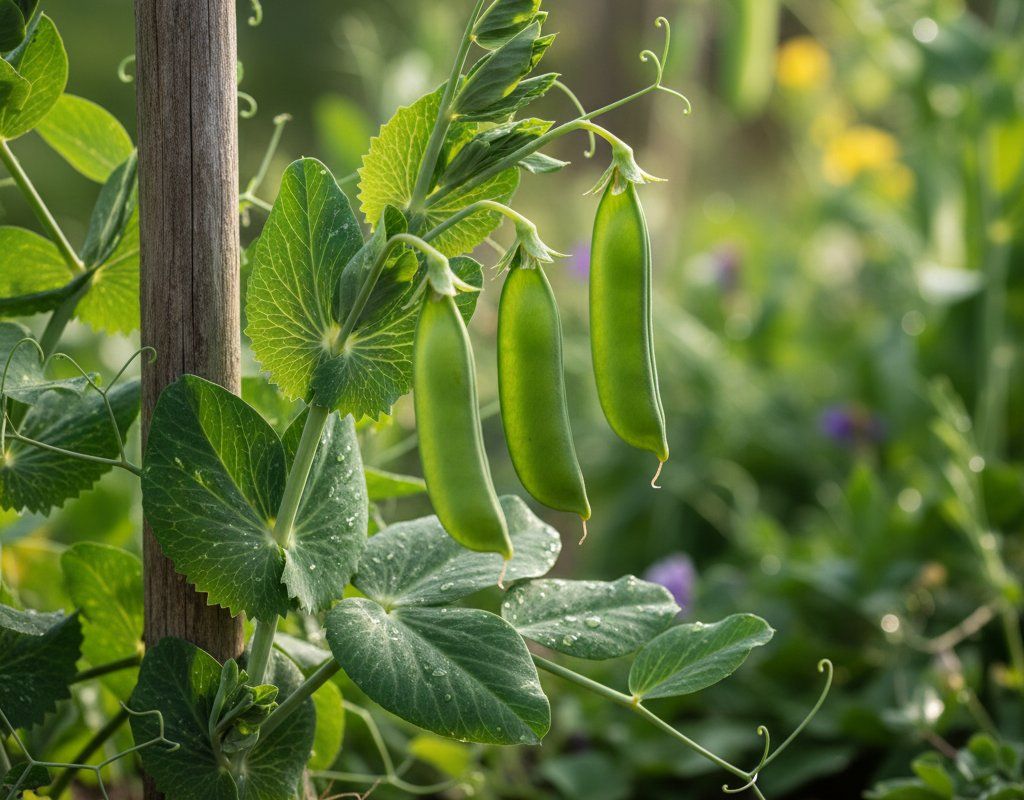
Peas and radishes work well together in early spring plantings, as both tolerate our late frost dates and cool soil conditions. The nitrogen-fixing peas benefit following radish crops, and you can succession plant radishes where peas finish in late spring. Avoid planting near hyssop, which can inhibit radish growth and affect flavor development. Cucumbers make decent companions for fall radish plantings, as radishes will be harvested before cucumber vines spread significantly.
🌸Best Flowers to Plant with Radish
These flowers protect your Radish from pests and attract pollinators for better harvests.



Get a Reminder When It's Time to Plant
We'll email you when key planting windows open for your zone.