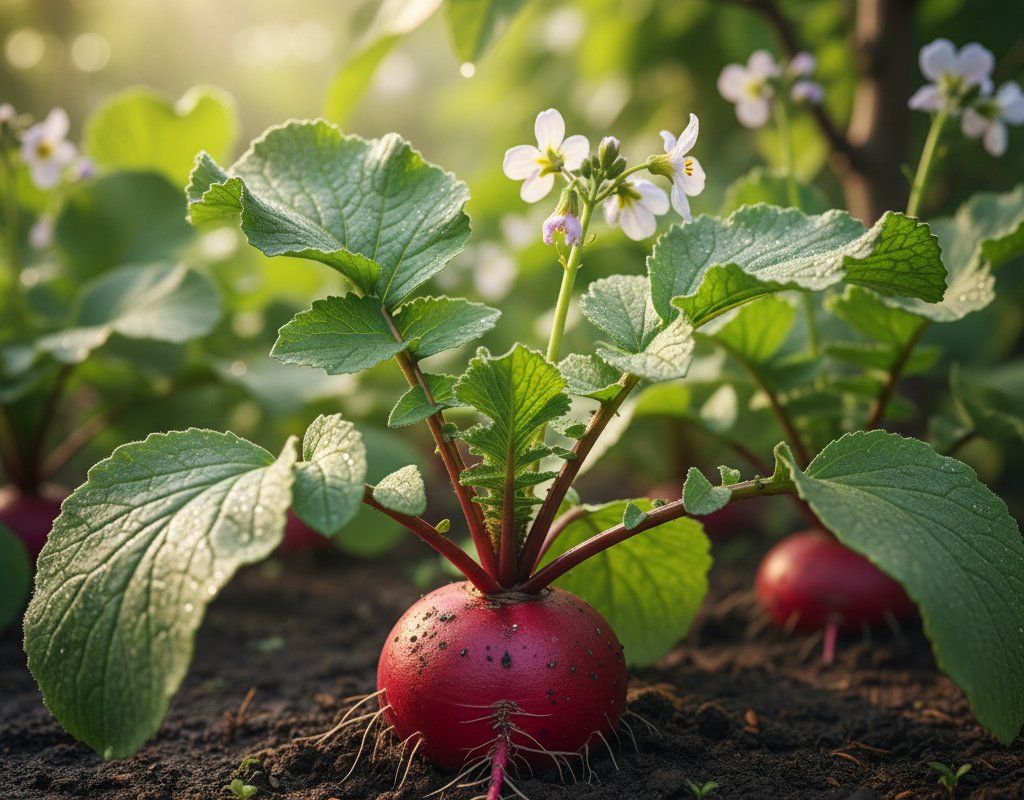
Radish in Zone 9A — Florida
Raphanus sativus · Your Complete 2026 Planting Guide
Harvest Time!
Your Radish should be producing now!
Harvest Tips
Check size by brushing soil away from crown. Pull when ready.
How to Plant Radish in Zone 9A — Florida
Here are all your options for getting radish in the ground, from the easiest method to more advanced approaches.
Direct Sow Seeds
RecommendedEarly January through mid November
around January 4
Consider succession planting every 2-3 weeks for continuous harvest.
Fast-growing and easy. No reason to start indoors.
Buy Starts
Works WellEarly January through mid February
around January 4
Plant purchased starts after last frost (February 1).
Start Seeds Indoors
ChallengingThis plant is typically not started indoors.
Transplant Outdoors
Timing InfoEarly January through mid February
around January 4
Can tolerate light frost, but wait for soil to be workable.
You have a nice window — no need to rush.
Fall Planting
Late October through late November
November 13 ideal · Direct sow for fall harvest
Plant a second crop in mid-summer for fall harvest. Radish actually prefers the cooling temperatures of fall.
Overview
Radishes are one of the most rewarding crops you can grow in Florida's unique climate. These fast-maturing root vegetables give you crisp, peppery satisfaction in just 25 days, making them perfect for quick succession plantings throughout our extended growing season. In Zone 9A, you can enjoy fresh radishes from your garden nearly year-round, taking advantage of our mild winters when these cool-season crops really shine.
Our subtropical climate does present some challenges for radish growing - the extreme summer heat and humidity can stress these cool-weather lovers. But with proper timing, you can work around Florida's intense summers and make the most of our incredible 327-day growing season. The key is understanding that our gardening calendar runs opposite to most of the country.
Transplanting Outdoors
While you can transplant radishes in early January through mid-February, it's rarely necessary since these fast-growing crops do best when direct-sown. If you do choose to transplant seedlings, handle them carefully since radishes don't love root disturbance.
Start hardening off your seedlings about a week before transplanting by gradually increasing their outdoor exposure. Begin with just 2-3 hours of morning sun, then extend the time daily until they're spending full days outside. Space transplants 2-4 inches apart in rows.
Time your transplants for Florida's mild winter weather, avoiding any potential cold snaps that occasionally hit our region in January and February. Even though radishes are frost-hardy, young transplants are more vulnerable than established plants.
Direct Sowing
Direct sowing is definitely the way to go with radishes in Florida. You can sow seeds from early January through mid-November, though you'll want to avoid the brutal summer months when temperatures regularly hit 93°F and higher. The sweet spot is our fall through spring window when cooler temperatures keep these roots crisp and mild.
Prepare your soil by working in some compost to improve our typically sandy Florida soil. Radish seeds germinate quickly in soil temperatures between 45-85°F, which we easily maintain through most of our growing season. Sow seeds ¼ to ½ inch deep, spacing them about an inch apart initially.
Thin seedlings to 2-4 inches apart once they emerge. This spacing gives each radish room to develop properly in our loose, sandy soils. The beauty of radishes is their speed - you'll see germination in just 3-5 days and harvest-ready roots in less than a month.
Watering Radish in Zone 9A (Florida)
Consistent moisture is absolutely critical for growing crisp, mild radishes in Florida's challenging climate. These fast-growing roots need steady water throughout their short 25-day journey from seed to harvest. Let them dry out, and you'll end up with pithy, fiery-hot radishes that are barely edible.
Check soil moisture daily using the finger test - stick your finger 2 inches down into the soil. If it feels dry at that depth, it's time to water. In Florida's sandy soils, this usually means watering every other day during our drier months and potentially daily during hot spells. Aim for about 1 inch of water per week, including rainfall.
Water at the base of plants rather than overhead to minimize fungal issues in our extremely humid climate. Our average humidity stays high year-round, making foliar diseases a constant threat. Drip irrigation or soaker hoses work beautifully for radishes, delivering water right to the root zone where it's needed.
During our wet summer months when we receive 50-65 inches of annual rainfall, you may need to back off watering entirely. Watch for signs of overwatering like yellowing leaves or soft, rotting roots. A light mulch of dried grass clippings can help regulate soil moisture, but keep it thin since our humid conditions can promote fungal problems under thick mulch layers.
🧪Fertilizing Radish
Feeding Schedule
Organic Fertilizer Options
Harvest Time
Your first radishes will be ready for harvest in late January if you planted in early January, or whenever 25 days have passed since sowing. Watch for the telltale sign - radish shoulders pushing up above the soil surface, showing you their size below ground.
Pull radishes when they reach about 1 inch in diameter for standard spring types. Gently brush away soil from around the top to check size before harvesting. Don't wait too long - radishes left in the ground become woody and increasingly hot as they age, especially as our Florida temperatures start climbing.
Harvest by grasping the leafy top and pulling straight up with a gentle twisting motion. The entire plant comes up easily from our sandy soils. If you encounter resistance, use a garden fork to loosen the soil around stubborn roots.
Since first frost doesn't typically hit our area until late December, you have flexibility with fall plantings. However, radishes are fast enough that timing isn't usually an issue - plant successive crops every 2-3 weeks for continuous harvests throughout the cooler months.
Common Problems in Zone 9A (Florida)
Flea Beetles show up as tiny round holes peppered throughout radish leaves, creating a distinctive shot-hole pattern. You'll spot the culprits - small, dark beetles that jump away when disturbed - feeding on young seedlings. These pests are particularly problematic during Florida's warm, humid conditions when they reproduce rapidly.
Florida's year-round growing season means flea beetles never truly disappear. Protect seedlings with lightweight row covers during the most vulnerable first two weeks after germination. Remove covers once plants are established since larger radishes can tolerate some leaf damage. Kaolin clay spray also works well as a physical barrier.
Root Maggots cause radishes to become riddled with tunnels and develop a spongy, rotted appearance. These white, legless larvae feed inside the developing roots, making them completely inedible. The adult flies are attracted to moist, organic-rich soils and lay eggs near plant stems.
Our humid Florida climate and frequent summer rains create ideal breeding conditions for root maggots. Practice crop rotation, avoiding planting radishes in the same spot where other brassicas grew recently. Yellow sticky traps placed just above soil level catch adult flies before they can lay eggs.
Pithy Roots result from inconsistent watering or excessive heat stress, causing radishes to become dry, woody, and unpalatably hot. This is especially common during Florida's intense summer heat when soil temperatures spike and moisture evaporates rapidly from our sandy soils.
Time plantings to avoid our hottest months and maintain consistent soil moisture throughout the growing period. Mulch lightly to moderate soil temperature swings, and consider shade cloth during unexpected warm spells in winter and spring.
Florida Specific Challenges: Our extreme humidity and wet summers create perfect conditions for fungal diseases, while sandy soils drain quickly, requiring more frequent watering. The lack of true winter means pest populations never fully die back, making crop rotation and timing even more important for successful radish production.
Best Companions for Radish
Plant these nearby for healthier Radish and better harvests.


Keep Away From
Companion Planting Details
Radishes make excellent companions for carrots since they break up compacted soil with their faster growth, making it easier for carrot roots to penetrate deeper. Plant radish seeds mixed with carrot seeds - by the time you harvest the radishes, the carrots will be ready to spread into the newly available space. Lettuce pairs beautifully with radishes since both prefer cooler weather and similar watering schedules, perfect for Florida's fall through spring growing window.
Peas and radishes work well together because peas add nitrogen to the soil while radishes help break up our often-compacted sandy clay layers. Cucumbers benefit from radishes planted nearby since radishes can help deter cucumber beetles and other pests. However, avoid planting radishes near hyssop, which can stunt radish growth and affect their flavor development.
🌸Best Flowers to Plant with Radish
These flowers protect your Radish from pests and attract pollinators for better harvests.



Get a Reminder When It's Time to Plant
We'll email you when key planting windows open for your zone.