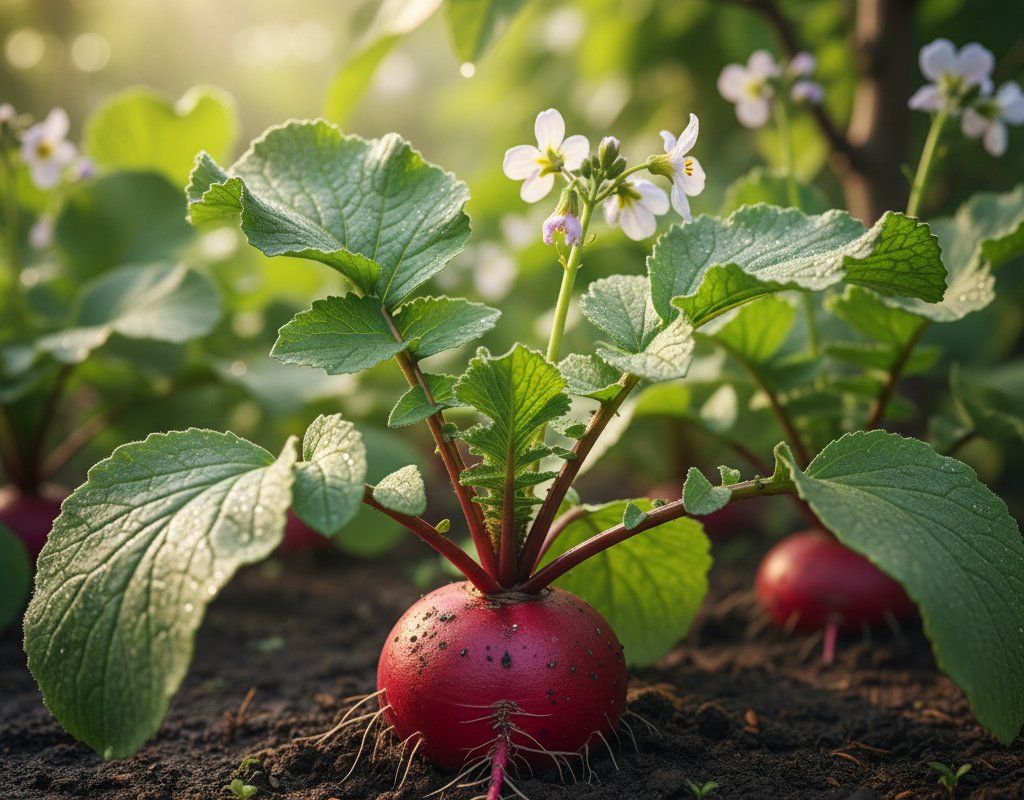
Radish in Zone 9B — Southern California
Raphanus sativus · Your Complete 2026 Planting Guide
Harvest Time!
Your Radish should be producing now!
Harvest Tips
Check size by brushing soil away from crown. Pull when ready.
How to Plant Radish in Zone 9B — Southern California
Here are all your options for getting radish in the ground, from the easiest method to more advanced approaches.
Direct Sow Seeds
RecommendedLate December through mid November
around December 28
Consider succession planting every 2-3 weeks for continuous harvest.
Fast-growing and easy. No reason to start indoors.
Buy Starts
Works WellLate December through early February
around December 28
Plant purchased starts after last frost (January 25).
Start Seeds Indoors
ChallengingThis plant is typically not started indoors.
Transplant Outdoors
Timing InfoLate December through early February
around December 28
Can tolerate light frost, but wait for soil to be workable.
You have a nice window — no need to rush.
Fall Planting
Late October through late November
November 13 ideal · Direct sow for fall harvest
Plant a second crop in mid-summer for fall harvest. Radish actually prefers the cooling temperatures of fall.
Overview
In Southern California's mild Zone 9B climate, radishes are the perfect gateway crop for new gardeners and a reliable quick fix for experienced ones. These peppery roots mature in just 25 days, giving you nearly instant gratification in our extended growing season. With our rarely freezing winters and water-wise gardening approach, radishes fit perfectly into the cool-season rotation when summer heat isn't beating down on tender leaves.
Our 334-day growing season means you can enjoy fresh radishes from late fall through early spring, avoiding the summer heat that makes them bolt and turn woody. While our hot summers and occasional water restrictions can challenge many crops, radishes thrive in the cooler months when natural rainfall helps with irrigation needs.
Transplanting Outdoors
Radishes rarely need transplanting since they're so quick from seed, but if you have seedlings started indoors, transplant them outdoors from late December through early February. This timing takes advantage of our mild winter weather before spring heat arrives. The soil temperature should be consistently above 40°F, which happens reliably by late December in most of Southern California.
Harden off seedlings gradually over one week by setting them outside for increasing periods daily. Start with 2-3 hours of morning sun and work up to full outdoor exposure. Space transplants 2-4 inches apart in rows, giving them room to develop their round or elongated roots without crowding.
Be aware that winter transplanting in SoCal can coincide with our rainy season, so ensure good drainage to prevent root rot. Protect young transplants from Santa Ana winds with temporary row covers or plant them in a sheltered location until established.
Direct Sowing
Direct sowing is the best method for radishes in Southern California, and you can plant from late December through mid-November for continuous harvests. Skip the indoor starting altogether – these fast growers prefer to go straight into the garden soil where they'll develop the best root formation.
Prepare your soil by working in compost to improve drainage, especially important during our wet winter months. Sow seeds ½ inch deep and 2-4 inches apart in rows 12 inches apart. The soil temperature should be between 45-65°F, which is perfect for our cool season growing window. Seeds germinate quickly in 4-7 days when soil stays consistently moist.
For the longest harvest period, make succession plantings every 2-3 weeks through the growing season. Stop planting by mid-March inland or late March near the coast, as our increasing heat will cause radishes to bolt and become pithy and overly spicy.
Watering Radish in Zone 9B (Southern California)
Radishes need consistent, even moisture to develop crisp, mild roots – irregular watering creates those disappointingly pithy, fiery-hot radishes nobody wants. In Southern California's semi-arid climate, this means staying on top of irrigation even during our "wet" season, since 10-20 inches of annual rainfall isn't enough for consistent soil moisture.
During the prime growing season (late December through March), check soil moisture using the finger test – stick your finger 2 inches down, and if it's dry, it's time to water. Aim for about 1 inch of water per week, including rainfall. Water at the base of plants rather than overhead to conserve water and prevent leaf diseases that can develop during our higher humidity winter months.
Summer radish attempts require more frequent watering due to our typical 92°F highs, but honestly, it's better to skip summer altogether and wait for fall planting. When you do water, do it early morning to reduce evaporation losses. A thin layer of organic mulch helps retain soil moisture and keeps roots cool, but avoid thick mulching that can harbor pests in our mild climate.
Watch for signs of water stress: wilted leaves during cooler parts of the day indicate underwatering, while yellowing leaves and soft roots suggest overwatering. Since radishes mature in just 25 days, maintaining consistent moisture for this short period is manageable even during water restrictions.
🧪Fertilizing Radish
Feeding Schedule
Organic Fertilizer Options
Harvest Time
Your first radish harvest will be ready in late January through early February if you planted in late December, right around 25 days after sowing. The beauty of radishes is they tell you when they're ready – the shoulders push up above the soil surface, showing you the size developing underground.
Pull radishes when they reach about 1 inch in diameter for the classic round spring types, though some elongated varieties can grow larger before becoming woody. Gently grip the leaves close to the root and pull straight up, or use a small trowel to loosen soil around larger varieties. Harvest in the morning when roots are crisp from cool overnight temperatures.
Don't leave radishes in the ground too long hoping they'll get bigger – they'll become woody and overly pungent. Since our first frost doesn't typically arrive until late December, you have flexibility with fall-planted crops, but spring-planted radishes need harvesting before our heat kicks in around April.
Unlike tomatoes or peppers, radishes won't continue ripening after harvest, so timing is everything. Clean off soil, trim the greens (save them – they're edible!), and store roots in the refrigerator where they'll keep crisp for several weeks.
Common Problems in Zone 9B (Southern California)
Flea Beetles These tiny dark beetles create characteristic round holes that look like someone used a shotgun on your radish leaves. You'll see small, jumping insects when you disturb the plants, and damage is worst on young seedlings during their first few weeks. In Southern California, flea beetles can be active year-round due to our mild winters, but they're most problematic during warm spells in late winter and early spring.
Flea beetles thrive when plants are stressed by inconsistent watering or when temperatures fluctuate – both common in our variable late winter weather. Protect seedlings with lightweight row covers during the most vulnerable 2-3 weeks after emergence. Kaolin clay spray creates a barrier that deters feeding, while maintaining consistent soil moisture helps plants outgrow the damage faster.
Root Maggots Small white larvae tunneling through radish roots create brown, corky scars and make roots inedible. Adult flies lay eggs at the base of plants, and the resulting maggots feed on developing roots. This problem is worse in gardens with high organic matter content and can be severe during our cooler, wetter winter months when flies are active.
Root maggots prefer cool, moist conditions – exactly what we have during Southern California's prime radish growing season. Use row covers immediately after planting to prevent adult flies from laying eggs, and avoid fresh manure applications that attract egg-laying females. Crop rotation helps since maggots overwinter in soil where previous brassica crops grew.
Pithy Roots Radishes develop woody, spongy centers instead of crisp, solid flesh when growing conditions aren't right. The roots become fibrous and lose their pleasant bite, developing an unpleasant texture and overly spicy flavor. This is the most common radish problem for Southern California gardeners.
Hot weather and inconsistent watering are the main culprits behind pithy roots. Our spring heat can arrive suddenly in March or April, causing rapid bolting and root deterioration. Drought stress from irregular irrigation during our dry periods also triggers this problem. Plant during the coolest months, maintain consistent soil moisture, and harvest promptly when roots reach maturity rather than leaving them hoping for continued growth.
Southern California Specific Challenges Our region's combination of hot inland temperatures, low humidity, and variable winter rainfall creates unique challenges for radish growing. Santa Ana winds can quickly dry out soil and stress plants, while fire season smoke can temporarily slow growth. The key is timing plantings for our mild winter weather and maintaining consistent moisture despite our semi-arid climate patterns.
Best Companions for Radish
Plant these nearby for healthier Radish and better harvests.

Keep Away From
Companion Planting Details
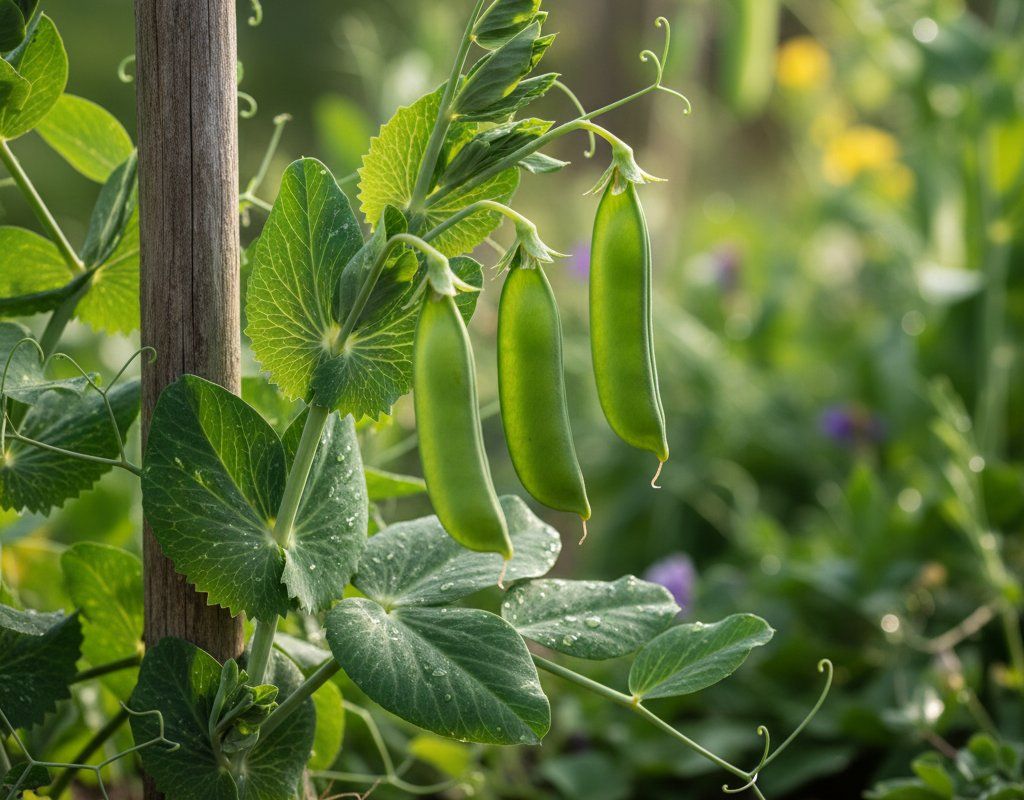
Radishes make excellent companions for carrots, lettuce, peas, and cucumbers in Southern California's winter vegetable gardens. Plant radishes with carrots since the quick-growing radishes break up soil for the slower carrots while marking rows that might otherwise disappear. The radishes will be harvested long before carrots need the space, making this a perfect succession planting for our extended cool season.
Lettuce and radishes share similar growing requirements for consistent moisture and cool weather, making them natural partners in winter beds. Both crops benefit from light afternoon shade during our occasional warm winter days. Peas fix nitrogen that benefits radishes, while radishes can help break up compacted soil with their taproots. Avoid planting radishes near hyssop, which can inhibit their growth and affect flavor development.
🌸Best Flowers to Plant with Radish
These flowers protect your Radish from pests and attract pollinators for better harvests.



Get a Reminder When It's Time to Plant
We'll email you when key planting windows open for your zone.